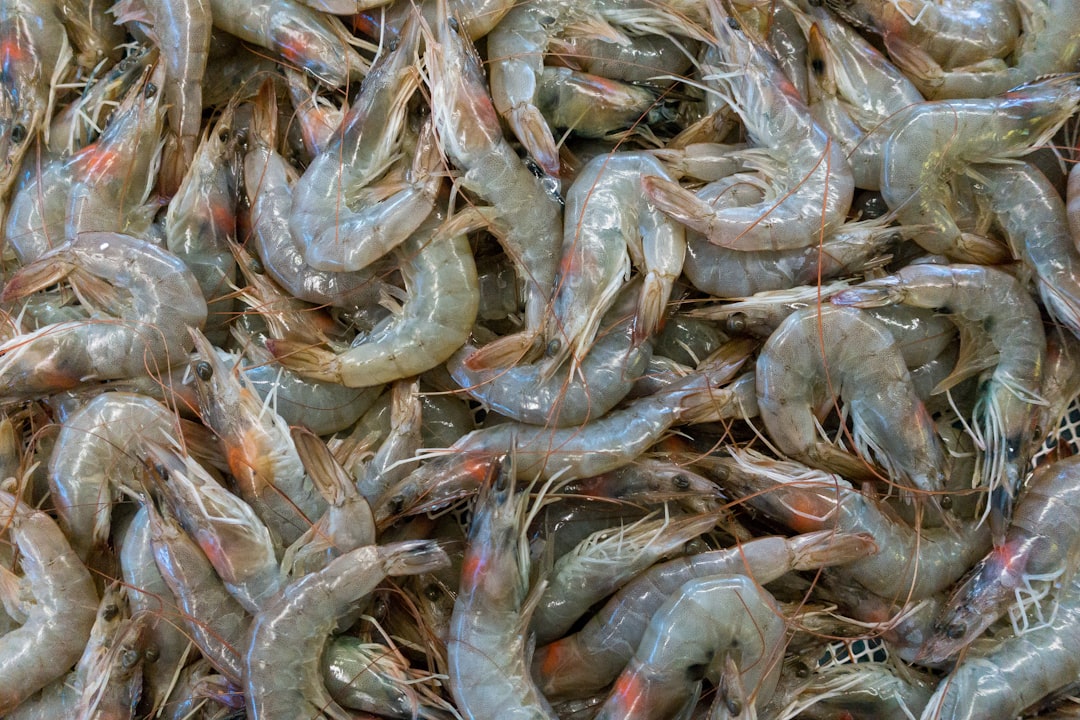
The documentary, “Shrimp Slavery Exposed,” casts a stark and unflinching light on the deeply entrenched issues within the global shrimp industry. Through meticulous investigation and firsthand accounts, the film unveils a complex web of exploitation, human trafficking, and environmental degradation that underpins a significant portion of the shrimp supply chain. This article will explore the salient points raised by the documentary, examining the mechanisms of abuse, the human cost, the environmental ramifications, and the challenges to reform.
The journey of shrimp from ocean to plate is often romanticized, a tale of exotic locales and abundant harvests. However, “Shrimp Slavery Exposed” reveals a grimmer reality for many of the individuals involved in its production. The documentary meticulously deconstructs the illusion, presenting a narrative of forced labor and human rights abuses that are systematically woven into the fabric of the industry. You can learn more about the issue of shrimp slavery in this informative video.
The Recruitment Deception
The initial stage of exploitation often begins with deceptive recruitment practices. Individuals, frequently from impoverished regions in countries such as Myanmar and Cambodia, are lured with promises of well-paying jobs and better lives in Thailand, a major hub for seafood processing. These promises, however, often serve as a bait-and-switch. Recruiters, acting as intermediaries, frequently charge exorbitant fees for travel and administrative costs, effectively trapping individuals in a debt bondage scenario before they even begin working. This initial financial burden acts as an invisible shackle, making escape an almost insurmountable task. The documentary illustrates this with poignant interviews, showcasing individuals who arrived with hope, only to find themselves ensnared in a system designed for their exploitation.
Onboard the Ghost Ships
Once recruited, many victims find themselves on fishing vessels, often operating in international waters where national laws offer little protection. These “ghost ships” are characterized by brutal working conditions, extended periods at sea (sometimes years), and extreme violence. Workers are routinely subjected to 20-hour shifts, insufficient food, and physical abuse. The documentary highlights the systematic nature of this brutality, demonstrating how captains and crew members, often under pressure to meet quotas, resort to intimidation and violence to maintain control. Escape from these vessels is virtually impossible, as workers are often hundreds of miles from shore with no means of communication or escape. The film offers a chilling glimpse into this floating purgatory, emphasizing the sheer desperation of those trapped.
The Processing Plants: A Different Kind of Cage
Even those who avoid the perils of the high seas often face exploitation in onshore processing plants. The documentary reveals that many migrant workers in these facilities are subjected to similar forms of debt bondage and abuse. Their passports are often confiscated, wages are withheld or drastically reduced, and their freedom of movement is severely restricted. These individuals, predominantly women, work long hours in often unsanitary conditions, peeling and processing shrimp for export to global markets. The film subtly draws a comparison between the confinement of these workers and the cages used to hold the very shrimp they process, highlighting the dehumanizing aspect of their labor.
The documentary “Shrimp Slavery Exposed” sheds light on the dark realities of human trafficking in the shrimp industry, revealing the exploitation faced by countless workers. For those interested in further exploring this critical issue, a related article can be found at this link, which delves into the broader implications of labor rights and ethical consumption in the seafood market.
The Human Cost of Cheap Shrimp
The human cost of this exploitation is immeasurable, extending far beyond the physical and psychological scars of forced labor. “Shrimp Slavery Exposed” underscores the profound impact on individuals, families, and entire communities.
Psychological Trauma and Social Disintegration
Survivors of forced labor often carry deep psychological trauma, including anxiety, depression, and post-traumatic stress disorder. The constant fear, isolation, and abuse they endured leave lasting wounds. The documentary features testimonies from individuals who recount harrowing experiences, illustrating the long-term mental health challenges faced by those who escape these systems. Furthermore, the systematic nature of this exploitation contributes to social disintegration in their home communities. Families are torn apart, children grow up without parents, and the cycle of poverty and vulnerability is perpetuated. The film emphasizes that the ripple effects of this abuse extend far beyond the immediate victims, impacting the broader social fabric.
The Illusion of Choice and the Cycle of Debt
For many victims, the initial promise of a better life transforms into an illusion of choice. Facing insurmountable debt and threats to their families, they feel compelled to continue working under exploitative conditions. The documentary effectively illustrates this Catch-22 situation, where the very mechanisms designed to extract labor also serve to trap the laborers. The cycle of debt, combined with the lack of legal protections and access to justice, creates a self-perpetuating system of exploitation that is incredibly difficult to break. This lack of agency is a recurring theme, hammering home the systemic nature of the problem.
The Absence of Due Process and Access to Justice
A critical issue highlighted by “Shrimp Slavery Exposed” is the severe lack of due process and access to justice for victims. Many migrant workers operate outside the formal legal frameworks of their host countries, making them particularly vulnerable to abuse. Language barriers, fear of reprisal, and a lack of awareness of their rights further compound their vulnerability. The documentary shows how law enforcement and government agencies often fail to adequately respond to reports of exploitation, either due to corruption, inefficiency, or a lack of resources. This systemic failure to protect the most vulnerable allows the perpetrators of these crimes to operate with relative impunity, creating a fertile ground for continued abuse.
Environmental Desecration: A Parallel Crisis

Beyond the human toll, the film also draws a crucial link between forced labor and environmental degradation within the shrimp industry. The relentless pursuit of cheap shrimp at any cost has devastating consequences for marine ecosystems.
Overfishing and Collateral Damage
The documentary details how the demand for cheap shrimp incentivizes unsustainable fishing practices, leading to severe overfishing and the depletion of marine biodiversity. “Shrimp Slavery Exposed” showcases footage of industrial trawlers indiscriminately sweeping up vast quantities of marine life, an alarming practice often referred to as bycatch. This collateral damage includes countless non-target species, such as endangered turtles, dolphins, and juvenile fish, which are discarded, contributing to the collapse of fragile ecosystems. The film makes a powerful case that the drive for profit, unchecked by ethical considerations for both humans and the environment, creates a double tragedy.
Habitat Destruction: Mangroves Under Siege
A significant portion of shrimp farming, particularly in Southeast Asia, involves the destruction of vital mangrove forests. The documentary explains how these critical coastal ecosystems are cleared to make way for shrimp ponds, leading to a cascade of negative environmental impacts. Mangroves act as natural buffers against storms, prevent coastal erosion, and serve as crucial breeding grounds for a vast array of marine species. Their destruction not only exacerbates climate change by releasing stored carbon but also devastates local fisheries, impacting the livelihoods of traditional fishing communities. The film visually contrasts the vibrant biodiversity of thriving mangroves with the barren landscapes left behind by industrial shrimp farming, creating a stark and disturbing image.
Pollution and Disease Outbreaks
The intensive nature of industrial shrimp farming also contributes to significant water pollution. The documentary highlights the use of antibiotics, pesticides, and feed, which, along with the accumulation of shrimp waste, can contaminate surrounding waterways and coastal areas. This pollution not only harms marine life but can also impact human health in nearby communities. The film also touches upon the high prevalence of disease outbreaks in overcrowded shrimp farms, leading to further environmental interventions and potentially exacerbating the use of chemicals.
Global Supply Chains and Consumer Complicity
“Shrimp Slavery Exposed” masterfully dissects the intricate global supply chains that connect exploited workers to consumers in affluent nations. The film argues that consumers, through their purchasing habits, inadvertently become part of this complex web.
The Labyrinthine Path to Your Plate
The documentary demonstrates the opaque nature of the shrimp supply chain, where multiple layers of intermediaries, processors, and distributors obscure the origins of the product. This labyrinthine path makes it incredibly difficult to trace the shrimp back to its source, providing a fertile ground for illicit practices to flourish. The film uses diagrams and investigative journalism to illustrate how shrimp caught by forced labor on distant seas can end up on supermarket shelves in Europe or North America, often without consumers or even retailers being aware of its unethical origins. This deliberate obfuscation is a key strategy for those profiting from exploitation.
The Pressure for Cheap Prices
A central argument of the documentary is that the relentless consumer demand for cheap shrimp fuels the exploitation. The pressure on suppliers to deliver low-cost products often leads them to cut corners, with labor costs being the easiest and most frequently targeted area for reduction. The film suggests that this economic pressure creates a race to the bottom, where ethical considerations are sacrificed in the pursuit of higher profits. It challenges the notion that low prices are always a good thing, urging viewers to consider the hidden costs embedded in seemingly inexpensive products.
Certification Schemes: A Panacea or a Palliative?
The documentary examines the role of various sustainability and ethical certification schemes within the seafood industry. While acknowledging their potential to improve standards, “Shrimp Slavery Exposed” also raises critical questions about their efficacy and limitations. The film suggests that some certification bodies may lack the rigor or independence necessary to truly guarantee ethical sourcing, while others may be susceptible to fraudulent practices. It encourages a healthy skepticism towards labels, emphasizing that true change requires systemic reform rather than solely relying on voluntary compliance.
The shocking realities of shrimp slavery have been brought to light in a powerful documentary that reveals the dark side of the seafood industry. For those interested in exploring this issue further, a related article delves into the broader implications of human trafficking in the fishing sector. You can read more about this critical topic in the insightful piece found here, which highlights the urgent need for awareness and action to combat these human rights abuses.
Paths Towards Reform and Ethical Consumption
| Metric | Details |
|---|---|
| Documentary Title | Shrimp Slavery Exposed |
| Release Year | 2014 |
| Duration | 30 minutes |
| Country of Focus | Thailand |
| Main Issue Highlighted | Forced labor and human trafficking in shrimp industry |
| Number of Victims Estimated | Thousands of migrant workers |
| Key Organizations Involved | Environmental Justice Foundation (EJF), Greenpeace |
| Impact | Raised global awareness, prompted supply chain reforms |
| Distribution Platforms | Online streaming, NGO websites, educational screenings |
“Shrimp Slavery Exposed” concludes not with despair, but with a call to action, outlining potential paths towards reform and encouraging ethical consumption. The film emphasizes that addressing this multifaceted problem requires a concerted effort from governments, industry, and consumers alike.
Strengthening Enforcement and Legislation
A primary recommendation for reform involves strengthening national and international legislation against human trafficking and forced labor, alongside more robust enforcement mechanisms. The documentary highlights the need for increased funding for labor inspections, improved border controls to prevent trafficking, and greater accountability for corporations that benefit from exploitation. It also advocates for greater collaboration between law enforcement agencies across different countries to dismantle the transnational criminal networks involved in these practices. The film explicitly states that without legal teeth, good intentions remain powerless.
Corporate Due Diligence and Transparency
The film stresses the critical importance of corporate due diligence throughout the supply chain. This means companies taking proactive steps to identify, prevent, and mitigate human rights risks, rather than merely reacting to scandals. Increased transparency in sourcing and production is also vital, allowing consumers and watchdog organizations to trace products back to their origins. The documentary showcases companies that are beginning to implement more rigorous ethical sourcing policies, offering a glimmer of hope that industry-led change is possible, provided there is sufficient external pressure.
Empowering Workers and Promoting Fair Labor Practices
Empowering workers through access to legal aid, unionization, and fair grievance mechanisms is another crucial element of reform. The documentary argues that when workers have a voice and the ability to collectively bargain for their rights, instances of exploitation are significantly reduced. Promoting fair wages, safe working conditions, and the elimination of debt bondage are fundamental to ensuring ethical labor practices. The film emphasizes that true sustainability must encompass not only environmental protection but also social justice for all those involved in the supply chain.
The Power of Informed Consumer Choice
Ultimately, “Shrimp Slavery Exposed” places a significant onus on the consumer. By becoming informed about the origins of their food and actively seeking out ethically sourced products, consumers can exert powerful market pressure. The documentary encourages viewers to ask questions, research brands, and support retailers that demonstrate a genuine commitment to human rights and environmental sustainability. It reminds us that every purchase is a vote, and by choosing wisely, we can collectively push the industry towards more humane and environmentally responsible practices. The film avoids preaching, instead opting for an empowering message: your choices have consequences, and by aligning your consumption with your values, you become a catalyst for change. It’s a sobering and essential watch for anyone consuming seafood, forcing a re-evaluation of the true cost of convenience.
FAQs
What is the “Shrimp Slavery Exposed” documentary about?
The documentary investigates the use of forced labor and human trafficking in the shrimp fishing industry, revealing how enslaved workers are exploited in the production of shrimp sold globally.
Where does the shrimp slavery issue primarily occur?
Shrimp slavery has been primarily reported in Southeast Asian countries, including Thailand, where illegal fishing practices and labor abuses are prevalent in the seafood supply chain.
Who are the victims of shrimp slavery?
The victims are often migrant workers who are trafficked or coerced into working under inhumane conditions on fishing boats or in processing plants, with little or no pay and restricted freedom.
What impact has the documentary had on the shrimp industry?
The documentary has raised global awareness, prompting governments, NGOs, and companies to take action by improving labor standards, enforcing regulations, and increasing transparency in seafood supply chains.
How can consumers help combat shrimp slavery?
Consumers can support ethical seafood by choosing products certified by reputable organizations, researching brands’ labor practices, and advocating for stronger laws against human trafficking in the seafood industry.