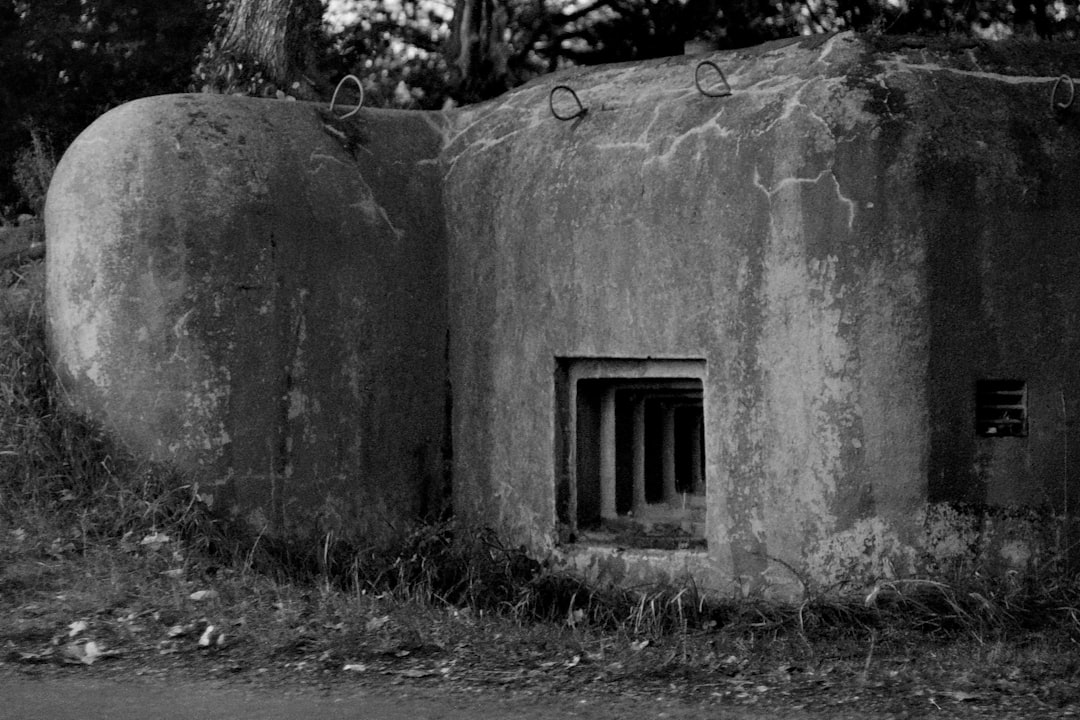
The subterranean heart of American power, a place whispered about in hushed tones and the subject of countless fictional narratives, is the White House Bunker. This complex network of underground facilities, designed to ensure continuity of government during times of extreme crisis, represents a hidden layer of strategic preparedness beneath the iconic façade of the Executive Residence. While its existence has long been acknowledged, the specifics of its construction, purpose, and operational nuances have largely remained within the realm of classified information. This article aims to peel back some of these layers, offering a factual exploration of the secrets of the White House Bunker, not as a sensational exposé, but as an examination of a critical, albeit unseen, element of national security.
The concept of protecting leadership from attack is as old as warfare itself. However, the specific impetus for a dedicated, purpose-built presidential bunker beneath the White House can be traced back to the existential anxieties of the Cold War. The escalating nuclear arms race between the United States and the Soviet Union introduced an unprecedented level of threat, where a single strategic strike could render vast swathes of a nation uninhabitable and decapitate its leadership.
The Shadow of the Bomb: Understanding the Cold War Threat Landscape
The advent of nuclear weapons fundamentally altered the calculus of warfare. Unlike conventional conflicts, the destructive potential of atomic and hydrogen bombs meant that a surprise attack could have immediate and catastrophic consequences. The concept of “mutually assured destruction” (MAD) created a precarious global balance, but it also necessitated contingency plans for scenarios where this balance was shattered. The fear of a decapitation strike, designed to simultaneously eliminate political and military leadership, was a driving force behind the development of hardened, secure facilities. Think of it as trying to build an ark in anticipation of a deluge, a necessary precaution even if the storm never breaks.
Early Prototypes and Precursors: Laying the Groundwork
While the modern White House Bunker is a sophisticated structure, its lineage can be traced to earlier efforts to provide secure communication and command facilities. During World War II, for instance, the need for protected communication links became apparent. However, the scale and nature of the Cold War threat demanded a more comprehensive and resilient solution. The early phases of planning for such a facility likely involved extensive architectural and engineering studies, considering factors like structural integrity against seismic shock, radiation shielding, and independent life support systems. These were not merely construction projects; they were ambitious undertakings in survival engineering.
The White House bunker, often referred to as the Presidential Emergency Operations Center, has been a topic of interest for many, especially in times of crisis. For those looking to delve deeper into the history and significance of such secure locations, a related article can be found at Hey Did You Know This, which explores various fascinating facts about presidential security measures throughout history.
Unveiling the Core: The Primary Bunker and its Strategic Role
At the heart of the White House Bunker complex lies the primary facility, often referred to as the Presidential Emergency Operations Center (PEOC). This hardened bunker is the nexus of executive continuity, designed to house the President and key personnel during an emergency, allowing them to continue governing from a secure location. Its very existence is a testament to the enduring principle that the functions of government must persist, even in the face of existential threats.
The Presidential Emergency Operations Center (PEOC): More Than Just a Shelter
The PEOC is not simply a bomb shelter where individuals await the all-clear. It is a fully functional command and control center equipped with advanced communication systems, secure video conferencing capabilities, and dedicated workspaces for critical staff. The goal is to enable the President to receive real-time intelligence, issue directives, and maintain communication with military commanders and global allies. Imagine a ship’s bridge, but built to withstand the storm of global catastrophe. It is a place where decisions of world-altering consequence can still be made.
Redundancy and Resilience: Building in Layers of Security
The security protocols surrounding the PEOC are multi-layered and designed for maximum resilience. Access is strictly controlled, and the facility itself is protected by significant barriers, both physical and technological. Furthermore, the concept of redundancy is paramount. Not only is the PEOC itself a hardened facility, but there are likely backup systems and even secondary locations to ensure that continuity of government is not reliant on a single point of failure. This meticulous planning reflects the understanding that in a crisis, every second counts and every link in the chain of command must be robust.
Beyond the PEOC: Ancillary Facilities and Interconnected Networks
The White House Bunker is not an isolated entity. It is part of a larger, interconnected network of subterranean facilities designed to support various functions and ensure the comprehensive security of the executive branch. These ancillary spaces, though less directly associated with the President’s immediate shelter, play crucial roles in the overall continuity of government strategy.
Communication Hubs: The Unseen Lifelines
Secure and redundant communication is the lifeblood of any government, especially during a crisis. The White House Bunker complex likely houses advanced communication hubs, capable of transmitting and receiving information even when traditional infrastructure is compromised. This includes dedicated lines, satellite uplinks, and encrypted communication channels, ensuring that the President can reach out to the world and receive vital intelligence. These are the unseen arteries that pump information to and from the core of decision-making.
Operational Support and Staff Facilities: Sustaining the Mission
The individuals who operate within these subterranean environments also require support. Ancillary facilities likely include living quarters, medical facilities, and command and control support spaces for essential personnel who would staff the bunker during an emergency. These are the essential components that allow the mission to continue, ensuring that the human element of government is not overlooked in the quest for strategic security. The infrastructure must support the people who must perform under immense pressure.
Operational Protocols and the Human Element: Manning the Controls
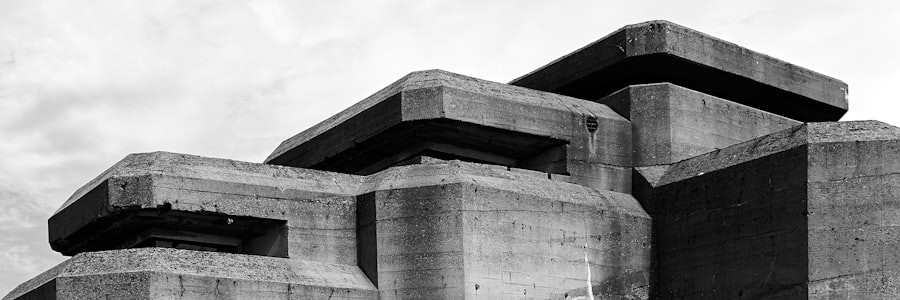
The most sophisticated bunker is rendered useless without a well-trained and prepared human element to operate it. The secrets of the White House Bunker extend beyond its physical construction to the rigorous protocols and specialized personnel who would staff it during a crisis. This aspect often remains the most opaque, as it directly involves individuals and their training for unimaginable scenarios.
Continuity of Government Exercises: Practicing for the Unthinkable
To ensure that the bunker is not merely a theoretical construct, regular and extensive continuity of government exercises are conducted. These simulations test the readiness of personnel, the functionality of equipment, and the effectiveness of communication channels. These exercises are not solely about testing the physical infrastructure; they are about honing the human response to extreme stress and uncertainty. Imagine a fire drill for the apocalypse, meticulously rehearsed and constantly refined.
The Psychological Toll: A Burden of Responsibility
Operating within a secure bunker during a global crisis would undoubtedly place immense psychological pressure on those involved. The isolation, the constant awareness of the threats outside, and the weight of responsibility for national and global security are burdens that require specific training and support. Understanding this human element is crucial to grasping the full scope of what it means to maintain continuity of government in such extreme circumstances. The sterile environment demands a resilient and steadfast spirit.
The White House bunker has often been a topic of intrigue, especially during times of crisis when its existence becomes more prominent in public discussions. For those interested in exploring the historical significance and the various uses of this secure facility, a related article provides fascinating insights into its role throughout American history. You can read more about it in this detailed overview that delves into the bunker’s past and its implications for national security.
The Evolving Landscape: Modernization and Future Considerations
| Metric | Details |
|---|---|
| Location | Underneath the East Wing of the White House |
| Purpose | Secure shelter for the President and key staff during emergencies |
| Construction Year | Originally built in 1942 |
| Size | Approximately 6,500 square feet |
| Capacity | Can accommodate the President, Vice President, and essential personnel |
| Features | Communication systems, medical facilities, air filtration, and secure entrances |
| Access | Restricted to authorized personnel only |
| Security Level | Top Secret |
The White House Bunker, like any critical infrastructure, is not static. It is subject to ongoing modernization and adaptation to meet evolving threats and technological advancements. The secrets of its past and present are intertwined with its future, as security planners continually assess and upgrade these vital subterranean defenses.
Technological Advancements: Staying Ahead of the Curve
The digital age has brought new challenges and opportunities to security planning. The White House Bunker complex would undoubtedly incorporate the latest advancements in cybersecurity, surveillance technology, and secure communication systems. The arms race is not just about physical weaponry; it is also a constant battle of wits and technological innovation in the realm of intelligence and defense. Staying ahead of the curve is a continuous imperative.
Adapting to New Threats: Beyond the Nuclear Shadow
While the specter of nuclear war was the primary driver for the creation of these facilities, modern security considerations encompass a broader spectrum of threats. Cyberattacks, pandemics, and unconventional warfare are all factors that influence the design and operational readiness of the White House Bunker. The strategic thinking involved in protecting the government must be as dynamic and adaptable as the threats themselves. The bunker must be a shield against a multitude of potential storms.
In conclusion, the White House Bunker represents a significant investment in the resilience and continuity of American governance. While many of its specifics remain shrouded in secrecy, a factual examination reveals a complex, multi-layered system designed not for fear, but for preparedness. It is a testament to the foresight of those who understood that in the face of unimaginable threats, the ability to govern must endure, a silent sentinel beneath the seat of power, ready to fulfill its critical, albeit unseen, purpose.
FAQs
What is the White House bunker?
The White House bunker, also known as the Presidential Emergency Operations Center (PEOC), is a secure underground facility located beneath the White House. It is designed to provide protection and a command center for the President of the United States during emergencies.
When was the White House bunker built?
The White House bunker was constructed during the early years of the Cold War, with its initial development completed in the 1940s. It has since been upgraded and expanded to meet modern security and communication needs.
What is the purpose of the White House bunker?
The primary purpose of the White House bunker is to ensure the safety of the President and key staff during crises such as nuclear attacks, terrorist threats, or other national emergencies. It also serves as a secure location for command and control operations.
Is the White House bunker open to the public?
No, the White House bunker is a highly classified and secure facility. It is not accessible to the public or media, and details about its layout and operations are closely guarded for security reasons.
How is the White House bunker equipped?
The bunker is equipped with advanced communication systems, life-support facilities, and security measures to sustain occupants for extended periods. It includes secure communication lines, ventilation systems, and provisions to support the President and staff during emergencies.