The Cold War, a period marked by intense geopolitical tension between the United States and the Soviet Union, was not only a battleground for human intelligence but also a unique arena for the deployment of animal agents. As nations sought innovative ways to gain an advantage over their adversaries, they turned to the animal kingdom, employing various species in espionage and military operations. This unconventional approach to warfare highlighted the lengths to which governments would go to secure intelligence and maintain national security.
The use of animals in covert operations during this era was not merely a whimsical idea; it was a calculated strategy that reflected the ingenuity and resourcefulness of military planners. The concept of using animals for military purposes is not new, but the Cold War saw a significant escalation in these efforts. With advancements in training techniques and a growing understanding of animal behavior, various species were harnessed for tasks ranging from message delivery to reconnaissance.
The integration of animals into military operations raised ethical questions and sparked debates about the treatment of these creatures. Nevertheless, the effectiveness of these secret animal weapons often outweighed the moral dilemmas, leading to their continued use throughout the conflict.
Key Takeaways
- Animals were used in espionage during the Cold War, with various species trained for different military operations.
- Pigeons played a crucial role in delivering secret messages, serving as reliable messengers in difficult terrains.
- Dolphins and sea lions were utilized in military operations, demonstrating their ability to locate mines and retrieve objects from the sea.
- Cats and dogs were used for covert surveillance, with their natural agility and stealth making them effective tools for intelligence gathering.
- Bats were trained as potential carriers of explosives, showcasing the innovative and unconventional methods employed during the Cold War.
The use of animals in espionage during the Cold War
During the Cold War, animals were employed in espionage efforts that ranged from surveillance to communication. The military recognized that certain species possessed unique abilities that could be exploited for intelligence-gathering purposes. For instance, animals like pigeons, dolphins, and even dogs were trained to perform specific tasks that would aid in military operations.
This innovative approach allowed for a level of stealth and efficiency that human operatives could not always achieve. The use of animals in espionage was not limited to one side of the conflict; both the United States and the Soviet Union engaged in these practices. Each nation sought to develop its own specialized programs that would leverage the natural instincts and capabilities of various animals.
The results were often surprising, as these creatures demonstrated an ability to navigate complex environments and complete missions with remarkable precision. The Cold War era thus became a fascinating chapter in the history of military strategy, showcasing how animals could be transformed into covert operatives.
The role of pigeons in delivering secret messages
Pigeons have long been recognized for their homing abilities, making them ideal candidates for message delivery during wartime. In the context of the Cold War, both American and Soviet forces utilized pigeons to transport sensitive information across enemy lines. These birds were trained to fly specific routes and return to their home lofts, where their handlers awaited crucial updates.
The reliability of pigeons as messengers was particularly valuable in situations where electronic communication could be intercepted or compromised. The training process for these pigeons was meticulous and involved conditioning them to recognize their home location while also familiarizing them with various routes. Once trained, these birds became essential assets in military operations, capable of delivering messages quickly and discreetly.
The use of pigeons not only showcased the ingenuity of military strategists but also highlighted the importance of adaptability in warfare. As technology advanced, the reliance on pigeons began to wane, but their contributions during the Cold War remain a testament to their effectiveness as secret agents.
The use of dolphins and sea lions in military operations
| Country | Year of first use | Number of dolphins/sea lions used | Types of operations |
|---|---|---|---|
| United States | 1960 | 100+ | Mine detection, harbor defense |
| Russia | 1973 | 10+ | Underwater reconnaissance, mine clearance |
| Ukraine | 2012 | 5+ | Underwater reconnaissance, mine detection |
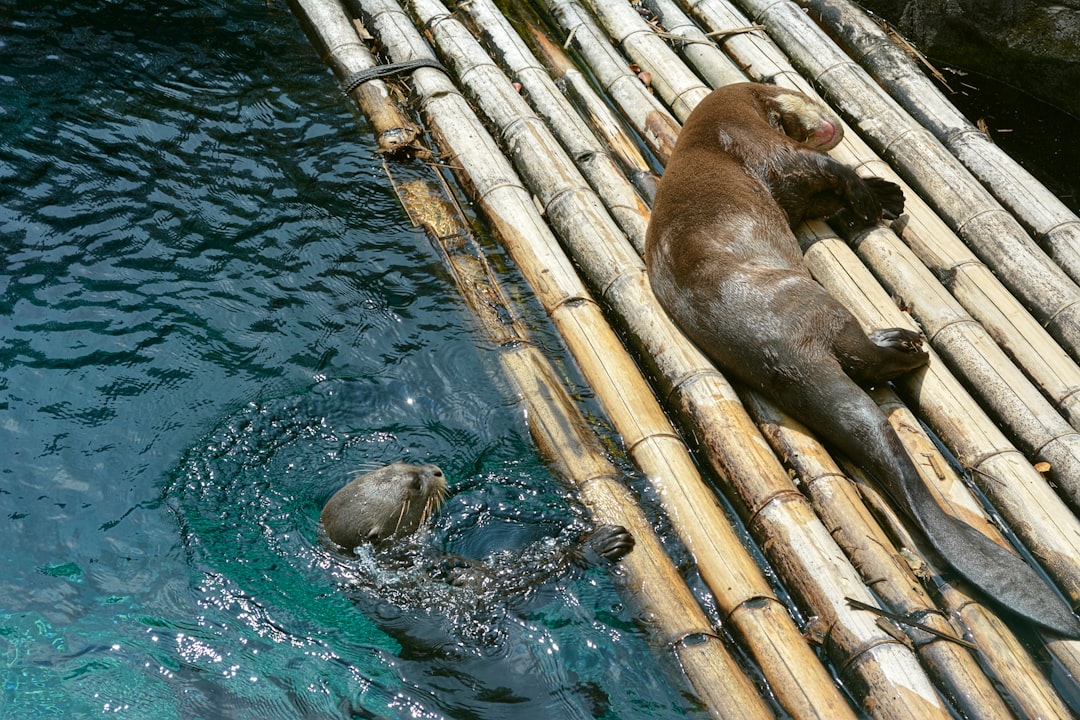
Dolphins and sea lions emerged as unexpected yet highly effective participants in military operations during the Cold War. The U.S. Navy developed specialized programs that capitalized on the natural abilities of these marine mammals for tasks such as mine detection and reconnaissance.
Dolphins, known for their intelligence and agility, were trained to locate underwater mines and even assist in locating lost equipment or personnel. Their echolocation capabilities allowed them to navigate complex underwater environments with ease. Sea lions were similarly trained for military purposes, particularly in tasks that required retrieval or surveillance.
Their ability to operate in diverse marine conditions made them invaluable assets for naval operations. The training programs for these animals were rigorous, focusing on developing their skills while ensuring their well-being. The success of dolphins and sea lions in military roles demonstrated a shift in how animals could be integrated into modern warfare, paving the way for future innovations in animal-assisted operations.
Cats and dogs as covert surveillance tools
Cats and dogs have long been companions to humans, but during the Cold War, they were also repurposed as covert surveillance tools. Dogs, with their keen sense of smell and loyalty, were trained for various roles, including tracking enemy personnel and detecting explosives. Their ability to navigate challenging terrains made them ideal candidates for reconnaissance missions where human operatives might struggle.
Cats, on the other hand, were less conventional choices for military operations but were utilized for their stealthy nature. Their agility and ability to remain unnoticed allowed them to gather intelligence in environments where humans would attract too much attention. The training of these animals required patience and understanding of their instincts, but when successfully implemented, they provided valuable insights into enemy movements and activities.
The use of cats and dogs as surveillance tools illustrated the diverse ways in which animals could contribute to military objectives.
The training of bats as potential carriers of explosives

The idea of using bats as carriers of explosives may sound far-fetched, but during the Cold War, this concept was explored with serious intent. Researchers investigated the potential of bats due to their natural ability to navigate through darkness using echolocation. The U.S. military experimented with training bats to carry small incendiary devices that could be released over enemy targets. This unconventional approach aimed to exploit the bats’ nocturnal habits and agility. The training process involved conditioning bats to associate specific locations with food rewards, encouraging them to return after completing their missions. While this program faced numerous challenges—ranging from ethical concerns about animal welfare to practical difficulties in execution—the concept itself highlighted the innovative thinking that characterized Cold War military strategies. Although bats were never deployed in actual combat scenarios, their potential as carriers of explosives remains a fascinating example of how far military planners were willing to go in their quest for an edge over adversaries.
The role of rats in detecting hidden landmines
Rats have proven themselves invaluable allies in detecting hidden landmines, particularly in post-conflict regions where traditional methods may be too dangerous or inefficient. During the Cold War, research into using rats for this purpose gained traction due to their keen sense of smell and ability to navigate complex environments. Trained African giant pouched rats became particularly popular for mine detection due to their size and agility.
The training process involved teaching rats to associate specific scents with rewards, allowing them to identify landmines without triggering them. This method not only ensured safety for human operatives but also provided an efficient means of clearing areas contaminated by explosives.
The use of birds for aerial surveillance and reconnaissance
Birds have long been admired for their ability to soar through the skies, making them ideal candidates for aerial surveillance during the Cold War. Various species were trained for reconnaissance missions, providing valuable intelligence on enemy movements and installations from above. The use of birds allowed military planners to gather information without drawing attention or risking human lives.
Training birds for aerial surveillance involved conditioning them to recognize specific targets while ensuring they could navigate back safely after completing their missions. This innovative approach not only showcased the adaptability of military strategies but also highlighted the potential for integrating natural behaviors into modern warfare tactics. As technology advanced, the reliance on birds for aerial reconnaissance diminished; however, their contributions during this era remain a testament to human ingenuity.
The development of spy insects for intelligence gathering
The concept of using insects as spies may seem like something out of science fiction, yet during the Cold War, researchers explored this possibility with serious intent. Various species of insects were studied for their potential roles in intelligence gathering due to their small size and ability to navigate complex environments undetected. The development of spy insects aimed to create miniature surveillance tools that could infiltrate enemy territory without raising suspicion.
Research into this area included attempts to harness the natural behaviors of insects such as bees and ants for communication purposes or even as carriers of small cameras or listening devices. While many projects faced significant technical challenges and ethical considerations regarding animal welfare, they represented a forward-thinking approach to espionage that sought to leverage nature’s ingenuity in service of national security objectives.
The use of elephants for transportation and heavy lifting in military operations
Elephants have been utilized in warfare for centuries due to their strength and size; however, during the Cold War, their role evolved into one focused on transportation and logistics rather than direct combat. Military planners recognized that elephants could carry heavy loads across difficult terrains where vehicles might struggle or become bogged down. Their ability to traverse challenging landscapes made them valuable assets in supply chain management during military operations.
Training elephants required a deep understanding of their behavior and needs; handlers worked diligently to ensure that these magnificent creatures were treated ethically while still fulfilling their roles effectively. The use of elephants highlighted an often-overlooked aspect of warfare: logistics play a crucial role in determining success on the battlefield. By integrating elephants into military operations, planners demonstrated an innovative approach that combined traditional methods with modern needs.
The legacy of secret animal weapons in modern warfare
The legacy of secret animal weapons from the Cold War continues to influence modern warfare strategies today. While technological advancements have led to more sophisticated tools for intelligence gathering and military operations, many lessons learned from utilizing animals remain relevant. The ethical considerations surrounding animal welfare have prompted ongoing discussions about how best to integrate living beings into military strategies without compromising their well-being.
Moreover, contemporary militaries are increasingly exploring non-traditional approaches that draw inspiration from past practices involving animals. As nations grapple with evolving threats and challenges on the battlefield, there is a renewed interest in understanding how nature can inform innovative solutions for modern warfare scenarios. Ultimately, the legacy left by secret animal weapons serves as a reminder that creativity knows no bounds when it comes to securing national interests—whether through technology or nature’s own creations.
In the fascinating realm of animal adaptations, the concept of a “Secret Animal Weapons Cold War” delves into the intriguing evolutionary arms race among various species. This topic is closely related to the article found on Hey Did You Know This, which explores unique and lesser-known animal behaviors and adaptations. The article provides insights into how animals have developed extraordinary mechanisms for survival, much like a covert arms race in the natural world, highlighting the incredible diversity and ingenuity of life on Earth.
WATCH THIS! The CIA’s Spy Cat and 3 Other Secret Animal Weapons That Almost Won the Cold War
FAQs
What is the secret animal weapons cold war?
The secret animal weapons cold war refers to the use of animals for military purposes during the Cold War era, particularly by the United States and the Soviet Union.
What types of animals were used in the secret animal weapons cold war?
Various types of animals were used in the secret animal weapons cold war, including dolphins, sea lions, pigeons, bats, and even cats and dogs.
What were the roles of animals in the secret animal weapons cold war?
Animals were used for a variety of roles in the secret animal weapons cold war, such as delivering messages, detecting mines, conducting surveillance, and even carrying explosives.
What were some of the projects involving animals during the secret animal weapons cold war?
Some notable projects involving animals during the secret animal weapons cold war include the U.S. Navy’s Marine Mammal Program, which trained dolphins and sea lions for underwater tasks, and the Soviet Union’s use of explosive-laden dogs to target enemy tanks.
Did the use of animals in the secret animal weapons cold war have any lasting impact?
The use of animals in the secret animal weapons cold war had both ethical and practical implications, and some of the research and technologies developed during this time continue to have an impact on modern military and scientific endeavors.