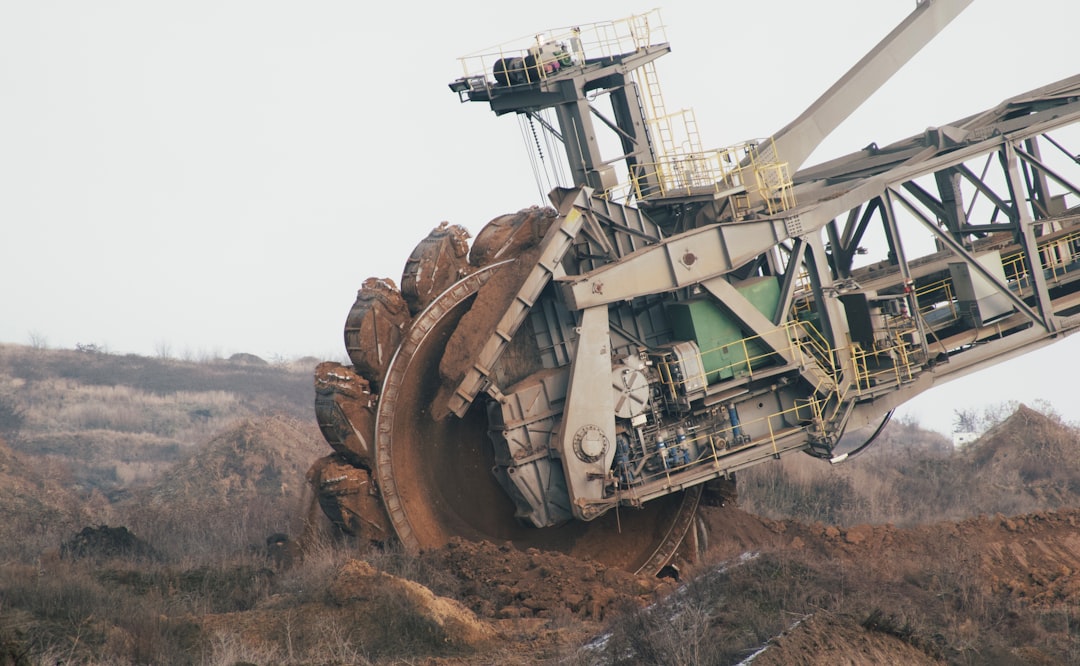
Sand mining, a seemingly innocuous extraction process, has escalated into a pervasive and brutal phenomenon, posing significant threats to human rights across the globe. While sand is a ubiquitous resource, its insatiable demand, fueled by relentless construction and development, has transformed its acquisition into a violent enterprise. This article explores the multifaceted ways in which sand mining violence infringes upon fundamental human rights, examining its origins, manifestations, and devastating consequences.
The Construction Imperative
The modern world is built on concrete, and concrete’s primary ingredient is sand. Urbanization, infrastructure development, and the global housing boom all contribute to an ever-increasing demand for construction materials. Megaprojects, from sprawling cities to vast transportation networks, consume immense quantities of sand. This ceaseless appetite for building materials creates a powerful economic incentive for sand extraction, often overshadowing environmental regulations and human welfare. The sheer scale of construction projects, particularly in rapidly developing nations, means that the pressure to meet these demands is immense, leading to expedited and often unchecked extraction practices. The industry’s reliance on sand is so profound that it has been termed the “hidden ingredient” of economic growth, a descriptor that, while accurate, belies the destructive realities of its acquisition.
Beyond Construction: Other Industrial Uses
While construction accounts for the lion’s share of sand consumption, its utility extends to other industrial sectors. The petroleum industry uses sand in hydraulic fracturing, a process that has seen a significant resurgence in recent years. Sand is also a critical component in the manufacturing of glass, a material integral to countless products, from windows and containers to advanced electronics. The electronics industry, in particular, has a high demand for specific types of silica sand, which can be highly lucrative to extract. Furthermore, sand is used in foundries for metal casting, in water filtration systems, and even in the production of microchips, highlighting its diverse and often overlooked applications. Each of these industrial demands, when combined, creates a potent and persistent market for sand, further intensifying extraction efforts.
The Economic Lure and Illicit Markets
The economic allure of sand, especially in regions where it is abundant, is undeniable. It represents a potentially lucrative commodity, capable of generating significant revenue for individuals, communities, and even organized criminal networks. This economic incentive, however, often coexists with a lack of formal governance and robust regulatory frameworks, creating fertile ground for illicit sand mining operations. These illegal enterprises often operate with impunity, bypassing environmental assessments, labor laws, and land rights. The profits generated by this illegal trade can be substantial, attracting criminal elements who employ brutal tactics to secure their operations and silence opposition. The clandestine nature of these markets makes them particularly dangerous, as their actions are less scrutinized and their violence more easily concealed. This economic dynamic, driven by both legitimate and illegitimate demand, forms the bedrock of the escalating violence associated with sand mining.
Sand mining has increasingly become a focal point of violence and human rights violations, particularly in regions where the demand for construction materials is surging. A related article that delves into the complexities of this issue can be found at this link. It explores the impact of illegal sand mining on local communities, highlighting the struggles faced by those who resist exploitation and the often brutal consequences they endure.
Manifestations of Sand Mining Violence
Sand mining violence is not a monolithic issue; it manifests in a spectrum of brutal acts, ranging from intimidation and assault to murder and widespread displacement. These acts are often perpetrated by those engaged in illegal or unsustainably managed sand extraction industries, seeking to protect their operations or gain access to resources.
Physical Assault and Intimidation
The most direct form of violence is the physical assault and intimidation of individuals who oppose sand mining activities. This includes local communities who see their lands degraded, their water sources polluted, or their homes threatened by the extraction process. Fisherfolk whose livelihoods are destroyed by altered riverbeds and polluted waters are frequent targets. Environmental activists, journalists, and researchers who attempt to document the abuses or advocate for sustainable practices also face significant risks. The perpetrators, often associated with powerful mining cartels or corrupt officials, employ tactics designed to instill fear and silence dissent. This can range from overt threats and beatings to more insidious forms of psychological intimidation, creating a climate of fear that discourcles any form of resistance. The psychological impact of such persistent intimidation can be profound, leading to anxiety, trauma, and a sense of powerlessness among affected communities.
Land Grabbing and Forced Evictions
Sand mining operations, particularly those operating illegally or with inadequate oversight, often lead to land grabbing and forced evictions. Communities residing near lucrative sand deposits find their ancestral lands encroached upon, their properties seized, and their homes demolished to make way for mining activities. This is often carried out through intimidation, coercion, or outright violence, leaving communities with no recourse but to flee their homes. The displaced often lose not only their shelter but also their livelihoods, their cultural heritage, and their social support networks. The land grabbing is often justified through spurious legal claims or the abuse of power by local authorities who are complicit in the illegal operations. The scale of displacement can be significant, creating internal refugee crises and exacerbating poverty in already vulnerable regions.
Environmental Destruction and Resource Depletion
While not always overtly violent, the systemic environmental destruction caused by unchecked sand mining has devastating, long-term consequences that amount to a violation of human rights, particularly the right to a healthy environment and the right to life. The extraction process leads to the demolition of riverbanks, the erosion of coastlines, and the destruction of vital aquatic ecosystems. This can result in increased flooding, saltwater intrusion into freshwater sources, and the loss of biodiversity, all of which directly impact human well-being. Communities that rely on these natural resources for their sustenance, such as farmers and fishermen, suffer immensely. The depletion of sand also affects the natural filtration of water, leading to contamination and health problems. This slow-burning environmental violence deprives future generations of essential resources, representing a profound intergenerational injustice.
Murder and Extrajudicial Killings
In the most extreme and tragic cases, sand mining violence culminates in murder and extrajudicial killings. Individuals who adamantly resist illegal sand extraction, expose corruption, or defend their land and communities are often targeted and killed. These killings are frequently carried out with impunity, with perpetrators often escaping justice due to corruption, lack of evidence, or intimidation of witnesses. Families of victims are often left traumatized and without any form of redress. These murders serve as a stark warning, designed to deter further opposition and reinforce the power of those engaged in illicit sand mining. The victims are often community leaders, activists, or ordinary citizens who dared to stand up for their rights, their lives ultimately sacrificed for access to a seemingly mundane commodity.
Impact on Human Rights
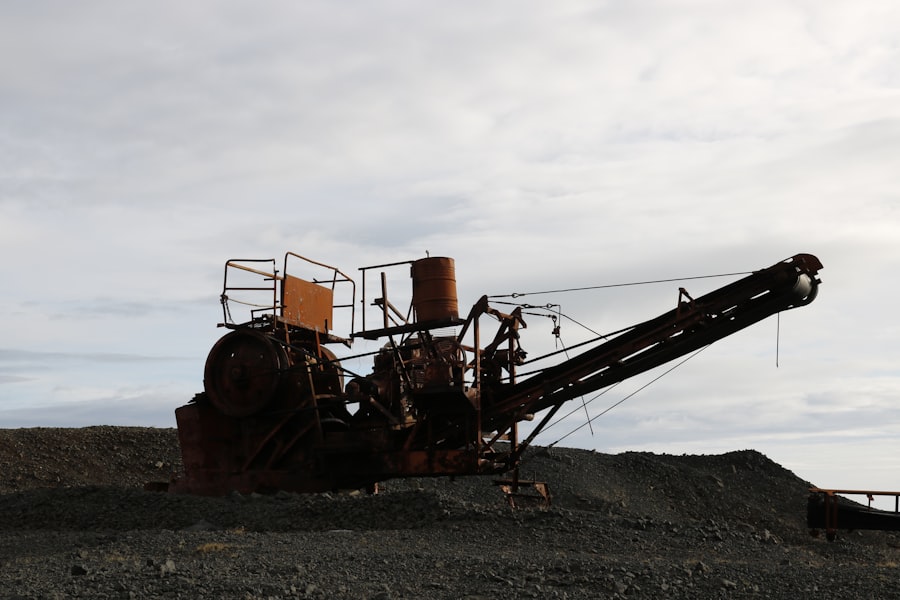
The violence stemming from sand mining directly infringes upon a wide array of fundamental human rights, undermining the dignity and security of individuals and communities.
The Right to Life and Security of Person
The most egregious violation is the infringement of the right to life. Murder and extrajudicial killings directly extinguish lives, leaving behind grieving families and communities. The constant threat of violence, intimidation, and physical assault also erodes the right to security of person. Individuals live in perpetual fear, unable to conduct their daily lives without the apprehension of harm. This psychological burden, stemming from the constant threat of violence, can be as debilitating as actual physical injury. The state’s failure to protect its citizens from these threats further exacerbates the violation of this fundamental right.
The Right to Property and Livelihood
When sand mining operations lead to land grabbing and forced evictions, they directly violate the right to property. Communities are dispossessed of their ancestral lands, their homes, and their means of sustenance. This dispossession often destroys livelihoods, particularly for those who depend on agriculture, fishing, or tourism, which are directly impacted by environmental degradation. The loss of land and livelihood pushes communities into poverty and dependence, creating a cycle of deprivation. The lack of adequate compensation or resettlement further compounds these violations.
The Right to Health and a Healthy Environment
The environmental destruction caused by unsustainable sand mining directly impacts the right to health. Polluted water sources can lead to outbreaks of waterborne diseases. The alteration of river systems can disrupt natural water purification processes and increase the risk of landslides and floods, posing direct threats to health and safety. Furthermore, the right to a healthy environment is increasingly recognized as a fundamental human right. The degradation of ecosystems, the loss of biodiversity, and the depletion of natural resources due to sand mining violate this right, impacting present and future generations. Communities living in close proximity to mining sites are particularly vulnerable to both direct health hazards and the long-term consequences of environmental damage.
The Right to Food and Water
When sand mining devastates agricultural lands through erosion, salinization, or pollution, it directly impacts the right to food. Similarly, the contamination of rivers and groundwater sources jeopardizes the right to safe and accessible drinking water. Communities that historically relied on these resources for their sustenance find themselves facing food insecurity and water scarcity, leading to malnutrition and increased vulnerability to disease. The ecological damage inflicted by sand extraction can have ripple effects across food webs, impacting fish stocks and other natural food sources vital for local populations.
The Right to Freedom of Expression and Association
Environmental activists, journalists, and community leaders who speak out against sand mining violence often face severe repercussions, including threats, harassment, and physical violence. This directly infringes upon their right to freedom of expression and their right to peacefully assemble and associate. The fear of reprisal silences dissent, making it difficult to hold those responsible for abuses accountable. This suppression of legitimate voices creates an environment where the violence can continue unchecked, perpetuating the cycle of human rights violations.
The Role of Governance and Corruption
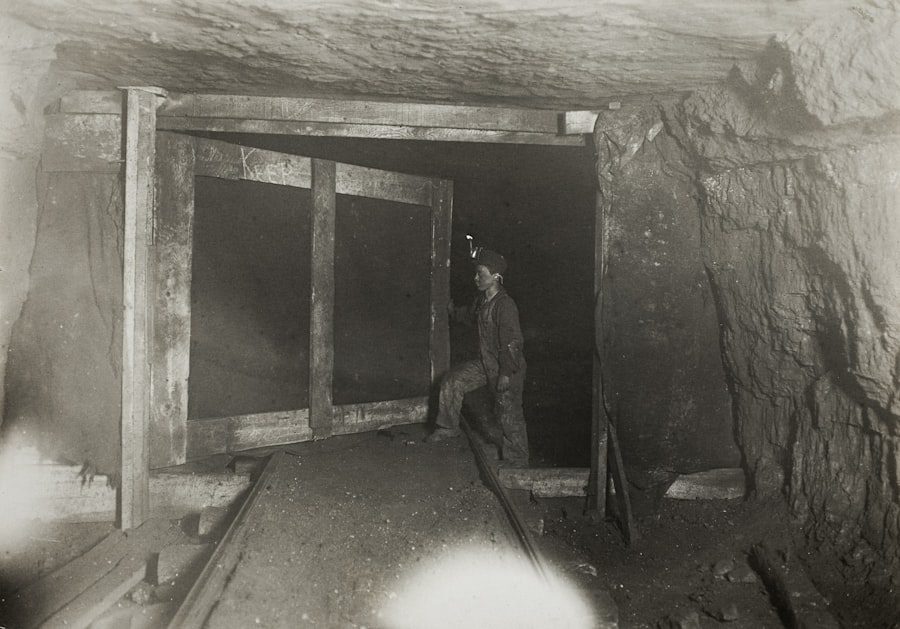
The unchecked proliferation of sand mining violence is inextricably linked to systemic failures in governance and the pervasive influence of corruption.
Weak Regulatory Frameworks
In many regions affected by sand mining, regulatory frameworks are either weak, outdated, or poorly enforced. Environmental impact assessments are often bypassed or manipulated, and permits for extraction are granted without proper scrutiny. This institutional weakness creates loopholes that are exploited by illegal miners. The lack of clear legal definitions for sand as a resource and the absence of comprehensive licensing systems further contribute to the problem. This absence of robust legal and administrative structures provides a permissive environment for malpractice and violence.
Corruption and Complicity
Corruption acts as a powerful enabler of sand mining violence. Officials tasked with overseeing environmental protection, land management, and law enforcement may be bribed to turn a blind eye to illegal operations or to provide protection to perpetrators. This complicity shields violent actors from accountability and perpetuates the cycle of abuse. The profits generated by illicit sand mining can be so substantial that they create strong incentives for corruption at various levels of government. This undermines public trust and further erodes the capacity of the state to protect its citizens.
Lack of Accountability Mechanisms
The absence of effective accountability mechanisms is a significant impediment to addressing sand mining violence. When perpetrators of violence and environmental destruction are not brought to justice, it emboldens them to continue their activities. Victims often face insurmountable barriers in seeking legal redress, with corrupt systems often failing to investigate crimes or prosecute those responsible. This lack of accountability perpetuates a culture of impunity, where the rights of ordinary citizens are consistently violated with little consequence for the offenders.
In recent years, the issue of sand mining has increasingly come under scrutiny due to the violence and human rights abuses associated with it. A related article highlights the alarming trends in various regions where illegal sand extraction has led to conflicts between local communities and mining companies. This situation not only threatens the environment but also exacerbates social tensions. For more insights into the complexities surrounding this issue, you can read the full article here.
Towards Sustainable Solutions and Justice
| Year | Number of reported sand mining violence cases | Number of human rights violations related to sand mining |
|---|---|---|
| 2018 | 25 | 15 |
| 2019 | 30 | 20 |
| 2020 | 35 | 25 |
Addressing the pervasive issue of sand mining violence requires a multi-pronged approach that prioritizes strong governance, community empowerment, and international cooperation.
Strengthening Legal and Regulatory Frameworks
Governments must enact and rigorously enforce robust legal frameworks governing sand extraction. This includes conducting comprehensive environmental impact assessments, implementing strict permitting processes, and establishing clear guidelines for sustainable extraction. Antiquated laws must be updated to reflect the current understanding of environmental science and human rights implications. Transparent and participatory decision-making processes are crucial to ensure that local communities have a voice in decisions affecting their lands and resources.
Combating Corruption and Ensuring Accountability
The fight against corruption is paramount to curbing sand mining violence. This requires independent judicial systems, whistleblower protection mechanisms, and severe penalties for public officials involved in corrupt practices related to resource extraction. International cooperation in tracing illicit financial flows associated with sand mining can also play a significant role. Ensuring that perpetrators are held accountable for their actions, regardless of their influence or power, is essential to restoring justice and deterring future abuses.
Empowering Local Communities and Civil Society
Local communities are often the first line of defense against unsustainable sand mining. Empowering them with information, resources, and legal support is crucial. This includes strengthening their land rights, supporting community-led monitoring initiatives, and facilitating their participation in decision-making processes. Civil society organizations play a vital role in raising awareness, advocating for policy changes, and providing a platform for victims to voice their concerns. Their work in documenting abuses and holding governments and corporations accountable is indispensable.
Promoting Alternative Materials and Technologies
Reducing the global demand for sand is a long-term strategy that involves promoting the use of alternative construction materials and innovative technologies. Research and development into sustainable building practices, such as the use of recycled materials, alternative aggregates, and efficient construction methods, can significantly lessen the reliance on virgin sand. Encouraging the adoption of these alternatives through incentives and policy support can contribute to a more sustainable future and alleviate the pressure on sand resources.
International Cooperation and Advocacy
Sand mining, with its cross-border implications and global market, necessitates international cooperation. Collaboration between governments, international organizations, environmental groups, and civil society is vital to share best practices, coordinate enforcement efforts, and address the transnational nature of illegal sand mafias. Advocacy at the international level can put pressure on governments to adopt responsible mining practices and to uphold human rights for their citizens. The global community has a collective responsibility to ensure that the materials that build our world do not come at the cost of human lives and environmental devastation.
FAQs
What is sand mining?
Sand mining is the extraction of sand from beaches, rivers, and other coastal areas for use in construction and other industries. It is a major industry that provides the raw material for many construction projects.
What is the connection between sand mining and human rights?
Sand mining can have significant impacts on human rights, including the right to a healthy environment, the right to water, and the right to livelihood. It can also lead to conflicts and violence in communities where the practice is prevalent.
What are some of the human rights violations associated with sand mining?
Human rights violations associated with sand mining can include displacement of communities, destruction of natural habitats, pollution of water sources, and exploitation of labor. These violations can have a significant impact on the well-being of affected individuals and communities.
How does sand mining contribute to violence?
Sand mining can contribute to violence through conflicts over access to sand resources, disputes over land and property rights, and tensions between different stakeholder groups. These conflicts can escalate into violence and have serious consequences for the safety and security of communities.
What are some efforts to address the human rights issues related to sand mining?
Efforts to address the human rights issues related to sand mining include advocacy for stronger regulations and enforcement, community empowerment and participation in decision-making processes, and sustainable sand mining practices that minimize negative impacts on human rights.