
Sand mining, a seemingly innocuous extraction of a ubiquitous material, poses a significant and often underestimated threat to global climate resilience. The relentless demand for sand, driven by construction, urbanization, and infrastructure development, fuels a vast and complex industry that has profound environmental consequences. While the immediate focus of climate change mitigation often centers on emissions reduction and renewable energy, the silent depletion of sand resources and the degradation of coastlines it entails are silently undermining our capacity to adapt to a changing planet.
The sheer volume of sand extracted globally is staggering, placing it second only to water as the most consumed natural resource. This immense demand stems from a multifaceted economic engine, with construction being the primary consumer.
The Construction Industry’s Insatiable Appetite
Concrete, the cornerstone of modern infrastructure, is composed of approximately 90% sand and gravel. The rapid pace of urbanization, particularly in developing nations, and the continuous need for housing, commercial buildings, and transportation networks translate into an unceasing demand for this essential aggregate. Mega-projects, such as the construction of artificial islands, land reclamation initiatives, and the sprawling development of megacities, accelerate this consumption to unprecedented levels. The economic imperative to build and expand often overshadows the environmental externalities of sand extraction.
Infrastructure Development and Urban Expansion
Beyond individual buildings, the construction of roads, bridges, dams, and other critical infrastructure relies heavily on sand. As populations grow and economies develop, the pressure to upgrade and expand these systems intensifies, further fueling the demand for sand. Urban sprawl, in particular, necessitates vast quantities of construction materials, perpetuating the cycle of extraction and consumption.
The Role of Globalization and Trade
The globalized nature of the construction industry means that sand is increasingly traded across borders. Countries with abundant sand resources, particularly those with soft river sand suitable for concrete, have become major exporters. This international trade exacerbates the pressure on these regions’ natural ecosystems and contributes to the global depletion of accessible sand deposits. The economic benefits of sand exports, while significant in the short term for exporting nations, often come at a substantial long-term environmental cost.
Sand mining has significant implications for climate change resilience, as it affects coastal ecosystems and contributes to habitat loss. A related article discusses the intricate relationship between sand extraction and environmental sustainability, highlighting the need for responsible management practices to protect vulnerable areas. For more insights on this topic, you can read the article here: Sand Mining and Climate Change Resilience.
Environmental Repercussions of Sand Mining
The consequences of large-scale sand mining extend far beyond the immediate disruption of the extraction sites. The ecological impacts are deep and far-reaching, affecting both terrestrial and marine environments, and directly influencing climate resilience.
Degradation of Coastal Ecosystems and Biodiversity Loss
Coastal areas are particularly vulnerable to the impacts of sand mining. The removal of sand from beaches and offshore areas leads to increased coastal erosion. This erosion directly threatens human settlements, infrastructure, and vital ecosystems like mangrove forests and coral reefs. These ecosystems play a crucial role in coastal protection by acting as natural buffers against storm surges and rising sea levels. Their degradation leaves coastal communities more exposed to the impacts of extreme weather events, a key characteristic of a changing climate.
Erosion and Sea Level Rise Amplification
As sand is removed, shorelines recede, and the natural defenses against the ocean are weakened. This process is directly amplified by rising sea levels. What was once a stable coastline can quickly become a vulnerable strip of land as the sea encroaches further inland, displacing communities and damaging infrastructure. The loss of protective dunes further exacerbates this vulnerability.
Habitat Destruction and Species Extinction
The physical removal of sand destroys the habitats of countless marine and terrestrial species. Beaches and nearshore areas are critical breeding grounds for turtles, nesting sites for seabirds, and feeding grounds for fish and invertebrates. Offshore sand extraction can disrupt seabed ecosystems, impacting benthic organisms and the food chains they support. This loss of biodiversity weakens the overall resilience of these natural systems, making them less able to adapt to environmental changes.
Impacts on Freshwater Resources
Riverine sand mining, common in many parts of the world, has significant implications for freshwater availability and quality. The removal of sand from riverbeds alters river flow patterns, reduces groundwater recharge, and can lead to saltwater intrusion into freshwater aquifers, particularly in coastal areas.
Alteration of Hydrological Systems
The physical structure of riverbeds plays a critical role in regulating water flow and sediment transport. Excessive sand extraction disrupts these natural processes, leading to changes in river morphology, increased sedimentation downstream (which can impact waterways and hydroelectric power generation), and altered groundwater levels.
Groundwater Depletion and Contamination
Sand layers within riverbeds and adjacent alluvial plains act as important reservoirs for groundwater. Disrupting these sand formations can reduce the capacity of these aquifers to store and transmit water, contributing to groundwater depletion. Furthermore, altered flow patterns and the potential for increased dredging activities can introduce pollutants into groundwater sources, compromising their safety for human consumption and agricultural use.
Contribution to Greenhouse Gas Emissions
While not always the primary focus, sand mining operations themselves contribute to greenhouse gas emissions. The heavy machinery used in extraction, transportation, and processing of sand relies on fossil fuels, releasing carbon dioxide and other pollutants into the atmosphere. Moreover, the destruction of coastal ecosystems like mangrove forests, which are significant carbon sinks, releases stored carbon, further contributing to climate change.
Energy Consumption in Extraction and Processing
The mining process itself is energy-intensive. Dredging operations, the use of heavy machinery on land, and the transportation of extracted sand all require significant amounts of energy, often derived from fossil fuels. This direct energy consumption contributes to the overall carbon footprint of the construction industry.
Release of Stored Carbon from Ecosystem Destruction
Coastal wetlands, including mangrove forests, are highly effective at sequestering carbon dioxide from the atmosphere. When these ecosystems are degraded or destroyed due to sand mining, the stored carbon is released back into the atmosphere, negating their climate mitigation benefits and actively contributing to warming.
Sand Mining’s Undermining of Climate Resilience
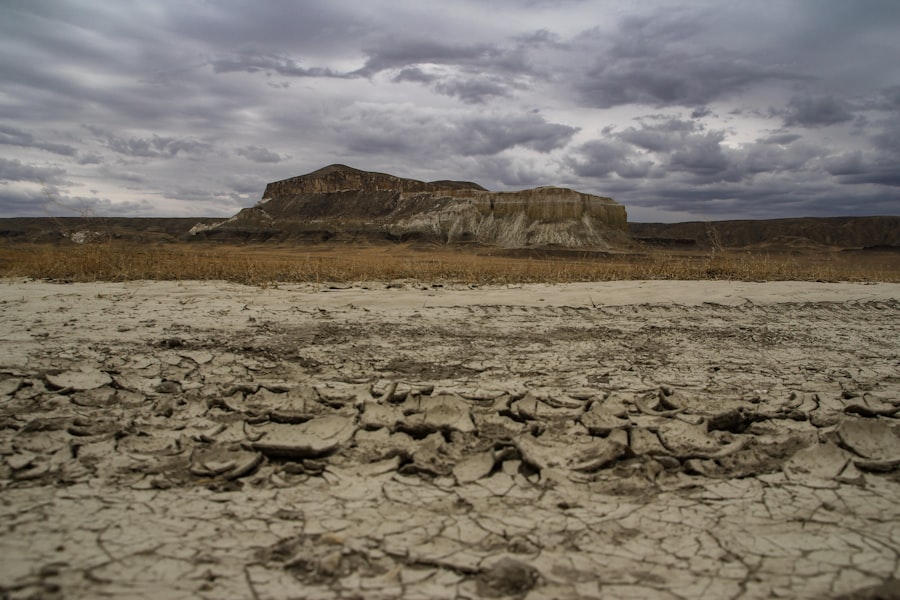
The environmental consequences of sand mining translate directly into a diminished capacity for societies and natural systems to withstand and adapt to the impacts of climate change. This is where the threat to climate resilience becomes most apparent.
Weakened Coastal Defenses Against Extreme Weather
As detailed previously, the degradation of coastal ecosystems and the increase in coastal erosion directly undermine our natural defenses against rising sea levels and more frequent and intense storm surges. Communities that once relied on natural buffers are now more exposed.
Increased Vulnerability to Storm Surges and Flooding
With diminished barriers, coastal areas become far more susceptible to being inundated by storm surges. This leads to increased property damage, displacement of populations, and potential loss of life. The economic and social costs of rebuilding after such events are substantial and divert resources that could otherwise be used for adaptation strategies.
Loss of Natural Barriers Against Tsunamis
While less directly linked to routine sand mining, the removal of vast quantities of sand from coastal and offshore areas can also, in extreme circumstances, alter the seabed topography in ways that might influence the impact of tsunamis. The removal of protective reef structures or significant changes to underwater slopes, though often a consequence of broader coastal development, can amplify the destructive power of these waves.
Disruptions to Water Security and Food Production
The impacts on freshwater resources directly affect water security for human consumption and agriculture. Reduced groundwater availability and potential contamination are critical issues, especially in regions already facing water stress.
Reduced Agricultural Productivity Due to Water Scarcity
Agriculture is highly dependent on reliable access to freshwater. Water scarcity resulting from sand mining’s impact on groundwater and river flows can lead to reduced crop yields, increased irrigation costs, and ultimately, food insecurity. This directly weakens a society’s ability to cope with climate-induced agricultural disruptions.
Salinization of Agricultural Lands
In coastal areas, saltwater intrusion into freshwater aquifers due to reduced groundwater levels and altered flow patterns can lead to the salinization of agricultural lands. This renders the land infertile, impacting food production and the livelihoods of farming communities.
Economic Strain and Resource Scarcity
The long-term economic consequences of degraded environments due to sand mining are substantial. The cost of artificial coastal defenses, rebuilding damaged infrastructure, and addressing water scarcity far outweighs the short-term economic gains from sand extraction.
Increased Costs of Artificial Infrastructure and Disaster Relief
As natural defenses degrade, societies are forced to invest heavily in expensive, often less effective artificial solutions like seawalls and breakwaters. Furthermore, the increased frequency and severity of climate-related disasters necessitate greater expenditure on disaster relief and recovery, straining national and local budgets.
Depletion of a Finite Resource and Future Development Constraints
Sand is not an infinitely renewable resource. The unsustainable rate of extraction means that commercially viable sand deposits are becoming depleted. This scarcity will inevitably lead to increased extraction costs, further impacting the affordability of construction and potentially hindering future development, particularly in regions reliant on imported sand.
Regulation, Alternatives, and Sustainable Practices

Addressing the threat posed by sand mining to climate resilience requires a multi-pronged approach involving robust regulation, the exploration of sustainable alternatives, and a fundamental shift towards responsible resource management.
Strengthening Legal and Regulatory Frameworks
Effective regulation is crucial to curb unsustainable sand mining practices. This involves developing and enforcing clear laws and policies that govern sand extraction.
Licensing and Permitting Processes
Implementing strict licensing and permitting processes for sand mining operations is essential. These processes should include rigorous environmental impact assessments, public consultation, and consideration of cumulative impacts on ecosystems and communities.
Enforcement and Monitoring Mechanisms
Ensuring compliance with regulations requires robust enforcement mechanisms. This includes regular monitoring of mining sites, penalties for violations, and mechanisms for reporting and addressing illegal mining activities.
International Cooperation and Agreements
Given the transboundary nature of sand resources and trade, international cooperation and agreements are vital. Establishing shared standards and collaborative approaches can help manage resources more sustainably and prevent the exploitation of one nation’s sand resources at the expense of another’s environmental well-being.
Exploring and Promoting Sustainable Alternatives
Reducing reliance on virgin sand extraction necessitates the exploration and widespread adoption of alternative materials and practices.
Use of Recycled Construction and Demolition Waste
The construction industry generates enormous amounts of waste. Implementing effective systems for collecting, processing, and recycling construction and demolition waste can provide a significant source of aggregates, reducing the demand for virgin sand. This includes crushing concrete and using crushed brick as a substitute for sand.
Utilization of Manufactured Aggregates
Manufactured aggregates, such as crushed stone and slag from industrial processes, can serve as viable alternatives to natural sand in many construction applications. Research and development in this area can optimize their properties and broaden their use cases.
Innovative Building Materials and Techniques
Encouraging innovation in building materials and techniques can also reduce the overall demand for sand. This includes exploring low-carbon concrete mixtures that use less cement and aggregate, or employing construction methods that require fewer materials overall.
Sustainable Mining and Restoration Practices
Where sand extraction is deemed necessary, adopting sustainable practices and investing in rehabilitation is critical.
Minimizing Environmental Impact During Extraction
Implementing techniques that minimize disruption to the surrounding environment is crucial. This includes careful site planning, limiting extraction areas, and employing less destructive extraction methods.
Post-Extraction Site Restoration and Rehabilitation
After mining operations cease, thorough site restoration and rehabilitation are essential. This involves re-contouring land, replanting vegetation, and restoring as much of the original ecological function as possible. This can help to mitigate long-term environmental damage and improve the potential for the land to adapt to changing climate conditions.
Sand mining has significant implications for climate change resilience, as the extraction of sand can lead to habitat destruction and increased vulnerability to natural disasters. A related article discusses how sustainable sand mining practices can help mitigate these effects and promote environmental restoration. For more insights on this topic, you can read the article here. By understanding the balance between resource extraction and ecological preservation, communities can better prepare for the challenges posed by a changing climate.
The Interconnectedness of Sand, Climate, and Human Well-being
| Location | Sand Mining Volume (tons/year) | Impact on Climate Change Resilience |
|---|---|---|
| River A | 500,000 | Decreased riverbank stability, increased erosion |
| Coastal Area B | 300,000 | Loss of natural coastal protection, increased vulnerability to storms |
| Lake C | 200,000 | Disruption of aquatic ecosystems, loss of habitat for fish and other species |
The issue of sand mining is not an isolated environmental concern; it is deeply intertwined with the broader challenges of climate change and human well-being. Addressing this threat requires a holistic understanding of these interconnected systems.
The Economic and Social Costs of Inaction
The economic and social consequences of failing to address unsustainable sand mining are immense. The cost of disaster relief, rebuilding infrastructure, and managing water scarcity will continue to rise if current trends persist. These costs disproportionately affect vulnerable communities, exacerbating existing inequalities.
Vulnerable Communities and Environmental Justice
Coastal communities, particularly those in low-lying island nations and developing countries, are often the most vulnerable to the impacts of coastal erosion and rising sea levels. These communities often have the least responsibility for causing climate change but bear its brunt. Unsustainable sand mining practices can further disempower and displace these populations, raising critical issues of environmental justice.
Long-Term Economic Viability and Resource Security
The depletion of sand resources will have long-term economic implications. The construction industry, a major economic driver, will face escalating costs and potential supply shortages. Ensuring resource security for future generations requires a proactive and sustainable approach to managing sand resources.
The Need for a Paradigm Shift in Resource Consumption
Ultimately, tackling the threat of sand mining to climate resilience demands a fundamental shift in our approach to resource consumption. This involves recognizing the finite nature of natural resources and prioritizing sustainability over short-term economic gains.
Rethinking Development Models
Current development models often prioritize rapid economic growth through extensive construction, without adequately accounting for the environmental costs. A paradigm shift is needed to embrace development models that are more resource-efficient, circular, and resilient to climate change.
Consumer and Citizen Awareness
Raising public awareness about the hidden environmental costs of sand mining can drive demand for more sustainable practices and products. Informed consumers and engaged citizens can advocate for stronger regulations and support businesses that prioritize environmental responsibility.
In conclusion, the relentless extraction of sand, driven by global economic imperatives, represents a significant and underappreciated threat to our collective ability to adapt to a changing climate. The degradation of coastal ecosystems, the depletion of freshwater resources, and the contribution to greenhouse gas emissions all directly undermine climate resilience. Addressing this complex challenge requires a concerted effort from governments, industries, and individuals to strengthen regulations, promote sustainable alternatives, and foster a deeper understanding of the interconnectedness between planetary health and human prosperity.
FAQs
What is sand mining?
Sand mining is the extraction of sand from beaches, rivers, and ocean beds for use in construction, manufacturing, and other industries. It is a major global industry that has significant environmental and social impacts.
How does sand mining impact climate change resilience?
Sand mining can lead to erosion of coastlines and riverbeds, which reduces the natural protection they provide against storm surges and flooding. This can make coastal communities more vulnerable to the impacts of climate change, such as sea level rise and extreme weather events.
What are the environmental impacts of sand mining?
Sand mining can lead to habitat destruction, loss of biodiversity, and disruption of ecosystems. It can also contribute to water and air pollution, and the depletion of groundwater resources. These impacts can have long-term consequences for the environment and the communities that depend on it.
What are some sustainable alternatives to sand mining?
There are several sustainable alternatives to traditional sand mining, including the use of recycled and alternative materials in construction, such as recycled concrete and glass. Additionally, there are efforts to develop technologies for the sustainable extraction of sand from alternative sources, such as deserts and quarries.
What are some strategies for building climate change resilience in the face of sand mining?
Strategies for building climate change resilience in the face of sand mining include implementing regulations and policies to manage and mitigate the impacts of sand mining, promoting sustainable alternatives, and investing in coastal and riverine protection measures, such as mangrove restoration and beach nourishment projects.