
You’re standing on the deck of a container ship, the salt spray stinging your face. The vast expanse of the ocean stretches out before you, an endless blue highway. But beneath this romantic facade lies a complex system of international finance that allows companies to operate with remarkable financial discretion. You’re sailing under a Flag of Convenience (FoC), a decision that, while seemingly innocuous, is deeply intertwined with the practice of tax dodging.
When you think about a ship, you might picture it flying the flag of its home country – the United States, Japan, or perhaps Germany. However, a significant portion of the global shipping fleet operates under flags of nations that are not their actual place of business or ownership. This is the essence of a Flag of Convenience.
Defining the Convenience
At its core, a Flag of Convenience is a maritime registry of a vessel in a sovereign state different from that of the vessel’s owner. Instead of registering their ship in their home country where they conduct business, owners choose to register it in a nation that offers a more favorable regulatory and fiscal environment.
Key Characteristics of FoC Registries
These registries are characterized by several key features that make them attractive to shipowners:
Lower Operating Costs
One of the primary drivers for choosing an FoC is the significant reduction in operating expenses.
Crewing and Labor Laws
Many FoC states have less stringent regulations regarding the nationality, wages, and working conditions of crew members. This often translates to lower labor costs compared to countries with strong seafarer protection laws. You might find yourself working alongside individuals from countries where wages are considerably lower, a direct consequence of this regulatory difference.
Tax Regimes
This is where the connection to “tax dodging” becomes most pronounced. FoC countries typically offer minimal or no taxation on the profits generated by vessels registered under their flags, regardless of where those profits are earned or where the owning company is headquartered.
Relaxed Regulations
Beyond financial incentives, FoC registries often boast a more lenient approach to vessel safety, environmental standards, and manning levels.
Safety Standards
While international conventions provide a baseline, the enforcement and oversight of these standards can vary significantly. This can lead to situations where vessels are less rigorously inspected or where safety lapses might be overlooked more readily.
Environmental Compliance
Similar to safety, environmental regulations can be less stringently applied or enforced in some FoC jurisdictions, creating a potential loophole for companies seeking to minimize their environmental footprint – or their costs associated with it.
Common FoC Jurisdictions
Several nations have built substantial maritime registries by offering these convenient flags. You’ll frequently hear about:
Panama
Panama is a long-standing leader in the FoC market, boasting a massive registry. Its accessibility and established infrastructure make it a popular choice.
Liberia
Another major player, Liberia’s registry is often associated with large international shipping conglomerates.
Marshall Islands
The Marshall Islands have emerged as a prominent FoC jurisdiction in recent decades, attracting a substantial portion of the global fleet.
Cyprus
Though an EU member, Cyprus also operates as an FoC, offering competitive registration.
Flags of convenience have become a popular strategy for shipping companies looking to minimize their tax liabilities and regulatory burdens. By registering their vessels under the flags of countries with lenient tax laws, these companies can effectively dodge taxes that would otherwise be imposed in their home countries. This practice not only raises questions about the fairness of international shipping regulations but also has significant implications for labor standards and environmental protections. For more insights into this topic and related issues, you can read the article at Hey Did You Know This.
The Art of Tax Avoidance: How FoCs Facilitate Dodging
The primary allure of Flags of Convenience for many companies is the opportunity to minimize their tax liabilities. This isn’t about outright tax evasion, which is illegal. Instead, it’s about exploiting legal loopholes and international tax regulations to shift profits to low-tax jurisdictions.
Shifting Profits to Offshore Entities
The mechanism by which FoCs facilitate tax avoidance is often through the creation of complex corporate structures.
Shell Companies and Special Purpose Vehicles (SPVs)
Owning companies, often headquartered in high-tax countries, will establish a web of subsidiary companies in tax havens or low-tax jurisdictions. These “shell companies” or Special Purpose Vehicles are established to own the vessels.
Management Fees and Royalties
These offshore entities are then used to extract profits from the operating company. This can be done through various intercompany transactions, such as charging exorbitant “management fees” for services supposedly rendered by the offshore subsidiary to the operating company. You, as a crew member, might be employed by an agency in a low-wage country, and the fees paid to this agency are then channeled through a network of companies that ultimately benefit tax-free.
Licensing and Intellectual Property
Similarly, payments for “intellectual property” or “licenses” can be structured to flow to the offshore entities, further reducing the taxable profit in the high-tax jurisdiction where the main business operations are.
The “Flag State” as a Legal Facade
The FoC itself acts as a crucial element in this tax strategy. By registering the ship under an FoC, the vessel is legally considered to be operating under the jurisdiction of that country.
No Global Taxation on Foreign-Sourced Income
Many FoC countries do not tax the income generated by ships flagged with them, especially if that income is earned from activities outside of their territorial waters.
Substance Over Form
The challenge for tax authorities in high-tax countries is proving that the “substance” of the business and profit generation lies within their jurisdiction, not in the tax haven where the profits are being funneled. The legal ownership of the ship, vested in an offshore entity and flying an FoC, creates a strong legal argument for the profits to be taxed elsewhere, or not at all.
The Impact on National Budgets
This sophisticated system of profit shifting has a significant impact on the tax revenues of countries where the shipping companies are actually based and where the ultimate owners reside.
Erosion of Tax Bases
Nations that rely on corporate taxes for public services find their tax bases eroded as profits are siphoned away to destinations with minimal or no corporate tax.
Unequal Playing Field
Companies that opt for FoCs gain a significant cost advantage over their competitors who operate legitimately within their home country’s tax system. This can distort competition and disadvantage businesses that adhere to stricter tax compliance.
The Regulatory Maze: Exploiting International Law
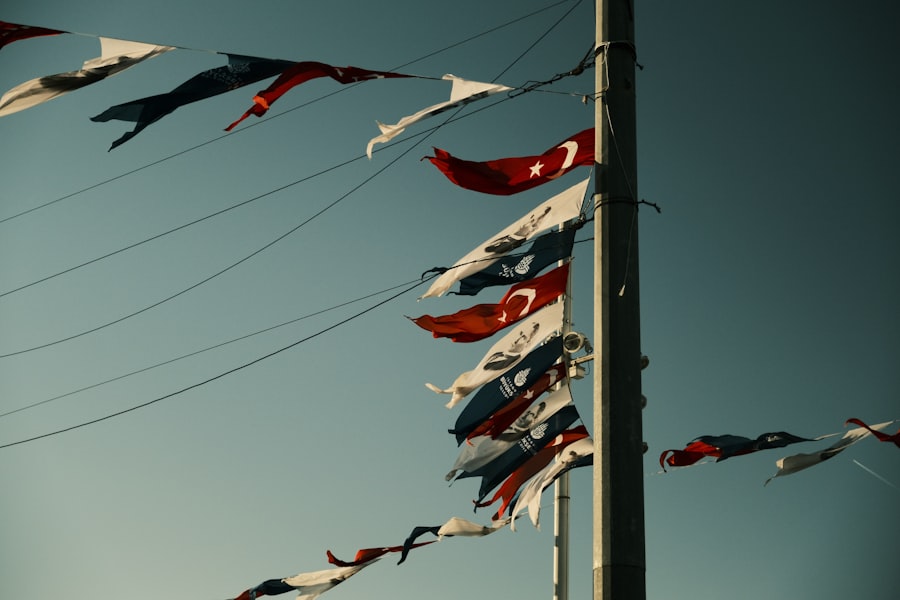
The international nature of shipping, coupled with differing national legal frameworks, creates a fertile ground for the exploitation of regulatory loopholes. Flags of Convenience thrive in this complex legal environment.
The Principle of Flag State Jurisdiction
International maritime law is largely based on the principle of “flag state jurisdiction.” This means that the country whose flag a ship flies is primarily responsible for its regulation, administration, and oversight.
Responsibilities of the Flag State
This responsibility includes ensuring compliance with international conventions on safety, pollution, and labor. However, as previously mentioned, the enforcement capacity and willingness of FoC states to fulfill these responsibilities can vary.
Shipowner’s Choice, Regulator’s Challenge
The shipowner’s ability to choose their flag state allows them to select a jurisdiction that best suits their operational and fiscal objectives, often placing a significant burden on the tax authorities of the “real” economic actors’ home countries.
The Role of International Maritime Conventions
While international conventions aim to standardize maritime practices, their effectiveness is often hampered by inconsistent implementation and enforcement by individual flag states.
SOLAS, MARPOL, and MLC Frameworks
Conventions such as the International Convention for the Safety of Life at Sea (SOLAS), the International Convention for the Prevention of Pollution from Ships (MARPOL), and the Maritime Labour Convention (MLC) provide essential guidelines.
Enforcement Gaps
However, the effectiveness of these conventions relies heavily on the diligence of each flag state in inspecting vessels, certifying compliance, and investigating any breaches. FoC states, often lacking the resources or the political will, can create enforcement gaps that shipowners can exploit.
Port State Control as a Check
Port State Control (PSC) offers a crucial layer of oversight, allowing the authorities of a country where a ship docks to inspect it for compliance with international regulations.
Limitations of PSC
While PSC is a vital tool, it is reactive. It can identify problems but cannot prevent them from occurring in the first place. Furthermore, the frequency and rigor of PSC inspections can also vary between different port states.
The Shadow of Tax Hiding
The inherent ambiguity and the deliberate structuring of ownership through offshore entities can make it incredibly difficult for tax authorities to pierce the corporate veil and ascertain the true beneficial owner and the location of profit generation.
Transfer Pricing Manipulation
A key tactic involves the manipulation of “transfer prices” – the prices at which goods or services are exchanged between different parts of the same multinational enterprise. By inflating prices for services from offshore entities, profits are shifted to low-tax jurisdictions.
Lack of Transparency
The opaque nature of many offshore registries and the limited information sharing between governments create a breeding ground for such practices, making it a silent form of tax cheating at sea.
The Human Cost: Impact on Seafarers and Fairness

While the financial implications of Flags of Convenience and tax dodging are significant for governments and fair competition, the human cost can be profound, particularly for the seafarers who form the backbone of the shipping industry.
Exploitation of Labor Laws
As touched upon earlier, the attraction of lower operating costs under FoC often translates directly into reduced labor costs.
Lower Wages and Benefits
Seafarers on FoC-registered vessels are frequently paid wages significantly below those mandated in developed nations. They may also receive fewer benefits, such as inadequate sick leave, no pension contributions, and limited vacation time.
Substandard Working Conditions
Beyond wages, working conditions can also be compromised. This might include longer working hours than legally permissible, overcrowded accommodations, and insufficient food or medical supplies. The pressure to cut costs can lead to neglect in these essential areas.
Weakened Unions and Collective Bargaining Power
The diverse nationalities of crews on FoC vessels, coupled with the ease with which shipowners can circumvent national labor laws, can significantly weaken the power of seafarer unions.
Difficulty in Organizing
Organizing a cohesive movement for better conditions becomes challenging when crew members are from different countries with varying legal protections and are contracted through multiple crewing agencies.
The Illusion of Choice for Seafarers
While seafarers may have the “choice” to work on these ships, it’s often a choice born out of economic necessity. They may be seeking employment in regions with high unemployment, and the prospect of any job, even a precarious one, is preferable to none.
The Ethical Dilemma for Responsible Companies
Companies that choose to operate with full tax compliance and adhere to robust labor standards find themselves at a disadvantage.
Unfair Competition
They are competing against those who are effectively subsidizing their operations by minimizing their tax contributions and potentially exploiting labor. This creates an uneven playing field that can stifle ethical business practices.
The Pressure to Compromise
The relentless pressure to remain competitive can, for some companies, create a temptation to explore the benefits of FoCs, even if it means compromising on their own ethical standards.
Flags of convenience have become a popular strategy for shipowners looking to minimize operational costs, particularly by evading taxes and regulatory scrutiny. By registering their vessels under the flags of countries with lenient tax laws, these owners can significantly reduce their financial burdens. This practice not only affects the maritime industry but also raises questions about the implications for global trade and labor standards. For a deeper understanding of this issue, you can read more in this insightful article here.
The Argument for Reform: Towards Transparency and Fairness
| Country | Number of Ships | Tax Avoidance |
|---|---|---|
| Panama | 8,516 | Allows ships to operate without paying taxes in their home country |
| Liberia | 3,261 | Enables ships to avoid taxes and regulations in their home country |
| Marshall Islands | 2,771 | Provides tax benefits and allows ships to avoid certain regulations |
The pervasive use of Flags of Convenience for tax dodging has led to increasing calls for reform from international organizations, governments, and labor unions. The desire is for a more transparent and equitable global shipping industry.
International Efforts to Increase Transparency
Several initiatives are underway to shed light on the opaque ownership structures of vessels.
Beneficial Ownership Registries
There is a growing movement to establish public registries of beneficial owners of ships. This would make it harder for individuals or entities to hide behind shell companies.
Enhanced Information Sharing
Governments are working towards better information sharing regarding corporate ownership and financial transactions, aiming to close the loopholes that facilitate tax avoidance.
Strengthening Flag State Accountability
There is a recognized need to hold flag states more accountable for the responsibilities they undertake.
Stricter Oversight and Enforcement
This includes calls for more rigorous inspections, greater transparency in reporting, and stronger penalties for non-compliance.
International Pressure on Non-Compliant States
International bodies are exploring ways to exert pressure on states that are perceived as not adequately fulfilling their flag state obligations.
Rethinking Tax Treaties and Corporate Taxation
The efficacy of current international tax frameworks is also under scrutiny.
Addressing Base Erosion and Profit Shifting (BEPS)
Initiatives like the OECD’s BEPS project aim to tackle the strategies multinational enterprises use to shift profits to low-tax jurisdictions.
Global Minimum Corporate Tax
The concept of a global minimum corporate tax is being discussed as a way to level the playing field and ensure that all companies, regardless of where they are registered or where they operate, pay a fair share of taxes.
The Role of Consumer and Investor Pressure
Ultimately, pressure from conscious consumers and ethically minded investors can also drive change.
Demanding Ethical Supply Chains
As consumers become more aware of the human and environmental costs associated with their purchases, there’s a growing demand for ethically sourced and responsibly transported goods.
Socially Responsible Investment (SRI)
Investors are increasingly looking to align their portfolios with companies that demonstrate strong environmental, social, and governance (ESG) practices. Companies that rely heavily on FoCs for tax dodging may find themselves facing greater scrutiny from this segment of the investment community.
The Future of Maritime Trade: Navigating Towards Accountability
The practice of sailing under Flags of Convenience for the purpose of tax dodging is a complex issue with far-reaching consequences. While it may offer short-term financial advantages to some, it undermines global tax fairness, weakens seafarer protections, and creates an uneven playing field for businesses.
The Inherent Tension: Profit vs. Responsibility
The shipping industry operates on razor-thin margins, and the allure of cost savings through FoCs is understandable. However, this pursuit of profit cannot come at the expense of legal and ethical responsibilities.
The Need for a Collective Approach
Addressing this issue requires a concerted effort from all stakeholders: governments to enact and enforce robust regulations, international organizations to facilitate cooperation, and companies to embrace transparency and fair practices.
Your Role in the Global Maritime Ecosystem
As a participant in this industry, whether as a seafarer, a consumer of goods transported by sea, or an observer, understanding the implications of Flags of Convenience is crucial. The choices made in registries and tax havens have a tangible impact on the world you inhabit.
The Ongoing Battle for Fair Play
The journey towards a more equitable and transparent maritime industry is ongoing. The strategies used to dodge taxes at sea are constantly evolving, requiring vigilance and adaptation from those who seek to ensure fair play.
Striving for a Balanced Horizon
The ultimate goal is a maritime world where efficiency and profitability do not necessitate the exploitation of loopholes or the disregard for social responsibility. It’s a horizon that demands a fundamental shift in how profits are generated, reported, and taxed.
FAQs
What are flags of convenience for ships?
Flags of convenience refer to the practice of registering a ship in a country different from the ship owner’s country of origin. This allows ship owners to take advantage of the regulations and tax laws of the flag state, often resulting in lower taxes and less stringent regulations.
How do flags of convenience allow ships to dodge taxes?
Ships registered under flags of convenience can benefit from lower taxes and fees, as well as less stringent regulations on labor and environmental standards. This can result in significant cost savings for ship owners, allowing them to dodge taxes and operate more competitively in the global shipping industry.
Which countries are commonly used for flags of convenience?
Countries commonly used for flags of convenience include Panama, Liberia, and the Marshall Islands. These countries offer favorable tax and regulatory environments for ship owners, making them popular choices for ship registration.
What are the potential drawbacks of flags of convenience for ships?
While flags of convenience can provide cost savings for ship owners, they can also lead to lower labor and environmental standards, as well as reduced safety regulations. This can result in negative impacts on workers, the environment, and overall maritime safety.
What is being done to address the issues related to flags of convenience?
Efforts are being made at the international level to address the issues related to flags of convenience, including calls for stricter regulations and enforcement of labor, environmental, and safety standards. Additionally, some countries and organizations are advocating for greater transparency and accountability in the shipping industry to mitigate the negative impacts of flags of convenience.