
Applying antiperspirant at night is a common practice recommended by dermatologists and product manufacturers. This strategy optimizes the antiperspirant’s efficacy by allowing its active ingredients to work undisturbed, leading to a more significant reduction in sweat production during waking hours. Understanding the science behind nighttime application, the appropriate techniques, and common pitfalls can help individuals maximize the benefits of their antiperspirant regimen.
The perceived effectiveness of antiperspirants is directly linked to the timing and method of application. While many individuals apply antiperspirant in the morning as part of their daily hygiene routine, research and product instructions consistently advocate for nighttime use. This recommendation is rooted in the physiological processes of the human body, particularly the patterns of sweat production.
Reduced Sweat Production During Sleep
During sleep, the body’s metabolic rate decreases, leading to a significant reduction in overall sweat production. This period of minimal perspiration provides an ideal environment for antiperspirant active ingredients to penetrate the sweat ducts effectively. Think of it like trying to paint a wall while it’s raining versus painting it on a dry day; the latter allows the paint to adhere and set properly.
The Role of Aluminum Salts
The primary active ingredients in most antiperspirants are aluminum salts, such as aluminum chloride or aluminum zirconium tetrachlorohydrex gly. These compounds work by forming temporary plugs within the sweat ducts, thereby blocking the release of sweat to the skin’s surface. For these plugs to form effectively, they need time to interact with the moisture within the sweat ducts and consolidate. Applying antiperspirant when sweat glands are less active allows these salts to reach deeper into the ducts and establish a more robust barrier. If applied to actively sweating skin, the aluminum salts can be washed away before they have a chance to form these plugs, leading to diminished effectiveness.
Time for Absorption and Plug Formation
The process of aluminum salts forming a plug is not instantaneous. It requires several hours for the compounds to fully penetrate the skin, react with sweat proteins, and create a physical barrier. Applying antiperspirant in the evening provides this crucial window of time, typically 6-8 hours, during which the body is at rest and sweat production is minimal. This allows the active ingredients to achieve maximum penetration and form stable plugs, optimizing their sweat-blocking capabilities for the following day. When you wake up, you can wash or shower, and the plugs will generally remain intact, continuing to provide protection.
For those looking to enhance their nighttime routine, understanding how to apply antiperspirant safely at night is crucial for optimal effectiveness. A related article that provides valuable insights on this topic can be found at Hey Did You Know This. This resource offers tips on the best practices for application, ensuring that you maximize the benefits of your antiperspirant while minimizing any potential skin irritation.
Preparing the Skin for Optimal Application
Proper skin preparation is paramount to maximizing the effectiveness of nighttime antiperspirant application. Just as you wouldn’t apply paint to a dirty or greasy surface, you shouldn’t apply antiperspirant to skin that hasn’t been adequately prepared. This ensures that the active ingredients can make direct contact with the skin and efficiently penetrate the sweat ducts.
Clean and Dry Skin
The golden rule for antiperspirant application is to apply it to clean and completely dry skin. Residue from previous products, oils, or even a thin film of moisture can create a barrier, hindering the absorption of the active ingredients. Imagine trying to seal a leaky pipe with tape over a wet surface; the tape won’t adhere properly. Similarly, antiperspirant applied to damp skin will not create an effective plug.
Washing the Application Area
Before applying antiperspirant, thoroughly wash the area (most commonly the underarms) with mild soap and water. This removes existing sweat, dirt, dead skin cells, and any lingering deodorant or antiperspirant residue. Using a gentle cleanser is important to avoid irritating the skin, especially if you have sensitive skin. Hot water can open pores, but ensure the skin is cool again before application.
Ensuring Complete Dryness
After washing, it is critical to ensure the skin is completely dry. Pat the area gently with a clean towel. Some individuals find it beneficial to wait several minutes, or even use a hairdryer on a cool setting, to ensure there is absolutely no moisture remaining. Any residual dampness can dilute the antiperspirant and prevent the aluminum salts from forming effective plugs.
Avoiding Irritants and Freshly Shaved Skin
The skin under the arms is often sensitive, and certain practices can increase its susceptibility to irritation from antiperspirant. Being mindful of these factors can enhance comfort and product efficacy.
Shaving Timing
Shaving can cause micro-abrasions on the skin’s surface, making it more permeable and susceptible to irritation when antiperspirant is applied immediately afterward. It is generally recommended to shave in the morning and apply antiperspirant at night, or to allow several hours (at least 6-8) between shaving and antiperspirant application. This gives the skin time to recover and reduces the likelihood of stinging, redness, or itching. Think of it as letting a wound scab over before applying a strong ointment.
Discontinuing Irritating Products
If you experience consistent irritation, consider temporarily discontinuing other skincare products that contain active ingredients like alpha-hydroxy acids (AHAs), beta-hydroxy acids (BHAs), or retinoids in the application area. These ingredients can increase skin sensitivity, especially when combined with antiperspirant. Simplify your routine to identify potential culprits.
Proper Application Techniques
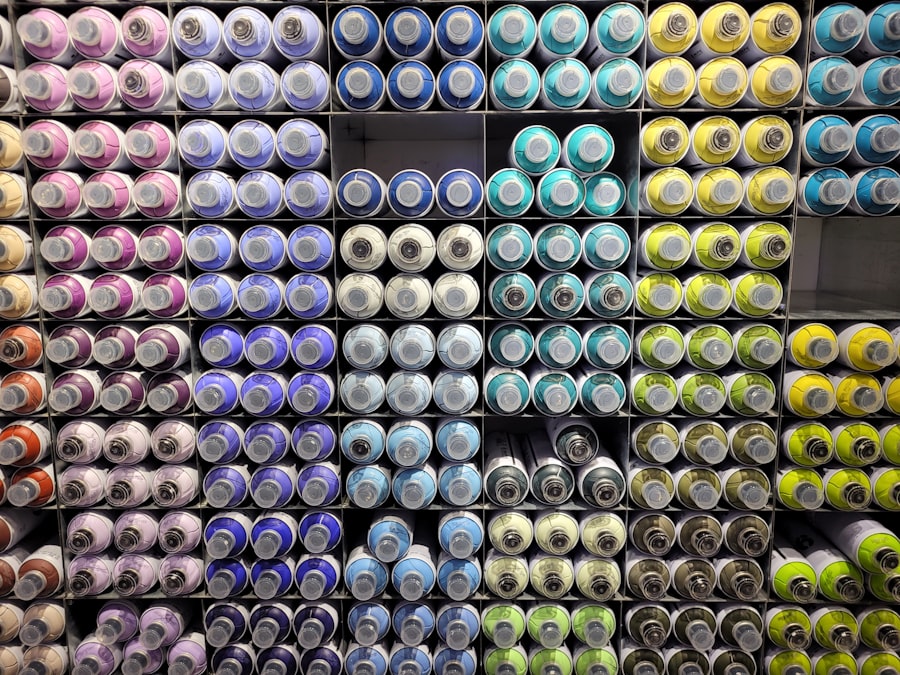
The method of application, while seemingly straightforward, plays a significant role in determining the antiperspirant’s effectiveness and your comfort. Different product formulations require slightly different approaches.
Dosage and Coverage
Applying the correct amount of antiperspirant is crucial. More is not always better, and too little may not provide adequate protection. The goal is even, comprehensive coverage without oversaturation.
Roll-On and Stick Formulations
For roll-on and stick antiperspirants, apply a thin, even layer to the entire underarm area. Typically, two to three swipes are sufficient. Ensure that the active ingredients cover all sweat-producing regions. Avoid applying so much that the product feels excessively wet or sticky, as this can lead to discomfort and potential transfer to bedding. The aim is a uniform film that delivers the active ingredients effectively.
Spray Formulations
When using spray antiperspirants, hold the can approximately 6 inches from the skin and apply a short, even spray for 1-2 seconds. Ensure the entire underarm area is covered without oversaturating the skin. Allow the product to dry completely before putting on clothing or going to bed, as wet sprays can transfer and stain fabrics.
Allowing for Drying Time
Regardless of the formulation, allowing the antiperspirant to dry completely on the skin before coming into contact with clothing or bedding is a critical step often overlooked.
Air Drying Benefits
Air drying allows the solvent (in roll-ons and sprays) or carrier (in sticks) to evaporate, leaving the active ingredients directly on the skin’s surface. This promotes better absorption and reduces the risk of product transfer, which can lead to unsightly stains on fabric. Think of it like letting nail polish dry; rushing the process leads to smudges and compromised results.
Avoiding Clothing Contamination
Antiperspirants can leave yellow or white stains on clothing if they don’t dry properly. These stains are often caused by the interaction of aluminum salts with sweat and fabric fibers. By allowing sufficient drying time, you minimize the risk of product transfer and protect your garments. If you are prone to stains, consider wearing an old t-shirt or waiting shirtless for a few minutes after application.
Troubleshooting Common Issues
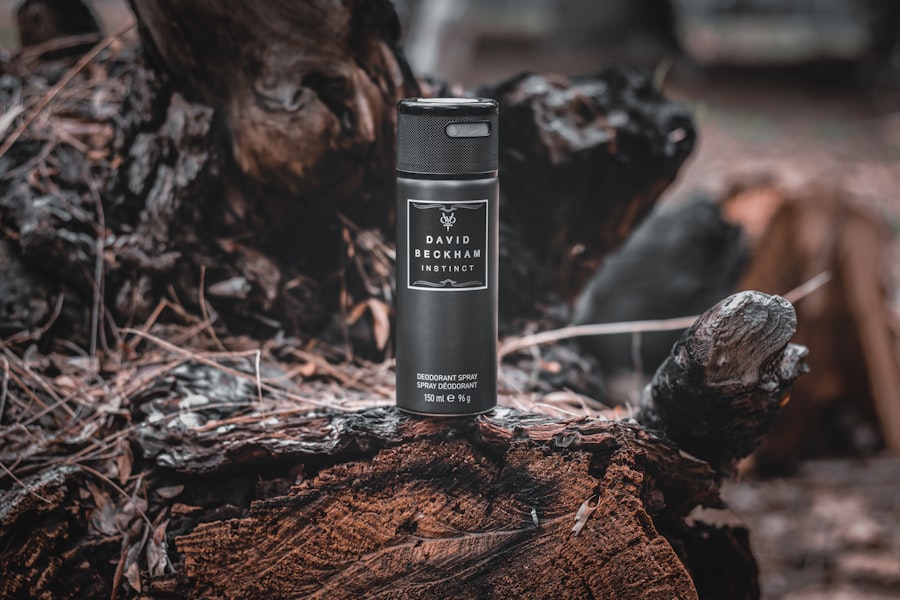
Even with careful application, individuals can sometimes encounter issues with antiperspirant. Understanding these common problems and their solutions can help maintain comfort and effectiveness.
Skin Irritation and Rashes
Skin irritation is a frequent concern, especially for those with sensitive skin or when using stronger antiperspirant formulations.
Identifying the Cause
Irritation can manifest as redness, itching, burning, or a rash. It can be caused by several factors:
- Active Ingredients: Some individuals are sensitive to aluminum salts, particularly at higher concentrations (e.g., in clinical strength antiperspirants).
- Fragrances and Alcohol: These common additives can be significant irritants. Consider switching to fragrance-free and alcohol-free formulations.
- Improper Application: Applying antiperspirant to broken or freshly shaved skin (as discussed earlier) can exacerbate irritation.
- Excessive Use: Over-application or applying more frequently than recommended can also lead to irritation.
Mitigation Strategies
If irritation occurs, first discontinue use for a few days to allow the skin to recover. Once healed, reintroduce the antiperspirant gradually or switch to a milder alternative. Look for products specifically labeled for “sensitive skin.” Applying a soothing, fragrance-free moisturizer during the day (not at the same time as antiperspirant application) can also help maintain skin barrier health. In severe cases, consult a dermatologist, as they may recommend prescription-strength products or identify an underlying skin condition.
Persistent Wetness or Odor
Despite diligent nighttime application, some individuals may still experience persistent wetness or odor. This can be frustrating but often has identifiable causes and solutions.
Reassessing Application Technique
First, review your application technique. Are you applying to thoroughly dry skin? Is there adequate coverage? Are you using enough product (without overdoing it)? Sometimes, a slight tweak in technique can make a significant difference. Ensure you are allowing sufficient drying time before bed.
Considering Product Strength
If standard antiperspirants are insufficient, you might need a higher-strength formulation. Clinical strength or prescription-strength antiperspirants contain a higher concentration of aluminum salts and are designed for individuals with hyperhidrosis (excessive sweating). These products are typically applied less frequently (e.g., a few times a week) and should always be used as directed to minimize irritation. Consult a healthcare professional to discuss these stronger options.
Addressing Body Odor (B.O.)
Remember that antiperspirants reduce sweat, while deodorants mask or neutralize odor. If your primary concern is odor, ensure your antiperspirant also contains deodorant properties, or consider using a separate deodorant in the morning if needed. Body odor is primarily caused by bacteria on the skin breaking down sweat components. Regular washing and antimicrobial products can also help manage odor.
Applying antiperspirant at night can be an effective way to manage sweat and odor, but it’s important to do so safely. For tips on how to apply antiperspirant correctly and maximize its effectiveness, you might find this related article helpful. It covers various techniques and best practices that can enhance your nighttime routine. To learn more, check out this informative piece on antiperspirant application.
Maintaining Effectiveness Over Time
| Step | Action | Reason | Tips |
|---|---|---|---|
| 1 | Apply to clean, dry skin | Ensures better absorption and effectiveness | Shower or wash underarms before application |
| 2 | Apply at night before bed | Allows antiperspirant to work overnight when sweat glands are less active | Wait until skin is completely dry before applying |
| 3 | Use a thin, even layer | Prevents irritation and ensures proper coverage | Do not over-apply; a small amount is sufficient |
| 4 | Allow product to dry completely | Prevents residue and staining on clothes | Wait a few minutes before dressing |
| 5 | Reapply in the morning if needed | Maintains dryness throughout the day | Only if excessive sweating occurs |
| 6 | Avoid applying on broken or irritated skin | Prevents stinging and further irritation | Wait until skin heals before resuming use |
Antiperspirant effectiveness can fluctuate, and consistent application is key to sustained results. Think of it like maintaining a garden; consistent care yields the best blooms.
Consistent Nighttime Application
The most crucial factor in maintaining effectiveness is consistent nighttime application. Skipping nights, especially in the initial phase of using a new antiperspirant, can disrupt the formation of the sweat duct plugs, leading to a resurgence of sweating. Once the antiperspirant has established its effect, many individuals find they can reduce the frequency of application to every other night or even less, depending on their individual needs and the product’s strength. However, if you notice a decrease in efficacy, revert to more frequent application.
Understanding Tolerance and Adaptation
Some individuals report that antiperspirants seem to lose their effectiveness over time, a phenomenon sometimes referred to as “tolerance” or “adaptation.” While the exact scientific mechanism for this is not fully understood, it’s more likely due to a combination of factors:
- Changes in Sweat Gland Activity: Hormonal fluctuations, stress, diet, or environmental changes can subtly alter sweat production, making the current antiperspirant seem less effective.
- Incomplete Plug Formation: If application consistency or technique wavers, the plugs may not form as robustly.
- Perception: Sometimes, once a significant reduction in sweat is achieved, any slight return to normal sweating might be perceived as a complete loss of efficacy.
If you suspect your antiperspirant is no longer working as well, try the following:
- Re-evaluate Application: Ensure you are applying correctly and consistently.
- Switch Products: Try a different brand or a product with a different active aluminum salt (e.g., if you’re using aluminum chloride, try aluminum zirconium). Sometimes, rotating products can be beneficial.
- Consider Clinical Strength: If you haven’t already, escalate to a clinical strength antiperspirant.
- Consult a Professional: For persistent and bothersome sweating, a dermatologist can offer advanced treatments such as prescription topical antiperspirants, oral medications, Botox injections, or even surgical options for hyperhidrosis.
Applying antiperspirant at night is a scientifically backed method to achieve optimal sweat reduction. By understanding the underlying mechanisms, preparing the skin meticulously, mastering application techniques, and troubleshooting common issues, individuals can significantly enhance the efficacy of their antiperspirant, leading to greater comfort and confidence throughout their waking hours. This disciplined approach ensures that the “sweat shield” you build overnight stands strong against the challenges of the day.
WATCH NOW ▶️ WARNING: Why Your Shampoo Is Illegal In Europe
FAQs
Why is it recommended to apply antiperspirant at night?
Applying antiperspirant at night allows the product to work more effectively because sweat glands are less active during sleep. This gives the active ingredients time to form plugs in the sweat ducts, reducing sweat production the next day.
How should I prepare my skin before applying antiperspirant at night?
For best results, apply antiperspirant to clean, dry skin. Shower or wash your underarms thoroughly and ensure they are completely dry before application to help the product absorb properly.
Is it safe to apply antiperspirant every night?
Yes, it is generally safe to apply antiperspirant every night as long as you do not experience irritation or allergic reactions. If you notice redness, itching, or discomfort, consider reducing frequency or switching products.
Can I apply antiperspirant immediately after shaving at night?
It is best to wait at least 24 hours after shaving before applying antiperspirant to avoid irritation. Shaving can cause small cuts or sensitivity, and applying antiperspirant too soon may lead to stinging or rash.
Should I wash off antiperspirant in the morning?
Yes, it is recommended to wash off antiperspirant in the morning during your regular shower routine. This helps remove any residue and keeps the skin clean, while the antiperspirant’s effects continue to reduce sweating throughout the day.