
You are navigating a complex landscape when choosing hair care products. Many formulations, while promising lustrous locks, can harbor ingredients that may be detrimental to your health, particularly an array of preservatives designed to extend shelf life and prevent microbial growth. Your awareness of these compounds is crucial for making informed decisions regarding your personal care regimen. This article serves as a guide to understanding the potential pitfalls of certain preservatives and offers pathways towards safer alternatives. You will gain a deeper understanding of frequently used toxic preservatives, the risks they pose, and practical strategies for selecting products that align with your commitment to safe and effective hair care.
Preservatives are the unsung heroes of product longevity, preventing your shampoo from becoming a petri dish. They are integral to maintaining the safety and efficacy of any water-containing cosmetic product by inhibiting the growth of bacteria, fungi, and yeasts. Without them, products spoil rapidly, potentially causing skin irritation, infections, or rendering the product ineffective. However, not all preservatives are created equal, and some come with a higher risk profile than others. Your goal is to differentiate between the necessary safeguards and the potential toxins that might compromise your well-being.
Why Preservatives Are Necessary
Imagine a bottle of shampoo without preservatives: it would have a shelf life akin to fresh produce, requiring refrigeration and rapid consumption. Preservatives act as biochemical bodyguards, shielding the product from microbial contamination that can occur during manufacturing, packaging, or even daily use when you open the bottle. They ensure that the product reaching your hair is hygienic and stable, preventing degradation of active ingredients and maintaining the intended texture and fragrance.
The Double-Edged Sword of Preservation
While essential, the very mechanisms by which some preservatives exert their antimicrobial action can, in some instances, interact unfavorably with your body. Some operate by disrupting cell membranes, denaturing proteins, or intercalating with DNA – powerful actions that, when misdirected, can trigger sensitivities or contribute to cumulative toxic loads within your system. You must weigh the benefits of product stability against the potential for adverse health effects.
For those interested in safe hair care without toxic preservatives, a great resource is the article available at Hey Did You Know This. This article provides valuable insights into choosing hair care products that prioritize natural ingredients, helping you maintain healthy hair while avoiding harmful chemicals. It emphasizes the importance of understanding product labels and offers tips on how to identify safe alternatives that nourish your hair without compromising your health.
Identifying Common Toxic Preservatives
Your journey to safer hair care begins with knowing what to avoid. Several classes of preservatives have garnered significant attention due to their potential health implications, ranging from allergic reactions to more serious endocrine disruption. You are about to familiarize yourself with some of the most frequently identified culprits.
Formaldehyde-Releasing Preservatives
These compounds don’t contain formaldehyde directly, but rather, they slowly release it over time to inhibit microbial growth. Think of them as time-release capsules for formaldehyde. Examples include Quaternium-15, DMDM hydantoin, imidazolidinyl urea, diazolidinyl urea, and 2-bromo-2-nitropropane-1,3-diol (Bronopol).
Risks Associated with Formaldehyde Release
Formaldehyde itself is a known human carcinogen and a potent allergen. When these preservatives break down, even in minute quantities, they can contribute to skin irritation, contact dermatitis, and allergic reactions. For you, this might manifest as an itchy scalp, redness, or even hair loss in sensitive individuals. The cumulative exposure from multiple products containing these ingredients is a concern that deserves your attention.
Parabens
A widely used class of preservatives, parabens (e.g., methylparaben, ethylparaben, propylparaben, butylparaben) have been a cornerstone of cosmetic formulation for decades due to their efficacy and low cost. They are effective against a broad spectrum of microbes.
Endocrine Disrupting Potential of Parabens
The primary concern surrounding parabens is their ability to mimic estrogen in the body, making them potential endocrine disruptors. Research, primarily in vitro and animal studies, suggests that parabens can interfere with hormone signaling, an effect that raises questions about their long-term impact on reproductive health, development, and even cancer risk. While regulatory bodies generally consider them safe at low concentrations, you, as a discerning consumer, may opt to minimize exposure as a precautionary principle, especially given the widespread presence of parabens across an array of personal care products.
Isothiazolinones
This group includes methylisothiazolinone (MI) and methylchloroisothiazolinone (MCI), often used together in a blend (Kathon CG). They are highly effective broad-spectrum preservatives, meaning they kill a wide range of bacteria and fungi efficiently.
High Allergenic Potential
MI and MCI are notorious for their strong sensitizing properties. They are a leading cause of contact dermatitis in cosmetic products, manifesting as red, itchy, inflamed skin where the product has been applied. The prevalence of allergic reactions led to restrictions on their use in leave-on products in many regions, urging you to be particularly vigilant when encountering them in rinse-off products like shampoos and conditioners where they are still permitted, albeit often at lower concentrations. Your skin’s reaction can be a direct communication about sensitivities to these potent compounds.
Phenoxyethanol
A relatively common preservative, phenoxyethanol is often used as an alternative to parabens and formaldehyde-releasers. It is effective against bacteria, yeast, and mold.
Potential for Irritation and Other Concerns
While generally considered safer than some of its counterparts, phenoxyethanol can still act as an irritant for sensitive individuals, causing skin rashes or eczema. There have also been isolated reports of neurotoxic effects, particularly in infants ingesting products containing it. For you, the cumulative exposure from various products containing phenoxyethanol might become a factor, especially if you have sensitive skin or are using products on young children.
The Case for Preservative-Free Hair Care
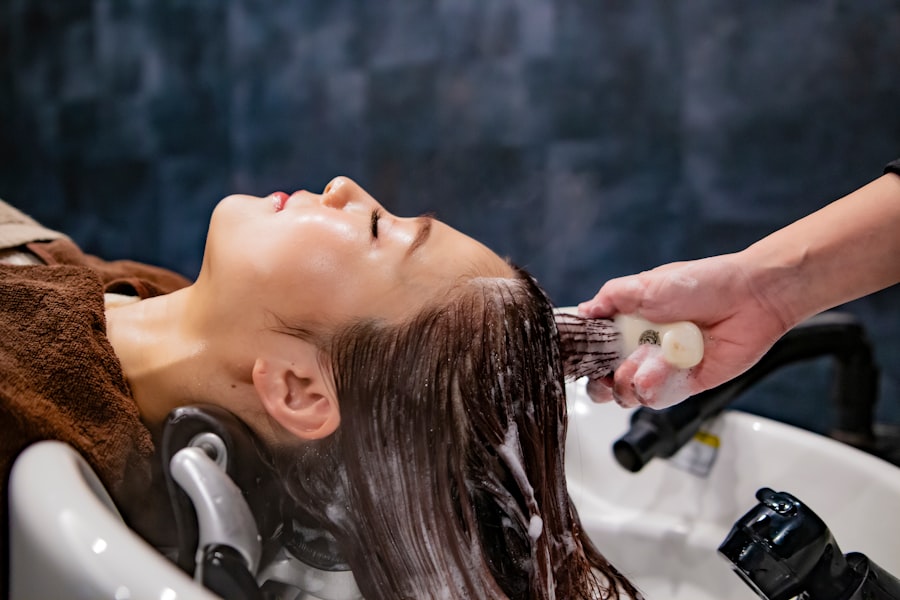
When you consider the potential risks associated with various synthetic preservatives, the idea of preservative-free hair care becomes increasingly appealing. However, “preservative-free” doesn’t necessarily mean zero antimicrobial agents. It often implies a reliance on alternative methods or naturally derived compounds that achieve the same goal with a lower perceived risk profile. Your ultimate goal is safe preservation.
Navigating “Preservative-Free” Claims
Be aware that “preservative-free” on a label can sometimes be a marketing claim that requires careful deciphering. Some products might use self-preserving systems, where the product’s formulation (e.g., extremely high or low pH, high alcohol content, lack of water) inherently discourages microbial growth. Others might employ broad-spectrum antimicrobial agents derived from natural sources, which, while not “synthetic,” still perform a preservative function. Your critical eye is your best tool here.
The Trade-Offs: Shorter Shelf Life and Storage
A truly preservative-free product often comes with a shorter shelf life, requiring you to use it more quickly and potentially store it in a cooler environment. This is a practical consideration you must accept when pursuing minimal chemical exposure. The convenience of a product lasting for years on your shelf is directly tied to the presence of potent preservation systems.
Exploring Safer Alternatives and Natural Preservatives

Fortunately, the beauty industry is evolving, and you now have a wider array of options for hair care products that prioritize gentler preservation methods. These alternatives often leverage the antimicrobial properties of natural extracts or use different strategies to maintain product integrity.
Plant-Based Antimicrobials
Nature offers a rich palette of compounds with antimicrobial properties. Many essential oils, such as tea tree oil, rosemary oil, and peppermint oil, possess inherent antimicrobial and antifungal capabilities.
Benefits of Botanical Extracts
These botanical ingredients not only contribute to preservation but can also offer additional benefits to your hair and scalp, like soothing irritation or stimulating circulation. When you choose products with these ingredients, you are embracing a multi-functional approach. However, even natural extracts can be allergenic for some individuals, requiring you to remain attentive to your body’s reactions.
Organic Acids and Their Salts
Citric acid, lactic acid, benzoic acid, sorbic acid, and their respective salts are commonly used as preservatives. They work by lowering the pH of the product, creating an environment inhospitable to microbial growth.
Gentle and Effective Preservation
These organic acids are generally well-tolerated and are considered safer alternatives to synthetic broad-spectrum preservatives. You might find them listed as sodium benzoate, potassium sorbate, or dehydroacetic acid on ingredient labels. Your familiarity with these will empower you to make quicker, more informed purchasing decisions.
Antioxidants as Shelf-Life Extenders
While not true preservatives in the traditional sense, antioxidants like Vitamin E (tocopherol) and Vitamin C (ascorbic acid) play a crucial role in extending product life by preventing oxidation. Oxidation can lead to rancidity, color changes, and degradation of active ingredients, thereby compromising the product’s overall integrity.
Protecting Product Integrity
By preventing oxidation, antioxidants indirectly contribute to product stability, reducing the need for harsher broad-spectrum preservatives. They act as a shield against reactive oxygen species, helping your products maintain their intended characteristics. Consider them the subtle guardians of your product’s inner workings.
Self-Preserving Formulations
Some products are meticulously formulated to be inherently self-preserving. This can be achieved through various means, such as using high concentrations of alcohol, a very low water content, or an extremely acidic or alkaline pH.
Smart Formulation Strategies
Examples include anhydrous products (without water), such as solid shampoos or hair oils, which inherently resist microbial growth. Products with very high concentrations of humectants or salts can also inhibit water activity, making it difficult for microbes to thrive. When you select such products, you are tapping into a sophisticated approach to product safety that minimizes the reliance on external preservative agents.
When it comes to maintaining healthy hair, choosing products that are free from toxic preservatives is essential for both your hair and overall well-being. For those interested in exploring safe hair care options, a great resource is an article that discusses the benefits of using natural ingredients and avoiding harmful chemicals. You can read more about it in this informative piece on safe hair care practices. By making informed choices, you can ensure that your hair remains vibrant and healthy without compromising your health. Check out the article here: safe hair care practices.
Practical Steps to Choosing Safer Hair Care Products
| Metric | Description | Recommended Range/Value | Notes |
|---|---|---|---|
| Preservative Type | Type of preservative used in hair care products | Natural preservatives (e.g., rosemary extract, grapefruit seed extract) | Avoid synthetic preservatives like parabens, formaldehyde releasers |
| Preservative Concentration | Amount of preservative in product formulation | Typically 0.5% – 1.0% for natural preservatives | Concentration must be effective but non-toxic |
| pH Level | Acidity/alkalinity of hair care product | 4.5 – 5.5 | Maintains scalp health and product stability |
| Microbial Growth | Presence of bacteria, yeast, or mold in product | None detected after 30 days | Ensures product safety and shelf life |
| Allergen Content | Potential allergens in preservatives or ingredients | Minimal or none | Reduces risk of scalp irritation or allergic reactions |
| Product Shelf Life | Duration product remains safe and effective | 6 – 12 months without synthetic preservatives | Depends on packaging and storage conditions |
| Certification | Third-party verification of product safety | Certified organic, cruelty-free, or natural product seals | Indicates compliance with safe hair care standards |
You now possess the foundational knowledge; it’s time to translate that into actionable steps for your shopping habits. Navigating ingredient lists can feel like reading a foreign language, but with a few key strategies, you can become an expert label reader.
Develop Your Ingredient Radar
Your most powerful tool is a discerning eye for ingredient lists. Keep a mental (or physical) list of the preservatives you wish to avoid. Be particularly vigilant for the formaldehyde-releasers, parabens, and isothiazolinones discussed earlier.
Deciphering Ingredient Labels
Ingredients are listed in descending order of concentration. Therefore, if a problematic preservative appears high on the list, its presence is more significant. Learn to identify the common names—the INCI (International Nomenclature of Cosmetic Ingredients) names—used on labels. For instance, rather than “methylchloroisothiazolinone,” you might see “Methylchloroisothiazolinone.”
Explore Certified Organic and Natural Brands
Many brands that commit to organic or natural certifications often adhere to stricter ingredient standards, including the avoidance of synthetic preservatives deemed problematic. Look for certifications from reputable organizations, as these often imply third-party verification of ingredient sourcing and formulation practices.
Third-Party Certifications
Certifications such as USDA Organic, Ecocert, COSMOS Organic, or EWG Verified can provide you with an immediate indication that a product meets certain safety and environmental criteria. While not foolproof, these certifications significantly streamline your selection process, allowing you to trust that someone else has already done much of the ingredient scrutiny for you.
Consider Minimalist Formulations
The fewer ingredients a product contains, the less likely it is to harbor problematic substances. Seek out products with shorter, understandable ingredient lists. Simplicity often correlates with reduced exposure to potential irritants or sensitizers.
Less is More
Think of it as decluttering your hair care routine. When you opt for a product with fewer components, you are minimizing the potential “chemical cocktail” effect on your scalp and hair. This approach can also make it easier to pinpoint specific ingredients if you experience an adverse reaction.
Pay Attention to Product Packaging and Shelf Life
The packaging of a product can also influence its preservation needs. Airless pumps or opaque containers can help protect ingredients from oxidation and contamination, potentially reducing the need for robust synthetic preservatives. Additionally, be mindful of the “period after opening” (PAO) symbol, typically a jar icon with a number followed by ‘M’ (e.g., 6M for 6 months), which indicates how long the product is safe to use after opening.
Storage and Usage Habits
Your own habits play a role. Storing products in a cool, dark place away from direct sunlight and heat can extend their natural shelf life. Using clean hands or dispensing tools to access products, rather than directly touching the contents, can also minimize the introduction of microbes. You are an active participant in maintaining product integrity.
You are now equipped with the knowledge to make more conscious and informed choices about your hair care products. By understanding the role of preservatives, identifying potential toxins, and exploring safer alternatives, you are taking a proactive step towards safeguarding your health and well-being. Your hair care routine can be both effective and devoid of undue chemical exposure. The journey to safer hair care is an ongoing process of learning and adaptation, and you are well on your way.
FAQs
What are toxic preservatives commonly found in hair care products?
Toxic preservatives in hair care products often include parabens, formaldehyde releasers, and certain synthetic fragrances. These chemicals are used to extend shelf life but can cause allergic reactions, skin irritation, or other health concerns.
Why is it important to avoid toxic preservatives in hair care?
Avoiding toxic preservatives helps reduce the risk of scalp irritation, allergic reactions, and potential long-term health effects. Using safer alternatives supports overall hair and scalp health while minimizing exposure to harmful chemicals.
What are some safe alternatives to toxic preservatives in hair care products?
Safe alternatives include natural preservatives like rosemary extract, grapefruit seed extract, vitamin E, and certain essential oils. These ingredients help maintain product freshness without harmful side effects.
How can I identify hair care products without toxic preservatives?
Look for products labeled as “paraben-free,” “formaldehyde-free,” or “preservative-free.” Reading ingredient lists carefully and choosing brands that prioritize natural or organic formulations can also help avoid toxic preservatives.
What are some tips for safe hair care without using products with toxic preservatives?
Use fresh, homemade hair treatments when possible, store products in cool, dry places, and avoid sharing personal hair care items. Additionally, regularly washing hair with gentle, natural shampoos and conditioners can maintain hair health without relying on harsh preservatives.