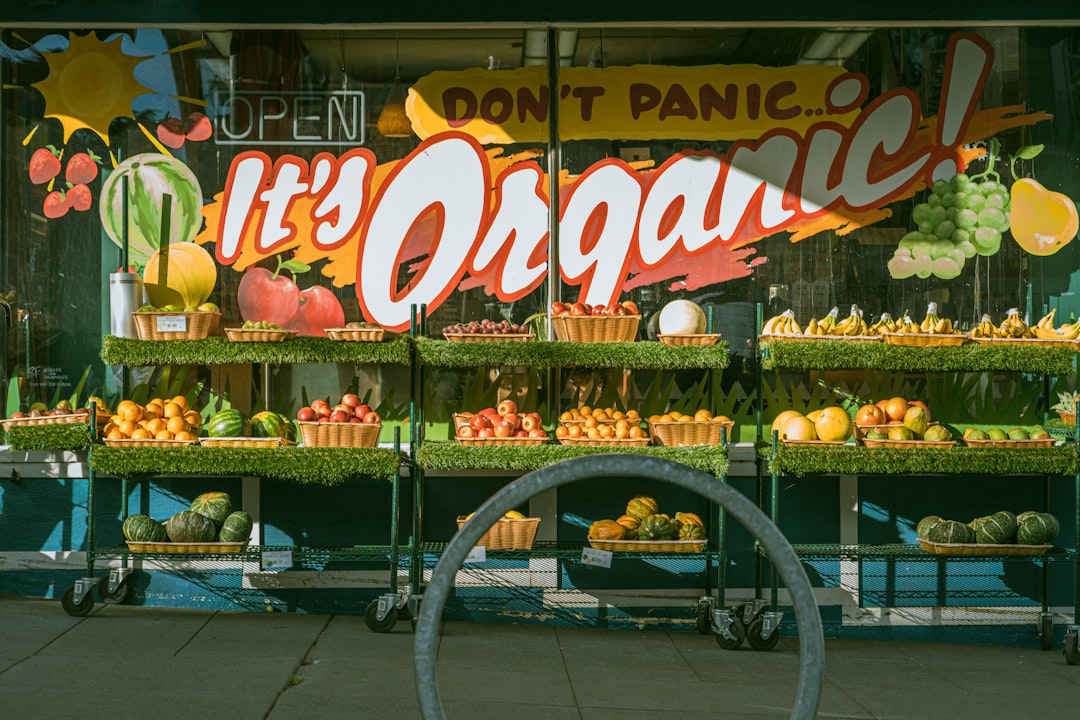
Organic food sanitizers have gained importance as consumer awareness of food safety increases. While organic produce is often perceived as a healthier option, it can still contain harmful bacteria, pesticide residues, and other contaminants that may cause foodborne illness. Organic food sanitizers are formulated using naturally-derived ingredients rather than synthetic chemicals.
These products are designed to remove surface contaminants from fruits and vegetables while maintaining the produce’s organic integrity. Common natural ingredients in these sanitizers include citric acid, vinegar, plant-based surfactants, and essential oils with antimicrobial properties. Research indicates that washing produce with water alone removes only a portion of surface contaminants.
Food sanitizers can provide additional reduction of bacteria, dirt, wax coatings, and some pesticide residues. However, it is important to note that no sanitizer can eliminate all potential contaminants or penetrate deeply into produce. The effectiveness of organic food sanitizers varies depending on the specific formulation, the type of produce, and the nature of contaminants present.
While these products offer an additional safety measure in food preparation, they should be used as part of comprehensive food safety practices that include proper storage, handling, and preparation techniques.
Key Takeaways
- Organic food sanitizers are essential for removing contaminants while preserving food quality and safety.
- Choosing the right sanitizer involves understanding the differences between organic and conventional options.
- Proper usage techniques are crucial to maximize effectiveness and minimize health risks.
- Organic sanitizers offer environmental benefits by reducing chemical residues and pollution.
- DIY organic sanitizer recipes provide safe, cost-effective alternatives for home use.
Common Contaminants in Organic Foods
When you think about organic foods, you might envision pristine farms and chemical-free produce. However, it’s important to recognize that organic does not mean immune to contamination. Common contaminants in organic foods include bacteria such as E.
coli, Salmonella, and Listeria, which can thrive in soil and water. These pathogens can easily find their way onto your fruits and vegetables during the growing process or through improper handling after harvest. Understanding these risks is vital for anyone who prioritizes health and wellness.
In addition to bacteria, organic foods can also be susceptible to pesticide residues, even if they are grown without synthetic chemicals. Natural pesticides, while generally considered safer, can still leave residues that may affect your health over time. Furthermore, cross-contamination can occur during transportation or storage, making it essential for you to take precautions when handling organic produce.
By being aware of these common contaminants, you can better appreciate the role of organic food sanitizers in ensuring the safety of your meals.
The Difference Between Organic and Conventional Food Sanitizers

As you explore the world of food sanitization, you’ll encounter a variety of products designed to keep your food safe. The primary distinction between organic and conventional food sanitizers lies in their ingredients and production methods. Conventional sanitizers often contain synthetic chemicals that may be effective at killing bacteria but can also leave harmful residues on your food.
In contrast, organic food sanitizers are formulated from natural ingredients, such as vinegar, lemon juice, or essential oils, which are less likely to pose health risks. Moreover, the effectiveness of organic sanitizers is often comparable to their conventional counterparts. While some may argue that synthetic options are more potent, many organic formulations have been rigorously tested and proven to eliminate harmful pathogens effectively.
By choosing organic food sanitizers, you not only prioritize your health but also support sustainable agricultural practices that benefit the environment. This choice reflects a growing awareness of the interconnectedness of our health and the health of the planet.
Choosing the Right Organic Food Sanitizer for Your Needs
Selecting the right organic food sanitizer can feel overwhelming given the plethora of options available on the market today. To make an informed decision, consider factors such as the types of produce you typically purchase and any specific concerns you may have regarding contaminants. For instance, if you frequently buy leafy greens or berries, look for a sanitizer specifically designed to address the unique challenges posed by these foods.
Additionally, pay attention to the ingredients listed on the product label. Opt for sanitizers that use simple, recognizable components without unnecessary additives or preservatives. You may also want to consider whether the product is certified organic by a reputable organization, as this can provide an extra layer of assurance regarding its safety and efficacy.
Ultimately, choosing the right organic food sanitizer involves balancing your personal preferences with a commitment to health and sustainability.
How to Properly Use Organic Food Sanitizers
| Sanitizer Type | Active Ingredient | Effectiveness Against Bacteria (%) | Effectiveness Against Viruses (%) | Average Contact Time (minutes) | Common Usage | Environmental Impact |
|---|---|---|---|---|---|---|
| Vinegar-Based Sanitizer | Acetic Acid (5%) | 70 | 30 | 10 | Fruit and vegetable wash | Low |
| Hydrogen Peroxide (Organic Grade) | H2O2 (3%) | 85 | 80 | 5 | Surface and produce sanitizing | Moderate |
| Lemon Juice Sanitizer | Citric Acid | 65 | 25 | 8 | Fruit and vegetable wash | Low |
| Essential Oil Blend | Tea Tree, Eucalyptus Oils | 75 | 50 | 7 | Produce and surface sanitizing | Low |
| Salt Water Solution | Sodium Chloride (2%) | 60 | 20 | 15 | Vegetable wash | Low |
Once you’ve selected an organic food sanitizer that meets your needs, it’s crucial to understand how to use it effectively. Start by thoroughly washing your hands before handling any produce; this simple step can significantly reduce the risk of cross-contamination.
Follow the instructions provided on the product label for optimal results. Some organic sanitizers may require you to soak the produce for a specific amount of time, while others may suggest spraying directly onto the surface. After applying the sanitizer, rinse your produce again with clean water to remove any residual solution.
This step is particularly important for items like berries or leafy greens that may retain moisture. By following these guidelines, you can ensure that your organic food is not only clean but also safe for consumption.
The Benefits of Using Organic Food Sanitizers

The benefits of using organic food sanitizers extend far beyond mere cleanliness; they encompass a holistic approach to health and well-being. One of the most significant advantages is the reduction of harmful pathogens on your food, which can help prevent foodborne illnesses that affect millions each year. By incorporating these sanitizers into your routine, you are taking proactive measures to safeguard your health and that of your loved ones.
In addition to enhancing food safety, organic food sanitizers contribute to a more sustainable lifestyle. By choosing products made from natural ingredients, you support environmentally friendly practices that minimize chemical runoff and pollution. This choice aligns with a growing movement toward conscious consumerism, where individuals prioritize products that are not only good for their health but also beneficial for the planet.
Ultimately, using organic food sanitizers allows you to enjoy peace of mind while making choices that reflect your values.
Potential Risks and Safety Precautions When Using Organic Food Sanitizers
While organic food sanitizers are generally considered safe, it’s essential to be aware of potential risks associated with their use. Some individuals may experience allergic reactions to certain natural ingredients found in these products, such as essential oils or vinegar. To mitigate this risk, always perform a patch test on a small area of skin before using a new sanitizer extensively.
Additionally, it’s crucial to follow safety precautions when using any type of sanitizer. Store your organic food sanitizers in a cool, dry place away from direct sunlight to maintain their efficacy. Always read and adhere to the manufacturer’s instructions regarding usage and storage.
By taking these precautions seriously, you can minimize risks while maximizing the benefits of using organic food sanitizers in your kitchen.
The Environmental Impact of Organic Food Sanitizers
The environmental impact of organic food sanitizers is an important consideration for anyone committed to sustainable living. Unlike conventional sanitizers that may contain harmful chemicals contributing to soil and water pollution, organic options are typically biodegradable and derived from renewable resources. This means that when you use an organic sanitizer, you’re less likely to contribute to environmental degradation.
Moreover, many organic sanitizers are produced by companies that prioritize eco-friendly practices throughout their supply chains. By choosing these products, you support businesses that are dedicated to reducing their carbon footprint and promoting sustainability in agriculture and manufacturing processes. This choice not only benefits your health but also contributes positively to the planet’s well-being.
Regulatory Standards for Organic Food Sanitizers
Understanding regulatory standards for organic food sanitizers is crucial for making informed choices about what you use in your kitchen. In many countries, products labeled as “organic” must meet specific criteria set forth by regulatory bodies such as the USDA in the United States or equivalent organizations in other regions. These standards ensure that ingredients are sourced from approved organic farms and that production methods adhere to strict guidelines.
When selecting an organic food sanitizer, look for certifications from recognized organizations that verify compliance with these standards. This certification provides assurance that the product has been rigorously tested for safety and efficacy. By choosing certified organic sanitizers, you can feel confident that you are making responsible choices for both your health and the environment.
DIY Organic Food Sanitizers: Recipes and Tips
If you’re feeling adventurous in the kitchen, creating your own DIY organic food sanitizer can be a rewarding experience. Simple recipes often include common household ingredients like vinegar or baking soda combined with water or essential oils known for their antibacterial properties. For instance, mixing one part vinegar with three parts water creates an effective solution for cleaning fruits and vegetables.
When crafting your DIY sanitizer, remember to store it in a clean spray bottle labeled with its contents and date of preparation. This practice not only helps keep track of freshness but also ensures safe usage over time. Experimenting with different combinations allows you to customize your sanitizer according to personal preferences while ensuring it remains effective against common contaminants.
Making Informed Choices for Safe and Effective Organic Food Sanitization
In conclusion, understanding the importance of organic food sanitizers is essential for anyone who values health and sustainability in their dietary choices. By recognizing common contaminants in organic foods and differentiating between various types of sanitizers available on the market, you empower yourself to make informed decisions about what goes into your body. Choosing the right product involves considering factors such as effectiveness, safety precautions, and environmental impact.
As you incorporate organic food sanitizers into your routine, remember that proper usage is key to maximizing their benefits while minimizing potential risks. Whether opting for store-bought solutions or experimenting with DIY recipes, taking proactive steps toward food safety reflects a commitment not only to personal well-being but also to a healthier planet. Ultimately, making informed choices about organic food sanitization allows you to enjoy peace of mind while savoring the delicious flavors nature has to offer.
When considering the safety and cleanliness of organic food, the use of effective sanitizers is crucial. A related article that delves into the importance of sanitizing organic produce can be found at Hey Did You Know This. This resource provides valuable insights into the best practices for ensuring that organic foods are not only fresh but also free from harmful contaminants.
FAQs
What are organic food sanitizers?
Organic food sanitizers are cleaning agents made from natural, non-toxic ingredients designed to remove dirt, bacteria, and pesticides from fruits and vegetables without the use of harsh chemicals.
Are organic food sanitizers safe to use on all types of produce?
Yes, organic food sanitizers are generally safe for use on all types of fruits and vegetables, including leafy greens, berries, and root vegetables, as they are formulated to be gentle and non-toxic.
How do organic food sanitizers work?
Organic food sanitizers work by breaking down and removing contaminants such as dirt, bacteria, and pesticide residues from the surface of produce, often using natural ingredients like vinegar, citrus extracts, or plant-based surfactants.
Do organic food sanitizers remove pesticides effectively?
Organic food sanitizers can help reduce pesticide residues on produce, but they may not remove all types of pesticides completely. Washing produce thoroughly under running water is also recommended.
Are organic food sanitizers environmentally friendly?
Yes, organic food sanitizers are typically biodegradable and made from renewable resources, making them more environmentally friendly compared to conventional chemical-based sanitizers.
Can organic food sanitizers replace washing produce with water?
While organic food sanitizers enhance the cleaning process, they are usually used in conjunction with water washing rather than as a complete replacement.
Where can I buy organic food sanitizers?
Organic food sanitizers are available at health food stores, supermarkets with natural product sections, and online retailers specializing in organic and eco-friendly products.
Do organic food sanitizers have any certification?
Some organic food sanitizers may carry certifications such as USDA Organic, ECOCERT, or other eco-labels that verify their natural and organic ingredients and environmentally friendly production methods.
Are there homemade options for organic food sanitizers?
Yes, common homemade organic food sanitizers include solutions made from diluted vinegar, lemon juice, or baking soda mixed with water, which can help clean produce naturally.
Is it necessary to rinse produce after using an organic food sanitizer?
Yes, it is generally recommended to rinse produce with clean water after using an organic food sanitizer to remove any remaining residues and ensure the produce is safe to eat.