
You’re likely familiar with the hustle and bustle of urban life. The reliance on cars, the crowded public transport, the endless commutes – it’s a reality for millions. But what if there was a different way to experience your city, a way that prioritizes your time, your health, and your community? This is where the concept of the 15-minute district, coupled with enhanced walkability, enters the picture, promising to revolutionize how you live, work, and play within urban environments.
The 15-minute city, often referred to as a 15-minute district or neighborhood, isn’t about restricting your movement or forcing you into a confined space. Instead, it’s a planning philosophy that aims to ensure you can access most of your daily needs – work, shopping, healthcare, education, recreation – within a 15-minute walk or bike ride from your home. This isn’t a radical, utopian ideal; it’s a pragmatic approach to urban design that has roots in the historic development of cities before the widespread adoption of the automobile. Imagine your daily routine unfolding seamlessly, without the need for a car for every single errand.
The Core Principles of Proximity and Accessibility
At its heart, a 15-minute district is built on the principle of proximity. It’s about intelligently distributing essential services and amenities so they are conveniently located for residents. This means strategically placing grocery stores, pharmacies, doctor’s offices, parks, schools, and even certain types of employment opportunities within easy reach of residential areas. The emphasis is on making these destinations accessible through active transportation, rather than making them destinations that require a car journey. This isn’t about eliminating cars entirely, but about reducing the necessity of using them for everyday tasks.
Reimagining the Urban Fabric: Mixed-Use Development
A key enabler of the 15-minute district is the concept of mixed-use development. This involves integrating different functions – residential, commercial, retail, and recreational – within the same buildings or closely clustered areas. Instead of sprawling, single-use zones (like a purely residential suburb or a downtown business district), mixed-use areas create a more dynamic and integrated urban fabric. You might find apartments above shops, offices adjacent to cafes, and playgrounds within walking distance of office buildings. This architectural and urban planning shift encourages pedestrian traffic and fosters a sense of vibrant community.
The Role of Density: A Delicate Balance
Achieving the 15-minute district often relies on a certain level of urban density. However, this is not about building skyscrapers everywhere or creating overcrowded conditions. It’s about thoughtful density that supports local businesses and public transport, making amenities viable and accessible. This could manifest as townhouses, mid-rise apartment buildings, or even well-designed single-family homes on smaller lots, all contributing to a concentrated yet livable environment. The goal is to have enough people in an area to support the existence of local businesses without overwhelming the infrastructure or compromising quality of life.
Beyond Convenience: The Multifaceted Benefits of 15-Minute Districts
The advantages of living in a 15-minute district extend far beyond simply saving time on your commute. They touch upon your well-being, your financial situation, and the health of the planet.
Enhanced Physical and Mental Well-being
When your daily life is structured around walking and cycling, your physical activity levels naturally increase. This isn’t about intense workouts, but about consistent, low-impact movement that contributes to better cardiovascular health, weight management, and reduced risk of chronic diseases. Furthermore, the mental health benefits are significant. Regular exposure to the outdoors, interacting with neighbors, and experiencing a less stressful, car-dependent lifestyle can lead to reduced anxiety and depression. The simple act of strolling through a neighborhood, noticing the details, and encountering familiar faces can be incredibly grounding.
Increased Opportunities for Spontaneous Social Interaction
The proximity of amenities and the prevalence of walking naturally foster more social interactions. You’re more likely to bump into neighbors at the local market, chat with the barista at the corner cafe, or strike up a conversation with someone while walking your dog in the park. These spontaneous encounters, which are often missed in car-dependent settings, build social capital and create a stronger sense of community. This connectivity is a vital component of human well-being.
Reduced Stress and Improved Quality of Life
The daily grind of navigating traffic, searching for parking, and dealing with the stresses of car ownership can take a significant toll. In a 15-minute district, many of these stressors are alleviated. Your commute is shorter and more pleasant, errands become achievable tasks rather than dreaded chores, and you gain back valuable time that can be spent on leisure activities, family, or personal pursuits. This reduction in daily friction contributes to a significantly improved quality of life.
Economic Advantages for Residents and Local Businesses
The shift towards 15-minute districts can also yield tangible economic benefits. For individuals, reducing reliance on a car can lead to substantial savings on fuel, insurance, maintenance, and parking. For local businesses, a consistent flow of foot traffic from nearby residents translates into increased sales and a more stable customer base. This fosters local entrepreneurship and keeps money circulating within the community.
Cost Savings Through Reduced Car Dependence
Owning and operating a car is a significant financial burden. By making essential services accessible on foot or by bike, you can significantly reduce, or even eliminate, the need for a personal vehicle. This frees up considerable disposable income that can be used for other expenses, savings, or investments. Consider the cumulative cost of car payments, insurance premiums, fuel, and unexpected repairs over the years – the savings can be substantial.
Boost to Local Economies and Small Businesses
When people can easily walk to local shops and services, they are more likely to patronize them. This fosters a thriving ecosystem of independent businesses, from bakeries and bookstores to independent retailers and service providers. These businesses often contribute unique character to a neighborhood and provide local employment opportunities, strengthening the local economy from the ground up.
Environmental Sustainability and Reduced Carbon Footprint
One of the most significant benefits of promoting walkability and 15-minute districts is their positive impact on the environment. By reducing car usage, you directly contribute to lower greenhouse gas emissions, improved air quality, and a smaller carbon footprint. This is crucial in the fight against climate change and creates healthier urban environments for everyone.
Decreased Traffic Congestion and Air Pollution
Fewer cars on the road means less traffic congestion. This not only saves you time but also reduces the amount of exhaust fumes released into the atmosphere. Improved air quality leads to a healthier environment, reducing respiratory illnesses and contributing to a more pleasant urban experience. Imagine streets where the dominant sounds are conversations and the rustling of leaves, rather than the roar of engines and the blare of horns.
Promotion of Active Transportation and Public Health
The emphasis on walking and cycling in 15-minute districts actively encourages fitter lifestyles. This shift from sedentary car travel to active transportation contributes to a healthier population overall, potentially reducing healthcare costs in the long run. It’s a proactive approach to public health that benefits individuals and society as a whole.
Fifteen-minute districts, which prioritize walkability and accessibility, have gained attention for their numerous benefits, including improved public health, reduced traffic congestion, and enhanced community engagement. A related article that delves deeper into these advantages can be found at this link. By fostering environments where residents can access essential services within a short walk, these districts promote a more sustainable and vibrant urban lifestyle.
The Pillars of Walkability: Making it Happen
While the vision of a 15-minute district is appealing, its success hinges on the quality of its walkability. This isn’t just about having sidewalks; it’s about creating an environment that is safe, comfortable, and engaging for pedestrians.
Safe and Accessible Pedestrian Infrastructure
Walkability begins with fundamental infrastructure. This includes well-maintained sidewalks that are wide enough to accommodate pedestrians comfortably, including those with strollers or mobility aids. Proper street lighting is essential for safety, especially during evening hours. Additionally, well-designed and clearly marked crosswalks, ideally with pedestrian signals, are vital for safe street crossings.
Sidewalks, Crosswalks, and Lighting: The Foundation
These basic elements form the bedrock of walkability. Without them, even the most well-intentioned 15-minute district would be impractical and potentially dangerous. Investing in and maintaining these features is paramount to creating an environment where people feel encouraged to walk.
Ensuring Accessibility for All
Beyond basic functionality, walkability must be inclusive. This means incorporating features like curb cuts, tactile paving, and audible pedestrian signals to ensure that individuals with disabilities can navigate the urban environment safely and independently. A truly walkable city is one that accommodates everyone.
Street Design That Prioritizes People Over Cars
The way streets are designed has a profound impact on how people interact with them. In car-centric cities, streets are often designed to facilitate rapid vehicle movement, with wide lanes and high speed limits. In walkable districts, the focus shifts to creating a more human-scaled environment.
Traffic Calming Measures and Reduced Speed Limits
Implementing traffic calming measures, such as speed humps, chicanes (slight curves in the road), and narrower traffic lanes, can effectively slow down vehicles and make streets safer for pedestrians and cyclists. Lowering speed limits further enhances this safety. These interventions signal to drivers that they are entering an area where pedestrian safety is a priority.
Creating Pedestrian-Friendly Intersections
Intersections are often the most challenging points for pedestrians. Designing intersections with shorter crossing distances, extended pedestrian crossing times, and features like refuge islands can significantly improve safety and comfort. The aim is to make crossing a street feel less like a gamble and more like a natural part of the journey.
Green Spaces and Public Realm Enhancement
The presence of green spaces and a well-designed public realm are crucial for making walking enjoyable and encouraging people to spend time outdoors. Parks, plazas, and tree-lined streets create a more pleasant and inviting environment.
Parks, Plazas, and Community Gathering Spaces
These spaces offer opportunities for relaxation, recreation, and social interaction. They break up the urban landscape, provide natural beauty, and serve as important community hubs. Think of the local park where children play, a plaza where people gather for events, or a shaded bench where you can rest and observe the world go by.
The Importance of Nature in the Urban Environment
Integrating nature into the urban fabric is not just about aesthetics; it has tangible benefits. Trees provide shade, improve air quality, and can help manage stormwater. Green infrastructure contributes to a more resilient and livable city.
Overcoming the Challenges: Implementing 15-Minute Districts
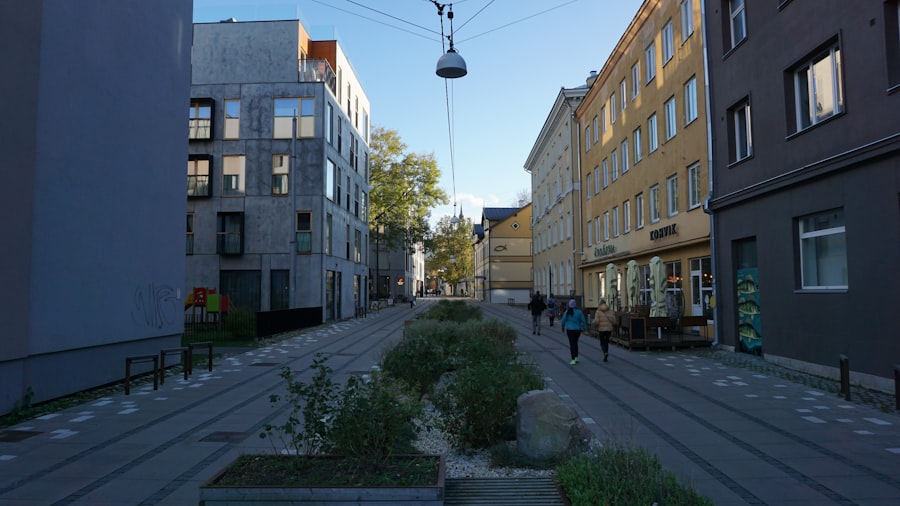
While the benefits of 15-minute districts are compelling, their implementation is not without its hurdles. Addressing these challenges requires thoughtful planning, community engagement, and a willingness to adapt existing urban structures.
Addressing Existing Urban Sprawl and Car Dependency
Many existing cities were developed with a strong emphasis on car-centric design, leading to sprawl and deeply entrenched car dependency. Reversing this trend requires a strategic and often long-term approach.
Retrofitting Suburbs and Reimagining Underutilized Areas
Transforming sprawling suburbs into more walkable and mixed-use environments is a significant undertaking. This might involve infill development, revitalizing commercial strips, and improving public transport connections to create more accessible nodes. Similarly, redeveloping underutilized industrial areas or large parking lots into mixed-use neighborhoods can contribute to the 15-minute goal.
The Role of Public Transportation in Bridging Gaps
While the focus is on walking and cycling, robust public transportation remains a vital component. It can effectively connect different 15-minute districts, provide access to areas that are further afield, and serve as an alternative for those who cannot or choose not to walk or cycle for longer distances.
Policy and Planning Interventions: The Government’s Role
Effective implementation of the 15-minute district concept requires supportive policies and forward-thinking urban planning. Governments at all levels have a crucial role to play.
Zoning Reforms and Land Use Regulations
Outdated zoning laws often hinder mixed-use development and can create barriers to creating dense, walkable neighborhoods. Reforming these regulations to allow for a greater integration of residential, commercial, and recreational uses is essential. This might involve increasing density allowances in appropriate areas or simplifying the process for mixed-use projects.
Incentivizing Sustainable Development and Infrastructure Investment
Governments can incentivize developers to build 15-minute districts through tax breaks, grants, or streamlined permitting processes. Investing in pedestrian infrastructure, public transport, and green spaces is also a critical role for public authorities. These investments signal a commitment to creating more livable and sustainable cities.
Community Engagement and Public Buy-in
The success of any urban transformation hinges on the support and participation of the community. Engaging residents in the planning process is crucial for ensuring that the resulting districts meet their needs and aspirations.
Educating the Public About the Benefits
Many people may not be immediately familiar with the concept of 15-minute districts or understand its potential benefits. Educational campaigns can help raise awareness and build support for these initiatives. Demonstrating the positive impacts through pilot projects and case studies can be particularly effective.
Involving Residents in the Design and Planning Process
Holding public workshops, listening to feedback, and incorporating community ideas into the design process ensures that the developed districts are not only functional but also reflect the values and desires of the people who will live and work there. This participatory approach fosters a sense of ownership and strengthens community bonds.
The Future of Urban Living: A Vision for Walkable Cities
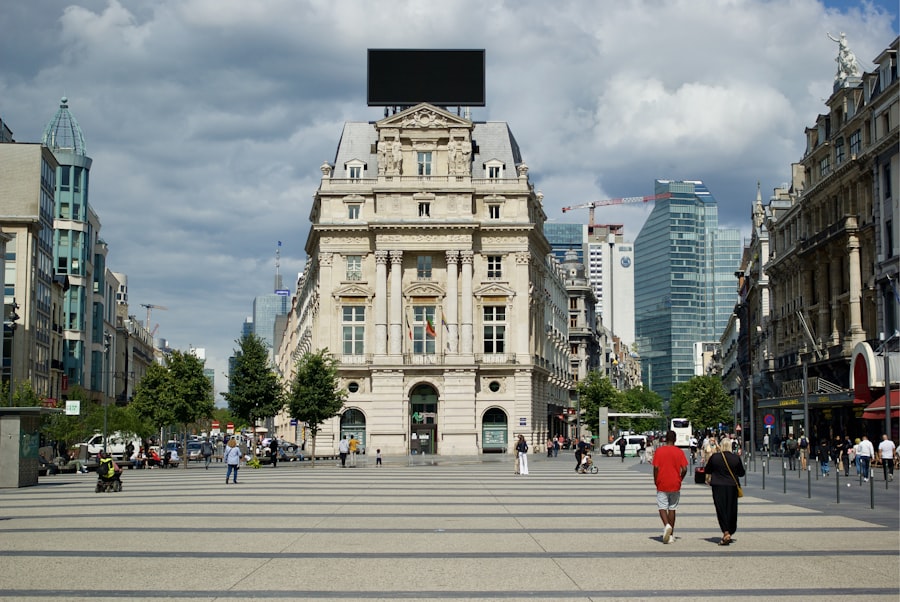
The adoption of the 15-minute district model represents a significant shift in how we envision and build our cities. It’s a move away from car-centric planning towards a more human-centered approach that prioritizes well-being, sustainability, and community.
Beyond the City Center: Extending the Concept
The principles of the 15-minute district and walkability are not confined to the city center. These concepts can be applied to suburban areas, town centers, and even new developments, transforming them into more livable and connected places. The goal is to create a network of well-designed, walkable neighborhoods across the entire urban landscape.
Suburban Transformation and the Revitalization of Town Centers
Many suburban areas are characterized by low density and car dependency. By strategically introducing mixed-use development, improving public transport links, and enhancing pedestrian infrastructure, these areas can be incrementally transformed into more walkable and vibrant communities. Similarly, revitalizing existing town centers by making them more pedestrian-friendly and integrating more services can draw people back and foster a sense of local identity.
Creating Balanced and Resilient Urban Ecosystems
By fostering a network of 15-minute districts, cities can become more resilient to disruptions, whether they are economic fluctuations, environmental challenges, or health crises. A reduced reliance on long-distance commuting and a stronger local economy create more stable and self-sufficient urban ecosystems.
The Evolution of Mobility: Integrating Technology and Innovation
The development of 15-minute districts can also be supported by advancements in technology and innovation. Smart city solutions can enhance the efficiency and attractiveness of urban living.
Smart City Technologies and Sustainable Mobility Solutions
From intelligent traffic management systems that prioritize pedestrian flow to on-demand micro-mobility services like e-scooters and bike-sharing, technology can play a crucial role in supporting walkable and sustainable urban environments. Data analytics can help identify areas for improvement and optimize resource allocation.
The Role of Emerging Technologies in Enhancing Connectivity
As urban areas become more focused on walkability, emerging technologies can further enhance connectivity and convenience. This could include app-based navigation that highlights walkable routes, real-time public transport information, and integrated platforms for accessing local services. The aim is to make active transportation as seamless and appealing as possible.
The concept of fifteen-minute districts has gained traction as cities strive to enhance walkability and improve residents’ quality of life. These neighborhoods, where essential services are within a short walk or bike ride, not only promote healthier lifestyles but also foster a sense of community. For a deeper understanding of the advantages of such urban planning, you can explore a related article that discusses the transformative impact of walkable spaces on local economies and social interactions. To read more about this topic, visit this insightful article.
Conclusion: Embracing a More Livable Urban Future
| Benefits | Fifteen Minute Districts | Walkability |
|---|---|---|
| Reduced Carbon Emissions | Encourages local living and reduces the need for long commutes | Promotes walking and cycling over driving |
| Improved Health | Increases opportunities for physical activity | Encourages active transportation and reduces sedentary lifestyle |
| Community Engagement | Enhances sense of community and local connections | Creates vibrant and social neighborhoods |
| Economic Growth | Supports local businesses and entrepreneurship | Attracts more foot traffic and boosts local economy |
The concept of the 15-minute district, underpinned by robust walkability, offers a compelling vision for the future of urban living. It’s a future where your city is designed around your needs, where daily life is more convenient and less stressful, and where your community is more connected and vibrant.
By prioritizing proximity, fostering active transportation, and investing in human-centered urban design, you can contribute to creating cities that are healthier, more sustainable, and ultimately, more enjoyable places to call home. This isn’t about sacrificing convenience for an ideal; it’s about redefining convenience to encompass well-being, community, and environmental responsibility. As more cities embrace these principles, you can expect to see a tangible improvement in the quality of urban life, making your daily experiences more rewarding and less taxing. The move towards 15-minute districts is an investment in a better quality of life for you and for future generations.
FAQs
What are fifteen minute districts?
Fifteen minute districts are urban planning concepts that aim to create neighborhoods where residents can access all their daily needs within a fifteen minute walk from their homes. This includes access to work, schools, healthcare, shopping, and recreational facilities.
What is walkability and why is it important?
Walkability refers to the ease and safety of walking in a particular area. It is important because it promotes physical activity, reduces reliance on cars, decreases air pollution, and fosters a sense of community. Walkable neighborhoods also tend to have higher property values and lower rates of crime.
What are the benefits of fifteen minute districts?
Fifteen minute districts promote sustainability, reduce traffic congestion, improve public health, and enhance community engagement. They also support local businesses, reduce carbon emissions, and create more vibrant and livable neighborhoods.
How do fifteen minute districts contribute to a more sustainable environment?
Fifteen minute districts reduce the need for long commutes, which in turn decreases carbon emissions and reliance on fossil fuels. By promoting walking and cycling, these districts also contribute to a healthier and more sustainable urban environment.
What are some examples of successful fifteen minute districts?
Cities like Paris, Melbourne, and Portland have implemented initiatives to create fifteen minute districts. These cities have redesigned their urban spaces to prioritize pedestrian and cyclist access, while also integrating public transportation options to further enhance accessibility within the districts.