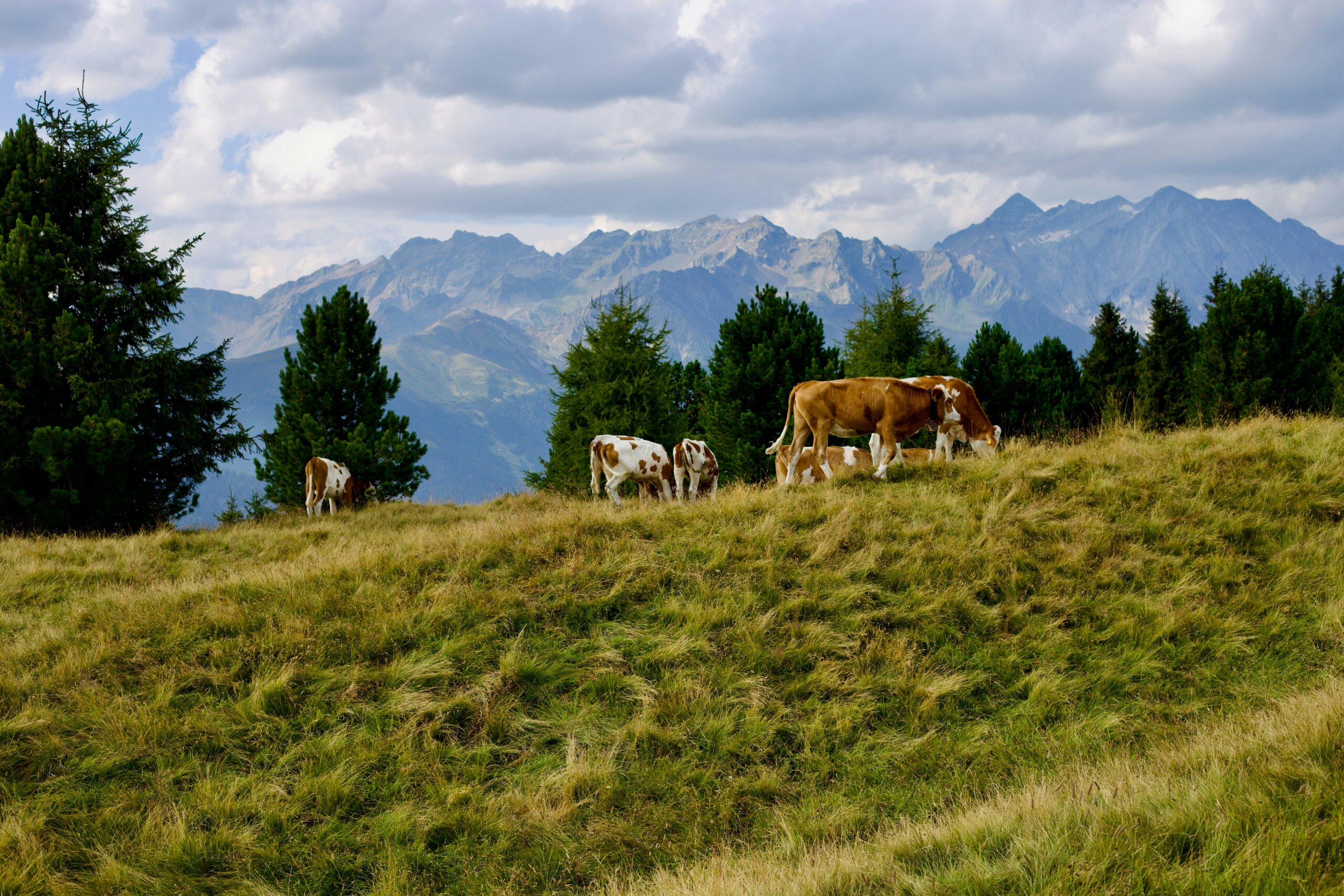
The dairy industry, a cornerstone of global food systems, is undergoing a quiet revolution. For decades, conventional farming practices, while efficient in terms of output, have faced increasing scrutiny regarding their environmental footprint and animal welfare implications. However, a new paradigm, regenerative grazing, is emerging as a viable and potentially transformative approach, promising to not only enhance the health and productivity of dairy herds but also to rejuvenate the very land they depend on. This article explores the principles and practices of regenerative grazing in dairy farming, examining its impact on soil health, biodiversity, animal well-being, and economic viability.
Regenerative grazing is not simply about letting cows graze; it’s a sophisticated ecosystem management strategy that mimics natural grazing patterns observed in wild herds. The fundamental goal is to improve the health of the land, moving beyond sustainability to actively regenerate soil, water cycles, and biodiversity. This contrasts with conventional dairying, which often relies on confined feeding systems or continuous grazing, practices that can lead to soil degradation, nutrient runoff, and a decline in ecological health.
Mimicking Natural Herd Dynamics
The essence of regenerative grazing lies in understanding and replicating the behavior of wild herbivores. Historically, large herds would move frequently, grazing intensely in one area for a short period before moving on, allowing the vegetation ample time to recover. This pattern prevented overgrazing of specific plants and facilitated nutrient cycling through manure and urine deposition. Regenerative practitioners aim to recreate this dynamism through planned grazing.
Rotational and High-Density Grazing
A key component of regenerative grazing is intense but short-duration grazing, often achieved through a system of rotational grazing. Cows are moved between paddocks frequently, sometimes daily or even multiple times a day. This high-density grazing ensures that pastures are utilized efficiently, with a shorter recovery period before cattle return. This prevents selective grazing, where cows repeatedly eat their preferred plants, potentially weakening or eliminating them.
The Importance of Rest Periods
Crucially, the intense grazing period in one paddock is followed by an extended rest period. This allows the plants to regrow, deepen their root systems, and replenish their energy reserves. A well-rested pasture is more resilient, better able to withstand drought, and can sequester more carbon. The duration of the rest period is determined by a variety of factors, including climate, soil type, and the specific forage species present, but it is generally longer than in conventional rotational systems.
Building Soil Health from the Ground Up
The most significant benefit of regenerative grazing is its profound impact on soil health. Healthy soil is the foundation of a productive farm and a thriving ecosystem, and regenerative practices are designed to rebuild and enhance its vital functions.
Enhanced Soil Organic Matter (SOM)
By encouraging deep root growth and increasing the deposition of manure and urine, regenerative grazing significantly boosts soil organic matter. SOM is crucial for soil structure, water retention, nutrient availability, and carbon sequestration. Increased SOM creates a more hospitable environment for beneficial soil microbes, which in turn further enhance soil fertility.
Improved Water Infiltration and Retention
Degraded soils tend to shed water, leading to runoff and erosion. Regenerative practices, by improving soil structure and increasing SOM, lead to soils that are more porous and absorbent. This enhanced infiltration means more rainwater is captured and stored within the soil profile, making the land more drought-resilient and reducing the need for irrigation.
Increased Biodiversity Below and Above Ground
Healthy soil is teeming with life. Regenerative grazing fosters a diverse community of microorganisms, fungi, and invertebrates, all of which play essential roles in nutrient cycling and soil health. This underground vitality translates to increased biodiversity above ground as well, supporting a wider variety of plant species, pollinators, and other wildlife.
Regenerative grazing has emerged as a sustainable practice that not only benefits dairy cows but also enhances soil health and biodiversity. For those interested in exploring this innovative approach further, you can read a related article that delves into the principles and benefits of regenerative grazing for dairy farming. This article provides valuable insights into how implementing these practices can lead to improved animal welfare and environmental outcomes. To learn more, visit this link.
The Dairy Cow’s Well-being: A Central Tenet of Regenerative Systems
Beyond environmental benefits, regenerative grazing prioritizes the inherent well-being of dairy animals. The system is designed to allow cows to express natural behaviors, access fresh air and sunlight, and consume a diverse and nutrient-rich diet.
Freedom to Roam and Graze Naturally
Unlike confined feeding operations, regenerative systems allow cows to move freely across pastures. This freedom of movement is essential for their physical and mental health. They can choose their own foraging spots, interact socially, and engage in other natural behaviors like lying down, ruminating, and socializing.
Reduced Stress and Improved Health Outcomes
The less confined and more natural environment provided by regenerative grazing can lead to reduced stress levels in dairy cows. Chronic stress can negatively impact immune function, reproductive efficiency, and milk production. By minimizing stressors, regenerative farms can often see improvements in herd health and a reduced reliance on veterinary interventions.
Access to a Diverse and Nutritious Diet
Pastures in regenerative systems are often characterized by a greater diversity of plant species. This variety provides a more balanced and nutrient-rich diet for the cows compared to a monoculture of grass or a feedlot diet. Different plants offer different vitamins, minerals, and phytochemicals, contributing to overall herd health.
Opportunities for Natural Social Interactions
Dairy cows are social animals, and their well-being is closely linked to their social structure. Regenerative grazing systems allow for the formation and maintenance of natural herd dynamics, which can be disrupted in more confined settings. This facilitates natural social interactions, which are important for reducing aggression and promoting a calmer herd environment.
Economic Viability in a Regenerative Framework
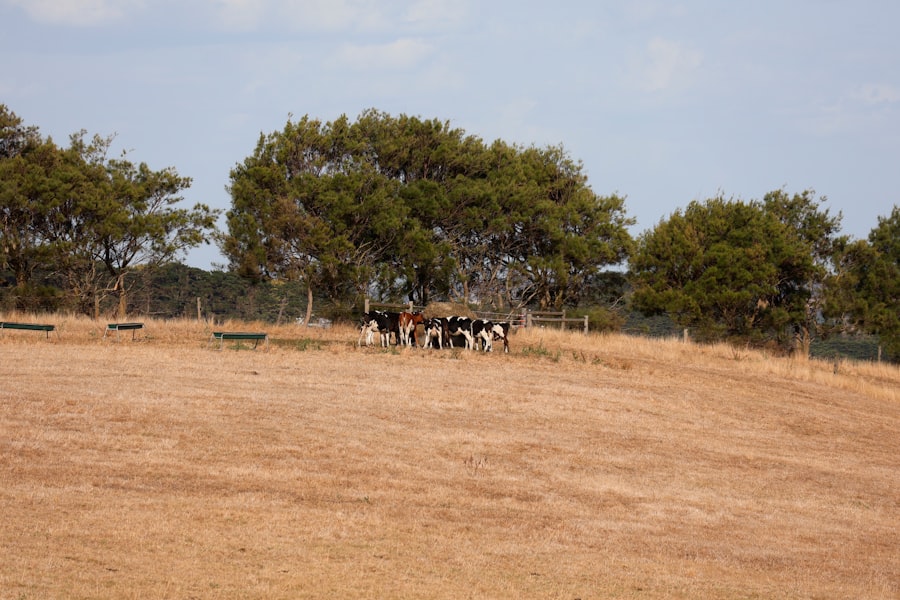
The transition to regenerative grazing can present a shift in operational management, but proponents argue for its long-term economic advantages, which often accrue over time. These benefits stem from reduced input costs, improved productivity, and enhanced market opportunities.
Reduced Reliance on External Inputs
One of the significant economic advantages of regenerative grazing is the reduced need for external inputs. By building soil fertility naturally, farmers can decrease their reliance on synthetic fertilizers. Similarly, improved herd health can lead to lower veterinary costs and a reduced need for purchased feed concentrates, especially if the land is managed to provide high-quality forage throughout the grazing season.
Lower Feed Costs Through High-Quality Forage
When pastures are managed effectively to produce nutrient-dense forage, the cows can derive a larger proportion of their nutritional needs directly from grazing. This reduces the quantity of supplemental feed, such as grains and soy, that needs to be purchased, directly impacting the farm’s bottom line.
Decreased Veterinary Expenses
As mentioned previously, improved animal welfare and a more natural diet often contribute to healthier herds. This can translate into fewer illnesses, injuries, and reproductive issues, thereby reducing expensive veterinary calls and treatments.
Enhanced Productivity and Resilience
While the transition might initially involve a learning curve, regenerative systems often lead to increased productivity and greater resilience to market fluctuations and environmental challenges.
Consistent Milk Production with Improved Quality
While initial yield might fluctuate during the transition, well-managed regenerative systems can lead to more consistent milk production over the long term as soil and pasture health improve. Furthermore, milk produced from grass-fed cows is often characterized by a more favorable fatty acid profile, with higher levels of omega-3s and CLA, potentially commanding premium prices.
Building Resilience Against Drought and Extreme Weather
The improved soil health and water retention capacity associated with regenerative grazing make farms more resilient to drought and extreme weather events. Land that can absorb and hold water better is less susceptible to pasture die-off during dry spells and can recover more quickly after heavy rainfall. This resilience reduces financial risk for the farmer.
Market Opportunities and Consumer Demand
The growing consumer awareness of environmental and animal welfare issues is opening new market opportunities for products from regenerative farms.
Access to Premium Markets and Certifications
Consumers are increasingly seeking out food products that are produced in an environmentally and ethically responsible manner. Regeneratively produced dairy products can tap into these growing premium markets, often commanding higher prices due to their perceived value and the transparency of their production methods. Certifications that verify regenerative practices are also emerging, providing a clear signal to consumers.
Building Direct Relationships with Consumers
Many regenerative farmers are finding success in building direct relationships with their consumers through farmers’ markets, community-supported agriculture (CSA) programs, and direct online sales. This not only ensures a more reliable market for their products but also allows them to educate consumers about their farming practices and build brand loyalty.
Challenges and Considerations for Implementation
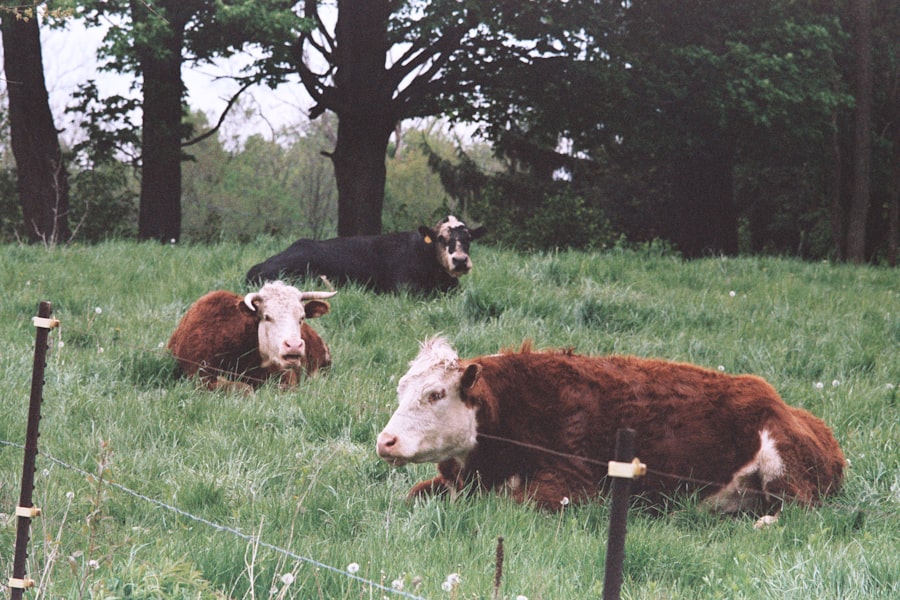
While the benefits of regenerative grazing are compelling, transitioning to such a system is not without its challenges. It requires a significant shift in mindset, a willingness to learn, and often, initial investment in infrastructure and education.
The Learning Curve and Knowledge Acquisition
Regenerative grazing is a complex, adaptive management system that requires a deep understanding of ecological principles and animal behavior. Farmers transitioning from conventional practices need to invest time and resources in acquiring this knowledge. This can involve workshops, mentorship programs, and hands-on experience.
Understanding Soil Biology and Plant Physiology
A core aspect of implementing regenerative grazing is developing an understanding of soil biology and plant physiology. This knowledge is crucial for making informed decisions about grazing management, pasture rest, and forage selection, ultimately leading to optimal outcomes for both the land and the herd.
Adapting to Local Conditions and Forage Types
What works in one region or on one farm may not be directly transferable to another. Regenerative grazing is highly context-specific, requiring farmers to adapt principles to their unique climate, soil types, and available forage species. This often involves experimentation and careful observation.
Initial Investment and Infrastructure Changes
The successful implementation of regenerative grazing can necessitate changes in farm infrastructure and potentially initial investments.
Fencing and Water Systems
Frequent moving of livestock requires a robust and flexible fencing system. This can include temporary electric fencing as well as more permanent boundary fencing. Ensuring adequate and accessible water sources in all paddocks is also critical.
Grazing Planning Software and Tools
While not strictly essential, tools and software designed for grazing planning can significantly aid farmers in designing and managing their rotational grazing patterns. This can help optimize pasture utilization and ensure adequate rest periods.
Managing Animal Health in a New System
While regenerative grazing often leads to improved herd health, managing animal health during the transition and ensuring optimal nutrition requires careful attention.
Transitioning from Concentrates to Forage
A key aspect of regenerative grazing is maximizing the proportion of nutrients derived from pasture. This requires a gradual transition away from high levels of concentrate feeding, ensuring that the cows’ nutritional needs are fully met by the forage.
Identifying and Addressing Potential Deficiencies
While diverse pastures are generally nutrient-rich, there can be instances of specific nutrient deficiencies. Farmers need to be vigilant in monitoring herd health and, if necessary, supplement with minerals or vitamins to ensure optimal well-being. This often involves close consultation with veterinarians and nutritionists experienced in regenerative systems.
Regenerative grazing has gained attention for its potential to improve soil health and enhance the sustainability of dairy farming. A recent article discusses how this practice not only benefits the environment but also increases the nutritional quality of milk produced by dairy cows. For more insights on this topic, you can read the full article here: regenerative grazing. By implementing these techniques, farmers can create a more resilient agricultural system while contributing to the fight against climate change.
The Future of Dairy: A Regenerative Horizon
| Metrics | Results |
|---|---|
| Increased Soil Carbon | 3-4 tons per hectare per year |
| Improved Soil Health | Increased microbial activity |
| Enhanced Biodiversity | Increased plant and animal species |
| Reduced Greenhouse Gas Emissions | 30-40% reduction |
| Improved Animal Welfare | Reduced stress and improved health |
The move towards regenerative grazing represents a profound reorientation of dairy farming, shifting the focus from short-term output maximization to long-term ecological and economic health. It acknowledges the interconnectedness of soil, plants, animals, and people, and seeks to create a more resilient and sustainable food system.
A Shift Towards Holistic Farm Management
Regenerative grazing is not just a set of practices; it’s a philosophy of holistic farm management. It recognizes that the farm is an ecosystem, and that decisions made in one area have ripple effects throughout the entire system. This holistic perspective is crucial for long-term success.
Integrating Livestock and Cropping Systems
In some cases, regenerative dairy farms are exploring ways to integrate livestock with cropping systems to create closed-loop nutrient cycles. Manure from grazing animals can be used to fertilize crops, and crop residues can be used as supplementary feed, further enhancing efficiency and reducing waste.
Empowering Farmers as Ecosystem Stewards
Regenerative grazing empowers farmers to become active stewards of their land. By working in partnership with nature, they can enhance biodiversity, improve water quality, and sequester carbon, contributing to broader environmental goals.
The Growing Momentum and Potential for Scalability
While still a growing movement, regenerative grazing is gaining traction within the dairy industry. As more farmers witness the benefits and as research continues to validate its effectiveness, the potential for its widespread adoption is significant.
The Role of Research and Education
Continued research into the specific benefits and optimal practices of regenerative grazing will be crucial for its widespread acceptance and scalability. Educational initiatives that support farmers in learning and implementing these practices will also play a vital role in driving this transformation.
Consumer-Driven Demand as a Catalyst
The increasing consumer demand for transparent, ethically produced, and environmentally sound food products is a powerful catalyst for change. As consumers become more aware of the benefits of regenerative agriculture, their purchasing decisions will increasingly drive the industry towards these more sustainable models.
In conclusion, regenerative grazing offers a compelling vision for the future of dairy farming. By prioritizing soil health, animal well-being, and ecological balance, it presents a path towards greater resilience, reduced environmental impact, and a more ethically sound approach to food production. While challenges remain, the growing momentum and the clear benefits suggest that regenerative grazing is not just a niche practice, but a fundamental shift that could revolutionize the dairy industry for generations to come.
FAQs
What is regenerative grazing for dairy cows?
Regenerative grazing for dairy cows is a farming practice that focuses on improving soil health, increasing biodiversity, and reducing environmental impact by rotating cows through different pastures and allowing the land to rest and recover.
How does regenerative grazing benefit dairy cows?
Regenerative grazing provides dairy cows with access to diverse and nutrient-rich forage, which can improve their overall health and well-being. It also allows for more natural grazing patterns, reducing stress and promoting better digestion.
What are the environmental benefits of regenerative grazing for dairy cows?
Regenerative grazing can help sequester carbon in the soil, improve water retention, and reduce erosion. It also promotes the growth of diverse plant species, which can support a wider range of wildlife and beneficial insects.
How does regenerative grazing impact milk production?
While regenerative grazing may initially require adjustments to management practices, it has the potential to improve milk production over time by promoting healthier, more resilient pastures and reducing the need for supplemental feed.
Are there any challenges associated with implementing regenerative grazing for dairy cows?
Transitioning to regenerative grazing may require initial investments in infrastructure and changes to traditional farming practices. Additionally, it may require careful monitoring and management to ensure optimal results.