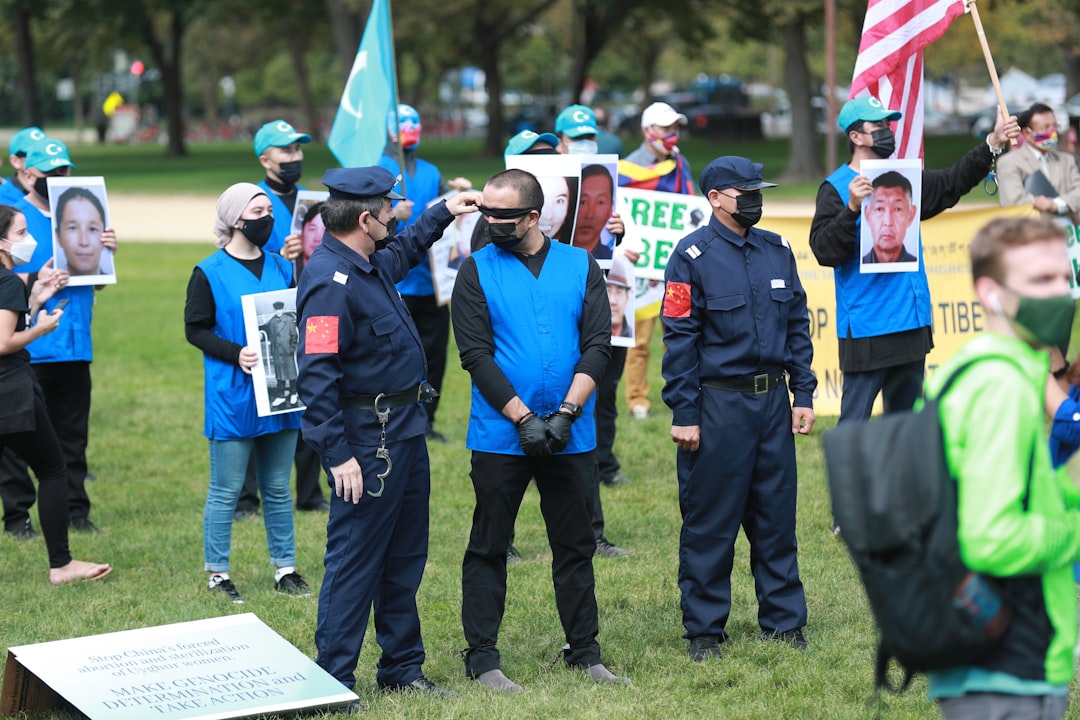
Retailer Responsibility: Addressing Forced Labor
The global supply chains of modern retail are intricate, sprawling networks that stretch across continents. While these networks enable the availability of a vast array of goods at competitive prices, they also present significant challenges in ensuring ethical labor practices. Among the most pressing of these is the pervasive issue of forced labor. Retailers, as the final custodians touching the hands of consumers, bear a crucial responsibility to address and eradicate forced labor within their extended supply chains. This responsibility is not merely a matter of reputational management; it is a fundamental ethical imperative and, increasingly, a legal and operational necessity. You can learn more about the issue of shrimp slavery in this informative video.
The journey of a product from raw material to the consumer’s shopping cart is a complex ballet of production, processing, and distribution. Historically, the primary focus of retailers was on product quality, price, and availability. However, a growing awareness of social and environmental impacts has broadened this scope.
The Rise of Globalization and Its Implications
Globalization has untethered production from consumption, allowing businesses to seek out the most cost-effective locations for manufacturing. This geographical dispersion means that retailers often have little direct visibility into the conditions under which their products are made. The further down the supply chain one looks, the murkier the waters can become, creating hidden pockets where unethical practices can fester.
The Fragmented Nature of Production
Many consumer goods, from apparel to electronics, involve numerous stages of production, often outsourced to different suppliers who, in turn, subcontract to others. This fragmentation creates a domino effect where a problem at one tier can multiply and become exceedingly difficult to trace back to its origin.
Increased Demand and Pressure on Suppliers
The insatiable consumer appetite for new products and lower prices can create immense pressure on suppliers to reduce costs. In the pursuit of ever-lower margins, corners are sometimes cut, and it is often the most vulnerable – the workers – who bear the brunt of this pressure through exploitative labor practices.
The Growing Scrutiny of Consumer and Regulator
In recent years, consumers have become more informed and vocal about their purchasing decisions, demanding transparency and ethical sourcing. Simultaneously, governments worldwide are enacting legislation to hold companies accountable for forced labor in their supply chains. This dual pressure is forcing retailers to confront the issue head-on.
Consumer Activism and Brand Reputation
Social media and advocacy groups have become powerful tools for exposing labor abuses. A single report of forced labor linked to a retailer can have a devastating impact on its brand image and consumer trust, sometimes taking years to repair.
Legislative Frameworks and Due Diligence Requirements
Laws such as the UK Modern Slavery Act, the US Uyghur Forced Labor Prevention Act, and similar regulations in other jurisdictions are mandating that companies conduct due diligence to identify, prevent, and remediate forced labor risks within their supply chains. Non-compliance can result in significant penalties, including fines and import restrictions.
In recent discussions surrounding retailer responsibility and forced labor, an insightful article highlights the critical role that companies play in ensuring ethical supply chains. This piece emphasizes the need for transparency and accountability in sourcing practices to combat human trafficking and exploitation. For further reading on this important topic, you can check out the article here: Retailer Responsibility and Forced Labor.
Understanding Forced Labor: A Persistent Threat
Forced labor is a severe human rights violation characterized by the use of coercion, deception, or debt bondage to compel individuals to work against their will. It is not confined to specific industries or regions; it is a global problem that can manifest in various forms.
Defining and Recognizing Forced Labor
At its core, forced labor involves subjection to conditions where an individual cannot leave their employment freely. This can include:
The Elements of Coercion
- Threat of Violence or Harm: Workers are threatened with physical or psychological harm if they refuse to work or attempt to leave.
- Deception and Fraud: Individuals are lured into work through false promises about wages, working conditions, or job security, only to find themselves trapped.
- Abuse of Vulnerability: Exploiting a person’s dire economic situation, lack of education, or social marginalization to compel them into undesirable labor.
Forms of Debt Bondage
- Excessive Deductions and Fees: Employers impose unreasonable deductions for recruitment fees, living expenses, or travel, creating insurmountable debts that tie workers to their jobs.
- Unrealistic Wage Structures: Wages are presented in a way that makes repayment of accrued debt nearly impossible, effectively turning employment into long-term servitude.
Industries and Regions Most at Risk
While forced labor can occur anywhere, certain sectors and geographical areas are known to be more susceptible due to a confluence of factors like weak governance, poverty, and high demand for cheap labor.
High-Risk Sectors
- Agriculture: Migrant workers are often vulnerable to exploitation due to seasonal work, transient living conditions, and dependence on employers for transport and housing.
- Garment and Textile Manufacturing: The fast fashion industry’s relentless demand for low-cost production often leads to precarious working conditions, low wages, and long hours, creating fertile ground for forced labor.
- Electronics Manufacturing: Complex supply chains and subcontracting, particularly in regions with less stringent labor protections, can hide instances of forced labor among component suppliers.
- Construction: Migrant workers, often lacking legal status or formal contracts, can be easily coerced into dangerous and exploitative labor conditions.
- Mining and Extractives: Remoteness, hazardous conditions, and limited oversight can make it difficult to monitor for forced labor in these industries.
Geographical Hotspots
Specific regions, often characterized by political instability, economic hardship, or authoritarian regimes, have been identified as areas with a higher prevalence of forced labor. This can include countries with large migrant worker populations or those with weak legal frameworks for labor protection.
The Human Cost of Forced Labor
The impact of forced labor extends far beyond economic exploitation. It inflicts profound psychological, physical, and social damage on individuals and communities.
Impact on Individuals
- Loss of Freedom and Dignity: Forced labor strips individuals of their autonomy, basic human rights, and sense of self-worth.
- Physical and Mental Health Deterioration: Grueling work, poor living conditions, and constant fear can lead to severe health problems, trauma, and depression.
- Separation from Families: Workers are often recruited from distant locations, leading to prolonged separation from loved ones and the disruption of family structures.
Societal Ramifications
- Undermining Fair Competition: Businesses that utilize forced labor gain an unfair advantage over those that adhere to ethical labor standards, distorting markets.
- Perpetuation of Poverty Cycles: Forced labor traps individuals and families in a perpetual cycle of poverty, hindering social and economic development.
- Erosion of Social Cohesion: The exploitation of vulnerable populations can breed resentment and social unrest, undermining community stability.
Retailer Responsibility: Embracing Proactive Measures
Retailers stand at the nexus of consumer demand and global production. This position imbues them with a significant responsibility to act as stewards of ethical sourcing, ensuring that the products they offer are not tainted by forced labor. This is not a passive responsibility; it demands active engagement and a proactive approach to risk management.
Establishing Robust Supplier Codes of Conduct
A comprehensive Code of Conduct is the bedrock of any ethical sourcing strategy. It serves as a clear declaration of a retailer’s values and expectations regarding labor practices throughout its supply chain.
Key Elements of an Effective Code
- Zero-Tolerance Policy: Explicitly prohibit all forms of forced labor, including child labor, debt bondage, and human trafficking.
- Compliance with Laws: Mandate adherence to all applicable national and international labor laws and standards, including those related to working hours, wages, and freedom of association.
- Fair Recruitment Practices: Stipulate that recruitment processes must be transparent, fair, and free from fees or deception that could lead to debt bondage.
- Worker Well-being: Include provisions for safe working environments, reasonable working hours, fair wages, and access to grievance mechanisms.
- Freedom of Movement: Ensure workers have the freedom to leave their employment and access to their personal documentation.
Communicating and Enforcing the Code
- Clear Dissemination: Ensure the Code of Conduct is translated into local languages and clearly communicated to all suppliers at every tier of the supply chain.
- Supplier Training: Provide training to suppliers on understanding and implementing the Code’s requirements, particularly regarding forced labor prevention.
- Contractual Clauses: Integrate the Code of Conduct into all supplier contracts, making adherence a non-negotiable term of business.
Implementing Comprehensive Due Diligence Programs
Due diligence is the process of identifying, preventing, and mitigating human rights risks, including forced labor. It is an ongoing, cyclical process, not a one-time audit.
Supply Chain Mapping and Transparency
- Tiered Visibility: Move beyond direct suppliers to map out the extended supply chain, including sub-suppliers and raw material sources. This is like peeling back the layers of an onion; each layer reveals more complexity.
- Data Collection: Gather comprehensive data on supplier locations, labor practices, and risk factors.
- Leveraging Technology: Utilize supply chain mapping software and blockchain technology to enhance traceability and transparency.
Risk Assessment and Prioritization
- Identifying High-Risk Areas: Employ a risk-based approach to identify suppliers and regions that pose the highest risk of forced labor. Factors to consider include country risk, industry sector, and supplier history.
- Vulnerability Analysis: Assess the specific vulnerabilities of worker populations within the supply chain, such as migrant workers or those in low-skilled roles.
- Regular Review: Conduct periodic risk assessments to account for evolving risks and emerging issues.
Audits and Assessments
- Beyond Surface-Level Checks: Move beyond traditional audits that can be easily manipulated. Employ unannounced audits, worker interviews conducted in private and in local languages, and site visits.
- Third-Party Auditing: Utilize independent, reputable third-party auditors with expertise in social compliance and forced labor.
- Focus on Root Causes: Audits should not just identify non-compliance but also investigate the root causes of issues, such as systemic management failures or pressure on production targets.
Empowering Workers and Strengthening Grievance Mechanisms
Workers are the ultimate source of information about labor conditions. Providing them with avenues to voice concerns safely and effectively is paramount.
Freedom of Association and Collective Bargaining
- Respecting Worker Rights: Uphold the right of workers to organize, form unions, and engage in collective bargaining without fear of reprisal.
- Preventing Union-Busting: Actively monitor for and condemn any practices designed to suppress worker representation.
Accessible and Confidential Grievance Channels
- Multiple Channels: Establish multiple channels for workers to report concerns, including hotlines, dedicated email addresses, and onsite representatives.
- Confidentiality and Non-Retaliation: Ensure that all grievance submissions are treated with the utmost confidentiality, and that no worker who raises a concern faces retaliation.
- Independent Oversight: Consider having an independent third party manage or oversee grievance mechanisms to build trust.
- Effective Remediation: Implement a clear process for investigating grievances promptly and taking appropriate corrective action.
Worker Education and Empowerment Programs
- Informing Workers of Rights: Educate workers about their rights under national laws and the retailer’s Code of Conduct.
- Empowering Reporting: Encourage workers to report any suspected instances of forced labor without fear.
- Building Capacity: Support initiatives that build worker capacity and leadership within the supply chain.
Collaborating for a Forced Labor-Free Future
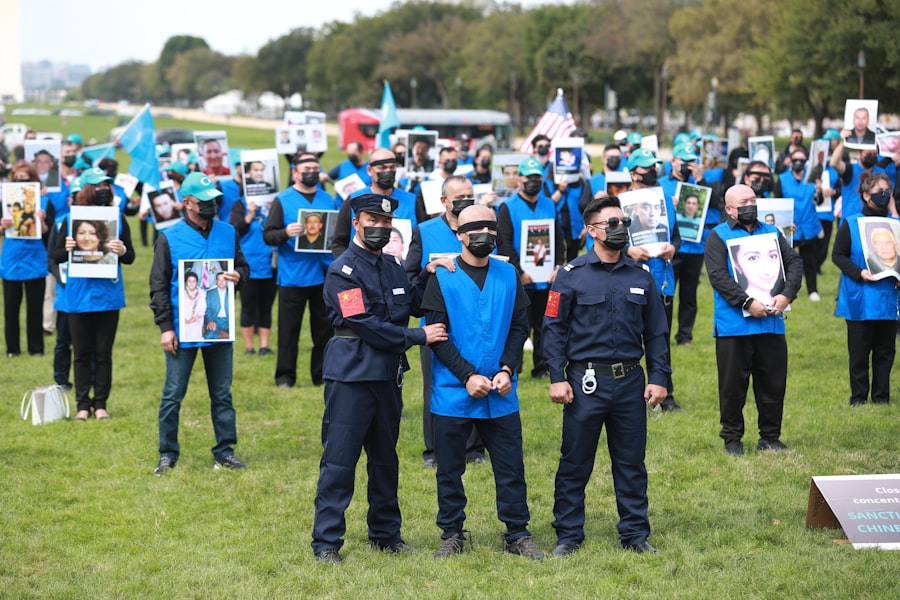
Addressing forced labor is a challenge too vast and complex for any single retailer to tackle alone. It requires a concerted effort involving industry peers, NGOs, governments, and consumers.
Industry-Wide Initiatives and Collaboration
Pooling resources and sharing best practices can accelerate progress and create a more equitable playing field.
Multi-Stakeholder Initiatives (MSIs)
- Developing Common Standards: MSIs bring together different stakeholders to develop shared standards and methodologies for identifying and addressing labor abuses.
- Collective Advocacy: MSIs can advocate for policy changes and engage in collective action to address systemic issues.
- Sharing of Information: Facilitate the sharing of information and risk intelligence among participating companies.
Supplier Forums and Capacity Building
- Knowledge Exchange: Organize forums where suppliers can share challenges and learn from each other’s successes in implementing ethical labor practices.
- Joint Training Programs: Develop and deliver joint training programs for suppliers on topics such as risk assessment, responsible recruitment, and grievance mechanisms.
Engaging with NGOs and Civil Society Organizations
Non-governmental organizations and civil society groups are invaluable partners in the fight against forced labor, possessing deep expertise and on-the-ground knowledge.
Leveraging Expertise and Intelligence
- Partnerships for Research: Collaborate with NGOs on research initiatives to better understand the drivers and prevalence of forced labor in specific regions or industries.
- Access to Communities: NGOs often have established relationships with vulnerable communities and can provide insights into local contexts and potential risks.
Supporting Remediation Efforts
- Collaboration on Victim Support: Partner with NGOs to provide support and rehabilitation services for victims of forced labor.
- Advocacy for Policy Change: Work together to advocate for stronger legal protections and enforcement mechanisms to combat forced labor.
Government Engagement and Regulatory Compliance
Retailers must actively engage with governments to ensure compliance with existing legislation and advocate for robust policies.
Understanding and Adhering to Legislation
- Staying Ahead of the Curve: Stay informed about emerging legislative trends and requirements related to forced labor due diligence.
- Implementing Compliance Programs: Develop and implement robust compliance programs that meet or exceed legal requirements.
Advocating for Stronger Protections
- Policy Input: Provide constructive input to governments on developing effective policies and regulations that address forced labor.
- Promoting International Cooperation: Support international initiatives and agreements aimed at combating forced labor across borders.
In recent discussions surrounding retailer responsibility and the issue of forced labor, it’s essential to consider the broader implications of supply chain ethics. A related article highlights various strategies that companies can adopt to ensure their operations are free from exploitation. For more insights on this critical topic, you can read the article here. By understanding the complexities of these challenges, retailers can take meaningful steps toward fostering a more ethical marketplace.
The Imperative of Continuous Improvement and Transparency
| Metric | Description | Example Data | Source/Notes |
|---|---|---|---|
| Percentage of Suppliers Audited | Share of suppliers evaluated for forced labor risks | 85% | Annual sustainability report 2023 |
| Number of Forced Labor Incidents Identified | Confirmed cases of forced labor found in supply chain | 12 | Internal compliance audits 2023 |
| Supplier Remediation Rate | Percentage of suppliers who implemented corrective actions | 75% | Follow-up audits 2023 |
| Employee Training Coverage | Percentage of retail staff trained on forced labor awareness | 90% | HR training records 2023 |
| Third-Party Certifications | Number of suppliers with certifications against forced labor | 40 | Supplier database 2023 |
| Grievance Mechanisms Established | Presence of channels for workers to report forced labor issues | Yes | Company policy documents |
| Percentage of High-Risk Regions Monitored | Share of geographic areas with enhanced forced labor monitoring | 60% | Risk assessment report 2023 |
The journey to eradicate forced labor is a marathon, not a sprint. Retailers must embrace a culture of continuous improvement and unwavering transparency to build trust and drive lasting change.
Moving Beyond Compliance to Transformation
True responsibility extends beyond mere compliance with regulations. It involves a fundamental shift in business practices to embed ethical considerations at the core of operations.
Integrating Ethical Sourcing into Business Strategy
- Strategic Priority: Elevate ethical sourcing and forced labor prevention to a strategic priority, integrating it into procurement decisions, product development, and marketing.
- Long-Term Partnerships: Foster long-term relationships with suppliers who demonstrate a commitment to ethical practices, rather than constantly seeking the lowest price.
Investing in Responsible Sourcing Technology and Expertise
- Technological Solutions: Invest in technologies that enhance supply chain visibility, traceability, and risk management, such as AI-powered risk assessment tools and blockchain for provenance tracking.
- Skilled Personnel: Recruit and train individuals with expertise in ethical sourcing, human rights due diligence, and supply chain management.
The Role of Transparency in Building Trust
Transparency is the currency of trust in today’s consumer-driven market. Openly sharing information about efforts to address forced labor builds credibility and fosters deeper connections with stakeholders.
Reporting and Disclosure Practices
- Publicly Available Reports: Publish annual sustainability or ethical sourcing reports that detail progress, challenges, and due diligence efforts related to forced labor.
- Traceability Information: Provide consumers with information about the origin of products and the conditions under which they were made, where feasible.
- Third-Party Verification: Seek external assurance or verification of reported data to enhance credibility.
Engaging in Open Dialogue and Accountability
- Stakeholder Engagement: Actively engage with NGOs, investors, and consumers to discuss challenges and solicit feedback on efforts to combat forced labor.
- Accountability Mechanisms: Establish internal and external accountability mechanisms to ensure that commitments are met and that breaches of ethical standards are addressed.
The fight against forced labor is a shared responsibility that demands vigilance, collaboration, and a steadfast commitment to human dignity. Retailers, by embracing their pivotal role, can transform their supply chains into beacons of ethical practice, ensuring that the products consumers buy do not come at the cost of another human being’s freedom. The consumer’s trust is an artifact diligently crafted, and its integrity is intrinsically linked to the ethical foundations upon which it is built.
FAQs
What is forced labor in the context of retail supply chains?
Forced labor refers to situations where individuals are coerced to work against their will through threats, violence, or other forms of intimidation. In retail supply chains, this can occur at various stages, including manufacturing, agriculture, and raw material extraction.
Why do retailers have a responsibility to address forced labor?
Retailers have a responsibility because they are part of the supply chain and can influence labor practices. Ensuring products are free from forced labor helps uphold human rights, maintain brand reputation, and comply with legal requirements.
What laws regulate retailer responsibility regarding forced labor?
Several laws address this issue, including the U.S. Tariff Act, the UK Modern Slavery Act, and the EU Conflict Minerals Regulation. These laws require retailers to conduct due diligence and report on efforts to eliminate forced labor in their supply chains.
How can retailers identify forced labor in their supply chains?
Retailers can identify forced labor by conducting risk assessments, auditing suppliers, engaging with workers, and collaborating with third-party organizations that specialize in labor rights monitoring.
What actions can retailers take to prevent forced labor?
Retailers can implement strict supplier codes of conduct, provide training on labor rights, establish grievance mechanisms, conduct regular audits, and work with stakeholders to improve transparency and accountability in their supply chains.