The Holocaust, a period of systematic, state-sponsored persecution and murder of six million Jews by the Nazi regime and its collaborators, represents one of humanity’s darkest chapters. Yet, within this immense tragedy, stories of resilience and hope emerged from the survivors, offering profound insights into the human spirit’s capacity to endure in the face of unimaginable suffering. These narratives, meticulously documented and preserved, serve as vital testaments to the strength of individuals who navigated the abyss of atrocity.
The journey into the Holocaust for many began not with sudden violence, but with a gradual erosion of rights and the imposition of dehumanizing policies. Readers must understand the insidious nature of this escalation, how the foundations of normal life were systematically dismantled, brick by brick.
The Slow Unraveling: Ghettos and Isolation
For many Jewish communities, the first significant stage of persecution involved forced relocation into ghettos. These enclosed districts, often overcrowded and unsanitary, were designed to isolate and control the Jewish population. The act of being confined transformed ordinary streets into prisons, severing individuals from their broader society and familiar routines. This initial separation served as a psychological precursor to the horrors that would follow, conditioning victims to a life devoid of autonomy and dignity. The physical and emotional confines of the ghetto became the crucible in which the initial embers of despair and, conversely, the first sparks of adaptation, were forged.
The Shock of Deportation: Forced Journeys into the Unknown
Deportation, often undertaken via cattle cars, marked a definitive break from any semblance of normalcy. Survivors recount the terror of these journeys, characterized by extreme overcrowding, lack of food and water, and the omnipresent threat of death. The transition from home, however impoverished, to these horrific conditions was a profound shock, a brutal severing of the last ties to a recognizable world. The destination was often unknown, adding an agonizing layer of uncertainty to an already terrifying experience. This “journey into the unknown” stripped individuals of their agency, reducing them to cargo, a stark metaphor for the dehumanization that was central to Nazi ideology.
Holocaust survivors have shared their harrowing experiences and resilience in the face of unimaginable adversity, shedding light on the importance of remembrance and education. For more insights into the lives of these remarkable individuals and their ongoing impact on society, you can read a related article that explores their stories and contributions at this link.
Survival in the Shadow of Death: Strategies of Endurance
Within the concentration camps and labor camps, where the machinery of destruction operated with chilling efficiency, survivors developed multifaceted strategies for endurance. These were not grand heroics in the conventional sense, but rather daily acts of resistance against oblivion.
The Power of Will: Mental Fortitude and Adaptation
One of the most frequently cited aspects of survival is the sheer power of the human will. Faced with starvation, disease, and constant brutality, individuals found ways to resist the psychological capitulation that often precedes physical demise. This involved a relentless focus on survival, an almost instinctual refusal to succumb. Adaptability was key; survivors learned to navigate the arbitrary rules of the camps, to understand the unspoken hierarchies among prisoners and guards, and to identify opportunities, however fleeting, for sustenance or respite. It was a cognitive battle waged hourly against overwhelming odds, a silent declaration of self-preservation in the face of an ideology designed to erase individual identity. Readers should consider the immense mental strain involved in such constant vigilance.
The Role of Connection: Solidarity and Mutual Aid
Despite the profound isolation and the brutal competition for resources, moments of human connection offered crucial lifelines. Acts of solidarity, sharing meager rations, offering comfort, or even simply acknowledging another’s presence, provided vital psychological support. These small networks, often formed spontaneously, served as a bulwark against the complete dehumanization intended by the perpetrators. In a world designed to strip individuals of their humanity, these acts of kindness affirmed it. These connections, like fragile threads, wove together a resistance against complete atomization and served as a reminder of a world beyond the barbed wire.
Resourcefulness and Ingenuity: Navigating Scarcity
Survivors demonstrated remarkable resourcefulness. This extended to finding ways to acquire extra food, sometimes through dangerous scavenging, or to utilizing skills from their former lives to gain slightly better treatment or fewer arduous tasks. For some, a specialized skill, such as tailoring or carpentry, could offer a temporary reprieve from the hardest labor. Small acts of ingenuity, like fashioning makeshift tools or exchanging information, became crucial for navigating the constant scarcity and danger. This “making do” in the most extreme circumstances showcases an elemental human drive to problem-solve, even when the problems are existential.
Reclaiming Identity: The Aftermath of Liberation

Liberation did not immediately signify an end to suffering; it marked a transition to a new set of challenges: rebuilding lives from the ashes of devastation.
The Scars of Trauma: Physical and Psychological Wounds
The physical toll of the Holocaust was immense, leaving many survivors with chronic health issues and permanent disabilities. However, the psychological scars were often more enduring. Post-traumatic stress disorder, depression, and anxiety were prevalent, manifesting in nightmares, flashbacks, and a profound difficulty in re-engaging with the world. The sheer weight of what they had witnessed and endured often created an invisible barrier between them and those who had not experienced such horrors. Readers must recognize that liberation was not a magical eradication of suffering, but the beginning of a long and arduous process of healing. The shadow of the past lingered, a constant companion.
The Search for Meaning: Rebuilding Lives and Families
For many survivors, a profound drive to rebuild their lives and, where possible, their families, provided a powerful impetus for recovery. This often involved searching for lost relatives across a shattered continent, navigating dislocated territories, and attempting to reconstruct a semblance of normality. The act of marrying, having children, and establishing new homes became defiant affirmations of life, a direct refutation of the Nazi aim to eradicate their lineage and culture. This act of re-creation, of bringing new life into a world that had tried to destroy it, stands as a testament to profound hope.
The Imperative of Memory: Bearing Witness for Future Generations
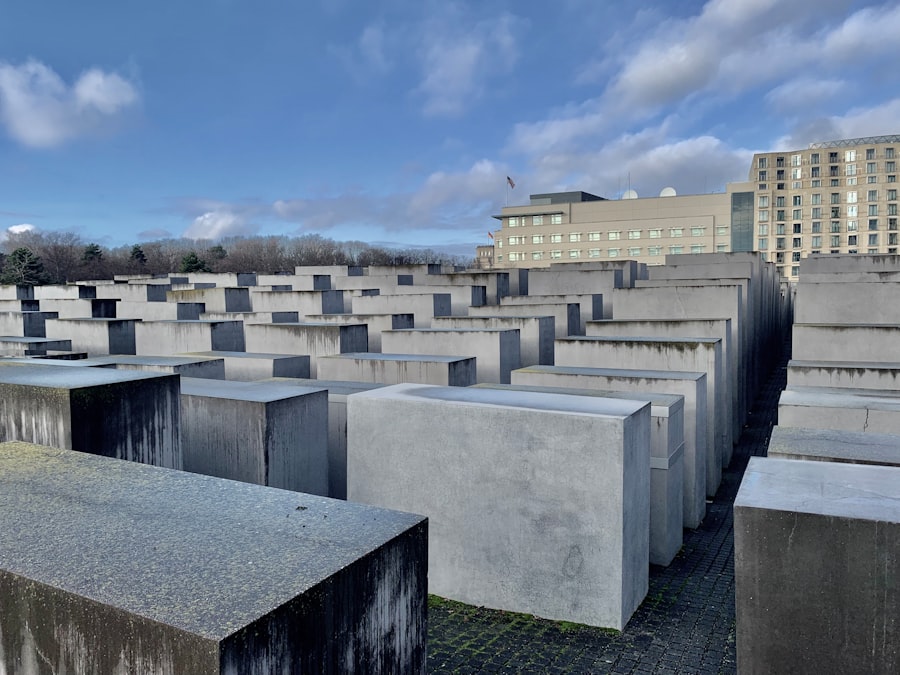
Holocaust survivors recognized the critical importance of bearing witness, of ensuring that their experiences were not forgotten. Their narratives are not merely historical records; they are urgent warnings.
Speaking Out: The Power of Testimony
As survivors aged, many made the courageous decision to share their stories publicly. This act of testimony, often painful and emotionally draining, was undertaken with a clear purpose: to educate future generations and prevent a recurrence of such atrocities. Their voices became conduits to the past, allowing listeners to grasp the individual human cost of systemic hatred. The simple act of telling one’s story became a powerful form of resistance and a profound act of healing, transforming personal trauma into a universal lesson.
Education as Prevention: Holocaust Memorialization
The establishment of museums, memorials, and educational programs dedicated to the Holocaust is a direct result of survivor advocacy. These institutions serve as concrete spaces for remembrance and learning, ensuring that the lessons of the past remain accessible and relevant. By preserving artifacts, testimonies, and historical documents, they create a tangible link to a period that grows more distant with each passing year. The mandate is clear: to educate against indifference and to cultivate empathy, thereby inoculating future generations against the ideologies that led to such suffering. Readers should consider their own role in carrying forward this message.
Holocaust survivors have shared their harrowing experiences and resilience, shedding light on the importance of remembrance and education. Their stories not only honor the memory of those who perished but also serve as powerful reminders of the consequences of hatred and intolerance. For a deeper understanding of the ongoing impact of these survivors’ narratives, you can explore a related article that discusses their contributions to society and the significance of their testimonies in shaping future generations. To read more, visit this insightful article.
Legacies of Resilience: Hope as an Enduring Light
| Metric | Data / Description |
|---|---|
| Estimated Number of Holocaust Survivors Worldwide (2024) | Approximately 400,000 |
| Countries with Largest Populations of Survivors | Israel, United States, Canada, Germany, Australia |
| Average Age of Survivors (2024) | Approximately 85-95 years old |
| Types of Survivors | Concentration camp survivors, ghettos, hiding, forced labor, refugees |
| Number of Survivors Receiving Support Services | Over 100,000 receiving social, medical, and psychological support |
| Holocaust Survivor Organizations Worldwide | Over 50 major organizations and support groups |
| Annual Commemoration Events | International Holocaust Remembrance Day (January 27) |
| Survivor Testimonies Recorded | Over 55,000 testimonies archived in various museums and institutions |
The stories of Holocaust survivors are not merely chronicles of despair; they are also narratives infused with an enduring, albeit often hard-won, hope.
The Human Spirit’s Unbreakable Nature: A Testament to Courage
The ability of individuals to retain their humanity, their capacity for compassion and kindness, even in the most inhumane conditions, speaks to an almost unbreakable core within the human spirit. Their survival, in itself, is a testament to an extraordinary courage—not just the courage of resistance, but the daily courage to exist against all odds. This inherent resilience, like a deeply rooted tree weathering a tempest, illustrates an elemental strength that even the most determined acts of hatred could not completely extinguish.
From Trauma to Transformation: Lessons for Humanity
The experiences of Holocaust survivors, while uniquely horrific, offer broader lessons about the fragility of peace, the dangers of prejudice, and the importance of active citizenship. Their stories compel us to confront uncomfortable truths, to challenge complacency, and to recognize our collective responsibility to speak out against injustice wherever it occurs. By understanding how such atrocities unfolded, we are better equipped to identify and resist the early warning signs in our own societies. The survivors’ journey from profound trauma to becoming educators and advocates represents a powerful transformation, turning personal agony into a universal call to conscience. Their message, echoing across generations, is a beacon, illuminating the path toward a more just and compassionate world.
FAQs
Who are considered Holocaust survivors?
Holocaust survivors are individuals who lived through the Holocaust, the genocide during World War II in which six million Jews, along with millions of others, were persecuted and murdered by the Nazi regime. Survivors include those who were in concentration camps, ghettos, hiding, or in exile during this period.
How many Holocaust survivors are estimated to be alive today?
As of recent estimates, the number of living Holocaust survivors worldwide has significantly decreased due to the passage of time. It is estimated that tens of thousands remain, but the exact number varies by country and is continually declining.
What types of support are available for Holocaust survivors?
Holocaust survivors may receive support through various organizations and government programs, including financial assistance, healthcare services, psychological counseling, and social support networks. Many countries have established restitution programs and survivor benefits to aid those affected.
Why is it important to preserve the testimonies of Holocaust survivors?
Preserving the testimonies of Holocaust survivors is crucial for historical documentation, education, and combating Holocaust denial. Their firsthand accounts provide invaluable insights into the atrocities committed and help ensure that future generations remember and learn from this dark chapter in history.
What challenges do Holocaust survivors face today?
Many Holocaust survivors face challenges such as health issues related to aging, psychological trauma from their experiences, social isolation, and financial difficulties. Additionally, some survivors struggle with the loss of family members and the ongoing impact of their past trauma.