
The ubiquitous plastic bottle, once a symbol of convenience, has become a vessel carrying a hidden cargo: microplastics. These tiny plastic fragments, less than 5 millimeters in size, permeate our environment, and increasingly, they are found within the water we drink from bottles. The growing awareness of this pervasive contamination has spurred a global conversation about regulation, a complex undertaking as intricate as untangling a ball of fishing net. This article explores the challenges and potential solutions for regulating microplastics in bottled water, a critical step in safeguarding public health and the environment.
The presence of microplastics in bottled water is not a hypothetical concern; it is a scientifically documented reality. Studies conducted by various research institutions have consistently detected microplastic particles in a wide range of bottled water brands. These particles enter the water through a multifaceted pathway, originating from the plastic bottles themselves, the filtration and bottling processes, and even the surrounding environment.
Sources of Microplastics in Bottled Water
The plastic packaging, primarily polyethylene terephthalate (PET), is a significant contributor. Over time, and with exposure to stress such as shaking or temperature fluctuations, PET bottles can shed microplastic particles into the water. This shedding can be exacerbated by the manufacturing process itself, where friction and wear during molding and filling can release fragments.
Leaching from Plastic Polymers
The very material designed to contain the water can, paradoxically, become a source of its contamination. The polymer chains that form the plastic bottle are not entirely inert and can break down into smaller pieces under certain conditions. This breakdown is not a sudden event but a gradual degradation, a slow unraveling of the material over its lifespan.
Manufacturing and Bottling Processes
The journey from water source to consumer is fraught with potential microplastic introduction. Filtration systems, while intended to purify, can themselves become microplastic generators if the filter materials degrade. The machinery used in bottling plants, from pipes to filling nozzles, can also contribute to the particulate load through wear and tear.
Environmental Factors
Beyond the immediate bottling process, the surrounding environment can also play a role. Airborne microplastics can settle into water sources before collection, and contamination can occur during transportation and storage of both the raw water and the finished product. Imagine tiny dust motes, but made of plastic, carried on the wind and settling into pristine springs.
Recent discussions surrounding the regulations on microplastics in bottled water have highlighted the urgent need for stricter guidelines to ensure consumer safety and environmental protection. For further insights into this pressing issue, you can explore a related article that delves into the implications of microplastic contamination and the measures being proposed to address it. To read more, visit this article.
The Scientific Landscape: Detecting and Quantifying the Problem
Understanding the scope of microplastic contamination requires robust scientific methodologies. Researchers grapple with the challenge of consistently and accurately identifying and quantifying these minuscule particles, which vary in size, shape, and polymer composition.
Size and Type Characterization
Distinguishing between microplastics, nanoplastics, and other particulate matter is a crucial first step. Nanoplastics, even smaller than microplastics, pose an even greater analytical challenge. Different analytical techniques, such as microscopy, spectroscopy, and chromatography, are employed, each with its strengths and limitations.
Micro-Spectroscopy Techniques
Methods like Fourier-transform infrared (FTIR) spectroscopy and Raman spectroscopy are instrumental in identifying the chemical composition of plastic particles, confirming their polymeric origin. These techniques act like tiny detectives, analyzing the unique molecular fingerprints of each fragment.
Chromatographic Methods
Gas chromatography-mass spectrometry (GC-MS) and liquid chromatography-mass spectrometry (LC-MS) can further analyze the breakdown products of plastics, offering insights into their degradation pathways.
Methodological Inconsistencies and Standardization Needs
A significant hurdle in developing effective regulations is the lack of standardized protocols for microplastic analysis. Different studies may use varying sample preparation techniques, detection limits, and classification criteria, leading to discrepancies in reported findings. This scientific Babel makes it difficult to establish universally accepted benchmarks for acceptable microplastic levels.
Inter-laboratory Comparisons
The need for intercalibration exercises and the development of certified reference materials is paramount to ensure that results from different laboratories are comparable and reliable. Without this, policy decisions could be based on artifically inflated or deflated assessments of the problem.
Health Implications: The Unknowns and Potential Risks
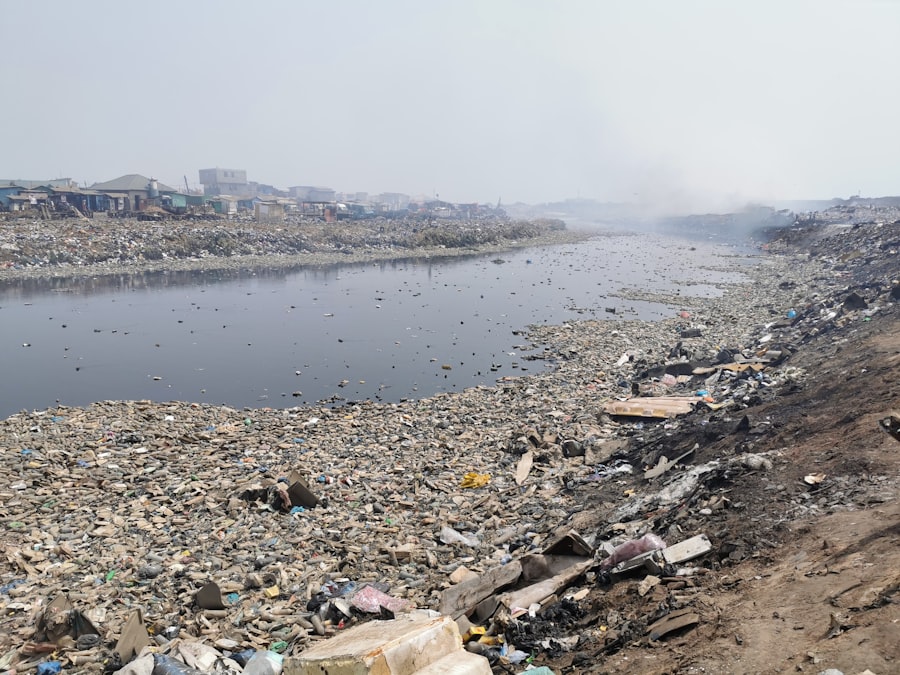
The presence of microplastics in bottled water raises legitimate concerns about their potential impact on human health. While research is ongoing, the long-term consequences of ingesting microplastics are not yet fully understood.
Ingestion and Absorption Pathways
Once ingested, microplastics can travel through the digestive system. The extent to which they are absorbed into the bloodstream or tissues is a key area of investigation. Smaller particles, particularly nanoplastics, are theorized to have a greater potential for translocation into the body.
Gastrointestinal Tract Interactions
The interaction of microplastics with the gut microbiome is another area of active research. Could these foreign particles alter the delicate balance of bacteria in our intestines, impacting digestion and immunity? Scientists are like cartographers, trying to map the uncharted territories of human-microplastic interaction.
Potential Toxicological Effects
Beyond the physical presence of plastic, microplastics can also carry adsorbed chemicals from their environment or release additives incorporated during manufacturing. These chemicals, such as plasticizers and flame retardants, are of particular concern due to their known toxicological properties.
Leaching of Chemical Additives
During their journey from production to consumption, microplastics can leach out chemicals that were integral to their creation. These additives, designed to give plastics certain properties, can become unwanted passengers in our bodies.
Research Gaps and the Precautionary Principle
The current scientific understanding of microplastic health effects is still developing. This has led some to advocate for the precautionary principle, suggesting that measures should be taken to prevent potential harm even in the absence of full scientific certainty.
Long-Term Exposure Studies
The absence of extensive, long-term epidemiological studies makes it challenging to draw definitive conclusions about the chronic health impacts of microplastic ingestion. This is akin to trying to predict the long-term effects of a new ingredient without extensive feeding trials.
The Regulatory Maze: Challenges and Approaches
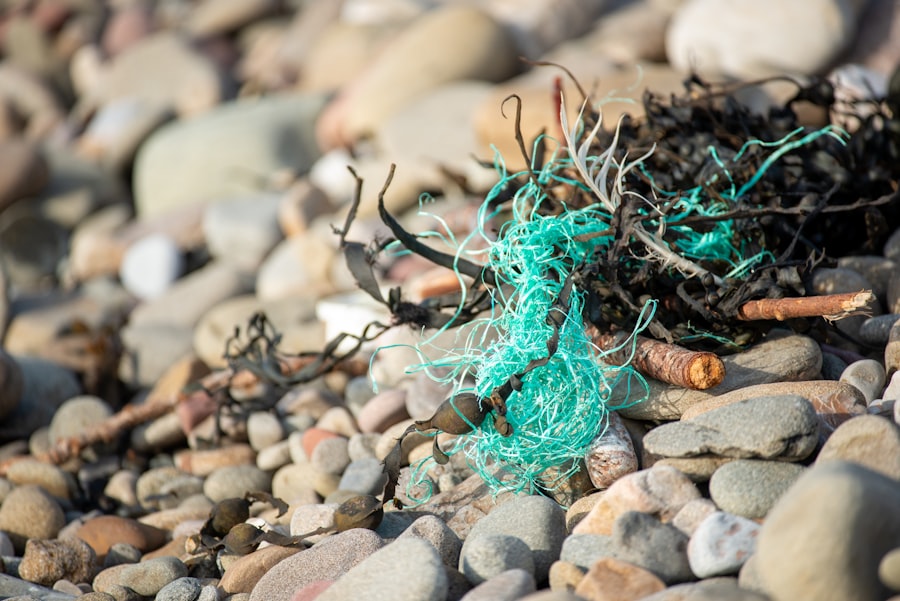
Regulating microplastics in bottled water presents a complex web of legislative, scientific, and economic challenges. Governments and international bodies are beginning to grapple with how to address this multifaceted issue.
Defining “Microplastic” for Regulatory Purposes
Establishing a clear and actionable definition of microplastic for regulatory frameworks is a fundamental first step. This involves specifying size ranges, polymer types, and potentially even the presence of adsorbed chemical contaminants. Without a clear target, enforcement becomes like trying to shoot an arrow at a moving, invisible target.
Harmonizing International Standards
The global nature of the bottled water industry necessitates harmonization of regulatory definitions and standards across different regions to avoid trade barriers and ensure consistent consumer protection.
Setting Permissible Limits and Standards
Determining acceptable levels of microplastics in bottled water is a contentious issue, given the current analytical limitations and scientific uncertainties regarding health risks. Any proposed limits must be scientifically sound and practically attainable for the industry.
Risk-Based vs. Technology-Based Standards
Regulators must decide whether to set limits based on a thorough risk assessment of potential health impacts or on what is technically feasible for current manufacturing processes.
Enforcement and Monitoring Mechanisms
Effective regulation requires robust enforcement and ongoing monitoring programs to ensure compliance. This involves regular testing of bottled water products and penalties for non-compliance.
Industry Self-Regulation and Voluntary Initiatives
While government regulation is crucial, voluntary initiatives by industry stakeholders, such as adopting best practices for material selection and production processes, can also play a significant role in mitigating microplastic contamination.
Recent discussions surrounding the regulations on microplastics in bottled water have highlighted the growing concern over environmental health and consumer safety. For further insights into this pressing issue, you can explore a related article that delves into the impact of microplastics on human health and the environment. This comprehensive piece provides valuable information and can be accessed through this link. Understanding these regulations is crucial as we strive to ensure cleaner drinking water for everyone.
Towards a Cleaner Future: Solutions and Innovations
| Region | Regulatory Body | Microplastic Limit in Bottled Water | Testing Method | Implementation Year | Notes |
|---|---|---|---|---|---|
| European Union | European Food Safety Authority (EFSA) | Currently no specific limit | Standardized microplastic particle counting (under development) | Ongoing development | EFSA assessing risk; potential future regulations expected |
| United States | Food and Drug Administration (FDA) | No established limit | Visual and spectroscopic analysis | Ongoing monitoring | FDA monitors but no formal regulation yet |
| Canada | Health Canada | No specific limit | Microplastic particle quantification methods under review | Ongoing | Research phase; no formal regulation |
| China | National Health Commission | Proposed limit: 10 particles per liter | Microscopy and chemical identification | Proposed 2023 | Draft regulation under public consultation |
| India | Bureau of Indian Standards (BIS) | No specific limit | Under development | Ongoing | Standards being reviewed for microplastic content |
Addressing the issue of microplastics in bottled water requires a multi-pronged approach, involving technological innovation, policy reform, and consumer awareness.
Advancements in Filtration and Production Technologies
The industry is actively exploring new filtration techniques designed to remove smaller plastic particles and developing materials that are less prone to shedding microplastics. This is akin to upgrading the ship’s hull to prevent leaks.
Improved Water Treatment Processes
Innovations in water treatment, such as advanced membrane filtration and novel purification methods, hold promise for reducing microplastic loads before bottling.
Material Science Innovations
Research into alternative packaging materials that are biodegradable or inherently less prone to shedding microplastics is also underway, offering a potential long-term solution.
Policy Interventions and International Cooperation
Governments and international organizations have a critical role to play in setting standards, fostering research, and promoting collaboration.
Extended Producer Responsibility (EPR) Schemes
Implementing EPR schemes, where producers are responsible for the end-of-life management of their products, can incentivize the development of more sustainable packaging and reduce plastic waste, indirectly impacting microplastic generation.
Public Awareness Campaigns
Educating consumers about the issue of microplastics and empowering them to make informed choices, such as opting for reusable alternatives, can drive demand for cleaner products and encourage industry accountability.
The Role of Consumer Choice
Ultimately, consumer demand can be a powerful catalyst for change. By supporting brands that demonstrate a commitment to reducing microplastic contamination and by advocating for stricter regulations, individuals can contribute to a cleaner bottled water supply. Choosing to refill a reusable bottle over buying a new plastic one is a small act that, multiplied by millions, can create a ripple effect of positive change. The journey towards regulating microplastics in bottled water is still in its early stages, a nascent undertaking with significant headwinds. However, with continued scientific inquiry, innovative solutions, and a collective commitment from industry, regulators, and consumers, the tide of microplastic contamination can indeed be turned. The clear, crisp taste of water should not be marred by the invisible presence of plastic.
FAQs
What are microplastics and why are they a concern in bottled water?
Microplastics are tiny plastic particles less than 5 millimeters in size. They are a concern in bottled water because they can be ingested by humans, potentially leading to health risks, and their presence indicates environmental pollution.
Are there any regulations limiting microplastics in bottled water?
Currently, regulations on microplastics in bottled water vary by country. Some regions have set guidelines or are developing standards to monitor and limit microplastic contamination, but there is no universally accepted global regulation yet.
How do regulatory agencies test for microplastics in bottled water?
Regulatory agencies use methods such as filtration, microscopy, and spectroscopy to detect and quantify microplastics in bottled water. These techniques help identify the size, type, and concentration of microplastic particles.
What measures do bottled water companies take to reduce microplastic contamination?
Bottled water companies may implement improved filtration processes, use higher-quality packaging materials, and conduct regular testing to minimize microplastic contamination in their products.
Is there a safe level of microplastics allowed in bottled water?
As of now, there is no established safe threshold for microplastics in bottled water due to limited research on their health effects. Regulatory bodies continue to study the issue to determine appropriate safety levels.