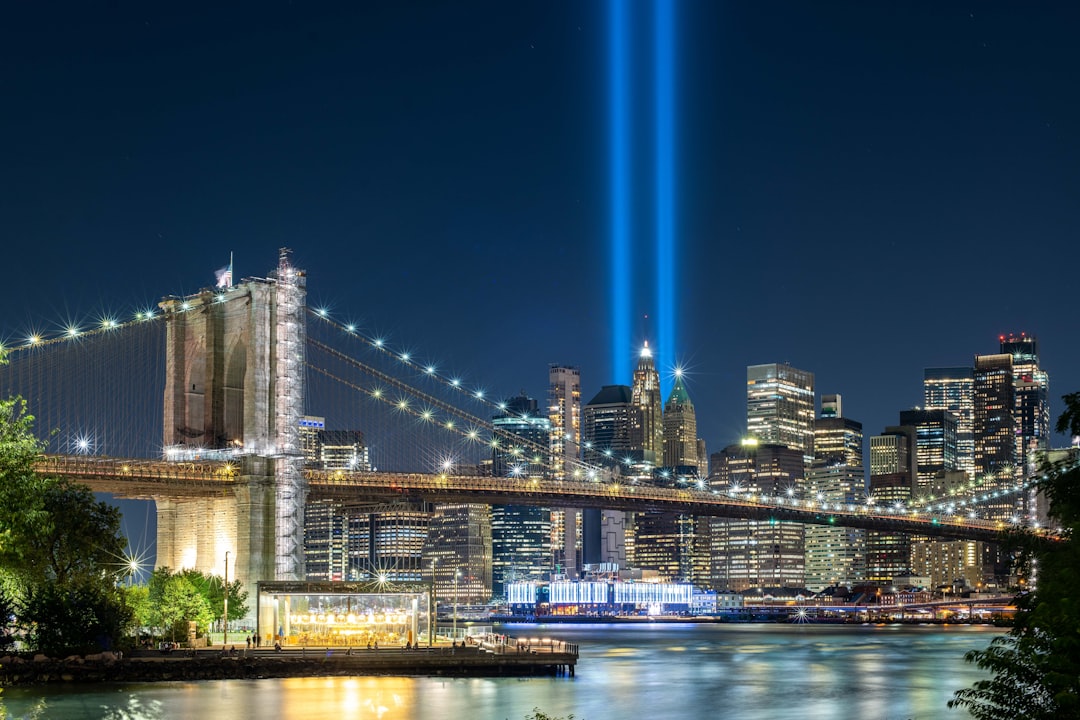
Twenty years. Two decades. Time, that relentless sculptor, has had ample opportunity to reshape the landscape of memory since the morning of September 11, 2001. You remember it, don’t you? Perhaps you were glued to a television screen, the static of disbelief crackling in the air. Maybe you were a child, the fear in your parents’ eyes a more visceral transmission than any news report. Or perhaps you were too young to grasp the enormity of it all, the echoes of that day only reaching you through the hushed conversations and the palpable tension that settled over the world like an unwanted shroud.
This is not an exercise in nostalgia, nor a plea for manufactured sentiment. This is an invitation to reflect, a moment to pause the ceaseless march of days and consider the profound imprint that a single, horrific event left on the tapestry of our collective existence. As you navigate the currents of the present, it is vital to cast a glance back, not to dwell in perpetual mourning, but to understand the currents that have carried us here.
The morning of September 11, 2001, began like any other Tuesday for millions. The sun broke over skylines, coffee brewed, and routines unfolded with their familiar rhythm. Then, the unthinkable began to unfold.
The First Strike: A Violation of the Familiar
You recall the footage. The first plane, American Airlines Flight 11, impacting the North Tower of the World Trade Center. It was an image so alien, so devoid of precedent, that for a few disbelieving moments, it was easily dismissed as some grotesque accident. The smoke, a dark bloom against the clear blue sky, was a stark violation of the mundane. It was as if the very fabric of the ordinary had been torn asunder, revealing something jagged and terrifying beneath.
The Second Blow: Confirmation of Malice
Then came the second plane, United Airlines Flight 175, striking the South Tower. This was no accident. The deliberate nature of the act slammed into consciousness with the force of a physical blow. The plume of smoke, now doubled, was a testament to a conscious intent to inflict devastation. The world watched, a collective gasp rippling across continents. The symbols of American economic power, once gleaming beacons, were now wreathed in flame and despair.
The Pentagon Under Siege: A New Front
The attack was not confined to New York City. At 9:37 AM EST, American Airlines Flight 77 crashed into the western side of the Pentagon in Arlington, Virginia. This was a direct assault on the heart of American military might, a calculated strike against the very institution tasked with its defense. The symbol of national security, inviolable in the minds of many, had been breached. The threat was no longer abstract; it was tangible and terrifyingly near.
The Unfinished Symphony: Flight 93’s Sacrifice
The chilling narrative of United Airlines Flight 93, crashing in a field near Shanksville, Pennsylvania, at 10:03 AM EST, offers a poignant counterpoint to the destruction. We learned later of the brave passengers and crew who, on hearing of the other attacks, chose to fight back. Their actions, a defiance born of desperation, prevented what was likely another catastrophic strike. Their heroism, a defiant ember in the encroaching darkness, stands as a stark reminder of the best of humanity in the face of its worst.
The events of September 11, 2001, have had a profound impact on global politics and security measures, leading to numerous discussions and analyses in various articles. For a deeper understanding of the aftermath and implications of 9/11, you can read a related article that explores the long-term effects on international relations and domestic policies by visiting this link.
The Aftermath: A World Transformed
The immediate hours, days, and weeks following 9/11 were a blur of shock, grief, and a dawning realization of a fundamentally altered reality. The world did not simply return to its pre-attack state; it was irrevocably changed.
The Rubble and the Resolve: Scenes of Devastation and Determination
The images of the collapsed World Trade Center towers, the smoking ruin of the Pentagon, and the scarred landscape of Shanksville are etched into collective memory. The sheer scale of destruction was overwhelming. Yet, amidst the rubble, you witnessed extraordinary acts of courage. First responders, ordinary citizens, strangers united by a common sorrow and a shared humanity, clawed through debris, searching for survivors, offering comfort, and demonstrating an unyielding resolve in the face of unimaginable loss.
The Global Echo: Shared Grief and Emerging Fears
The attacks were not just an American tragedy; they resonated across the globe. Condolences poured in from nations big and small. The vulnerability exposed in the United States spoke to universal anxieties about security and the fragility of peace. Yet, alongside the shared grief, a new set of fears began to take root. The perpetrators had global ambitions, and the specter of further attacks loomed large.
The Silence of the Skies: Unprecedented Disruptions
For the first time in modern history, the airspace over the United States was completely shut down. The silence was deafening, a stark illustration of the paralysis that had gripped the nation. The disruption extended far beyond the immediate impact of the attacks, affecting economies, travel, and the simple freedom to move across borders. This “grounding” of air traffic was a physical manifestation of the shockwave that had emanated from 9/11.
The Long War: Shifting Sands of Security
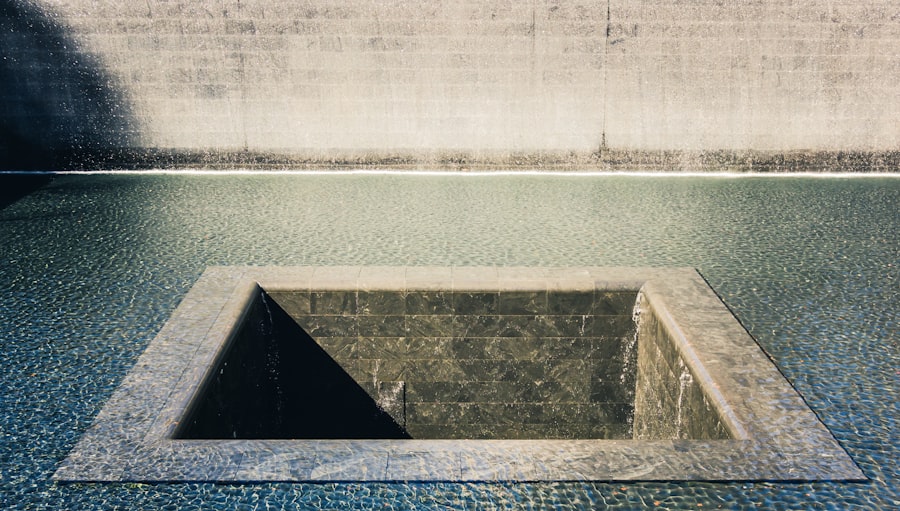
The immediate response to 9/11 was swift and decisive, launching a series of military actions that would fundamentally reshape America’s foreign policy and military footprint for decades to come.
Afghanistan: The Opening Salvo
The United States, along with coalition partners, invaded Afghanistan in October 2001, aiming to dismantle Al-Qaeda and remove the Taliban regime that harbored them. You witnessed the initial justifications for this intervention, the urgency to strike at the source of the attacks. The initial objectives, though seemingly straightforward, proved to be the beginning of a protracted and complex conflict.
The Doctrine of Preemption: A New Approach to National Security
The attacks of 9/11 led to a significant shift in American national security thinking. The Bush administration introduced the doctrine of preemptive war, arguing that the United States could and should act against emerging threats before they fully materialized. This philosophy, a departure from traditional deterrence, would underpin subsequent military engagements.
The Invasion of Iraq: A Controversial Extension
In 2003, the United States, citing concerns about weapons of mass destruction, invaded Iraq. This decision, made without a clear link to 9/11 and in the absence of broad international consensus, remains a deeply divisive issue. The consequences of this intervention, both for Iraq and for the broader region, continue to unfold, casting a long shadow over the post-9/11 landscape.
The Evolving Face of Terrorism: From Al-Qaeda to Daesh and Beyond
The landscape of terrorist organizations also evolved. While Al-Qaeda remained a significant threat, new groups emerged, notably the Islamic State of Iraq and Syria (ISIS), also known as Daesh. These groups, often with different ideologies and tactics, continued to pose challenges to global security, demonstrating the persistent and adaptable nature of transnational terrorism.
The Domestic Front: Redrawn Lines of Freedom and Security
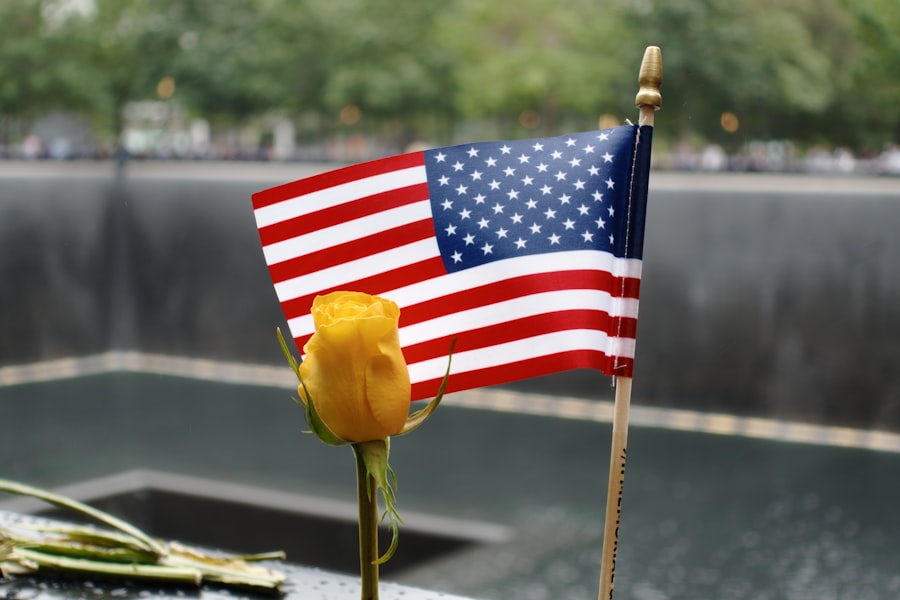
The impact of 9/11 was not confined to distant battlefields; it profoundly reshaped the domestic landscape of the United States, altering the relationship between the government and its citizens, and redefining the very notion of security.
The Patriot Act: Balancing Security and Civil Liberties
In the immediate wake of the attacks, Congress passed the USA PATRIOT Act. This legislation significantly expanded the surveillance powers of government agencies, allowing for broader access to personal data and communications in the name of national security. You grapple with the legacy of this act, the ongoing debate over whether the enhanced security it provided came at an unacceptable cost to individual privacy and civil liberties. It was as if a necessary but perhaps overly zealous guardian had been placed at the gates of privacy.
The Department of Homeland Security: A New Bureaucratic Colossus
A direct consequence of 9/11 was the creation of the Department of Homeland Security (DHS) in 2002. This massive government agency consolidated numerous federal agencies and departments with the primary mission of preventing terrorist attacks within the United States and responding to natural disasters. Its sheer scale and scope spoke to the perceived magnitude of the threat and the need for a centralized, coordinated response.
Heightened Security Measures: The New Normal
From airport security, with its invasive procedures and seemingly endless lines, to the increased presence of law enforcement and the ubiquitous security cameras, the tangible manifestations of heightened security are now woven into the fabric of daily life. A simple trip through an airport has become a ritual, a series of checks and screenings that were unimaginable before that September morning.
The Erosion of Trust: Seeds of Suspicion and Division
The atmosphere of fear and suspicion that permeated the post-9/11 era had unintended consequences. It fueled Islamophobia, leading to discrimination and prejudice against Muslim communities. It also, for some, created a distrust of government, particularly regarding its surveillance practices and its foreign policy decisions. This erosion of trust, like a slow leak in the hull of a ship, has had a lasting impact on the social and political landscape.
The impact of 9/11 continues to resonate in various aspects of society, including security policies and international relations. For those interested in exploring the long-term effects of this tragic event, a related article can provide valuable insights into how the world has changed since that day. You can read more about it in this detailed analysis that examines the implications of 9/11 on global security measures.
Enduring Legacies: A Continuous Reckoning
| Metric | Value | Description |
|---|---|---|
| Date | September 11, 2001 | The day the terrorist attacks occurred in the United States. |
| Number of Attacks | 4 | Four coordinated terrorist attacks were carried out. |
| Hijacked Planes | 4 | Four commercial airplanes were hijacked by terrorists. |
| Casualties | 2,977 | Number of people killed in the attacks, excluding the hijackers. |
| Injuries | 6,000+ | Estimated number of people injured during the attacks. |
| Locations Targeted | 3 | World Trade Center, Pentagon, and a failed attack targeting the U.S. Capitol or White House. |
| Time of First Impact | 8:46 AM (ET) | American Airlines Flight 11 crashed into the North Tower of the World Trade Center. |
| Time of Second Impact | 9:03 AM (ET) | United Airlines Flight 175 crashed into the South Tower of the World Trade Center. |
| Time of Third Impact | 9:37 AM (ET) | American Airlines Flight 77 crashed into the Pentagon. |
| Time of Fourth Crash | 10:03 AM (ET) | United Airlines Flight 93 crashed in Pennsylvania after passengers intervened. |
| World Trade Center Collapse | 9:59 AM (South Tower), 10:28 AM (North Tower) | Times when the Twin Towers collapsed following the impacts. |
| Perpetrators | 19 hijackers | Members of the terrorist group al-Qaeda who carried out the attacks. |
Twenty years on, the echoes of 9/11 continue to reverberate. The event serves as a watershed moment, a demarcation line separating a “before” and an “after” in countless facets of modern life.
The Memory Keepers: Grieving and Remembering
The National September 11 Memorial & Museum stands as a testament to the lives lost and the indelible mark left by the attacks. It serves as a sacred space for remembrance, a place where you can connect with the personal stories of those who perished and reflect on the enduring impact of that day. The weight of history resides within its walls.
A Generation Defined: Youth and the Shadow of 9/11
For a generation that came of age in the shadow of 9/11, the attacks represent a formative experience. They have grown up in a world shaped by extended conflicts, heightened security, and a persistent awareness of global threats. Their understanding of the world, their anxieties, and their aspirations have all been colored by the legacy of that day.
The Cost of War: Human and Financial
The financial cost of the “War on Terror” is staggering, measured in trillions of dollars. Beyond the monetary expenditure, however, lies the immeasurable human cost: the lives lost, the injuries sustained, the psychological trauma endured by soldiers and civilians alike, and the destabilization of entire regions. These are the enduring currencies of conflict.
The Question of Prevention: Lessons Learned and Unlearned
As you look back, you are compelled to ask: what lessons have truly been learned? Have the strategies employed in the fight against terrorism been effective in the long term? Are future generations better protected from similar attacks? These are not rhetorical questions; they are crucial inquiries into the path forward. The strategies evolved, sometimes proving effective, other times revealing their limitations, a constant recalibrating of the compass in uncharted waters.
The Resilient Spirit: Hope in the Face of Adversity
Despite the darkness, the story of 9/11 is also one of resilience. The ability of individuals and communities to persevere, to rebuild, and to find hope in the aftermath of unimaginable tragedy is a testament to the enduring strength of the human spirit. That spirit, like a sturdy oak, has weathered storms before and will continue to stand tall. The passage of twenty years does not diminish the gravity of that day, but it does offer a perspective from which to assess its enduring legacy, to understand the forces that have shaped our present, and to contemplate the challenges that lie ahead. You are a product of this history, and in reflecting upon it, you gain a deeper understanding of yourself and the world you inhabit.
FAQs
What was the date of the 9/11 attacks?
The 9/11 attacks occurred on September 11, 2001.
What locations were targeted during the 9/11 attacks?
The attacks targeted the World Trade Center in New York City, the Pentagon in Arlington, Virginia, and a failed attack that resulted in a crash in Pennsylvania.
Who was responsible for carrying out the 9/11 attacks?
The terrorist group al-Qaeda, led by Osama bin Laden, was responsible for orchestrating and carrying out the 9/11 attacks.
How many people died as a result of the 9/11 attacks?
Approximately 2,977 victims were killed in the attacks, including passengers on the planes, workers in the buildings, first responders, and others.
What was the global impact of the 9/11 attacks?
The attacks led to significant changes in U.S. and global security policies, including the launch of the War on Terror, the invasion of Afghanistan, and the creation of the Department of Homeland Security.