The modern home, often perceived as a sanctuary, can paradoxically be a repository for numerous chemical compounds. These substances, ranging from cleaning agents to personal care products and building materials, can contribute to indoor air pollution and persistent health concerns. Understanding the sources of these chemicals and implementing practical strategies to mitigate their presence is crucial for fostering a healthier living environment.
The indoor environment, a meticulously curated space, often harbors a hidden ecosystem of chemical compounds. These substances, though largely unseen, can exert a significant influence on the health and well-being of occupants. The omnipresence of synthetic materials, processed foods, and manufactured goods has transformed the domestic sphere into a complex chemical landscape.
Common Sources of Indoor Chemical Exposure
Chemicals infiltrate the home through a multitude of pathways, each contributing to the overall indoor environmental burden. Identifying these sources is the first step in formulating effective mitigation strategies.
Cleaning Products: The Double-Edged Sword
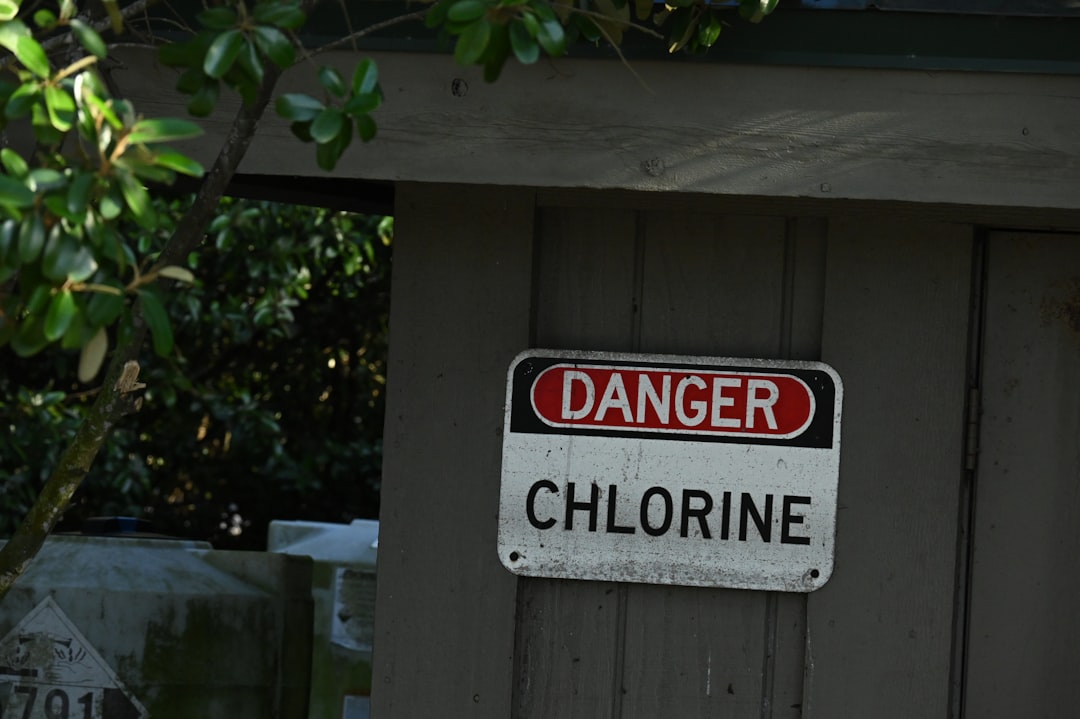
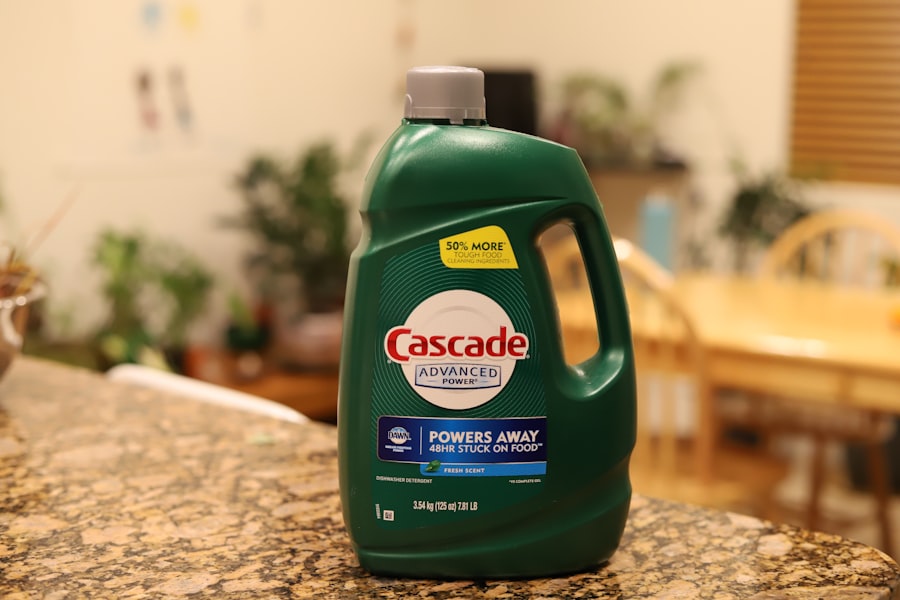
Conventional cleaning products, while designed to disinfect and sanitize, often contain a cocktail of volatile organic compounds (VOCs), phthalates, and synthetic fragrances. Ammonia, chlorine bleach, and quaternary ammonium compounds (quats) are common constituents known to induce respiratory irritation, skin sensitivities, and allergic reactions. The very act of scrubbing surfaces can aerosolize these chemicals, making them readily inhalable. Consider the metaphorical “chemical fog” that can linger after a thorough cleaning, subtle but potentially pervasive.
Personal Care Products: A Daily Dose of Complexity
From shampoos and conditioners to cosmetics and perfumes, personal care products are applied directly to the skin, the body’s largest organ, and can be inhaled. Ingredients such as parabens, phthalates, synthetic musk, and formaldehyde-releasing preservatives have raised concerns due to their endocrine-disrupting potential and allergenic properties. The average individual uses multiple personal care products daily, leading to cumulative exposure. Imagine a subtle “chemical symphony” playing on your skin and in your air, often composed of ingredients that may not harmonize with your body’s natural rhythms.
Building Materials and Furnishings: The Foundations of Exposure
The very structure of a home and its contents can be significant contributors to chemical exposure. Pressed wood products, such as particleboard and MDF, often off-gas formaldehyde, a known human carcinogen. Flame retardants (e.g., polybrominated diphenyl ethers or PBDEs) are commonly found in furniture, carpets, and electronics, and have been linked to developmental and neurological issues. Vinyl flooring, paints, and adhesives can release VOCs for extended periods. When you are surrounded by your belongings, consider that some of them might be silently “exhaling” chemicals into your personal space.
Pesticides and Pest Control: Uninvited Guests, Unwanted Chemicals
While intended to eliminate pests, pesticides introduce potent chemicals into the home environment. Insecticides, rodenticides, and herbicides can persist on surfaces and in the air, posing risks to humans and pets. Even seemingly benign household pest control methods can involve active ingredients with adverse health effects. Think of these chemicals as an intrusive “chemical bodyguard” with unintended side effects.
Outdoor Pollutants and Radon: Infiltrating the Sanctuary
Outdoor air pollution, containing nitrogen oxides, particulate matter, and other industrial byproducts, can infiltrate homes through ventilation systems and open windows. Radon, a naturally occurring radioactive gas, can seep into homes from the ground, accumulating to dangerous levels and posing a significant lung cancer risk. The home, while a shelter, is not an impermeable barrier; it can become a subtle “air sieve,” allowing external elements to permeate its boundaries.
Health Impacts of Chronic Low-Level Chemical Exposure
The human body is an intricate biochemical system, and its equilibrium can be disturbed by consistent exposure to even low levels of various chemicals. Unlike acute poisoning, the effects of chronic low-level exposure are often subtle, developing over time and sometimes manifesting as non-specific symptoms.
Respiratory Issues and Allergies
Many household chemicals are respiratory irritants, contributing to conditions such as asthma, bronchitis, and chemical sensitivities. VOCs and fragrances can trigger allergic reactions, leading to sneezing, coughing, and shortness of breath. The sensitive lining of the respiratory tract acts as a “chemical sponge,” absorbing these airborne irritants.
Endocrine Disruption
Certain chemicals, particularly phthalates and parabens, are known as endocrine-disrupting chemicals (EDCs). These substances can mimic or block the body’s natural hormones, interfering with the endocrine system’s delicate balance. This disruption can have wide-ranging effects on reproductive health, metabolism, and neurological development. Metaphorically, EDCs can be thought of as “imposters” in the body’s hormonal messaging system, sending confusing signals.
Neurological and Developmental Concerns
Exposure to lead (from older paints), certain pesticides, and flame retardants has been associated with neurological developmental issues, particularly in children. These chemicals can impact cognitive function, behavior, and learning abilities. The developing brain, a highly plastic organ, is particularly susceptible to these “chemical wrenches” thrown into its intricate machinery.
Carcinogenic Effects
Some chemicals commonly found in homes, such as formaldehyde and certain solvents, are classified as human carcinogens or probable human carcinogens. While direct causation from low-level household exposure can be challenging to prove definitively, minimizing exposure to such substances is a prudent preventative measure. These chemicals are the “silent architects” of potential cellular dysfunction.
To effectively reduce chemical exposure at home, it is essential to be aware of the various sources of toxins and how to mitigate them. A related article that provides valuable insights on this topic can be found at Hey Did You Know This. This resource offers practical tips and strategies for creating a healthier living environment by minimizing the use of harmful substances in everyday products and cleaning routines.
Strategies for Reducing Chemical Exposure
Mitigating chemical exposure at home is a multi-faceted endeavor that requires a conscious shift in consumer choices, maintenance practices, and lifestyle habits. It is a journey of continuous improvement, analogous to tending a garden where unwanted weeds are systematically identified and removed.
Embracing Safer Product Choices
The marketplace offers a vast array of products, and discerning healthier alternatives is crucial. This involves becoming a more informed and proactive consumer.
Opting for Natural and Non-Toxic Cleaners
Replacing conventional cleaning products with natural and non-toxic alternatives is a significant step. Simple ingredients like vinegar, baking soda, lemon juice, and castile soap can effectively clean most surfaces without introducing harsh chemicals. Alternatively, choose commercially available products that are certified by reputable third-party organizations (e.g., EPA Safer Choice, EWG Verified) to ensure they meet stringent safety standards. These natural alternatives are like “gentle shepherds” guiding away harmful residues.
Selecting Safer Personal Care Products
When purchasing personal care items, scrutinize ingredient labels. Look for products free of parabens, phthalates, synthetic fragrances, and sodium lauryl sulfate. Opt for brands that prioritize transparency and utilize natural or organic ingredients. Resources like the Environmental Working Group’s Skin Deep database can provide valuable insights into product safety. Your skin, acting as a “sensitive barometer,” benefits from thoughtful product selection.
Investing in Low-VOC Paints, Furnishings, and Building Materials
When undertaking renovations or furnishing a new space, prioritize low-VOC or zero-VOC paints, glues, and sealants. Choose furniture made from solid wood or certified low-emission engineered wood. Select flooring materials like natural linoleum or ceramic tile over vinyl. Consider the “chemical blueprint” of your home’s construction and strive for a healthier design.
Enhancing Ventilation and Air Quality
Dilution is a powerful tool in chemical reduction. Improving indoor air circulation can significantly decrease the concentration of airborne pollutants.
Regular Airing of Homes
Open windows and doors whenever possible, even for short periods, to allow fresh air to circulate and dilute indoor pollutants. Cross-ventilation, achieved by opening windows on opposite sides of the house, is particularly effective. Think of fresh air as a “cleansing breeze” sweeping away stale, chemical-laden air.
Utilizing and Maintaining Ventilation Systems
Ensure that exhaust fans in bathrooms and kitchens are effectively venting pollutants outdoors, not recirculating them. Regularly clean or replace HVAC filters according to manufacturer recommendations to capture particulate matter and some airborne chemicals. A well-maintained ventilation system acts as your home’s “respiratory system,” diligently filtering and refreshing the air.
Considering Air Purifiers
For areas with persistent air quality concerns or for individuals with sensitivities, a high-efficiency particulate air (HEPA) filter air purifier can be beneficial for removing airborne particles, allergens, and some gaseous compounds. Ensure the chosen purifier does not generate ozone, a respiratory irritant. An air purifier can be seen as a “silent guardian,” working tirelessly to refine the air you breathe.
Reducing chemical exposure at home is essential for maintaining a healthy living environment. Simple changes, such as opting for natural cleaning products and improving ventilation, can significantly lower the amount of harmful substances in your space. For more detailed strategies on this topic, you can explore a related article that offers practical tips and insights on minimizing chemical exposure. Check it out here to learn more about creating a safer home for you and your family.
Minimizing Exposure Through Prudent Practices
Beyond product selection and ventilation, daily routines and habits play a crucial role in reducing chemical exposure.
Removing Shoes at the Door
This simple practice significantly reduces the tracking of pesticides, lead, and other outdoor contaminants (e.g., road dust, industrial byproducts) into the home. Your shoes are “unwitting carriers” of the outside world, and removing them at the threshold creates a natural barrier.
Dusting and Vacuuming Regularly
Household dust acts as a “chemical sink,” accumulating flame retardants, phthalates, and other semi-volatile organic compounds. Regular wet dusting and vacuuming with a HEPA-filter vacuum can effectively remove these contaminated particles from surfaces and carpets. Think of dusting as meticulously “wiping the slate clean” of accumulated chemical residues.
Safe Storage of Chemicals
Keep all household chemicals, including cleaning products and paints, in their original, tightly sealed containers in a well-ventilated area, inaccessible to children and pets. Never mix cleaning products, as this can create dangerous fumes. When it comes to chemical storage, adopt the mindset of a “careful custodian,” ensuring these potent substances are contained and controlled.
Addressing Specific Chemical Concerns
Certain chemicals warrant specific attention due to their widespread presence and potential health impacts.
Reducing Formaldehyde Exposure
Formaldehyde is prevalent in pressed wood products. To mitigate its off-gassing, consider sealing unfinished edges of furniture with low-VOC sealants. Ensure adequate ventilation in rooms with new furniture or renovations. Formaldehyde is like a “ghost in the machine” of many household items, slowly dissipating into the air you breathe.
Managing Pest Control Naturally
Instead of resorting to chemical pesticides, adopt integrated pest management (IPM) strategies. This includes sealing cracks and crevices, maintaining cleanliness, storing food in airtight containers, and addressing moisture issues. For persistent pest problems, consider calling a professional who uses non-toxic or least-toxic methods. Natural pest control is akin to “building a fortress” against intruders using ecological principles.
Testing for Radon
Inquire about radon levels in your area and consider testing your home, especially if it is located in a known radon zone. Radon test kits are readily available and can provide crucial information. If elevated levels are detected, consult with a certified radon mitigation professional. Radon is a “silent intruder,” invisible and odorless, but its presence carries significant risk.
The Long-Term Dividend: A Healthier Home, A Healthier You
The decision to actively reduce chemical exposure within the home is not merely a series of isolated actions but an investment in long-term health and well-being. It is about transforming the home from a potential chemical reservoir into a truly restorative sanctuary. This ongoing process of awareness and action can significantly diminish the “chemical load” on the human body, providing a more robust foundation for health.
The benefits extend beyond individual inhabitants, contributing to a broader paradigm shift towards more sustainable and health-conscious living. By making informed choices, each individual becomes an “architect of wellness” within their own four walls, building a home not just with bricks and mortar, but with a commitment to purity and health. The ripple effect of these individual choices can collectively lead to a greater demand for safer products and manufacturing practices, fostering a cleaner and healthier environment for all. In essence, by tending to the chemical landscape within your home, you are tending to your own vitality and contributing to a more wholesome future.
WATCH NOW ▶️ WARNING: Why Your Shampoo Is Illegal In Europe

FAQs
What are common sources of chemical exposure in the home?
Common sources include cleaning products, pesticides, air fresheners, personal care products, and certain building materials like paints and varnishes.
How can I reduce chemical exposure from cleaning products?
Use natural or non-toxic cleaning alternatives such as vinegar, baking soda, and lemon juice. Always ensure proper ventilation when using any cleaning products and follow label instructions carefully.
Are there safer alternatives to conventional pesticides for home use?
Yes, consider using integrated pest management techniques, natural repellents, or non-chemical methods like traps and physical barriers to reduce reliance on chemical pesticides.
How does ventilation help in reducing chemical exposure at home?
Good ventilation helps to disperse and remove airborne chemicals, reducing their concentration indoors. Opening windows, using exhaust fans, and maintaining HVAC systems can improve indoor air quality.
What steps can be taken to minimize chemical exposure from personal care products?
Choose products labeled as free from harmful chemicals such as parabens, phthalates, and synthetic fragrances. Opt for natural or organic personal care items and avoid overuse to limit exposure.