Tap water often flows from your faucet as a seemingly straightforward necessity. It’s the liquid you use to brew your morning coffee, quench your thirst after a workout, and wash your hands before a meal. But have you ever paused to consider the journey that water takes before it reaches your home, and what processes it undergoes? The terms “purified” and “filtered” are frequently used when discussing water quality, and you might assume they mean the same thing. However, the distinction between purified and filtered water is significant, impacting not only the taste and clarity of your drinking water but also the potential contaminants it may still contain. Understanding these differences empowers you to make informed decisions about the water you consume, ensuring you’re drinking what you expect.
Tap water, also known as municipal water or utility water, is water that has been treated by a public water system and delivered to your home through a network of pipes. The primary objective of this treatment is to make the water safe for human consumption by removing harmful bacteria, viruses, and other pathogens. However, the effectiveness and comprehensiveness of these treatments can vary considerably depending on your geographic location and the specific regulations in place.
The Public Water System’s Mandate
The goal of public water systems is to ensure that the water leaving their treatment plants meets certain minimum safety standards. This involves a multi-step process designed to eliminate immediate health risks. Think of the public water system as the initial gatekeeper, tasked with holding back the most dangerous invaders.
Basic Treatment Stages
In most developed countries, municipal water treatment typically involves several core stages. These are the foundational pillars upon which water safety is built.
Coagulation and Flocculation: Clumping Together Impurities
This is often the first step in treating surface water. Chemicals like alum are added to the water, causing small, suspended particles (like silt and clay) to clump together. This process, known as coagulation, creates larger, heavier particles called flocs. These flocs can then be more easily removed in subsequent stages. Imagine these chemicals acting like tiny magnets, drawing impurities together into larger, slower-moving masses.
Sedimentation: Letting the Heavyweights Settle
Once the flocs have formed, the water is directed into large tanks where it sits undisturbed for a period. During this sedimentation phase, the heavier flocs settle to the bottom of the tank, leaving clearer water above. This is akin to letting a turbulent classroom settle down, allowing the noisier elements to drift to the floor.
Filtration: Passing Through the Sieve
After sedimentation, the water is passed through a series of filters. These filters are usually made of sand, gravel, and charcoal. They act as a sieve, trapping any remaining suspended particles that didn’t settle out. This is a crucial step in improving the visual clarity of the water. Think of filtration as the fine-tooth comb that catches the smaller, more elusive bits.
Disinfection: Killing the Microscopic Threats
The final and arguably most critical step in treating tap water is disinfection. This is typically achieved by adding chlorine or chloramines to the water, or by using ultraviolet (UV) light. These methods kill any remaining bacteria, viruses, and other microorganisms that could cause illness. This is the “heavy artillery” of water treatment, aimed squarely at eliminating microscopic biological threats.
Potential Remaining Contaminants in Tap Water
While municipal treatment aims for safety, it doesn’t necessarily remove all undesirable substances. The focus is primarily on microbial pathogens.
Residual Disinfectants and Byproducts
The disinfectants used, like chlorine, can sometimes react with organic matter present in the water to form disinfection byproducts (DBPs). Some DBPs have been linked to potential long-term health concerns. While these are generally present at very low levels, they represent a category of subtly introduced substances.
Heavy Metals Leaching from Pipes
The pipes that carry water from the treatment plant to your home can be a source of contamination. Older pipes, particularly those made of lead or copper, can leach these metals into the water, especially if the water is acidic or has been standing in the pipes for a long time. This is like a slow leak from an aging distribution network.
Agricultural and Industrial Runoff
Depending on the source of your tap water (rivers, lakes, or groundwater), it can pick up pollutants from agricultural runoff (pesticides, fertilizers) and industrial discharge. While treatment processes aim to remove many of these, complete elimination can be challenging. This represents the environmental context that can subtly influence the water’s composition before it even reaches the treatment plant.
Emerging Contaminants
There is a growing awareness of “emerging contaminants,” such as pharmaceuticals, personal care products, and microplastics, that are not always effectively removed by conventional treatment methods. These are the new, often invisible, challenges that water treatment science is continuously grappling with.
If you’re curious about the differences between purified water and filtered tap water, you might find this related article interesting. It delves into various purification methods and their effectiveness, providing a comprehensive overview of how these processes impact water quality. For more insights, check out the article here: Understanding Purified Water vs. Filtered Tap Water.
What Does “Filtered” Water Mean?
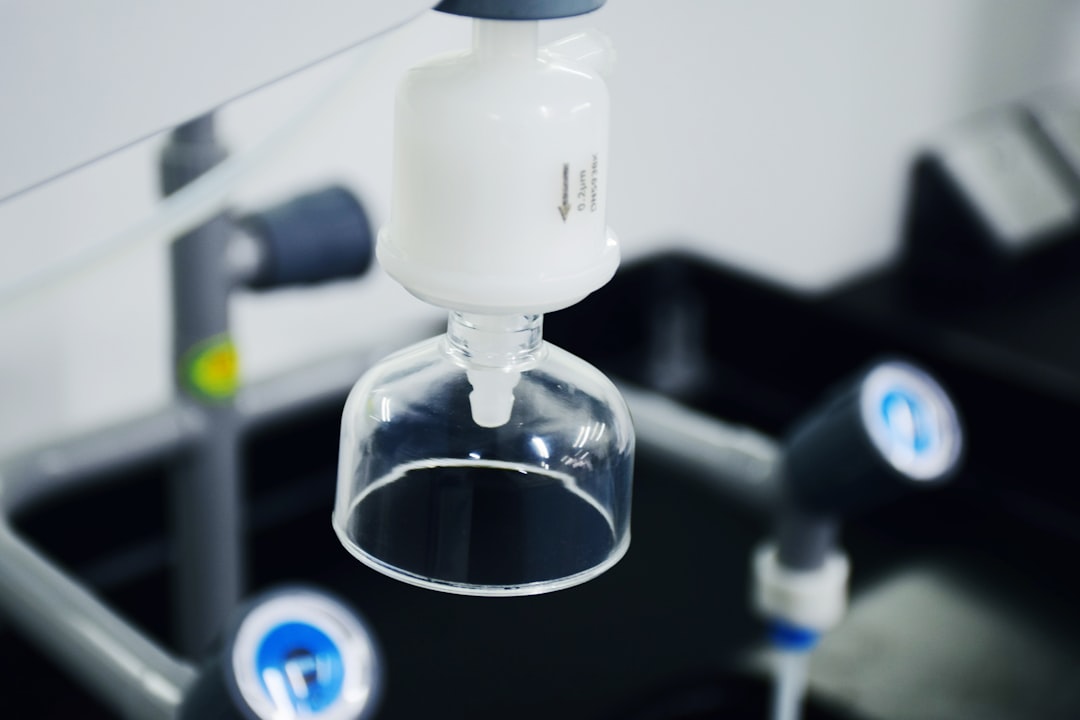
When we talk about “filtered” water, we are generally referring to water that has undergone an additional physical process to remove specific impurities. This is usually done at a point-of-use (POU) device, meaning it occurs in your home, either through a pitcher, a faucet attachment, or a system installed under your sink. The key word here is “additional,” implying a layer of refinement beyond the initial treatment.
The Mechanic of Filtration
Filtration, in the context of home water treatment, is a physical barrier that allows water molecules to pass through while trapping larger particles. The effectiveness of a filter depends entirely on the type of filter medium used and the size of the pores within that medium. Think of it as a more specialized sieve, designed to catch things the public system might have overlooked or deemed less critical.
Types of Filtering Technologies
There’s a diverse landscape of filtering technologies, each with its strengths and weaknesses.
Activated Carbon Filters: The Adsorption Specialists
Activated carbon filters are among the most common for home use. Activated carbon is a porous form of charcoal that has been treated to increase its adsorptive surface area. It works by attracting and holding onto certain contaminants on its surface. These filters are very effective at removing chlorine, volatile organic compounds (VOCs), and improving taste and odor. They are like microscopic sponges, soaking up specific types of unwanted molecules.
Mechanical Filters (Sediment Filters): The Particle Catchers
These are straightforward filters that work by physically blocking particles larger than their pore size. They are often used as a pre-filter to protect more sensitive filtration systems from clogging. Their function is simple: to stop the bigger debris.
Ceramic Filters: The Fine Mesh Screens
Ceramic filters are made from porous ceramic material and can remove sediment, bacteria, and protozoa. They work by having microscopic pores that are too small for these contaminants to pass through. They are a robust option for removing biological contaminants.
Reverse Osmosis (RO) Systems: The Molecular Gatekeepers
Reverse osmosis is a more advanced filtration process that uses a semi-permeable membrane to remove a very wide range of contaminants. The membrane allows water molecules to pass through but blocks dissolved salts, minerals, bacteria, viruses, and even some chemicals. RO systems are highly effective but can also remove beneficial minerals and require a power source and a storage tank. This is like a highly selective bouncer at a club, letting only the most desirable guests (water molecules) in.
Ultrafiltration (UF) and Microfiltration (MF): Variations in Pore Size
These are also membrane-based filtration systems, but with larger pore sizes than RO membranes. They are effective at removing bacteria, protozoa, and larger particles but may not remove dissolved solids as effectively as RO. They represent different levels of sieve fineness.
What Filtered Water Typically Removes
The contaminants removed by filtered water depend heavily on the specific filter type and its micron rating (the size of particles it can block).
Chlorine and VOCs: For Improved Taste and Odor
Activated carbon filters, as mentioned, excel at removing chlorine and many VOCs, which are often responsible for unpleasant tastes and odors in tap water. This is a primary reason many people opt for filtered water.
Sediment and Particulates: For Clarity
Mechanical filters, ceramic filters, and pre-filters in RO systems are good at removing visible sediment, rust, and other suspended particles, leading to clearer water.
Bacteria and Protozoa: For Enhanced Safety
Ceramic filters and finely-rated mechanical filters can remove many bacteria and protozoa, offering an additional layer of protection against microbial contamination.
Dissolved Solids (with RO): A Broader Sweep
RO systems, in particular, can remove a significant percentage of dissolved solids, including heavy metals like lead and arsenic, as well as salts and some chemicals that other filters might miss.
Understanding “Purified” Water
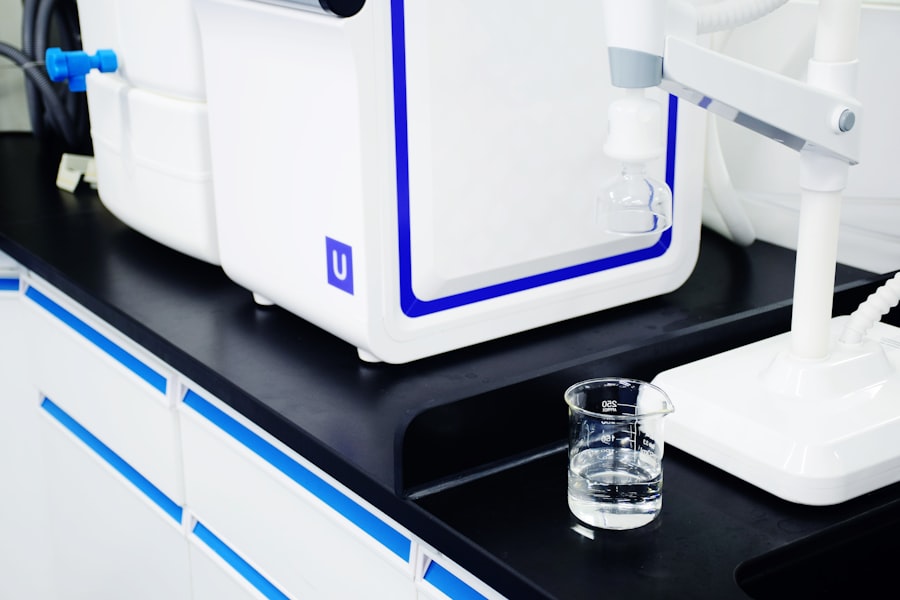
The term “purified” water suggests a higher standard of cleanliness, implying that virtually all impurities have been removed. While there isn’t a single, universally legally defined standard for “purified water” in a consumer context in the same way there might be for medical-grade water, it generally signifies a more thorough and comprehensive removal of a wider spectrum of contaminants than simple filtering.
The Process of Purification
Water purification is a multi-stage process that aims to remove as many impurities as possible, including dissolved minerals, metals, organic compounds, and microorganisms. It often involves a combination of purification technologies. Think of purification as taking the already processed tap water and subjecting it to an even more rigorous, almost spa-like, cleansing ritual.
Common Purification Technologies
Several technologies are often employed in conjunction to achieve purified water.
Distillation: The Evaporation and Condensation Method
Distillation involves boiling water and then collecting and condensing the steam. This process effectively separates water molecules from dissolved minerals, salts, and other non-volatile impurities. The impurities are left behind in the boiling pot. This is a highly effective method for removing dissolved solids but can be slow and energy-intensive. It’s like capturing the purest essence of water by leaving the “impurities” behind.
Deionization (DI): The Ion Exchange Process
Deionization uses ion exchange resins to remove dissolved ionic impurities, such as salts and minerals. The resins attract and hold onto positively and negatively charged ions, replacing them with hydrogen and hydroxide ions, which form water. This method is very effective at producing highly pure water, but it does not remove non-ionic contaminants like bacteria or viruses. It’s like using special sponges that specifically target and trap invisible charged particles.
UV Sterilization: The Germicidal Light
While often used as a primary disinfection method in tap water treatment, UV sterilization is also a crucial component in water purification systems. It uses ultraviolet light to kill bacteria, viruses, and other microorganisms by damaging their DNA. This is a non-chemical method of ensuring biological purity.
Advanced Filtration Techniques
Purification systems often incorporate advanced filtration stages, sometimes including multiple stages of activated carbon filters, ultrafiltration, or even nanofiltration, to remove a broad range of particulate and dissolved contaminants before or after other purification steps.
What Purified Water Typically Removes
The goal of purification is to achieve water that is free from the widest possible array of contaminants.
Dissolved Solids and Minerals: A Clean Slate
Purified water, especially that produced by distillation or RO, is characterized by the significant reduction or elimination of dissolved solids, including minerals and salts. This can affect its taste, often making it taste “flat” to some individuals.
Heavy Metals: Eliminating Toxic Elements
Purification processes are very effective at removing heavy metals like lead, mercury, cadmium, and arsenic, which can pose serious health risks even at low concentrations.
Organic Compounds: Tackling Chemical Contaminants
A comprehensive purification system can remove a wide range of organic compounds, including pesticides, herbicides, industrial chemicals, and byproducts of disinfection.
Microorganisms: Ensuring Biological Purity
Through the combined use of filtration and UV sterilization, purified water systems aim to eliminate bacteria, viruses, protozoa, and other pathogens.
Key Differences: Purified vs. Filtered Tap Water
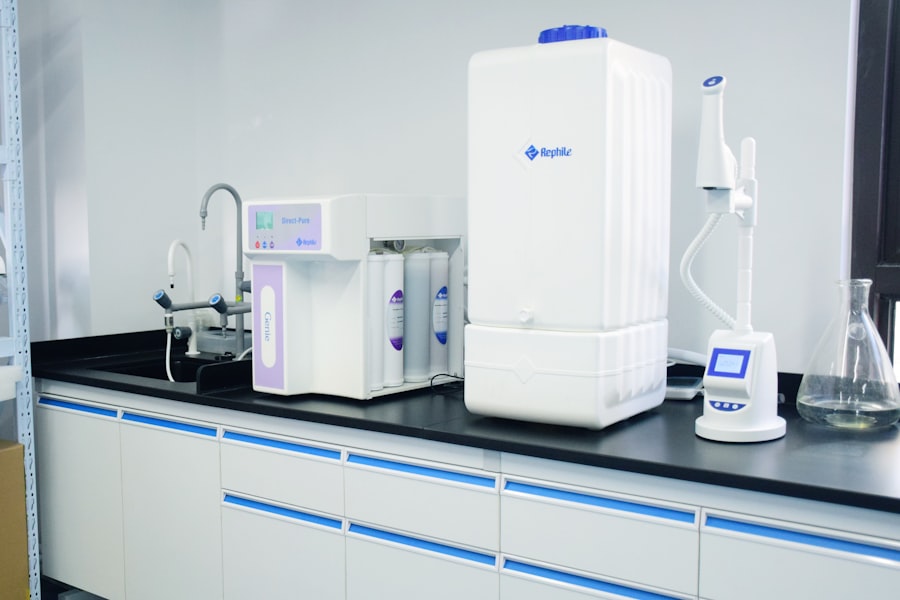
The distinction between purified water and filtered water often boils down to the scope of contaminants removed and the intensity of the treatment process. While both enhance your tap water, they operate on different levels of refinement.
Scope of Contaminant Removal
This is perhaps the most significant differentiator.
Filtered Water: Targeting Specific Issues
Filtered water is generally designed to address specific concerns about your tap water, such as chlorine taste, sediment, or lead. You choose a filter based on what you want to remove. Like choosing a specific tool for a specific job.
Purified Water: A Comprehensive Approach
Purified water aims for a more holistic removal of a wider spectrum of contaminants. It’s like opting for a full-body detox rather than just addressing a single symptom. The goal is to achieve a higher degree of purity overall.
Technologies Employed
The technologies used are a direct reflection of the desired outcome.
Filtration: Primarily Physical Barriers
Most home filtration systems rely on physical barriers (like carbon granules or membranes) to trap contaminants.
Purification: A Combination of Technologies
Purification often involves a synergy of different processes – physical barriers, chemical exchange, and energy-based methods like UV light – to achieve a more exhaustive removal.
Mineral Content and Taste
The removal of minerals has a notable impact.
Filtered Water: Can Retain Beneficial Minerals
Depending on the filter type, filtered water may retain some beneficial minerals found naturally in tap water. This can contribute to a more familiar or preferred taste.
Purified Water: Often Depleted of Minerals
Purified water, particularly that from RO or distillation, has most minerals removed. This can result in a taste that some find bland or metallic, as the minerals that contribute to water’s characteristic flavor are absent.
Cost and Maintenance
The complexity of the process influences upkeep.
Filtration: Generally More Affordable and Simpler Maintenance
Home filtration systems are often less expensive to purchase and maintain than comprehensive purification systems. Cartridge replacement is usually the primary maintenance task.
Purification: Higher Initial Cost and More Complex Maintenance
Purification systems typically have a higher upfront cost and may require more specialized maintenance, such as membrane replacement or calibration of ion exchange resins, along with periodic filter changes.
Many people often wonder about the differences between purified water and regular tap water, leading to questions about their safety and quality. For those interested in exploring this topic further, an insightful article can be found at Hey Did You Know This, which delves into the various purification processes and the implications for health. Understanding these distinctions can help consumers make informed choices about the water they drink.
Which is Right for You?
| Aspect | Filtered Tap Water | Purified Water |
|---|---|---|
| Definition | Tap water passed through a filter to remove some impurities | Water that has undergone extensive purification processes to remove nearly all contaminants |
| Common Methods | Carbon filters, sediment filters | Reverse osmosis, distillation, deionization, UV treatment |
| Contaminants Removed | Chlorine, sediment, some chemicals and odors | Bacteria, viruses, heavy metals, chemicals, dissolved solids |
| Typical TDS (Total Dissolved Solids) | Varies, often 50-200 mg/L | Usually less than 10 mg/L |
| Safety Level | Generally safe depending on local water quality and filter type | Highly safe and pure, suitable for sensitive uses |
| Taste | Improved but may retain some taste of tap water | Neutral or flat taste due to removal of minerals |
| Cost | Lower cost, simple filtration systems | Higher cost due to advanced purification technology |
Deciding between purified and filtered water isn’t about declaring one universally superior. It’s about understanding your specific needs, the quality of your local tap water, and your personal preferences.
Assessing Your Tap Water Quality
The foundation of your decision lies in knowing what’s in your water to begin with.
Obtaining a Water Quality Report
Many municipal water providers offer annual water quality reports (Consumer Confidence Reports in the US) online or by mail. These reports detail the tested contaminants and their levels. This is your baseline, your starting point for evaluation.
Consider Local Geologic and Environmental Factors
Your water source can be affected by local geology (e.g., naturally occurring arsenic) and surrounding industries or agriculture. This context provides clues about potential contaminants.
Evaluating Your Health Concerns
Your personal health goals play a significant role.
Focus on Specific Contaminants
If you have specific concerns about lead from old pipes, pesticides from nearby farms, or chlorine taste, a targeted filtration system might be sufficient. You’re bringing a sharpshooter to neutralize a particular threat.
Aiming for General Purity
If your goal is to minimize exposure to the widest possible range of potential contaminants, or if you have underlying health conditions that make you more susceptible, purified water might be the more cautious approach. You’re seeking an all-encompassing shield.
Personal Taste Preferences
Ultimately, the water you drink needs to be palatable.
The “Flat” Taste of Purity
If you find the taste of highly purified water unappealing, and your tap water quality is already good, then a less intensive filtration might be preferable.
Enhanced Taste and Odor
Many people opt for filtered water primarily to improve the taste and odor of their tap water, making it more enjoyable to drink plain.
Conclusion: Informed Choices for Hydration
Understanding the differences between purified and filtered water transforms you from a passive recipient of whatever flows from your tap into an active guardian of your own hydration. Tap water, after all, is a fundamental element of your daily life, and ensuring its quality is a tangible act of self-care. While municipal treatment provides a crucial baseline of safety, the choice between further filtering or purification is a spectrum of personal control. By consulting water quality reports, considering your health priorities, and listening to your palate, you can confidently navigate the landscape of water treatment and select the option that best serves your well-being, ensuring that the water you drink is not just a necessity, but a clear and conscious choice.
FAQs
What is purified water?
Purified water is water that has been mechanically filtered or processed to remove impurities and contaminants. This can include methods such as distillation, deionization, reverse osmosis, or carbon filtration to ensure the water meets specific purity standards.
How does purified water differ from filtered tap water?
Filtered tap water typically undergoes basic filtration to remove chlorine, sediment, and some contaminants, but it may still contain dissolved minerals and other impurities. Purified water, on the other hand, goes through more rigorous processes to remove nearly all contaminants, including dissolved solids, bacteria, and chemicals.
Is purified water always made from tap water?
Not necessarily. While purified water is often produced by treating tap water, it can also be sourced from other water supplies such as well water or natural springs before undergoing purification processes.
What are common methods used to purify water?
Common purification methods include reverse osmosis, distillation, deionization, and advanced filtration systems. Each method targets different types of impurities to produce water that meets high purity standards.
Is purified water safer to drink than regular tap water?
Purified water generally has fewer contaminants than regular tap water, making it safer in terms of chemical and microbial content. However, in many developed regions, tap water is already treated and safe to drink according to regulatory standards. The choice depends on personal preference and specific water quality concerns.