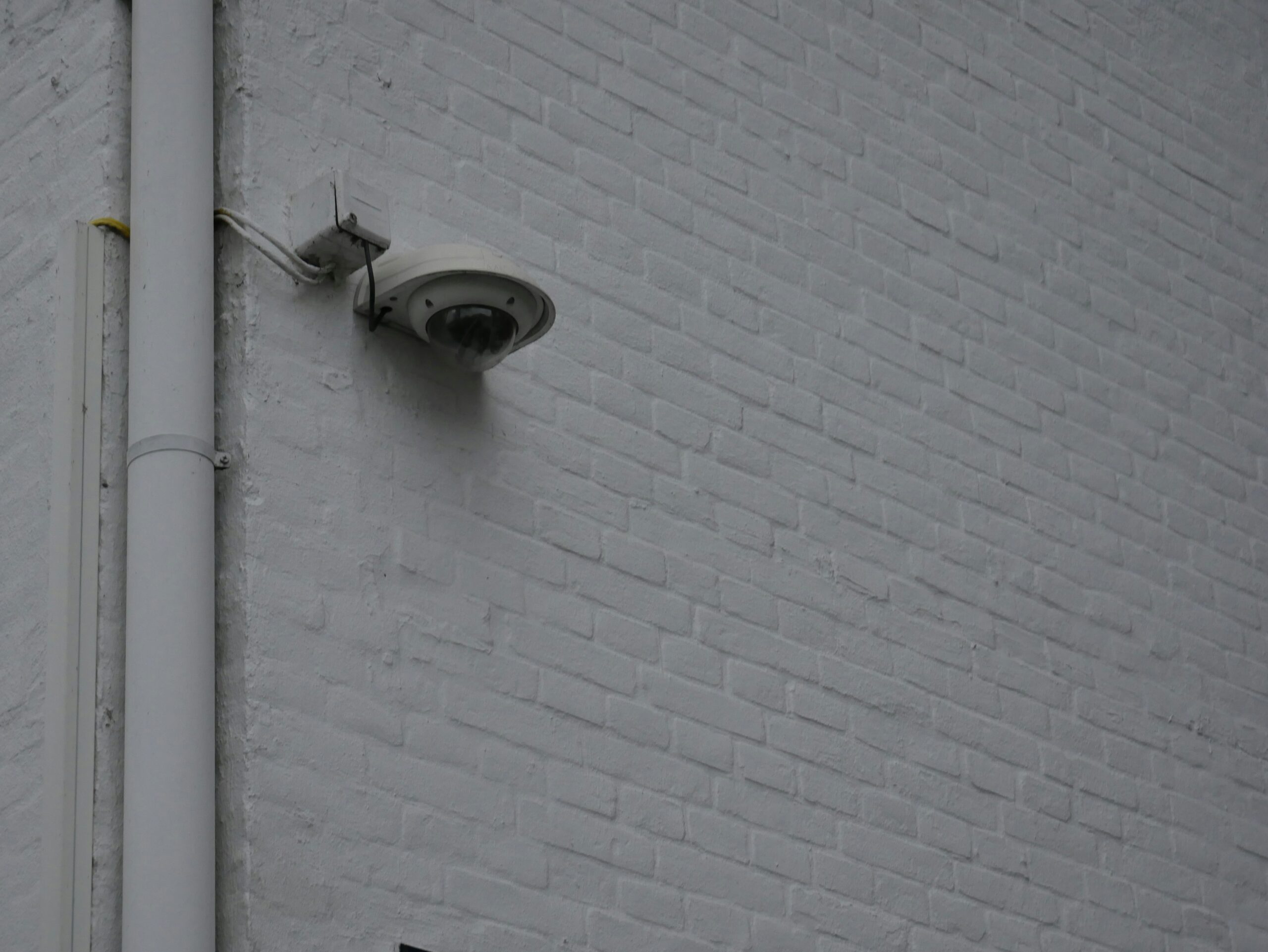
You’ve likely encountered them: the subtle shimmer of a camera lens tucked into a doorbell, the discreet dome of a security system, or even the discreet placement of smart devices that promise convenience but also offer a constant watchful eye. Home surveillance, once the domain of high-security facilities, has become increasingly commonplace, permeating your living space with the promise of safety and control. While many embrace these technologies for their perceived benefits, it’s crucial to recognize that this increased visibility comes at a cost to your privacy. This article will guide you through understanding the landscape of home surveillance and, more importantly, empower you with practical strategies to opt out and reclaim control over your personal sphere.
The proliferation of home surveillance is driven by a confluence of factors, from legitimate security concerns to market pressures for connected devices. Recognizing the various forms surveillance can take is the first step in effectively navigating this terrain.
The Ubiquitous Smart Home Device
You might have a smart speaker in your living room, a smart thermostat adjusting your home’s temperature, or smart lights that respond to your voice. These devices, while offering convenience, are often equipped with microphones and sometimes cameras, designed to listen and observe to fulfill your commands. The data they collect, even when not actively used for explicit surveillance, can be stored, analyzed, and potentially shared, creating a digital footprint of your daily life within your own home. The constant hum of these devices, though often unnoticed, represents an ongoing passive collection of information.
The Rise of the Connected Camera
Doorbell cameras, security cameras mounted inside and outside your home, and even nanny cams are now readily available and relatively easy to install. These devices are explicitly designed for observation, capturing video and audio feeds that are often transmitted wirelessly to cloud storage or your mobile device. While marketed as deterrents to crime, they also record every person who passes by your property, every delivery person, and every moment of your own comings and goings. The extent of this recording can be far beyond what you might instinctively feel is necessary for personal security.
Data Collection and Sharing Practices
Beyond the immediate recording, the data collected by these devices is a valuable commodity. Manufacturers often have terms of service that grant them broad rights to collect, use, and share data. This data can be anonymized and aggregated for market research, used to improve their services, or, in some cases, shared with third parties for various purposes, including targeted advertising. Understanding the privacy policies of the companies behind these devices is a complex but essential undertaking. These policies can be lengthy, filled with legal jargon, and often vaguely worded, making it difficult to ascertain the true extent of data usage.
Potential for Misuse and Security Breaches
While manufacturers strive for security, no system is entirely foolproof. Exploits and vulnerabilities can be discovered, leaving your surveillance feeds exposed to unauthorized access by malicious actors. This can range from individuals peeking into your home to more sophisticated attacks that could lead to identity theft or other forms of harm. The very systems designed for your protection can, in the wrong hands, become instruments of violation.
In today’s digital age, many individuals are becoming increasingly concerned about their privacy and the extent of surveillance in their homes. For those looking to take proactive steps to protect their personal space, a helpful resource can be found in the article on how to opt out of digital surveillance. This informative piece offers practical tips and strategies to minimize unwanted monitoring and regain control over your home environment. To learn more, you can read the article here: How to Opt Out of Digital Surveillance.
Identifying Your Personal Vulnerabilities
Before you can effectively opt out, you need to know where your privacy is most exposed. This involves an honest assessment of the technologies you currently use and how they are configured.
An Inventory of Your Connected Devices
Take a systematic approach. Go room by room, and even drawer by drawer, listing every device that connects to your home network or has sensing capabilities. This includes not just obvious surveillance hardware but also smart TVs, gaming consoles, and even some modern appliances that may have built-in microphones or cameras. Don’t overlook seemingly innocuous items; the smart features in a refrigerator, for example, might include voice interaction capabilities that are constantly listening.
Examining Device Settings and Permissions
Once you have your inventory, delve into the settings of each device. Pay close attention to permissions granted for microphone and camera access. Many devices default to granting broad permissions; you need to actively restrict these to the bare minimum required for the device’s core functionality that you actually use. For instance, does your smart speaker really need access to your location data all the time? Does your smart thermostat need permission to access your contacts?
Reviewing Privacy Policies and Terms of Service
This is the less glamorous but critically important step. Navigate to the manufacturer’s website and locate the privacy policy and terms of service for each device. While daunting, try to identify key clauses related to data collection, storage, sharing, and retention. Look for terms like “third-party sharing,” “anonymized data,” “marketing purposes,” and “data retention periods.” If a policy is particularly opaque or concerning, it might be a signal to reconsider using that device.
Assessing Your Network Security
The security of your devices is inextricably linked to the security of your home network. A weak Wi-Fi password or an outdated router can make your entire connected ecosystem vulnerable. Ensure you are using strong, unique passwords for your Wi-Fi and all connected devices. Regularly update your router’s firmware to patch known security vulnerabilities. Consider employing network segmentation to isolate sensitive devices from less secure ones if your router supports it.
Strategies for Opting Out: A Layered Approach
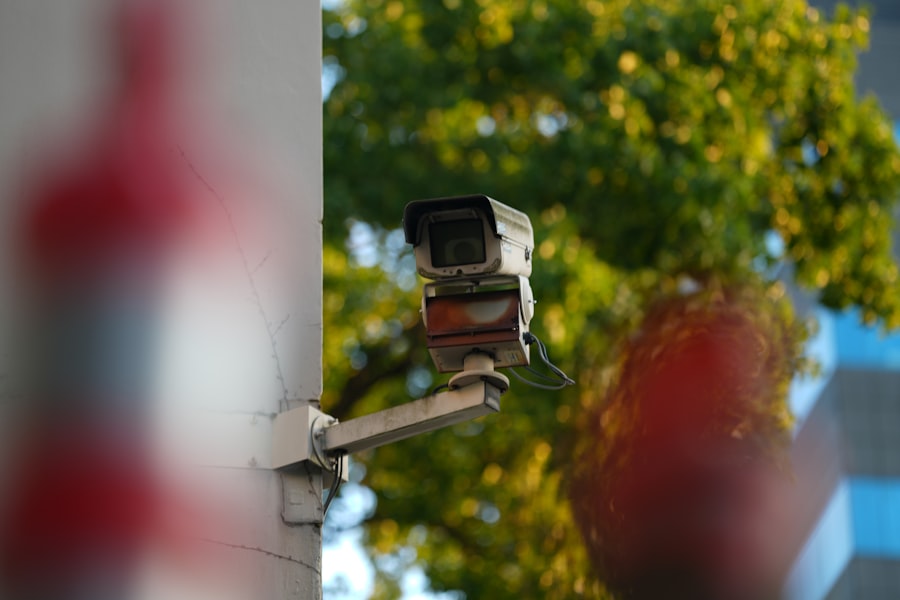
Opting out of home surveillance isn’t usually a single action; it’s a sustained effort involving multiple strategies. The goal is to reduce the amount of data collected about you and your household, and to regain control over who has access to it.
Disconnecting and Deactivating
The most direct way to opt out is to simply disconnect devices or deactivate their surveillance features.
Unplugging and Powering Down
For devices you rarely use or whose surveillance features are not essential, the simplest solution is to unplug them. If a device has a battery, removing it will prevent activation. For devices with a power switch, ensure it’s turned off. This physically removes the device’s ability to collect and transmit data.
Disabling Microphones and Cameras
Many devices offer software-based options to disable microphones and cameras. Explore the device’s settings or companion app to find these options. For devices with physical camera shutters or microphone mute buttons, utilize these directly. It’s often wise to disable these features even if you plan to use the device for other purposes, as a precautionary measure.
Removing or Restricting App Permissions
The mobile apps that control many smart devices often request extensive permissions. Regularly review the permissions granted to these apps on your smartphone or tablet. Revoke any permissions that are not absolutely essential for the app’s intended function. For example, if a smart light app doesn’t require access to your location or contacts, remove those permissions.
Mitigating Data Collection
For devices you choose to keep active, there are ways to minimize the data they collect and how it’s used.
Adjusting Data Retention Policies
Some devices and services allow you to set data retention periods. Choose the shortest possible retention period that still meets your minimal needs. This limits the amount of historical data that can be accessed. If no such option exists, consider regularly manually deleting your stored data, if the platform allows.
Opting Out of Data Sharing and Personalization
Within the settings of most smart devices and their associated apps, you will find options to opt out of data sharing with third parties or personalized advertising. Actively seek out these checkboxes and toggles and enable them. These settings are often buried deep within menus, requiring persistence to locate.
Using Local Network Control When Possible
Some smart home devices offer the option of local network control, meaning they can communicate within your home’s network without necessarily sending data to the cloud. Prioritize devices that offer this functionality. This not only enhances privacy but can also improve responsiveness by reducing reliance on an internet connection.
Network-Level Protection
Securing your network provides a foundational layer of defense against unauthorized access to your surveillance devices.
Strong Wi-Fi Security Protocols
Ensure your Wi-Fi network is using the strongest available security protocol, typically WPA3 or WPA2. Avoid older, less secure protocols like WEP. Use a very strong, unique password composed of a mix of uppercase and lowercase letters, numbers, and symbols.
Router Updates and Firewall Configuration
Keep your router’s firmware updated to the latest version. Manufacturers frequently release updates to patch security vulnerabilities. Familiarize yourself with your router’s firewall settings and ensure it is enabled and configured appropriately to block unwanted inbound traffic.
Guest Networks and Network Segmentation
If your router supports it, create a separate guest network for devices that don’t require access to sensitive information or other devices on your main network. This can help contain potential security breaches. For advanced users, consider network segmentation using VLANs (Virtual Local Area Networks) to further isolate different types of devices.
Considering Hardware-Based Solutions
Beyond software adjustments, there are hardware options that can offer a more definitive form of privacy control.
Camera Covers and Blinders
For physical cameras, simple and inexpensive camera covers can provide a physical barrier when the camera is not in use. For integrated cameras on laptops or other devices, there are small, adhesive shutters that can be slid into place.
Microphone Kill Switches
Some devices, particularly higher-end security cameras or dedicated audio recording devices, may have physical microphone kill switches. These offer a definitive way to ensure audio is not being captured.
RF Signal Blockers (Faraday Pouches/Boxes)
For highly sensitive devices, such as smartwatches or certain key fobs, placing them within a Faraday pouch or box can block all radio frequency transmissions, effectively preventing them from sending or receiving any signals. While not typically applicable to primary home surveillance devices like cameras, it’s a relevant strategy for other potential surveillance vectors in your life.
Reassessing Your Security Needs

The primary justification for home surveillance is security. However, it’s important to critically evaluate whether your current surveillance measures are truly necessary and effective, or if they are simply a compliance with a societal norm.
Evaluating the Effectiveness of Your Current Setup
Are your cameras actually deterring crime, or are they merely recording incidents after the fact? Do you regularly review the footage, and if so, what actionable insights do you gain? If your surveillance setup is largely passive and not integrated into a proactive security strategy, it may be more of a privacy drain than a security benefit. Consider the trade-off: how much privacy are you sacrificing for a perceived, but possibly unproven, security gain.
Exploring Alternative Security Measures
There are numerous security measures that do not involve extensive surveillance.
Traditional Alarm Systems
A professionally monitored alarm system, which alerts authorities in case of intrusion, can offer a strong deterrent and rapid response without the constant video recording. The focus is on alerting to breaches, not on continuous observation.
Physical Security Enhancements
Robust locks on doors and windows, improved lighting around your property, and well-maintained landscaping can all contribute to a more secure home. These methods are often more effective at preventing crime in the first place than passive surveillance.
Community Watch Programs
Engaging with your neighbors and participating in community watch programs can foster a sense of collective security and awareness. This relies on human observation and communication, rather than on constant digital monitoring.
Smart Lighting and Motion Sensors
Smart lighting systems can be programmed to turn on and off at set times, creating the illusion of occupancy. Motion sensors, when not connected to cameras, can trigger lights or alarms without recording video. They provide a reactive security measure without the extensive data collection of cameras.
Defining Your Minimal Security Perimeter
What level of security do you genuinely need for your peace of mind and protection? It’s unlikely that every square inch of your property needs to be under constant surveillance. Define your “minimal security perimeter” – the essential areas and times that require monitoring, if any. This can help you make more informed decisions about which devices, if any, truly need to be active.
In today’s world, many individuals are becoming increasingly concerned about their privacy and the extent of digital surveillance in their homes. For those looking to take control of their personal space, understanding how to opt out of these invasive practices is essential. A helpful resource on this topic can be found in a related article that provides practical tips and strategies. You can explore more about this important issue by visiting this informative article that guides you through the steps to enhance your privacy and reduce unwanted monitoring.
Maintaining Ongoing Privacy Vigilance
| Step | Description |
|---|---|
| 1 | Review and update privacy settings on all devices |
| 2 | Use privacy-focused search engines and browsers |
| 3 | Disable or cover up cameras and microphones when not in use |
| 4 | Regularly update and secure your home network |
| 5 | Consider using privacy-focused smart home devices |
Protecting your privacy is not a one-time task but an ongoing process. Technology evolves rapidly, and so do the methods of data collection and potential breaches.
Regular Audits of Your Devices and Settings
Schedule regular check-ins, perhaps quarterly or semi-annually, to review your connected devices, their settings, and the permissions you’ve granted. New features are often added, and settings can sometimes revert to default after updates. A proactive audit can catch these changes before they impact your privacy.
Staying Informed About Emerging Technologies and Threats
The world of smart home technology and surveillance is constantly changing. Subscribe to reputable tech news sources, cybersecurity blogs, and privacy advocacy groups. Understanding new threats and vulnerabilities as they emerge will empower you to adapt your strategies. Be wary of new devices advertised with advanced sensing capabilities without first investigating their privacy implications.
Practicing Digital Hygiene
This extends beyond your home surveillance. Strong password practices, two-factor authentication, and being cautious about sharing personal information online all contribute to a more secure digital life, which indirectly protects your home environment as well.
Advocating for Stronger Privacy Protections
Consider supporting organizations that advocate for stronger data privacy laws and regulations. Your individual actions are important, but broader societal change is also crucial for rebalancing the power between consumers and technology companies. Public discourse and consumer demand can influence industry practices.
By taking a deliberate and informed approach, you can significantly reduce your exposure to home surveillance and reclaim a greater degree of privacy within your own living space. It requires a conscious effort to understand the technologies involved, to critically assess your needs, and to implement strategies that prioritize your personal data protection.
FAQs
What is digital surveillance in the home?
Digital surveillance in the home refers to the use of technology to monitor and record activities within the home, such as through smart devices, cameras, and other connected devices.
Why should I be concerned about digital surveillance in my home?
Digital surveillance in the home can pose privacy and security risks, as it can potentially expose personal information and activities to unauthorized parties.
How can I opt out of digital surveillance in my home?
To opt out of digital surveillance in your home, you can start by reviewing and adjusting the privacy settings on your smart devices, disabling unnecessary features, and considering using privacy-focused alternatives.
What are some common sources of digital surveillance in the home?
Common sources of digital surveillance in the home include smart speakers, smart TVs, security cameras, smart thermostats, and other internet-connected devices.
What are some best practices for minimizing digital surveillance in the home?
Some best practices for minimizing digital surveillance in the home include regularly reviewing and updating privacy settings, using strong and unique passwords for smart devices, and being mindful of the data collection practices of connected devices.