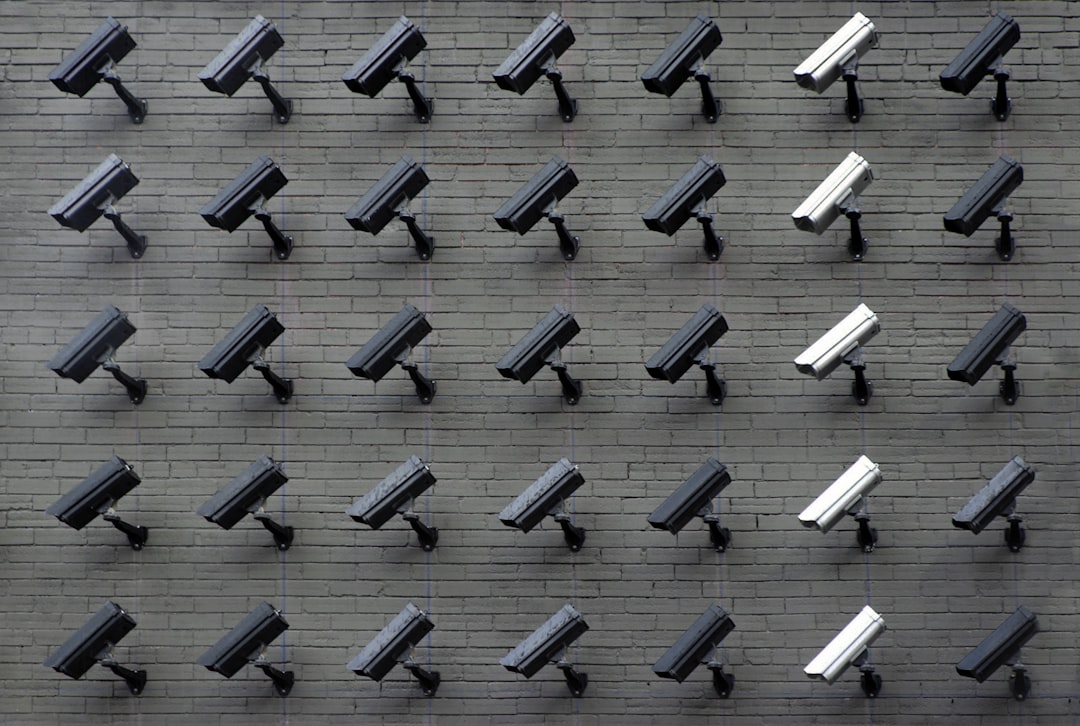
The proliferation of smart appliances has ushered in an era of unparalleled convenience, transforming mundane chores into seamless, automated processes. Your refrigerator can now reorder groceries, your thermostat learns your heating preferences, and your washing machine can be programmed from across town. This interconnected ecosystem, while alluring, presents a burgeoning challenge: safeguarding your data privacy. Each smart device, a tiny digital sentinel in your home, collects a wealth of information about your habits, routines, and personal preferences. Understanding and actively protecting this data is paramount, like building a robust firewall around your ever-expanding digital domain.
Smart appliance apps are the gateways through which your devices communicate with the wider digital world, and consequently, where your data begins its journey. These applications are not merely passive interfaces; they are active data collectors, meticulously recording your interactions and the operational status of your devices.
The Breadth of Data Gathered
The types of data collected can vary significantly depending on the appliance and its manufacturer. This is not a monolithic stream of information but rather a diverse tapestry woven from your daily life.
Usage Patterns and Preferences
This is perhaps the most obvious category. Your smart oven app will know how often you bake, at what temperatures, and for how long. Your smart TV app will track your viewing habits, the channels you frequent, and the times you are most likely to be watching. This data allows manufacturers to tailor user experiences and, in some cases, personalize advertisements. Think of it as the appliance developers keeping a detailed diary of your domestic life, noting down every little preference and habit.
Personal Identifiable Information (PII)
Beyond simple usage, many apps require you to create accounts, often necessitating the input of PII. This can include your name, email address, phone number, and even your physical address. This information is crucial for account management, service delivery, and sometimes for shipping replacement parts or marketing materials. This is the foundational layer of your online identity, and it’s being linked to your home’s operational systems.
Location Data
Many smart home devices, especially those that offer remote control or geofencing capabilities (like smart thermostats or lighting systems), collect precise location data. This is vital for functionalities such as turning off lights when you leave the house or adjusting the temperature as you approach. This data paints a detailed picture of your comings and goings, revealing your daily commute, your weekend getaways, and even when your home is unoccupied.
Sensor Data and Environmental Information
Beyond direct user interaction, smart appliances are equipped with sensors that gather information about their environment. A smart refrigerator might monitor internal temperatures, humidity levels, and even the frequency with which its door is opened. A smart air purifier will track air quality, dust particle levels, and humidity. These data points contribute to understanding the overall health and operational efficiency of your home. This is like your house breathing and reporting its vital signs to an external medical professional.
Voice and Command Data
For voice-activated appliances, the collected data extends to voice recordings and commands. When you speak to your smart assistant to preheat the oven or dim the lights, these interactions are processed and, in many cases, stored for analysis and improvement of the voice recognition technology. This means your spoken words, when interacting with smart devices, can become part of a larger data set.
In today’s digital age, the rise of smart appliances has brought significant convenience, but it also raises important concerns regarding data privacy. A related article that delves into the implications of data collection by smart appliance apps can be found at Hey Did You Know This. This article explores how these apps gather user information, the potential risks involved, and what consumers can do to protect their personal data while enjoying the benefits of smart technology.
Navigating App Permissions and Privacy Policies
When you download and install an app for your smart appliance, you are entering into an agreement, albeit one often made in haste. These agreements, disguised as lengthy terms of service and privacy policies, are the legal blueprints of how your data will be handled. Carefully scrutinizing these documents, much like inspecting the foundations of a house before moving in, is essential.
Deconstructing the Privacy Policy
Privacy policies can be dense, filled with legal jargon, but they hold the key to understanding the manufacturer’s data practices. Treat them not as optional reading but as essential investigative reports.
Identifying Data Usage and Sharing
The most critical section of any privacy policy details how your data will be used and with whom it will be shared. Look for statements regarding:
- Internal Use: How the manufacturer uses your data to improve its products and services. This is often presented as an inevitable byproduct of technological advancement.
- Third-Party Sharing: Whether your data is shared with advertisers, marketing partners, or other third parties. This is where the analogy of data becoming a commodity on the open market becomes most pertinent. This can range from anonymized aggregate data to more specific personal data.
- Data Aggregation: If your data is combined with data from other users to create anonymized statistical insights. While this sounds benign, the scale of ‘anonymized’ data can still be revealing.
Understanding Data Retention Periods
How long will the manufacturer retain your data? Some policies may specify a definitive period, while others might indicate data is kept “as long as necessary” for the stated purposes. This ambiguity can be a red flag, as it provides little concrete assurance about the longevity of your data’s presence in their systems. It is akin to leaving your personal belongings in a storage unit with no clear end date for your contract.
Examining Data Security Measures
While not strictly about usage or sharing, the privacy policy should also touch upon the security measures the company employs to protect your data from unauthorized access and breaches. Look for information on encryption, access controls, and incident response plans. This is the digital equivalent of asking about the security system of the storage unit.
The Power of App Permissions
The app itself will request various permissions to function. Treat these permissions like access keys to different rooms in your house.
Granular Control Over Permissions
Modern operating systems allow for granular control over app permissions. Before granting access, ask yourself if the requested permission is truly necessary for the app’s core functionality.
- Location Services: Does your smart coffee maker really need to know your precise location 24/7? Often, “while using the app” is a viable and more privacy-conscious alternative to “always.”
- Access to Contacts or Calendar: Unless the appliance has a direct integration with these, such permissions are often unnecessary and represent a potential data leak.
- Microphone Access: For voice-controlled devices, this is essential, but for others, it can be a significant privacy concern.
Regularly Reviewing Granted Permissions
It is good practice to periodically review the permissions you have granted to all your apps, including those for smart appliances. As apps update or your needs change, some permissions may become obsolete or overly intrusive. This is like doing a quarterly sweep of your house to ensure no unnecessary keys are lying around.
Implementing Robust Security Practices

Beyond understanding policies and managing permissions, actively implementing security practices is crucial. Your data privacy is not a passive state but an ongoing endeavor, a constant vigilance against potential threats.
Strong, Unique Passwords are Your First Line of Defense
This is the digital equivalent of ensuring your front door has a sturdy lock.
Password Management Strategies
- Avoid Common or Easily Guessable Passwords: Do not use your name, birthday, or sequential numbers.
- Utilize a Password Manager: These tools generate and store complex, unique passwords for all your online accounts, including your smart appliance apps. Treating each login as a separate, highly secured vault is the ideal.
- Enable Two-Factor Authentication (2FA): Whenever available, activate 2FA. This adds an extra layer of security, requiring a second verification step (e.g., a code sent to your phone) in addition to your password. This is like having a security guard at the door who checks your ID even after you’ve unlocked it.
Keeping Your Software Updated
Software updates are not just about new features; they are often critical security patches.
Patching Vulnerabilities
Manufacturers regularly release updates to address newly discovered security vulnerabilities. Failing to update your appliance’s firmware and its corresponding app is akin to leaving a known weakness in your home’s defenses exposed. Think of these updates as the regular maintenance and repair work needed to keep your digital infrastructure sound.
Automatic Updates vs. Manual Checks
While automatic updates can be convenient, it is wise to periodically check for manual updates as well. Ensure your apps are also up-to-date through your device’s app store. This dual approach ensures you are not missing any crucial security enhancements.
Secure Your Home Network
Your home Wi-Fi network is the central nervous system connecting all your smart devices. Securing it is paramount.
Router Security
- Change Default Router Passwords: The default username and password for your router are widely known. Change them immediately to strong, unique credentials.
- Enable WPA3 Encryption: This is the latest and most secure Wi-Fi encryption protocol. If your router does not support WPA3, use WPA2 with AES.
- Guest Network Isolation: If your router offers a guest network, use it for visitors and potentially for less critical smart devices. This segregates their access from your main network, acting as another layer of containment.
- Disable WPS: Wi-Fi Protected Setup (WPS) can be a security vulnerability. If possible, disable it on your router.
Understanding and Mitigating Risks

Even with the best security practices in place, the landscape of cyber threats is constantly evolving. Understanding potential risks allows you to anticipate and mitigate them effectively.
The Threat of Data Breaches
Smart appliance manufacturers, like any data holder, are potential targets for cyberattacks. A breach could expose your personal information, usage patterns, and even access credentials to malicious actors. This is the risk of a well-fortified building being targeted by determined thieves.
What to Do in Case of a Breach
- Monitor for Suspicious Activity: Be vigilant for any unusual activity related to your smart appliance accounts or your personal information.
- Change Passwords: If a breach is confirmed, immediately change passwords for the affected service and any other accounts that share similar credentials.
- Follow Manufacturer Guidance: Pay attention to any official communications from the manufacturer regarding a breach and follow their recommended steps.
The Specter of Unauthorized Access
Beyond large-scale breaches, individual devices can be vulnerable to targeted attacks.
Targeted Attacks and Exploits
Malicious actors can exploit vulnerabilities in specific devices or apps to gain unauthorized access to your home network and your data. This could allow them to control your appliances, monitor your activities, or even use your devices as a springboard for further attacks. This is akin to a burglar identifying a specific weak point in your house’s exterior.
The Importance of a Digital Diet
Consider a “digital diet” for your smart appliances. If a device is not actively used or if its smart features are not essential, consider disabling them or even disconnecting them from your network. This reduces your attack surface, much like closing off unused rooms in your house to minimize potential entry points for an intruder.
As smart appliances become increasingly integrated into our daily lives, concerns about data privacy in their associated apps are on the rise. A recent article highlights the potential risks and vulnerabilities that users face when connecting their devices to the internet. For a deeper understanding of these issues, you can read more about it in this insightful piece on data privacy in smart appliance apps at this link. It’s essential for consumers to stay informed and take necessary precautions to protect their personal information while enjoying the convenience of smart technology.
Advocating for Your Digital Rights
| Metric | Description | Typical Value / Range | Notes |
|---|---|---|---|
| Data Collected | Types of personal data collected by smart appliance apps | Usage patterns, location, voice commands, device status | Varies by app and appliance type |
| Data Retention Period | Duration for which user data is stored | 30 days to indefinite | Often specified in privacy policies |
| Encryption Standard | Level of encryption used for data transmission and storage | TLS 1.2 or higher, AES-256 | Industry best practice for data security |
| User Consent Rate | Percentage of users who consent to data collection | 60% – 90% | Depends on app transparency and user trust |
| Third-Party Sharing | Frequency of data sharing with third parties | Common in 40% – 70% of apps | Often for analytics or advertising |
| Privacy Policy Length | Average length of privacy policies in smart appliance apps | 2,000 – 5,000 words | Longer policies may reduce user comprehension |
| Data Breach Incidents | Reported data breaches involving smart appliance apps | Increasing trend, approx. 5-10% annually | Highlights need for improved security measures |
| App Permissions Requested | Number of permissions requested by smart appliance apps | 5 – 15 permissions | Includes access to microphone, location, storage |
Your privacy is not only your responsibility but also a right. As a consumer, you have the power to influence how companies handle your data.
Consumer Awareness and Advocacy
The more informed consumers are about data privacy issues, the more pressure manufacturers will feel to adopt stronger protections.
Choosing Reputable Brands
When purchasing smart appliances, research the brand’s reputation for data privacy and security. Look for companies that are transparent about their practices and have a history of prioritizing user security. This is like choosing a builder with a proven track record of quality and integrity.
Supporting Privacy-Focused Initiatives
Stay informed about consumer advocacy groups and initiatives that champion data privacy. Supporting these organizations can amplify your voice and contribute to broader change.
Demanding Transparency and Accountability
As technology evolves, so too must the regulations and expectations surrounding data privacy.
The Need for Clearer Regulations
Many current privacy laws were not designed with the intricacies of the Internet of Things (IoT) in mind. Advocate for clearer, more robust regulations that hold manufacturers accountable for the data they collect and process. This is about establishing stronger building codes for the digital infrastructure of your home.
Holding Manufacturers Accountable
If a manufacturer fails to uphold their privacy commitments or is negligent in protecting your data, explore your options for seeking recourse. This could involve reporting them to regulatory bodies or, in some cases, legal action. This is the ultimate recourse when a contractor fails to meet their obligations.
By understanding the intricacies of data collection, meticulously navigating app permissions and privacy policies, implementing robust security practices, and actively advocating for your digital rights, you can build a more secure and private smart home. Your smart appliances offer convenience, but this convenience should not come at the cost of your fundamental right to privacy. Treat your data with the same care and attention you would your most valuable possessions, and you can enjoy the benefits of a connected home without becoming a pawn in the data economy.
FAQs
What is data privacy in smart appliance apps?
Data privacy in smart appliance apps refers to the protection of personal and sensitive information collected, stored, and processed by applications that control or monitor smart home devices. It ensures that user data is handled securely and used only for intended purposes.
What types of data do smart appliance apps typically collect?
Smart appliance apps commonly collect data such as device usage patterns, user preferences, location information, voice commands, and sometimes personal identifiers like names and contact details. This data helps improve device functionality and user experience.
How can users protect their data privacy when using smart appliance apps?
Users can protect their data privacy by regularly updating app software, using strong and unique passwords, enabling two-factor authentication if available, reviewing app permissions, and being cautious about sharing personal information within the app.
Are smart appliance apps required to comply with data privacy regulations?
Yes, many smart appliance apps must comply with data privacy regulations such as the General Data Protection Regulation (GDPR) in Europe, the California Consumer Privacy Act (CCPA) in the United States, and other regional laws that govern how personal data is collected, stored, and used.
What risks are associated with poor data privacy practices in smart appliance apps?
Poor data privacy practices can lead to unauthorized access, data breaches, identity theft, and misuse of personal information. This can compromise user security, lead to financial loss, and erode trust in smart appliance technologies.