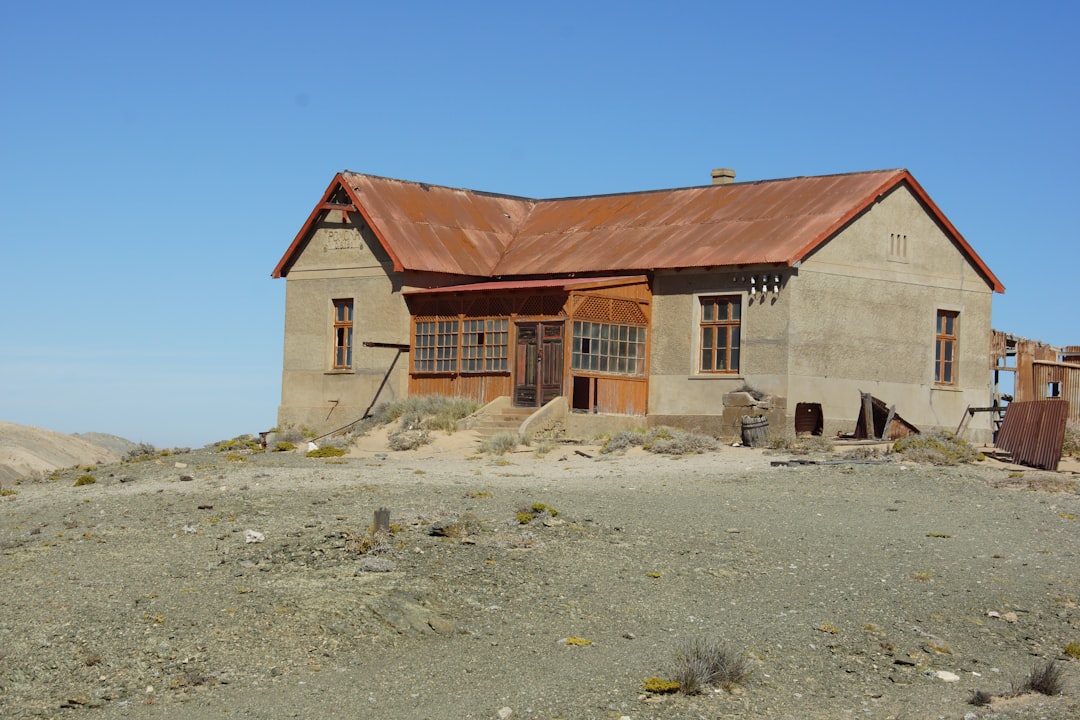
Water, the lifeblood of our planet, underpins all ecosystems and human societies. Its availability and quality are paramount for public health, economic development, and environmental sustainability. However, this fundamental resource faces numerous threats, one of the most insidious and often overlooked being unregulated sand mining. This practice, while appearing innocuous at first glance, has profound and far-reaching consequences for water sources, disrupting hydrological cycles, degrading water quality, and endangering aquatic biodiversity. This article explores the critical need for comprehensive regulation of sand mining to safeguard our vital water resources.
Sand, a ubiquitous material, serves as a crucial component in construction, infrastructure development, and various industrial processes. Its extraction, particularly from rivers, lakes, and coastal areas, is a global industry with significant economic value. However, the methods and scale of sand mining often disregard environmental consequences, particularly those impacting water bodies.
Understanding the Hydrological Impact
Riverbeds and floodplains are not merely repositories of sand; they are integral parts of complex hydrological systems. The extraction of sand significantly alters these systems in several ways:
- Changes in River Morphology: When sand is removed from a riverbed, the river attempts to re-establish its equilibrium by eroding its banks and bed upstream and downstream of the extraction site. This causes channel deepening, widening, and alteration of natural meanders. These changes can lead to increased water velocity, making river navigation more challenging and potentially destabilizing bridges and other infrastructure.
- Lowering of the Water Table: As the riverbed deepens, the water table in the surrounding areas often falls. This phenomenon has severe implications for groundwater-dependent ecosystems and human communities. Wells that once provided ample water may dry up, forcing communities to dig deeper or seek alternative, often more expensive, water sources. Agricultural lands relying on shallow groundwater may experience reduced crop yields or become unproductive.
- Increased Sediment Load and Turbidity: Mining operations churn up sediments, increasing the suspended solid load in the water. This increased turbidity reduces light penetration, hindering photosynthesis in aquatic plants and impacting the vision of aquatic organisms. It can also clog the gills of fish and invertebrates, leading to respiratory distress and even mortality.
- Alteration of Floodplain Dynamics: Floodplains are vital for natural flood attenuation, recharging groundwater, and providing fertile agricultural land. Sand mining on floodplains can reduce their capacity to absorb floodwaters, leading to more frequent and severe flooding in downstream areas. It also damages the intricate network of wetlands, oxbow lakes, and backwaters that are crucial for biodiversity.
Impact on Water Quality and Aquatic Ecosystems
Beyond the physical perturbation of water bodies, sand mining exerts significant pressure on water quality and the delicate balance of aquatic ecosystems.
- Pollution and Contamination: Mining activities can introduce a range of pollutants into water sources. Machinery used for extraction can leak oil, grease, and other chemicals. The disposal of mining waste, often containing fine sediments and other contaminants, can further degrade water quality. In some cases, arsenic and other heavy metals naturally present in the excavated sand can be released into the water, posing serious health risks to humans and wildlife.
- Disruption of Habitat and Biodiversity Loss: Riverbeds provide diverse habitats for a multitude of aquatic species, including fish, invertebrates, amphibians, and reptiles. Sand mining destroys these habitats by removing critical spawning grounds, feeding areas, and shelter. The increased turbidity and altered flow regimes further stress these ecosystems, leading to a decline in biodiversity. Endangered species are particularly vulnerable to these disruptions.
- Changes in Water Temperature: Alterations in river morphology and flow can lead to changes in water temperature, which can be detrimental to temperature-sensitive aquatic species. Deeper, slower-moving water may experience higher temperatures, while areas with increased flow may see cooler temperatures, shifting the suitability of habitats for different species.
The regulation of sand mining is crucial for the protection of water sources, as excessive extraction can lead to significant environmental degradation and the depletion of vital aquatic ecosystems. For further insights into the implications of sand mining and the measures being taken to mitigate its impact, you can read a related article at this link. This article discusses the balance between economic needs and environmental conservation, highlighting the importance of sustainable practices in the industry.
The Economic and Social Ramifications
While economic benefits are often cited as the primary driver for sand mining, the unseen costs in environmental degradation and social disruption frequently outweigh these perceived gains.
Direct and Indirect Economic Costs
The economic ramifications of unregulated sand mining extend far beyond the immediate profits of the industry.
- Loss of Ecosystem Services: Rivers and floodplains provide numerous “ecosystem services,” such as natural flood protection, water purification, and nutrient cycling. Sand mining degrades these services, often necessitating costly engineered solutions to compensate for their loss, such as building higher embankments or investing in more advanced water treatment plants.
- Damage to Infrastructure: The destabilization of riverbanks and changes in flow dynamics can erode bridge foundations, pipelines, and other riparian infrastructure, leading to expensive repairs or replacements. This places a significant burden on public finances and can disrupt essential services.
- Impact on Fisheries and Agriculture: Declining fish populations due to habitat destruction and degraded water quality affect subsistence and commercial fishing communities, leading to reduced income and food insecurity. Lowering water tables and soil degradation on floodplains reduce agricultural productivity, impacting local economies and livelihoods.
Social Consequences and Conflict
The decline in water resources and the associated environmental degradation have profound social consequences, often leading to conflict.
- Water Scarcity and Health Risks: Communities reliant on rivers and groundwater for their daily needs experience increased water scarcity and reduced access to clean drinking water. This can lead to increased prevalence of waterborne diseases and a decline in public health, particularly among vulnerable populations.
- Displacement and Livelihood Loss: Communities whose homes or livelihoods are directly impacted by riverbank erosion, flooding, or groundwater depletion may be forced to relocate. This leads to social disruption, loss of cultural heritage, and increased poverty.
- Community Conflicts: Competition for dwindling water resources, coupled with the perceived injustices of unregulated mining operations, can fuel social unrest and inter-community conflicts. These conflicts often pit local communities against powerful mining interests or government agencies.
The Imperative for Robust Regulation
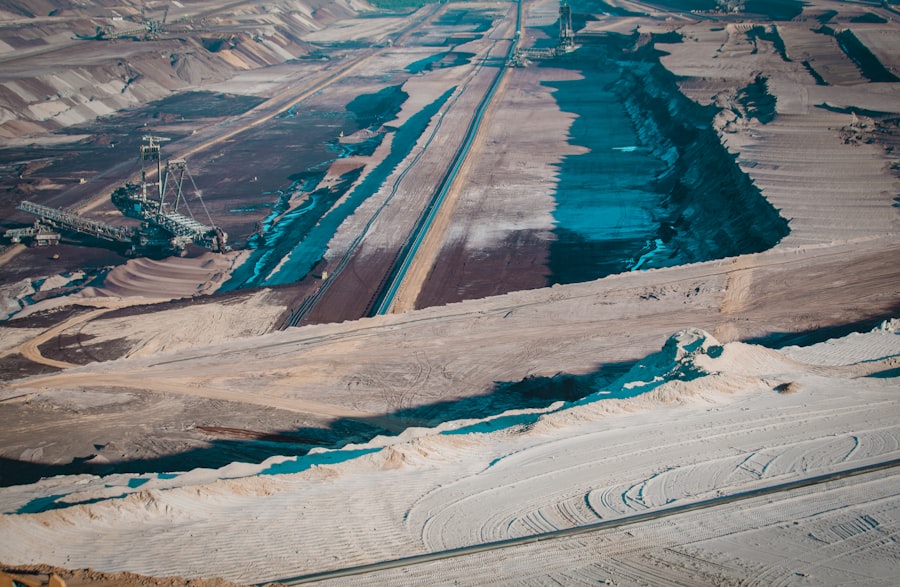
Recognizing the multifaceted impacts of sand mining, the establishment and enforcement of robust regulatory frameworks are not merely desirable but absolutely essential.
Developing Comprehensive Legal Frameworks
Effective regulation begins with clear and enforceable laws and policies that govern all aspects of sand mining.
- Licensing and Permitting Systems: A stringent licensing and permitting system is crucial. This system should require detailed environmental impact assessments (EIAs) prior to granting any extraction rights. EIAs must thoroughly evaluate the potential hydrological, ecological, and social impacts of the proposed mining operation. Permits should specify the allowed extraction volumes, depths, locations, and timeframes, with strict adherence to these conditions.
- Environmental Flow Requirements: Regulations should mandate the maintenance of environmental flows – the quantity, timing, and quality of water flows required to sustain freshwater and estuarine ecosystems and the human livelihoods and well-being that depend on them. Sand mining should not be permitted if it jeopardizes these critical flows.
- Prohibition in Ecologically Sensitive Zones: Certain areas, such as protected wetlands, critical habitats for endangered species, and areas vital for groundwater recharge, should be designated as “no-mining zones.” These prohibitions must be strictly enforced.
- Rehabilitation Requirements: Regulations should include legally binding requirements for post-mining rehabilitation of the affected areas. This involves restoring river morphology, planting vegetation to stabilize banks, and ensuring the long-term ecological recovery of the site. Security deposits or bonds should be required from mining operators to ensure that rehabilitation obligations are met.
Enhancing Enforcement and Monitoring
Even the most well-crafted laws are ineffective without robust enforcement and continuous monitoring.
- Dedicated Regulatory Agencies: Governments need to establish or empower dedicated regulatory agencies with sufficient resources, technical expertise, and independence to effectively monitor and enforce sand mining regulations. These agencies should be free from political interference and corruption.
- Technological Monitoring: The use of technology can significantly enhance monitoring efforts. Satellite imagery, drones, and remote sensing can provide real-time data on mining activities, helping to identify illegal operations and monitor compliance with permitted extraction volumes and locations. GPS tracking of mining vehicles can also be employed.
- Community Participation and Whistleblower Protection: Local communities are often the first to observe illegal mining activities. Establishing mechanisms for community participation in monitoring, along with robust whistleblower protection programs, can provide valuable intelligence and deter illicit operations. Public awareness campaigns can also educate communities on the signs of illegal mining and empower them to report infractions.
- Severe Penalties for Non-Compliance: Penalties for non-compliance, including heavy fines, confiscation of equipment, suspension or revocation of permits, and criminal prosecution, must be sufficiently severe to act as a genuine deterrent. The revenues generated from fines could be directed towards environmental restoration and community compensation.
The Role of Inter-Agency Collaboration and Public Education
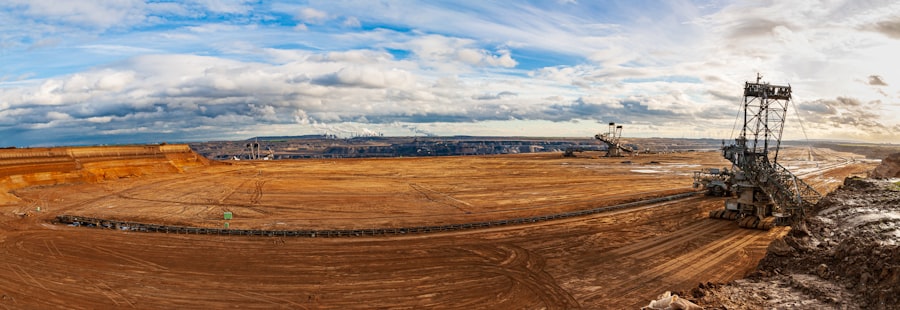
Addressing the complex issues surrounding sand mining necessitates a multi-faceted approach involving various stakeholders.
Fostering Cross-Sectoral Cooperation
Effective regulation of sand mining requires collaboration among different government agencies, civil society organizations, and local communities.
- Integrated River Basin Management: River basins are integrated systems, and their management requires a holistic approach. Agencies responsible for water resources, environment, mining, agriculture, and urban planning must coordinate their efforts to ensure that sand mining policies align with broader river basin management plans.
- Data Sharing and Research: Governments and research institutions should collaborate to collect and share data on sand demand and supply, the environmental impacts of mining, and alternative construction materials. This data is crucial for evidence-based policy making.
- Regional and International Cooperation: Given that many rivers and watersheds transcend national borders, regional and international cooperation is often necessary to manage sand mining effectively, especially in transboundary river systems.
Educating Stakeholders and the Public
A well-informed public and knowledgeable stakeholders are critical allies in the fight against unregulated sand mining.
- Awareness Campaigns: Public awareness campaigns can highlight the critical link between sand mining, water sources, and public well-being. These campaigns can use various media to explain the environmental and social costs of destructive mining practices and promote responsible resource management.
- Capacity Building for Local Communities: Empowering local communities with knowledge about their rights, the environmental impacts of mining, and the regulatory framework strengthens their ability to advocate for their interests and participate in monitoring efforts. Training programs can equip communities with the skills to use monitoring tools and report violations.
- Promoting Sustainable Alternatives: Education campaigns can also promote the use of alternative construction materials (e.g., recycled aggregates, manufactured sand, fly ash bricks) to reduce the demand for natural river sand. This encourages innovation and shifts industry practices towards more sustainable solutions.
The regulation of sand mining is crucial for protecting water sources, as excessive extraction can lead to significant environmental degradation. A related article discusses the impact of unregulated sand mining on local ecosystems and water quality, highlighting the need for stricter policies. For more insights on this topic, you can read the full article here. Implementing effective regulations can help ensure that our water sources remain safe and sustainable for future generations.
The Future of Water Security
| Metric | Description | Current Status | Target/Goal | Measurement Frequency |
|---|---|---|---|---|
| Number of Permits Issued | Count of official permits granted for sand mining activities | 150 permits/year | Reduce by 30% in 3 years | Annual |
| Water Quality Index (WQI) | Measurement of water purity in affected water sources | 65 (Moderate) | Achieve 80+ (Good) within 5 years | Quarterly |
| Incidents of Illegal Sand Mining | Reported cases of unauthorized sand mining activities | 25 incidents/year | Zero tolerance | Monthly |
| Area of Riverbed Restored | Hectares of riverbed rehabilitated after mining | 10 hectares/year | 50 hectares in 5 years | Annual |
| Community Awareness Programs | Number of educational sessions held on sand mining impacts | 20 sessions/year | Increase to 40 sessions/year | Annual |
| Compliance Rate | Percentage of sand mining operations following regulations | 75% | 95%+ | Biannual |
The protection of water sources is not merely an environmental concern; it is a fundamental aspect of national security and sustainable development. Unregulated sand mining poses a direct threat to this security, quietly eroding the very foundations of our ecosystems and societies. Just as a strong foundation is essential for any enduring structure, healthy water sources are indispensable for a thriving planet.
The reader should understand that addressing this issue demands a concerted, sustained effort from all levels of governance, industry, and civil society. By implementing stringent regulations, strengthening enforcement, fostering collaboration, and educating the public, we can collectively ensure that our rivers and groundwater resources continue to provide the life-sustaining waters upon which all life depends. This is an investment not just in the environment, but in the health, prosperity, and indeed the very future of humanity. The time for decisive action to protect these vital arteries of our planet is now.
FAQs
What is sand mining and why is it regulated?
Sand mining involves extracting sand from natural sources such as riverbeds, beaches, and dunes. It is regulated to prevent environmental degradation, protect water sources, maintain biodiversity, and ensure sustainable use of natural resources.
How does sand mining affect water sources?
Sand mining can lead to the lowering of water tables, increased turbidity, disruption of aquatic habitats, and contamination of water bodies. These impacts can reduce water quality and availability for human consumption and ecological needs.
What are common regulations implemented to control sand mining?
Regulations often include permits and licensing requirements, limits on extraction volumes, designated mining zones, seasonal restrictions, environmental impact assessments, and monitoring to ensure compliance with sustainable practices.
Who is responsible for enforcing sand mining regulations?
Enforcement is typically carried out by government agencies such as environmental protection departments, water resource authorities, and local municipalities. They monitor activities, issue permits, and impose penalties for violations.
What are the benefits of regulating sand mining for water source protection?
Regulation helps maintain water quality and availability, preserves aquatic ecosystems, prevents soil erosion and land degradation, supports sustainable development, and safeguards the health and livelihoods of communities dependent on water resources.