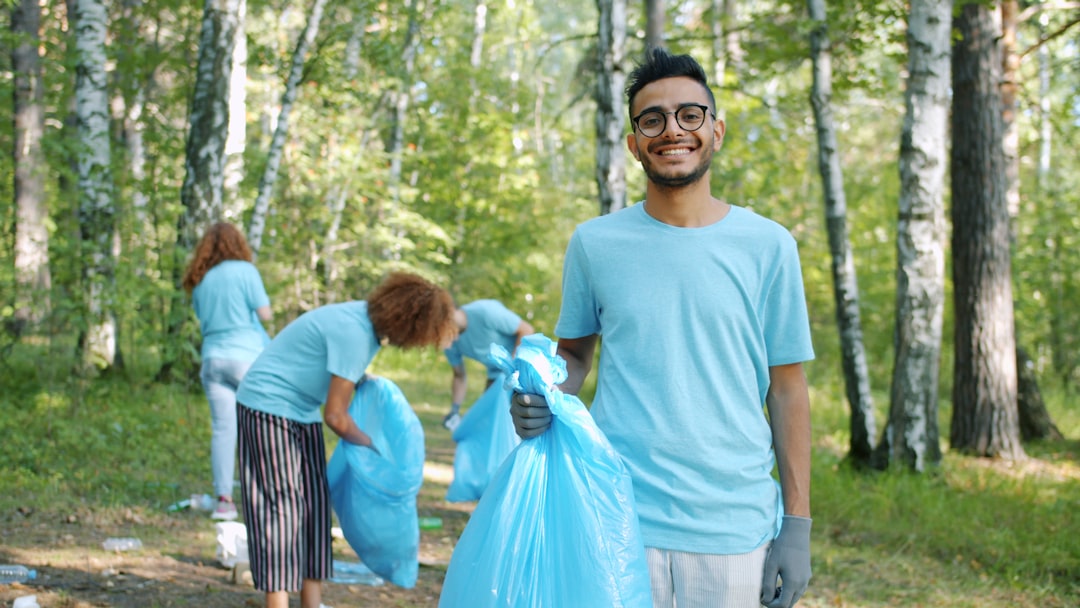
You stand at a crossroads, not just in your personal life, but as a member of a global community facing undeniable environmental challenges. The narrative you’ve absorbed, the actions you take, and the ways you communicate all play a role in shaping the future. When it comes to sustainability, a concept that can feel overwhelming and abstract, the power of Public Relations (PR) in educating the public through the lens of recycling is a tangible and accessible avenue. This isn’t about painting a rosy picture; it’s about strategically leveraging communication to foster understanding and drive behavioral change. Effective recycling education, powered by smart PR, can transform a mundane chore into a conscious act of environmental stewardship.
You might see recycling as a simple act of sorting your waste, but for many, the complexities and nuances remain unclear. This lack of understanding is a significant barrier to widespread and effective participation. PR, at its core, is about building relationships and fostering comprehension. In the context of recycling, this translates to translating often-technical information into accessible, engaging content that resonates with diverse audiences. Your role in promoting sustainability hinges on your ability to effectively communicate the “why” and the “how” of recycling.
Deconstructing the Recycling Stream
You’ve undoubtedly encountered the bins, the symbols, the ever-changing rules. But do you truly grasp the journey of a recycled item? PR professionals can demystify this process.
The Material Lifecycle Transparency
You need to understand that what you place in the recycling bin doesn’t vanish. It embarks on a complex journey. PR can illuminate this lifecycle, showcasing how plastics, paper, glass, and metals are collected, sorted, processed, and ultimately transformed into new products. This transparency builds trust and encourages more mindful participation, as you can see the direct impact of your efforts. It’s about shifting from a passive disposal mentality to an active engagement with resource management.
The Contamination Conundrum
You might think you’re doing good by tossing everything in, but contamination is a major hurdle for recycling facilities. PR campaigns can vividly illustrate the detrimental effects of placing non-recyclable items or inadequately cleaned containers into the recycling stream. Think of visual examples: a plastic bag tangling machinery, a greasy pizza box ruining a batch of paper, or a battery leaking hazardous materials. Your understanding of these issues, disseminated through effective PR, can lead to cleaner recycling streams and higher quality recycled materials.
The Environmental Imperative: Beyond the Bin
Recycling isn’t just about keeping waste out of landfills. It’s about resource conservation, energy savings, and greenhouse gas reduction. PR can effectively communicate these broader environmental benefits, connecting individual actions to global impacts.
Resource Depletion and Circular Economy Principles
You are increasingly aware of the finite nature of our planet’s resources. PR can articulate how recycling supports a circular economy, where materials are kept in use for as long as possible, extracting maximum value before being recovered and regenerated. This message is powerful because it speaks to a more sustainable economic model, one that can alleviate the pressure on natural resources and reduce the need for virgin material extraction, with its associated environmental costs.
Energy and Greenhouse Gas Savings
The energy required to produce goods from raw materials is significantly higher than that needed to produce them from recycled materials. PR campaigns can quantify these savings, providing you with concrete data points that underscore the environmental advantages of choosing recycled products and actively participating in recycling programs. This information can be presented through infographics, short videos, or even interactive online tools.
Recycling education serves as an effective public relations tactic, as it not only raises awareness about environmental issues but also fosters a sense of community responsibility. By engaging the public in recycling initiatives, organizations can enhance their brand image while promoting sustainable practices. For a deeper understanding of the impact of recycling education on public perception and community involvement, you can read more in this related article: here.
Strategic PR Approaches for Recycling Education
Simply stating “recycle more” is insufficient. Effective PR employs targeted strategies to reach, inform, and motivate you. You need approaches that are tailored to your specific demographics, interests, and preferred communication channels.
Targeted Messaging and Audience Segmentation
You are not a monolithic entity. Different groups respond to different messages and consume information in different ways. PR professionals understand this and tailor their communications accordingly.
Engaging Millennials and Gen Z
These generations are often highly engaged with environmental issues but may require a different approach than older demographics. PR can leverage social media platforms, influencer partnerships, and interactive digital content to communicate recycling messages in a way that resonates with their digitally native habits and values. Think of TikTok challenges demonstrating proper sorting, or Instagram campaigns highlighting innovative uses of recycled materials.
Community-Based Outreach and Education
Local communities are at the forefront of waste management. PR can facilitate partnerships with local municipalities, schools, and community organizations to deliver localized recycling education. This might involve workshops, public forums, or even door-to-door information campaigns, tailored to the specific recycling infrastructure and challenges of that community. Your involvement in these local initiatives can create a sense of shared responsibility.
The Power of Storytelling and Visual Communication
Facts and figures are important, but stories and compelling visuals have a greater capacity to capture attention and evoke an emotional response, driving lasting behavioral change.
Highlighting Success Stories and Local Heroes
You are inspired by seeing tangible results and the people who make them happen. PR can showcase successful recycling initiatives in your community, featuring individuals or businesses that have made significant contributions. This humanizes the recycling process and demonstrates that collective action can lead to positive outcomes. Spotlighting a local business that uses recycled materials in its products, or a community group that has significantly increased its recycling rates, can be highly motivational.
Visualizing the Impact: Infographics and Videos
Complex information can be simplified and made more engaging through visual mediums. PR can employ infographics to illustrate recycling statistics, the journey of materials, and the environmental benefits. Short, impactful videos can demonstrate proper sorting techniques, debunk common recycling myths, or highlight the end products made from recycled materials. Your visual literacy makes these formats particularly effective for conveying key messages.
Overcoming Barriers: Addressing Challenges in Recycling Education
You face practical challenges that hinder your recycling efforts. PR can play a crucial role in addressing these obstacles and making participation easier and more effective.
Addressing Confusion and Misinformation
The ever-changing landscape of recycling can lead to confusion. PR efforts must actively combat misinformation and provide clear, consistent guidance.
Myth-Busting Campaigns
You encounter numerous recycling myths – from the idea that all plastics are recyclable to the belief that dirty containers don’t matter. PR can launch targeted campaigns to debunk these myths with clear, evidence-based information. This can be done through FAQs on websites, social media posts addressing common misconceptions, or even public service announcements.
Clear and Consistent Labeling Initiatives
A lack of standardized labeling on products can be incredibly frustrating. PR can advocate for and promote clearer, more consistent recycling labels on packaging, making it intuitively easier for you to know what can and cannot be recycled. This involves working with industry and regulatory bodies to standardize symbols and provide easily understandable information.
The Role of Convenience and Accessibility
Even with the best intentions, if recycling isn’t convenient, participation will suffer. PR can highlight and advocate for improved recycling infrastructure.
Promoting Extended Producer Responsibility (EPR)
PR can educate you about EPR schemes, where producers are responsible for the end-of-life management of their products. This can lead to improved collection and recycling systems, making it easier for you to return items for proper disposal. Understanding that manufacturers are incentivized to design for recyclability and to participate in collection can foster a sense of shared responsibility.
Advocating for Improved Infrastructure and Collection Systems
PR can amplify calls for improved recycling infrastructure, such as more accessible drop-off locations, expanded curbside collection programs, and innovative waste management solutions. By highlighting the benefits of such improvements and the challenges posed by inadequate systems, PR can mobilize public support and encourage investment in better recycling services. Your voice, amplified by effective PR, can influence policy and infrastructure development.
Measuring the Impact: The PR Influence on Recycling Behavior
The ultimate goal of recycling education is to change behavior. PR has the tools to measure its effectiveness and to refine strategies for maximum impact.
Data-Driven Campaign Evaluation
Effective PR isn’t just about launching campaigns; it’s about understanding what works and why. PR professionals utilize data to assess the reach, engagement, and ultimately, the behavioral impact of their recycling education initiatives.
Tracking Engagement Metrics
You can track website traffic, social media shares, article reads, video views, and participation in workshops. These metrics provide insights into which messages and channels are most effective in reaching and engaging your target audiences. Understanding what captures your attention is crucial for optimizing future communication.
Conducting Pre and Post-Campaign Surveys
To gauge the actual impact on knowledge and behavior, PR can utilize surveys. By surveying your understanding of recycling practices and your actual recycling habits before and after a campaign, organizations can quantify shifts in awareness, attitudes, and behaviors. This data is vital for demonstrating the return on investment of PR efforts.
Behavioral Economics and Nudging
PR can incorporate principles of behavioral economics to subtly “nudge” you towards more sustainable recycling choices. This isn’t about forceful mandates but about creating environments and presenting information that makes the sustainable choice the easier and more appealing one.
The Power of Social Norms
You are influenced by what others are doing. PR can highlight the widespread participation in recycling within your community by showcasing high recycling rates or featuring neighbors who are actively recycling. This creates a positive social norm that encourages others to conform. Seeing that “everyone is doing it” can be a powerful motivator.
Simplification and Defaults
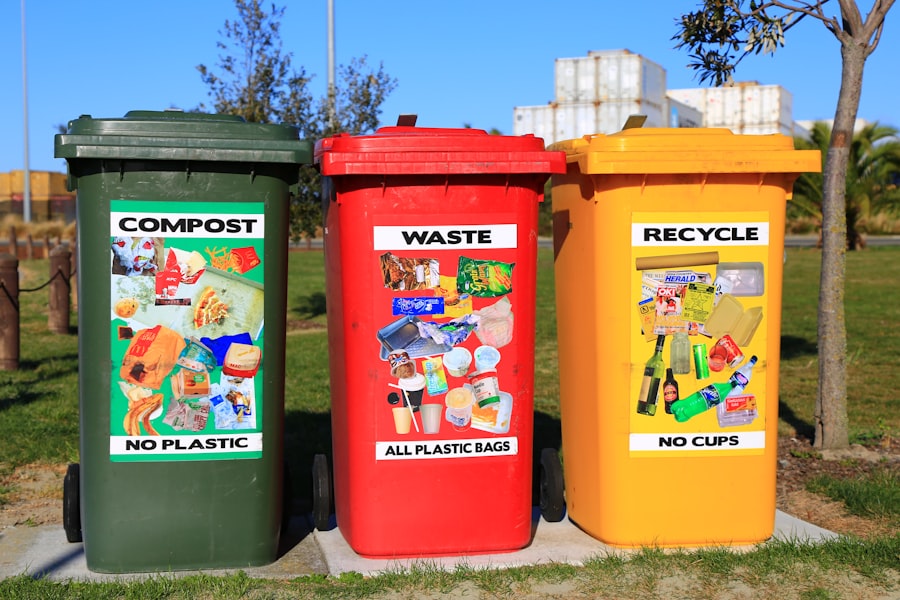
PR can advocate for simplified recycling instructions and set recycling as the default option. For example, if recycling bins are readily available and clearly labeled in public spaces, you are more likely to use them. Similarly, if product packaging is designed for easy separation of recyclable components, the effort required from you is reduced, thus increasing the likelihood of correct disposal.
Recycling education serves as an effective public relations tactic, as it not only raises awareness about environmental issues but also fosters community engagement. By informing the public about the benefits of recycling, organizations can enhance their image and build trust with their audience. A related article discusses how educational initiatives can significantly impact recycling rates and community involvement, highlighting the importance of strategic communication in promoting sustainable practices. For more insights on this topic, you can read the article here: Did You Know This?.
The Evolving Landscape of Recycling Communication
| Metrics | Reason |
|---|---|
| Increased awareness | Recycling education can help raise awareness about the importance of recycling and its impact on the environment. |
| Positive brand image | By promoting recycling education, a company can enhance its brand image as environmentally responsible and socially conscious. |
| Community engagement | Recycling education initiatives can help a company engage with local communities and build positive relationships. |
| Employee morale | Implementing recycling education programs can boost employee morale by demonstrating the company’s commitment to sustainability. |
| Media coverage | Recycling education efforts can attract media attention, providing positive PR opportunities for the company. |
The way you consume information and engage with sustainability issues is constantly evolving. PR strategies for recycling education must adapt to stay relevant and effective.
Embracing Digital Transformation
The digital realm offers unprecedented opportunities for reaching and engaging you with recycling information.
Utilizing Social Media and Digital Platforms
Social media channels are powerful tools for disseminating information, fostering dialogue, and mobilizing action. PR can leverage platforms like Instagram, Facebook, Twitter, and even TikTok with engaging content, interactive polls, Q&A sessions with experts, and live streams from recycling facilities. Your engagement on these platforms can create a dynamic feedback loop.
Developing Interactive Online Resources
Websites, blogs, and mobile applications can serve as comprehensive platforms for recycling education. PR can develop interactive tools like recycling guides, searchable databases for local recycling options, quizzes to test your knowledge, and virtual reality experiences that simulate the recycling process. These resources offer a personalized and accessible learning experience.
The Interconnectedness of Sustainability Messaging
Recycling is a component of a larger sustainability puzzle. PR can connect recycling education to broader environmental issues and consumer choices.
Linking Recycling to Climate Action
You are increasingly aware of the urgency of climate change. PR can effectively link recycling efforts to climate action by highlighting how reducing waste, conserving resources through recycling, and decreasing reliance on virgin materials contribute to lower greenhouse gas emissions. This framing can elevate the importance of recycling as a climate solution.
Promoting Conscious Consumerism Beyond Recycling
PR can extend the conversation beyond the bin, encouraging you to think about the entire lifecycle of the products you purchase. This includes advocating for products made from recycled content, supporting businesses with sustainable practices, and reducing overall consumption. Your role in promoting sustainability extends to your purchasing decisions, and PR can guide you in making informed choices.
You are not just a passive recipient of information; you are an active participant in shaping the future. By understanding and leveraging the power of Public Relations in recycling education, you can transform your actions from routine to purposeful, contributing significantly to a more sustainable world. The journey begins with clear communication, compelling storytelling, and a commitment to fostering genuine understanding – principles that lie at the heart of effective PR and a healthier planet.
FAQs
What is the purpose of recycling education as a PR tactic?
Recycling education as a PR tactic aims to raise awareness about the importance of recycling and encourage individuals and organizations to adopt sustainable practices. It also helps to enhance the public image of a company or organization by demonstrating their commitment to environmental responsibility.
How does recycling education benefit companies and organizations?
By incorporating recycling education into their PR strategies, companies and organizations can showcase their dedication to environmental sustainability, which can improve their reputation and attract environmentally conscious consumers. It also allows them to align with current societal values and demonstrate corporate social responsibility.
What are some effective ways to incorporate recycling education into PR efforts?
Companies and organizations can incorporate recycling education into their PR efforts by organizing educational campaigns, partnering with environmental organizations, implementing recycling programs within their operations, and sharing their sustainability initiatives through various communication channels such as social media, press releases, and events.
What are the potential challenges of using recycling education as a PR tactic?
One potential challenge of using recycling education as a PR tactic is the need for genuine commitment to sustainability. Greenwashing, or the practice of conveying a false impression of environmental responsibility, can lead to backlash and damage a company’s reputation. Additionally, it may be challenging to effectively communicate the message and engage the target audience.
How can recycling education as a PR tactic contribute to a more sustainable future?
By promoting recycling education as a PR tactic, companies and organizations can contribute to a more sustainable future by influencing consumer behavior, reducing waste, conserving natural resources, and minimizing environmental impact. This can lead to positive long-term effects on the environment and society as a whole.