In recent years, Southeast Asia has emerged as a significant destination for plastic waste exports, primarily from developed nations. This trend has been fueled by a combination of factors, including the region’s relatively lax environmental regulations and its capacity for recycling. Countries such as Malaysia, Vietnam, and Indonesia have become the focal points for plastic waste imports, attracting shipments that were once directed to China before it implemented stricter import policies.
The influx of plastic waste has created a complex landscape where economic opportunities and environmental challenges coexist. The rise of plastic exports to Southeast Asia has been driven by the global demand for recycling materials. As developed countries grapple with their own mounting plastic waste crises, they have sought to offload their excess materials to countries that can process them.
This has led to a booming industry in Southeast Asia, where local businesses often capitalize on the economic benefits of accepting foreign plastic waste. However, this influx has also raised concerns about the long-term sustainability of such practices and the potential consequences for local communities and ecosystems.
Key Takeaways
- Southeast Asia has become a major hub for plastic exports, driven by global waste trade dynamics.
- Plastic dumping causes significant environmental damage and health risks in affected communities.
- Developed countries contribute substantially to Southeast Asia’s plastic waste crisis through export practices.
- Economic benefits often motivate Southeast Asian countries to accept plastic imports despite environmental concerns.
- Collaborative policies, NGO involvement, innovation, and public education are crucial for sustainable plastic waste management.
Environmental and Health Impacts of Plastic Dumping
The environmental ramifications of plastic dumping in Southeast Asia are profound and far-reaching. When plastic waste is improperly managed, it can lead to severe pollution of land and waterways.
As a result, large quantities end up in landfills or are incinerated, releasing toxic substances into the air and soil. The accumulation of plastic waste in natural habitats poses a significant threat to biodiversity, as marine life and terrestrial animals often ingest or become entangled in discarded plastics. Moreover, the health impacts on local populations cannot be overlooked.
Communities living near plastic waste processing facilities or landfills are often exposed to harmful chemicals released during the breakdown of plastics. These chemicals can lead to respiratory issues, skin conditions, and other serious health problems. The situation is exacerbated by inadequate waste management infrastructure in many Southeast Asian countries, which struggles to cope with the sheer volume of imported plastic waste.
As a result, the health and well-being of local residents are jeopardized, raising urgent questions about the ethics of exporting plastic waste to these regions.
The Role of Developed Countries in Southeast Asia’s Plastic Waste Problem
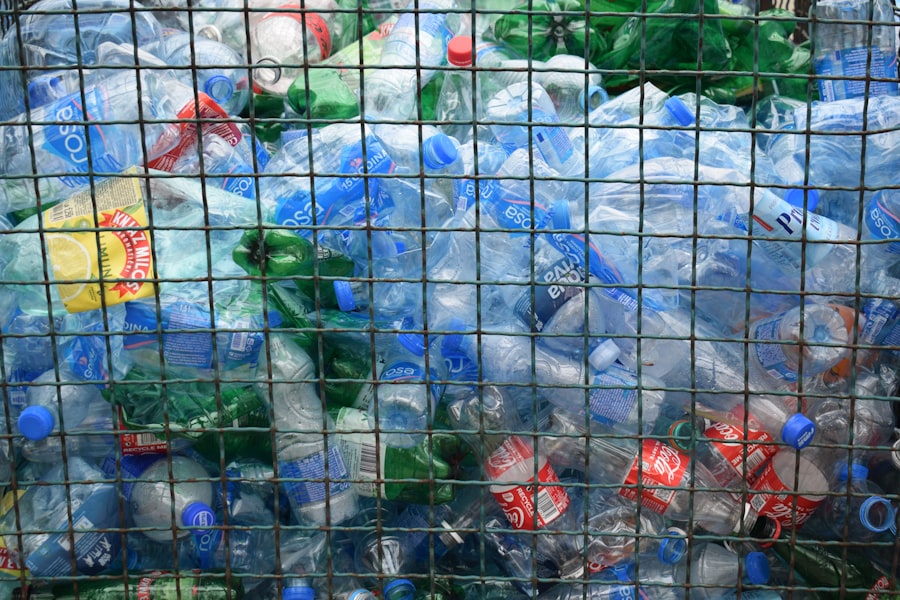
Developed countries play a pivotal role in the ongoing plastic waste crisis in Southeast Asia. By exporting their plastic waste to these nations, they effectively shift the burden of waste management onto countries that may lack the resources or infrastructure to handle it responsibly. This practice raises ethical concerns about environmental justice and accountability.
While developed nations often tout their recycling initiatives at home, they simultaneously contribute to environmental degradation abroad by offloading their waste. Furthermore, the lack of stringent regulations governing plastic exports allows developed countries to circumvent their responsibilities. Many nations have adopted policies that promote recycling and waste reduction domestically but fail to address the implications of their export practices.
The Challenges Faced by Southeast Asian Countries in Managing Plastic Waste
Southeast Asian countries face a myriad of challenges in managing the influx of plastic waste. One significant issue is the lack of adequate infrastructure for recycling and waste management. Many local governments struggle to keep pace with the volume of imported plastics, leading to overflowing landfills and illegal dumping sites.
The existing facilities often lack the technology and capacity needed to process complex plastics effectively, resulting in a high percentage of waste being discarded rather than recycled. Additionally, there is a pressing need for regulatory frameworks that can effectively govern plastic imports. Many Southeast Asian nations have yet to establish comprehensive policies that address the complexities of plastic waste management.
This regulatory gap allows unscrupulous operators to exploit loopholes, leading to further environmental degradation. The challenge is compounded by limited public awareness and engagement on the issue, making it difficult for communities to advocate for better practices and policies.
The Economic Incentives for Accepting Plastic Imports
| Country | Plastic Export Volume (Metric Tons) | Percentage of Total Exports | Reported Dumping Incidents | Environmental Impact Score (1-10) | Regulatory Actions Taken |
|---|---|---|---|---|---|
| Indonesia | 150,000 | 25% | 12 | 8 | Increased inspections, import restrictions |
| Malaysia | 120,000 | 20% | 9 | 7 | Ban on certain plastic waste imports |
| Thailand | 100,000 | 17% | 7 | 6 | Enhanced waste management policies |
| Vietnam | 90,000 | 15% | 5 | 5 | Public awareness campaigns |
| Philippines | 80,000 | 13% | 8 | 7 | Stricter enforcement of dumping laws |
| Cambodia | 40,000 | 7% | 3 | 4 | Development of recycling infrastructure |
Despite the challenges associated with plastic waste management, many Southeast Asian countries continue to accept plastic imports due to economic incentives. The recycling industry can provide significant financial benefits, including job creation and increased revenue for local businesses. For some nations, accepting foreign plastic waste has become a lucrative business model that supports local economies and provides employment opportunities in recycling facilities.
However, this economic incentive comes at a cost. The short-term financial gains can overshadow the long-term environmental consequences of accepting large volumes of plastic waste. As local economies become increasingly reliant on this industry, they may find themselves trapped in a cycle of dependency that prioritizes immediate profits over sustainable practices.
This dynamic raises critical questions about how to balance economic growth with environmental stewardship in a region facing escalating plastic pollution.
The Role of Government Policies in Addressing Plastic Dumping
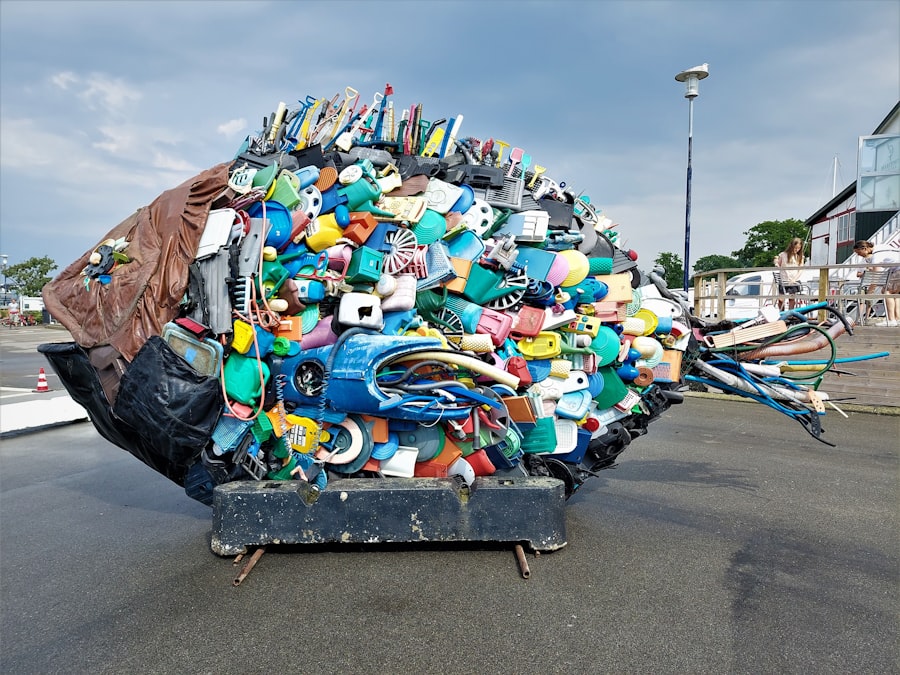
Government policies play a crucial role in shaping how Southeast Asian countries manage plastic waste imports. In recent years, some nations have begun to implement stricter regulations aimed at curbing the influx of foreign plastics. For instance, Malaysia and Indonesia have introduced bans on certain types of plastic imports and have increased scrutiny on shipments entering their borders.
These measures reflect a growing recognition of the need for more sustainable waste management practices. However, enforcement remains a significant challenge. Many governments lack the resources or capacity to monitor compliance effectively, allowing illegal shipments to slip through the cracks.
Additionally, there is often pressure from local industries that benefit from accepting plastic imports, complicating efforts to implement stricter regulations. To address these challenges, governments must prioritize collaboration with international organizations and develop comprehensive strategies that promote sustainable practices while protecting local communities and ecosystems.
The Role of Non-Governmental Organizations in Tackling Plastic Waste
Non-governmental organizations (NGOs) have emerged as vital players in addressing the plastic waste crisis in Southeast Asia. These organizations work tirelessly to raise awareness about the environmental and health impacts of plastic pollution while advocating for policy changes at both local and international levels. Through community engagement initiatives, NGOs educate residents about responsible waste management practices and encourage grassroots movements aimed at reducing plastic consumption.
Moreover, NGOs often collaborate with governments and private sectors to develop innovative solutions for managing plastic waste. They play a crucial role in promoting sustainable alternatives to single-use plastics and supporting initiatives that focus on recycling and circular economy principles. By fostering partnerships between various stakeholders, NGOs help create a more cohesive approach to tackling the complex challenges posed by plastic pollution in the region.
Innovations and Solutions for Managing Plastic Waste in Southeast Asia
Innovations in technology and sustainable practices offer promising solutions for managing plastic waste in Southeast Asia. One notable development is the rise of advanced recycling technologies that can process complex plastics more efficiently than traditional methods. These innovations not only improve recycling rates but also reduce the environmental impact associated with plastic processing.
Additionally, there is a growing movement towards circular economy models that emphasize reducing waste at its source. Initiatives promoting reusable packaging and biodegradable alternatives are gaining traction among businesses and consumers alike. By shifting towards more sustainable consumption patterns, Southeast Asian countries can mitigate the impacts of plastic pollution while fostering economic growth through green innovation.
The Importance of Public Awareness and Education in Reducing Plastic Waste
Public awareness and education are critical components in the fight against plastic pollution in Southeast Asia. Many communities remain unaware of the environmental consequences associated with plastic waste or lack access to information about responsible disposal practices. By investing in educational campaigns that highlight the importance of reducing plastic consumption and promoting recycling, stakeholders can empower individuals to take action.
Engaging local communities through workshops, clean-up events, and educational programs can foster a sense of responsibility towards environmental stewardship. When individuals understand the impact of their choices on the environment, they are more likely to adopt sustainable practices in their daily lives. Building this awareness is essential for creating a culture that prioritizes sustainability and encourages collective action against plastic pollution.
The Future of Plastic Exports in Southeast Asia
The future of plastic exports in Southeast Asia remains uncertain as global attitudes towards plastic waste continue to evolve. While some countries may continue to accept imported plastics due to economic incentives, there is an increasing push for more sustainable practices worldwide. As developed nations face mounting pressure to address their own waste crises, they may seek alternative solutions that do not involve exporting their problems abroad.
In response, Southeast Asian countries may need to reevaluate their positions on accepting foreign plastics and invest in developing robust domestic recycling infrastructures instead. By prioritizing sustainable practices over short-term economic gains, these nations can pave the way for a more resilient future that protects both their environments and public health.
Collaborative Efforts for a Sustainable Solution to Plastic Dumping
Addressing the complex issue of plastic dumping in Southeast Asia requires collaborative efforts among governments, NGOs, businesses, and communities. International cooperation is essential for developing comprehensive strategies that tackle the root causes of plastic pollution while promoting sustainable practices across borders. By sharing knowledge, resources, and best practices, stakeholders can work together towards creating effective solutions that benefit both local communities and global ecosystems.
Furthermore, fostering partnerships between developed and developing nations can facilitate technology transfer and capacity building in waste management practices. By investing in education and infrastructure development, stakeholders can empower Southeast Asian countries to take charge of their own waste management challenges while reducing reliance on imported plastics. Through collaborative efforts, there is hope for a sustainable future where plastic pollution is effectively managed and minimized across the region.
The issue of plastic exports and their impact on Southeast Asia has garnered significant attention, particularly concerning the environmental consequences of dumping practices. A related article that delves into this topic can be found at this link, which discusses the challenges faced by Southeast Asian countries in managing the influx of plastic waste and the implications for local ecosystems.
WATCH THIS! 🚨 THE RECYCLING LIE: How Big Oil Fooled the World for 50 Years 🚨
FAQs
What is plastic waste dumping in Southeast Asia?
Plastic waste dumping in Southeast Asia refers to the practice of exporting plastic waste from other countries to Southeast Asian nations, where it is often improperly disposed of or recycled under unsafe conditions, leading to environmental pollution.
Why are Southeast Asian countries receiving plastic waste exports?
Southeast Asian countries receive plastic waste exports because they often have lower labor and processing costs, less stringent environmental regulations, and a demand for recyclable materials. This makes them attractive destinations for plastic waste from developed countries.
What are the environmental impacts of plastic waste dumping in Southeast Asia?
Plastic waste dumping can lead to severe environmental issues, including pollution of waterways and oceans, harm to marine and terrestrial wildlife, soil contamination, and increased greenhouse gas emissions from improper burning or decomposition of plastics.
Which countries in Southeast Asia are most affected by plastic waste dumping?
Countries such as Malaysia, Indonesia, the Philippines, Thailand, and Vietnam have been reported as major recipients of plastic waste exports and have faced significant challenges related to plastic pollution and waste management.
What measures are Southeast Asian countries taking to address plastic waste dumping?
Many Southeast Asian countries are implementing stricter regulations on waste imports, improving waste management infrastructure, promoting recycling initiatives, and collaborating with international partners to reduce plastic waste imports and enhance environmental protection.
How has the international community responded to plastic waste dumping in Southeast Asia?
The international community has responded by tightening regulations on plastic waste exports, such as amendments to the Basel Convention, increasing awareness campaigns, and encouraging countries to reduce plastic production and improve waste management practices globally.
Can plastic waste exports to Southeast Asia be considered legal?
Plastic waste exports can be legal if they comply with international agreements like the Basel Convention and the importing country’s regulations. However, illegal shipments and mislabeling of waste materials have been reported, leading to unlawful dumping.
What alternatives exist to exporting plastic waste to Southeast Asia?
Alternatives include improving domestic recycling and waste management systems, reducing plastic production and consumption, developing circular economy models, and investing in advanced technologies for plastic waste processing within exporting countries.