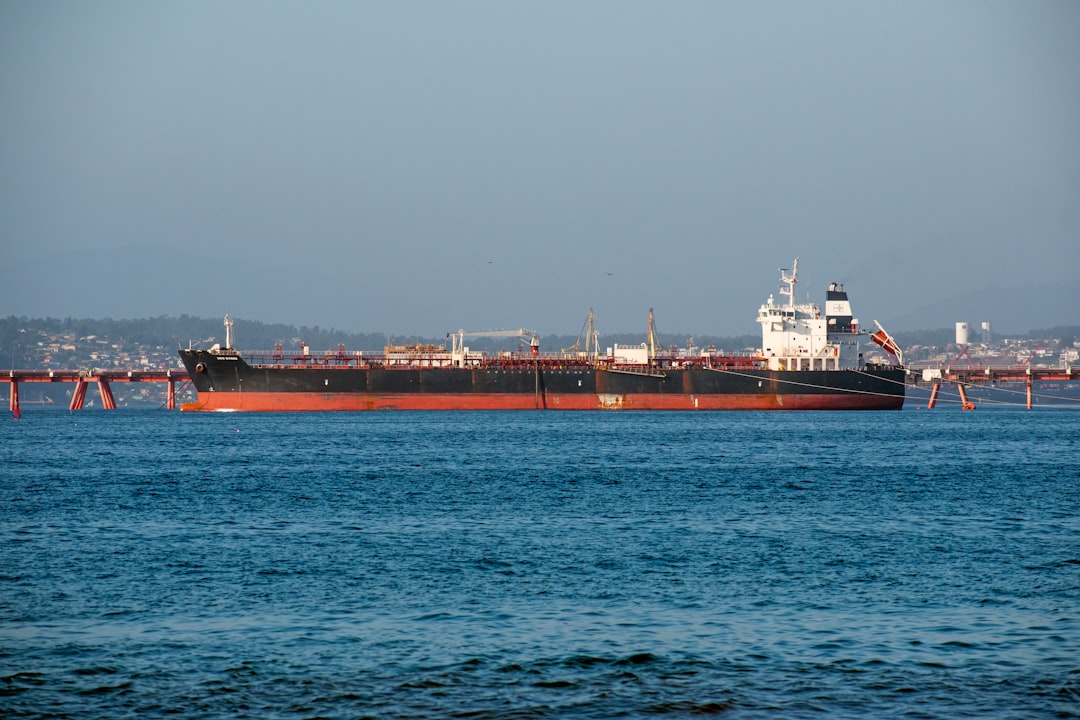
Phosphorus Export Controls: Safeguarding National Security
Phosphorus, a fundamental element essential for all known forms of life, occupies a surprisingly critical position in the global geopolitical landscape. Its fundamental role in agriculture – as a key nutrient in fertilizers, enabling food production for a burgeoning world population – is widely acknowledged. However, the strategic implications of phosphorus extend far beyond agricultural yields. Its applications in various industrial processes, including the production of munitions and advanced technologies, elevate its status to a matter of national security interest for numerous countries. Reliable access to phosphorus, and conversely, the control over its export, directly impacts a nation’s capacity to sustain its population, maintain its industrial base, and project or defend its military power.
Phosphorus as a Global Commodity
The Earth’s crust contains phosphorus, primarily in the form of phosphate rock. The extraction and processing of this rock are capital-intensive and geographically concentrated. Only a handful of nations possess significant reserves, and even fewer control the sophisticated processing capabilities required to transform raw phosphate rock into usable forms like phosphoric acid and purified phosphoric acid. This concentration of supply creates inherent vulnerabilities for nations that are net importers of phosphorus-based products, making them susceptible to supply chain disruptions, price volatility, and geopolitical leverage by supplier nations.
Major Producing Nations and Their Influence
The global market for phosphate rock and its derivatives is dominated by a few key players. Morocco, with its vast reserves and advanced mining and processing infrastructure, stands as the world’s largest exporter. Other significant producers include China, the United States, Russia, and Saudi Arabia. The policies and export decisions of these nations, therefore, carry substantial weight in determining global availability and pricing. Any disruption in their production or any imposition of export restrictions can have ripple effects across international markets, impacting food security and industrial production in import-dependent countries.
The Interplay of Supply and Demand
The demand for phosphorus is driven by both agricultural and industrial needs. As global populations continue to grow, the demand for food, and consequently fertilizers, is projected to rise. Simultaneously, emerging technologies and defense requirements are creating new avenues for phosphorus consumption. This increasing demand, coupled with the finite nature of easily accessible reserves, suggests a future where phosphorus scarcity could become a more pronounced issue. Nations that prioritize securing long-term, stable access to phosphorus will likely possess a strategic advantage.
Phosphorus export controls have become a critical topic in the context of national security, as countries recognize the strategic importance of this essential nutrient for agriculture and food production. An insightful article discussing the implications of phosphorus management on global stability can be found at Hey Did You Know This. This resource delves into how nations are navigating the delicate balance between agricultural needs and geopolitical tensions, highlighting the potential risks associated with phosphorus dependency and export restrictions.
Phosphorus in Defense Applications
Beyond its agricultural applications, phosphorus plays a crucial role in the defense sector, directly contributing to national security capabilities. Its inclusion in certain munitions, such as white phosphorus, highlights its tactical and strategic utility on the battlefield. However, its more profound impact on national security lies in its necessity for the production of a wide array of defense materials and technologies.
Munitions and Ordnance
White phosphorus, for instance, is utilized as an incendiary agent and for smoke screening. While its use is subject to international conventions due to humanitarian concerns, its effectiveness in certain battlefield scenarios remains a factor for military planners. More broadly, phosphorus is a component in the production of various explosives and propellants, essential for the functioning of artillery shells, rockets, and other ordnance. The ability to produce these munitions domestically, without reliance on foreign suppliers, is a fundamental aspect of a nation’s defense posture.
Advanced Materials and Technologies
The element’s utility extends to the realm of advanced materials crucial for modern defense systems. Phosphorus is a key ingredient in the production of certain alloys used in aircraft and naval vessels, contributing to their structural integrity and performance. Furthermore, its role in semiconductors and other electronic components integral to guided missile systems, communication equipment, and surveillance technologies underscores its importance in maintaining a technological edge. Secure access to phosphorus is therefore directly linked to a nation’s ability to develop, manufacture, and maintain its sophisticated military hardware.
Export Controls as a National Security Tool
Given the strategic importance of phosphorus, export controls emerge as a critical tool for governments seeking to safeguard their national security interests. These controls are not merely about economic regulation; they are designed to manage the flow of a vital resource in a manner that prevents potential adversaries from acquiring it for destabilizing purposes or that ensures domestic supply for essential needs.
Preventing Proliferation of Weapons Technologies
The most direct national security concern related to phosphorus exports is the potential for diversion to states or non-state actors seeking to develop weapons of mass destruction or advanced conventional weaponry. By monitoring and restricting the export of phosphorus and related compounds, governments can aim to impede the acquisition of materials necessary for the proliferation of dangerous technologies. This requires robust due diligence processes and international cooperation to track the ultimate end-use of exported materials.
Securing Domestic Supply Chains
For nations that are net importers of phosphorus, implementing export controls on their own domestic production can seem counterintuitive. However, in certain strategic contexts, it might be deemed necessary to prioritize domestic needs. This could involve instances where national food security is paramount, or where the domestic defense industry requires a guaranteed supply of phosphorus-based components. Such controls, when implemented, are typically accompanied by measures to ensure that domestic requirements are met before any export is considered. For the major producing nations, export controls are a more direct lever to influence global supply and potentially extract strategic concessions from import-dependent nations.
Strategies for Implementing Effective Controls
The effective implementation of phosphorus export controls requires a multi-faceted approach, encompassing regulatory frameworks, international cooperation, and robust monitoring mechanisms. The objective is to strike a balance between facilitating legitimate trade and preventing the misuse of this strategically vital element.
Regulatory Frameworks and Licensing
Establishing clear and comprehensive regulatory frameworks is the bedrock of any export control regime. This involves defining what specific phosphorus-containing materials are subject to control, setting out licensing requirements for export, and establishing penalties for non-compliance. Governments must develop the capacity to assess export applications thoroughly, considering the destination country, the intended end-user, and the potential risks associated with the transaction. This often involves inter-agency coordination between defense, foreign affairs, and trade ministries.
International Cooperation and Information Sharing
Phosphorus is a global commodity, and its control requires international collaboration. Governments that are part of major producing or consuming blocs should engage in diplomatic efforts to harmonize export control policies and share intelligence regarding potential illicit diversions. International agreements and forums can facilitate the exchange of best practices, identify emerging threats, and establish common standards for oversight. This is particularly important for preventing a “race to the bottom” where countries might weaken controls to attract business, thereby increasing global risks.
Monitoring and Enforcement Mechanisms
Mere regulations are insufficient without effective monitoring and enforcement capabilities. Governments need to invest in mechanisms to track the movement of phosphorus, verify end-use declarations, and investigate suspected violations of export controls. This may involve customs inspections, audits, and robust intelligence gathering. Strong enforcement actions, including prosecution and sanctions, are crucial to deterring illicit activities and maintaining the credibility of the export control regime.
Phosphorus export controls have become increasingly relevant in discussions surrounding national security, as nations recognize the strategic importance of this essential nutrient in agriculture and industry. A related article explores the implications of these controls on global food supply chains and geopolitical stability, highlighting how countries are reassessing their resource management strategies in light of potential shortages. For more insights on this topic, you can read the full article here.
Balancing National Security with Global Economic Needs
The implementation of phosphorus export controls presents a complex challenge: how to effectively safeguard national security without unduly disrupting global supply chains and negatively impacting economic stability, particularly for nations reliant on agricultural imports. This necessitates a nuanced and strategic approach.
The Role of Diplomacy and Market Diversification
Diplomatic engagement plays a vital role in mitigating the economic consequences of export controls. Nations that impose such controls should engage in open dialogue with their trading partners, explaining their security rationale and seeking to build understanding. Furthermore, encouraging market diversification, both for producers and consumers, can reduce over-reliance on any single supplier or market. This might involve supporting the development of alternative fertilizer sources or promoting research into more efficient phosphorus utilization in agriculture.
Economic Impact Assessments and Mitigation Strategies
Governments considering phosphorus export controls must conduct thorough economic impact assessments to understand the potential consequences for domestic industries and international trading relationships. This includes evaluating the effects on food prices, the competitiveness of agricultural sectors, and the supply of critical industrial inputs. Mitigation strategies might include targeted subsidies to offset price increases, support for domestic research and development to find alternatives, or phased implementation of controls to allow industries time to adjust.
The Future of Phosphorus and National Security
As the global landscape evolves, so too will the strategic considerations surrounding phosphorus. Growing populations, increasing demands for food, and the continuous development of advanced technologies will likely intensify the geopolitical significance of this element. Nations that proactively address their phosphorus security, through a combination of prudent resource management, strategic export controls, and robust international engagement, will be better positioned to safeguard their national interests and ensure their long-term stability and prosperity. The responsible management of phosphorus is not just an economic or environmental issue; it is an increasingly critical component of national security in the 21st century.
FAQs
What is phosphorus export control?
Phosphorus export control refers to the regulation and restriction of the export of phosphorus, a vital element used in fertilizers, detergents, and other industrial processes. This control is implemented to prevent the misuse of phosphorus for the production of chemical weapons or explosives.
How does phosphorus export control relate to national security?
Phosphorus export control is related to national security as it aims to prevent the proliferation of phosphorus to countries or entities that may use it for malicious purposes, such as the production of chemical weapons or explosives. By regulating the export of phosphorus, countries can mitigate the risk of it falling into the wrong hands.
Which countries have implemented phosphorus export controls?
Several countries, including the United States, China, Russia, and members of the European Union, have implemented phosphorus export controls to safeguard national security interests. These controls involve licensing requirements, monitoring of phosphorus exports, and cooperation with international organizations to prevent illicit proliferation.
What are the potential risks of unregulated phosphorus exports?
Unregulated phosphorus exports pose the risk of contributing to the production of chemical weapons, such as nerve agents, or the manufacturing of improvised explosive devices (IEDs). These risks can have severe implications for global security and stability, making phosphorus export controls an important aspect of national security policy.
How do phosphorus export controls impact the global phosphorus market?
Phosphorus export controls can impact the global phosphorus market by influencing supply and demand dynamics. Tightened export regulations may lead to price fluctuations and supply chain disruptions, affecting industries reliant on phosphorus, such as agriculture and manufacturing. However, these controls are essential for maintaining global security and preventing the misuse of phosphorus.