
Deposit legislation has emerged as a significant regulatory framework aimed at addressing environmental concerns associated with waste management, particularly in industries that produce substantial amounts of plastic and other non-biodegradable materials. This legislation typically mandates that manufacturers and retailers collect a deposit on products, which is refunded to consumers upon the return of the product for recycling or proper disposal. The primary goal of such laws is to incentivize recycling, reduce litter, and promote sustainable practices among consumers and businesses alike.
As societies grapple with the escalating crisis of plastic pollution, deposit legislation has gained traction as a viable solution to mitigate the environmental impact of waste. The introduction of deposit legislation has sparked a complex dialogue among various stakeholders, including environmental advocates, policymakers, and industry representatives. While proponents argue that these laws are essential for fostering a circular economy and reducing landfill waste, critics, particularly from the petrochemical sector, contend that such regulations could impose significant financial burdens on businesses and consumers.
The debate surrounding deposit legislation reflects broader societal tensions between environmental sustainability and economic viability, making it a pivotal issue in contemporary discussions about waste management and industrial responsibility.
Key Takeaways
- Deposit legislation aims to regulate container returns, impacting the petrochemical industry significantly.
- The petrochemical industry opposes deposit laws due to economic and environmental concerns.
- Companies engage in lobbying, public relations, and legal challenges to resist deposit legislation.
- Alternative solutions and collaborations with other industries are proposed to counteract the legislation.
- The industry’s ongoing efforts suggest a prolonged battle over the future of deposit legislation.
Impact of Deposit Legislation on Petrochemical Industry
The petrochemical industry, which plays a crucial role in the production of plastics and other synthetic materials, faces profound implications from the implementation of deposit legislation. As these laws gain momentum, they compel companies to rethink their production processes and waste management strategies. The requirement to establish systems for collecting deposits and managing returns can lead to increased operational costs, which may ultimately be passed on to consumers.
This shift in financial responsibility raises concerns about the potential for reduced competitiveness in an already challenging market. Moreover, deposit legislation can catalyze a transformation in consumer behavior. As individuals become more aware of the environmental consequences of their purchasing decisions, they may gravitate towards products with sustainable packaging or those that align with eco-friendly practices.
This shift could lead to a decline in demand for traditional petrochemical products, prompting companies to innovate and adapt their offerings. The pressure to develop biodegradable alternatives or invest in recycling technologies may reshape the landscape of the petrochemical industry, pushing it toward more sustainable practices while also challenging its foundational business model.
Opposition from Petrochemical Industry
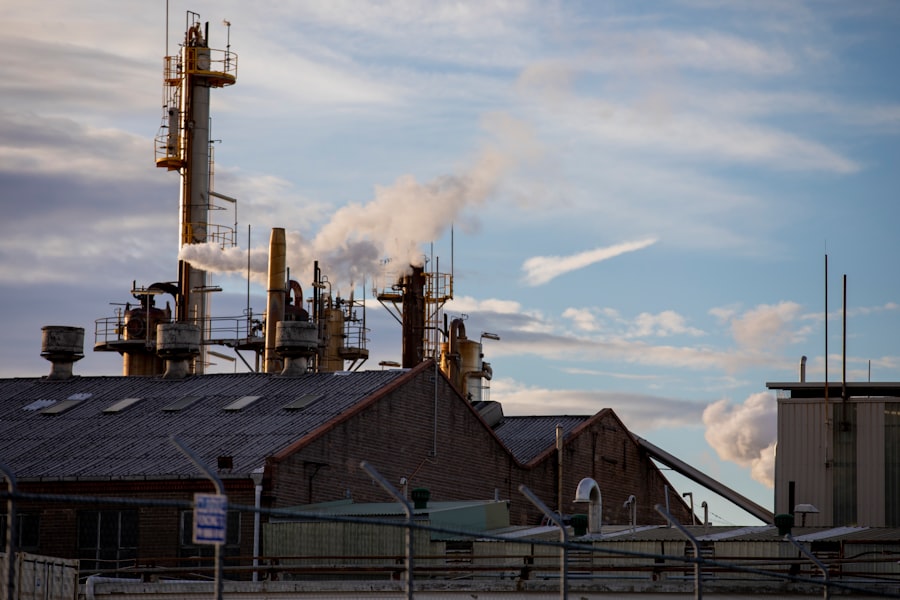
The petrochemical industry has mounted a robust opposition to deposit legislation, arguing that such regulations are not only economically detrimental but also ineffective in achieving their intended environmental goals. Industry representatives assert that the financial burden imposed by deposit systems could lead to job losses and reduced investment in innovation. They contend that the costs associated with implementing these systems—ranging from infrastructure development to consumer education—could outweigh the environmental benefits that proponents claim.
Furthermore, the industry argues that deposit legislation may inadvertently create a false sense of security among consumers. By providing a monetary incentive for returning products, individuals might feel less compelled to reduce their overall consumption or seek out more sustainable alternatives. This perspective highlights a fundamental tension within the debate: while deposit systems aim to encourage recycling, they may also perpetuate a cycle of consumption that undermines broader sustainability efforts.
The petrochemical industry’s opposition is rooted in a desire to protect its economic interests while navigating the complex landscape of environmental responsibility.
Economic Arguments Against Deposit Legislation
Economic arguments against deposit legislation often center on the potential for increased costs and reduced market competitiveness. Critics within the petrochemical sector argue that the implementation of deposit systems could lead to higher prices for consumers, as companies would need to account for the costs associated with collecting deposits and managing returns. This price increase could disproportionately affect low-income households, raising concerns about equity and access to essential products.
Additionally, opponents contend that deposit legislation could stifle innovation within the industry. By imposing rigid requirements on product design and packaging, companies may be less inclined to invest in research and development for new materials or technologies. The fear is that a focus on compliance with deposit regulations could divert resources away from more impactful sustainability initiatives, ultimately hindering progress toward reducing plastic waste and promoting environmentally friendly practices.
In this context, the economic arguments against deposit legislation reflect a broader concern about balancing regulatory frameworks with the need for innovation and growth within the petrochemical sector.
Environmental Concerns Raised by Petrochemical Industry
| Year | Lobbying Expenditure (in millions) | Number of Lobbying Groups | Key Issues Opposed | Legislative Outcomes |
|---|---|---|---|---|
| 2020 | 15.2 | 8 | Deposit Return Systems, Plastic Packaging Regulations | Delay in Deposit Legislation |
| 2021 | 18.7 | 10 | Extended Producer Responsibility, Deposit Schemes | Weakened Deposit Requirements |
| 2022 | 20.5 | 12 | Mandatory Deposits on Plastic Containers | Postponed Implementation Dates |
| 2023 | 22.1 | 14 | Deposit Return Systems, Recycling Mandates | Reduced Deposit Rates |
While the petrochemical industry acknowledges the importance of addressing environmental issues related to plastic waste, it raises several concerns regarding the effectiveness of deposit legislation as a solution. One primary argument is that such regulations may not adequately address the root causes of plastic pollution. Industry representatives assert that focusing solely on recycling through deposit systems overlooks other critical factors, such as overproduction and consumer behavior patterns that contribute to waste generation.
Moreover, the industry emphasizes that not all plastics are created equal; some materials are more easily recyclable than others. Deposit legislation may inadvertently create a one-size-fits-all approach that fails to account for these differences, leading to inefficiencies in recycling processes. The petrochemical sector advocates for a more nuanced understanding of waste management that considers various types of materials and their respective environmental impacts.
This perspective underscores the complexity of addressing plastic pollution and highlights the need for comprehensive strategies that extend beyond deposit systems alone.
Lobbying Efforts by Petrochemical Companies
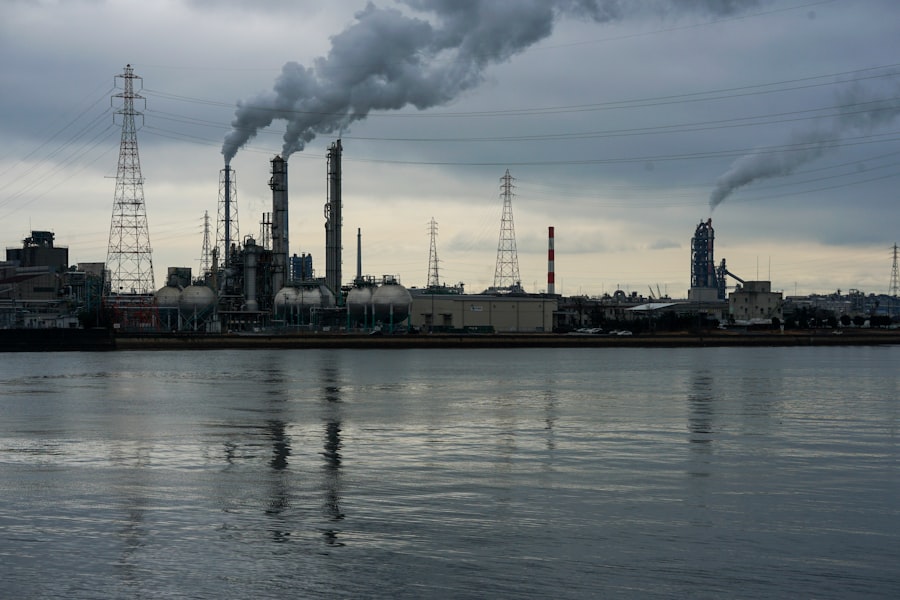
In response to the growing momentum behind deposit legislation, petrochemical companies have engaged in extensive lobbying efforts aimed at influencing policymakers and shaping public perception.
By leveraging their economic influence and expertise, these companies seek to position themselves as responsible stakeholders in the conversation about waste management and environmental sustainability.
Lobbying activities may include direct engagement with lawmakers, funding research studies that support industry positions, and participating in public forums to voice concerns about deposit legislation. Through these channels, petrochemical companies aim to highlight potential unintended consequences of such regulations while advocating for policies that prioritize innovation and voluntary initiatives over mandated systems. The lobbying landscape surrounding deposit legislation reflects the industry’s commitment to protecting its interests while navigating an increasingly complex regulatory environment.
Public Relations Campaigns to Influence Opinion
In addition to lobbying efforts, petrochemical companies have launched public relations campaigns designed to shape public opinion regarding deposit legislation and its implications for the industry. These campaigns often emphasize the industry’s contributions to economic growth, job creation, and technological innovation while framing deposit systems as burdensome regulations that could hinder progress. By highlighting positive narratives about their role in society, these companies aim to foster goodwill among consumers and policymakers alike.
Public relations strategies may include targeted advertising campaigns, community engagement initiatives, and partnerships with organizations focused on sustainability. By presenting themselves as proactive participants in addressing environmental challenges, petrochemical companies seek to counteract negative perceptions associated with plastic production and waste management. This multifaceted approach underscores the importance of narrative framing in shaping public discourse around deposit legislation and its potential impact on both the environment and the economy.
Legal Challenges to Deposit Legislation
As deposit legislation continues to gain traction across various jurisdictions, legal challenges have emerged as a key battleground for the petrochemical industry. Companies have sought to contest the legality of these regulations on various grounds, including claims of overreach by state or local governments and potential violations of constitutional rights related to commerce. These legal battles often hinge on interpretations of regulatory authority and the balance between environmental protection and economic freedom.
Legal challenges can serve multiple purposes for the petrochemical industry: they provide an avenue for delaying implementation of deposit systems while also drawing public attention to perceived flaws in the legislation. By engaging in litigation, companies aim to create uncertainty around the viability of these regulations, potentially influencing policymakers to reconsider or amend proposed laws. The legal landscape surrounding deposit legislation reflects broader tensions between regulatory frameworks and industry interests, highlighting the complexities inherent in balancing environmental goals with economic realities.
Alternative Solutions Proposed by Petrochemical Industry
In lieu of deposit legislation, the petrochemical industry has proposed alternative solutions aimed at addressing plastic waste while minimizing regulatory burdens. These alternatives often focus on voluntary initiatives that encourage recycling and responsible consumption without imposing mandatory requirements on businesses or consumers.
Additionally, some companies have explored partnerships with recycling organizations to develop more efficient collection systems for plastic waste. By investing in infrastructure improvements and innovative technologies, the petrochemical sector seeks to demonstrate its commitment to sustainability while avoiding the perceived pitfalls of deposit legislation. These alternative solutions reflect an ongoing effort within the industry to balance economic interests with environmental responsibility while positioning itself as a proactive participant in addressing plastic pollution.
Collaboration with Other Industries to Fight Deposit Legislation
Recognizing the potential impact of deposit legislation on their operations, petrochemical companies have sought collaboration with other industries facing similar challenges. By forming coalitions with sectors such as retail, packaging, and consumer goods, these companies aim to present a united front against proposed regulations while sharing resources and strategies for advocacy. This collaborative approach allows industries to pool their expertise and influence in shaping public policy discussions surrounding waste management.
Through joint initiatives, these coalitions can amplify their voices in lobbying efforts while also engaging in public relations campaigns that highlight shared concerns about deposit legislation’s economic implications. By fostering collaboration across sectors, petrochemical companies seek to create a broader narrative around responsible consumption and sustainable practices that transcends individual industry interests. This strategy underscores the interconnectedness of various industries in addressing environmental challenges while navigating complex regulatory landscapes.
Future Outlook for Petrochemical Industry’s Battle Against Deposit Legislation
The future outlook for the petrochemical industry’s battle against deposit legislation remains uncertain as societal attitudes toward plastic waste continue to evolve. As public awareness of environmental issues grows, pressure mounts on industries to adopt more sustainable practices and reduce their ecological footprint. While opposition from the petrochemical sector is likely to persist through lobbying efforts and legal challenges, there is also an opportunity for collaboration and innovation within the industry.
In this evolving landscape, companies may find it beneficial to embrace proactive measures that align with consumer expectations for sustainability rather than solely resisting regulatory changes. By investing in research and development for alternative materials or enhancing recycling technologies, the petrochemical industry can position itself as a leader in addressing plastic pollution while mitigating potential backlash from deposit legislation. Ultimately, navigating this complex terrain will require a delicate balance between economic interests and environmental responsibility as stakeholders work toward shared solutions for a more sustainable future.
The petrochemical industry has been actively lobbying against the implementation of new deposit systems, arguing that such measures could significantly impact their operations and profitability. A related article that delves into the intricacies of this lobbying effort can be found here. This piece provides insights into the strategies employed by industry leaders to influence policy decisions and the potential implications for environmental sustainability.
WATCH THIS! 🚨 THE RECYCLING LIE: How Big Oil Fooled the World for 50 Years 🚨
FAQs
What is the petrochemical industry?
The petrochemical industry involves the production of chemicals derived from petroleum and natural gas. These chemicals are used as raw materials in the manufacture of a wide range of products, including plastics, fertilizers, solvents, and synthetic fibers.
What does lobbying mean in the context of the petrochemical industry?
Lobbying refers to efforts by the petrochemical industry to influence government policies, regulations, and legislation in ways that benefit their business interests. This can include advocating for favorable laws, opposing restrictive regulations, or seeking subsidies and tax incentives.
What are deposits in the context of the petrochemical industry?
Deposits can refer to financial guarantees or funds that companies may be required to set aside to cover environmental cleanup, waste management, or other regulatory compliance costs associated with petrochemical operations.
Why might the petrochemical industry lobby against deposits?
The industry may lobby against deposits because such financial requirements can increase operational costs, reduce profitability, and create financial liabilities. They may argue that deposits are burdensome or unnecessary, especially if they believe existing regulations are sufficient.
How does lobbying by the petrochemical industry impact environmental regulations?
Lobbying can influence the stringency and enforcement of environmental regulations. If successful, industry lobbying may lead to weaker regulations or delayed implementation, potentially affecting environmental protection and public health.
Are there concerns about the transparency of petrochemical industry lobbying?
Yes, there are concerns that lobbying activities may not always be fully transparent, making it difficult for the public and policymakers to understand the extent of industry influence on legislation and regulatory decisions.
What role do governments play in regulating the petrochemical industry?
Governments establish and enforce regulations to ensure the petrochemical industry operates safely, minimizes environmental impact, and protects public health. This includes setting standards for emissions, waste management, and financial responsibility measures like deposits.
Can public opinion affect petrochemical industry lobbying efforts?
Yes, public opinion and activism can influence policymakers and potentially counterbalance industry lobbying by raising awareness of environmental and health concerns related to petrochemical operations.
Where can I find more information about petrochemical industry lobbying?
Information can be found through government transparency portals, watchdog organizations, academic research, news reports, and industry disclosures related to lobbying activities and regulatory affairs.