
A significant shift is occurring globally regarding the ingredients found in sunscreen. As scientific understanding deepens regarding the potential ecological and human health impacts of certain chemical compounds, a growing number of countries and regions have begun to implement bans or restrictions on specific sunscreen ingredients. These measures, often driven by environmental concerns, particularly the preservation of coral reefs and marine ecosystems, are reshaping the sunscreen market and prompting manufacturers to reformulate their products.
The ocean, a vast and intricate tapestry of life, is facing unprecedented threats. Among these, a silent, insidious danger lurks within the very products designed to protect human skin – certain chemical sunscreen ingredients. These compounds, when washed off into the water, can accumulate in marine environments and exert significant pressure on delicate ecosystems. The impact is not merely anecdotal; a growing body of scientific research points directly to the detrimental effects of common sunscreen chemicals.
The Coral Reefs: Canaries in the Coal Mine
Coral reefs are often metaphorically referred to as the “rainforests of the sea” due to their incredible biodiversity and crucial role in supporting marine life. However, these vibrant underwater cities are proving to be particularly vulnerable to chemical pollution. Evidence strongly suggests that specific UV filters commonly found in sunscreens are a significant contributor to coral bleaching and damage.
Oxybenzone and Octinoxate: The Primary Culprits
Two of the most frequently cited offenders are oxybenzone (benzophenone-3) and octinoxate (ethylhexyl methoxycinnamate). These organic UV filters, while effective at absorbing UV radiation, are also highly persistent in the environment and have been shown to cause significant harm to corals. Studies have demonstrated that even at very low concentrations, these chemicals can disrupt coral reproduction, damage DNA, and induce bleaching – a phenomenon where corals expel the symbiotic algae that provide them with food and color, ultimately leading to starvation and death if the stress is prolonged.
Beyond Bleaching: Broader Marine Impacts
The damage inflicted by these sunscreen ingredients extends beyond corals. Research indicates that oxybenzone and octinoxate can also negatively affect other marine organisms. This includes altering the reproductive cycles of fish, impacting the growth and development of sea urchins and other invertebrates, and potentially accumulating in the food chain. The cumulative effect can disrupt the delicate balance of marine ecosystems, leading to cascading consequences for biodiversity.
The Growing Body of Scientific Evidence
The scientific consensus surrounding the harmful effects of certain sunscreen ingredients has been built over decades of rigorous research. This evidence is not derived from single, isolated studies but rather from a confluence of laboratory experiments, field observations, and sophisticated modeling. The findings have gradually built a compelling case for regulatory action.
Laboratory Findings: Controlled Environments, Clear Results
In controlled laboratory settings, scientists can isolate the effects of specific chemicals on various marine organisms. These experiments have consistently shown that when exposed to concentrations of oxybenzone and octinoxate found in areas with high human recreational use, corals exhibit significant stress responses. This includes impaired growth, increased susceptibility to disease, and altered gene expression. Similar detrimental effects have been observed in studies on fish larvae and other planktonic organisms, highlighting a broad spectrum of vulnerability.
Field Studies: Real-World Impact
While laboratory studies provide a controlled environment, field studies offer crucial insights into the actual impact of sunscreen use in natural settings. Researchers have collected water samples from popular beaches and swimming areas and detected elevated levels of UV filters. These findings are then correlated with the health of local marine life in those areas. The consistent observation of diminished coral health and altered marine populations in locations with high sunscreen runoff strengthens the argument for regulating these ingredients.
The Persistence Problem: A Lingering Threat
A key concern with many of these chemical UV filters is their persistence. Unlike some substances that break down quickly in the environment, oxybenzone and octinoxate can remain in seawater for extended periods. This means that even if newer, less harmful sunscreens are used, the legacy of past pollution can continue to affect marine life for years to come. This persistence transforms them into a kind of “chemical time bomb” within the ocean.
Many ingredients commonly found in U.S. sunscreens have been banned in other countries due to health and environmental concerns. For instance, certain chemical filters like oxybenzone and octinoxate have raised alarms for their potential to disrupt hormonal systems and harm marine life. This has led to a growing awareness and demand for safer alternatives in sun protection. To learn more about the implications of these banned ingredients and what options are available, you can read a related article at Hey Did You Know This.
International Action: Leading the Charge on Regulation
Recognizing the scientific evidence and the urgent need for action, several countries and territories have taken a proactive stance by banning or restricting the use of harmful sunscreen ingredients. These regulatory measures represent a significant turning point in how the world approaches sun protection and environmental stewardship.
The Case of Hawaii: A Pioneering Ban
The state of Hawaii, with its iconic beaches and world-renowned coral reefs, was one of the first jurisdictions to enact a comprehensive ban on sunscreens containing oxybenzone and octinoxate. Signed into law in 2018 and taking effect in 2021, this legislation was a landmark decision that sent ripples through the sunscreen industry and inspired other regions to follow suit.
The “Reef Safe” Movement Takes Root
Hawaii’s ban served as a powerful catalyst for the “reef safe” movement. It brought public attention to the issue and pressured sunscreen manufacturers to develop and market alternative formulations. The ban demonstrated that it was possible to prioritize marine health without sacrificing effective sun protection, although the transition required significant adaptation.
Economic and Industry Response
The implementation of Hawaii’s ban necessitated a significant shift in the sunscreen market. Retailers had to remove non-compliant products, and manufacturers had to invest in research and development to create mineral-based alternatives or sunscreens with different chemical UV filters that are deemed safer for marine life. While initially challenging, this spurred innovation and created new market opportunities for companies responsive to consumer and environmental demands. This forced diversification acted like a stiff breeze, pushing the industry in a new direction.
Palau: A Bold Step for Ocean Conservation
The island nation of Palau, nestled in the western Pacific Ocean, has also taken a bold step in protecting its pristine marine environment. In 2018, Palau enacted legislation that bans nine specific chemicals commonly found in sunscreens, including oxybenzone and octinoxate.
The “Palau Pledge” and Beyond
Palau’s ban is part of a broader initiative to protect its natural heritage. Visitors are required to sign a “Palau Pledge” upon arrival, promising to act in an ecologically and culturally responsible way during their stay. This pledge extends to using reef-safe sunscreen, underscoring the nation’s commitment to safeguarding its marine ecosystems for future generations. This commitment forms a protective shield around their precious marine resources.
A Global Example
Palau’s decisive action, despite its small size, serves as a powerful global example. It demonstrates that even small nations can lead the way in environmental protection and set a precedent for robust conservation policies. This tiny island nation has become a giant in the fight for ocean health.
Other Jurisdictions Following Suit
Beyond Hawaii and Palau, several other countries and territories have implemented or are considering similar restrictions on harmful sunscreen ingredients. These include:
The U.S. Virgin Islands and Key West, Florida
Similar to Hawaii, the U.S. Virgin Islands have banned oxybenzone and octinoxate in an effort to protect their coral reefs. Key West, Florida, a popular tourist destination also known for its delicate marine environment, has enacted its own ban on these ingredients, further signaling a growing trend in the United States.
Mexico and Aruba
Concerns over the impact on marine life have also prompted regulations in popular tourist destinations in Mexico and Aruba. These countries have begun limiting the sale and use of sunscreens containing certain controversial chemicals, recognizing the economic and ecological importance of their coastal waters.
The Human Health Debate: Emerging Concerns and Ongoing Research

While the environmental impact of chemical sunscreens has been a primary driver for international bans, emerging research also points to potential human health concerns associated with certain ingredients. The debate surrounding these potential risks is ongoing, with further research needed to establish definitive causal links.
Potential Endocrine Disruption
Some chemical UV filters, including oxybenzone, have been investigated for their potential to act as endocrine disruptors. Endocrine disruptors are chemicals that can interfere with the body’s hormone systems, potentially leading to a range of health problems, including reproductive issues, developmental problems, and increased risk of certain cancers.
Understanding Endocrine Disruption
The endocrine system is a complex network of glands that produce hormones, which regulate numerous bodily functions, from metabolism and growth to mood and reproduction. When endocrine disruptors enter the body, they can mimic or block the action of natural hormones, throwing the system out of balance. This can have far-reaching consequences for overall health.
Research Findings and Limitations
Studies, primarily conducted in laboratory settings and on animals, have suggested that some sunscreen ingredients may exhibit endocrine-disrupting activity. However, extrapolating these findings to humans requires caution. The concentrations used in some studies are significantly higher than what humans are typically exposed to through sunscreen use, and direct evidence of adverse health effects in humans remains an active area of investigation. The scientific community is still piecing together this jigsaw puzzle of human health impacts.
Skin Absorption and Systemic Exposure
Another area of concern is the extent to which sunscreen ingredients are absorbed through the skin and enter the bloodstream. Research has detected various sunscreen chemicals in blood, urine, and breast milk, suggesting systemic exposure.
The Question of Quantity
The presence of these chemicals in the body raises questions about the potential cumulative effects of long-term exposure. While the body can metabolize and excrete many substances, repeated exposure to certain chemicals might lead to accumulation or interfere with normal bodily processes. The debate centers on whether the levels detected pose a significant health risk.
The Role of Formulation and Application
The amount of sunscreen absorbed can vary depending on factors such as the formulation of the product, the area of application, and the frequency of use. Water-resistant formulas, for example, may be designed for longer retention on the skin, which could potentially lead to increased absorption over time.
The Precautionary Principle: A Guiding Philosophy
In the face of evolving scientific understanding and potential risks, many advocate for the adoption of the precautionary principle. This principle suggests that if an action or policy has a suspected risk of causing harm to the public or the environment, in the absence of scientific consensus that harm would not ensue, the burden of proof falls on those taking the action to demonstrate it is not harmful. This approach acts as an early warning system, prompting caution.
The Rise of Mineral Sunscreens: A Safer Alternative?
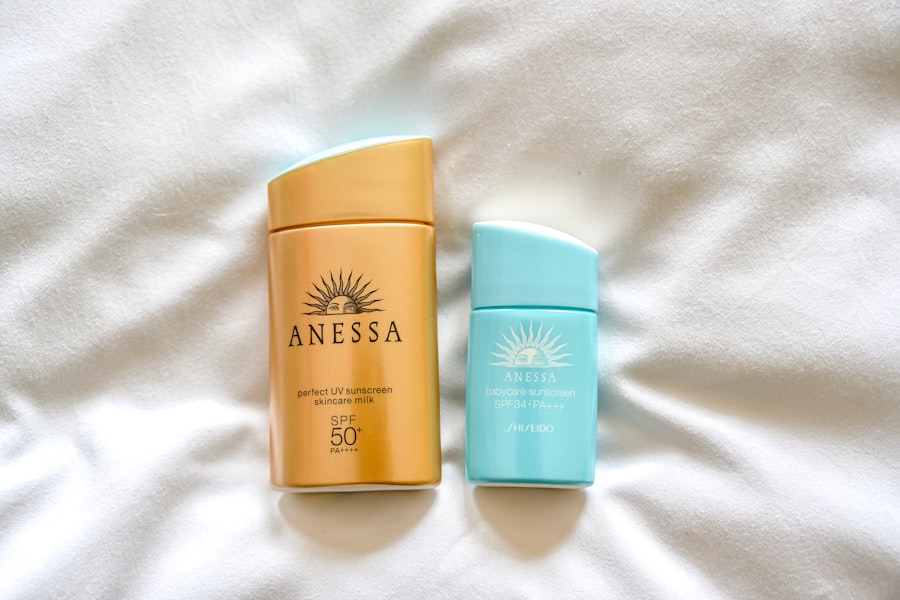
In response to the growing concerns, both environmental and human health-related, mineral sunscreens have seen a surge in popularity. These sunscreens utilize mineral blockers, primarily zinc oxide and titanium dioxide, which are generally considered safer for both the environment and human health.
How Mineral Sunscreens Work
Unlike chemical sunscreens that absorb UV radiation, mineral sunscreens work by creating a physical barrier on the skin’s surface. When applied, tiny particles of zinc oxide and titanium dioxide sit on top of the skin and physically block or deflect UV rays away from the body. This mechanism of action is often described as forming a protective shield.
Zinc Oxide and Titanium Dioxide: The Key Players
Zinc oxide and titanium dioxide are naturally occurring minerals that have been used in sunscreens for decades. They are broad-spectrum UV filters, meaning they protect against both UVA and UVB rays. The effectiveness and safety of these mineral ingredients have been extensively studied and are generally well-regarded by regulatory bodies.
Nanoparticles and Safety Concerns
A nuance within the mineral sunscreen category relates to the use of nanoparticles. While often used to make sunscreens more cosmetically elegant and less chalky, concerns have been raised about the potential for nanoparticles to be absorbed into the body or to persist in the environment. However, regulatory bodies and scientific research generally indicate that when used in sunscreen formulations and applied to intact skin, nanoparticles of zinc oxide and titanium dioxide are not absorbed into the body in significant amounts and are considered safe. Ongoing research continues to monitor this aspect.
Advantages of Mineral Sunscreens
Mineral sunscreens offer several advantages that have contributed to their increasing popularity:
Environmental Friendliness
The key advantage is their generally recognized lower environmental impact. Unlike chemical UV filters, zinc oxide and titanium dioxide are not known to cause coral bleaching or harm marine life in the same way. This makes them a preferred choice for those concerned about ocean conservation.
Hypoallergenic Properties
Mineral sunscreens are often recommended for individuals with sensitive skin, acne-prone skin, or conditions like rosacea. Zinc oxide, in particular, has anti-inflammatory properties that can be beneficial for irritated skin. They tend to be less likely to cause allergic reactions or breakouts.
Immediate Protection
Upon application, mineral sunscreens provide immediate protection as they form a physical barrier on the skin. There is no waiting period required for the product to become effective, unlike some chemical sunscreens that need time to absorb and activate.
Challenges and Innovations in Mineral Formulations
Despite their advantages, mineral sunscreens have historically faced some challenges:
Cosmetic Elegance
The primary drawback has been their tendency to leave a white cast on the skin, making them less cosmetically appealing for some users. However, significant advancements in formulation technology have addressed this concern.
Micronization and Encapsulation
Manufacturers have developed techniques like micronization and encapsulation to create thinner, more spreadable mineral formulations that blend more seamlessly into the skin, reducing or eliminating the white cast. This technological leap has transformed the user experience.
Increased Accessibility
As demand for mineral sunscreens grows, their availability and variety in the market have increased significantly. They are now widely accessible in drugstores and online retailers, making them a convenient choice for consumers.
Many ingredients commonly found in U.S. sunscreens have been banned in other countries due to safety concerns and potential health risks. For instance, a recent article discusses how certain chemicals, which are still permitted in American formulations, have been linked to environmental damage and hormone disruption. This raises questions about the safety standards applied in the U.S. compared to those overseas. To learn more about these controversial ingredients and their implications, you can read the full article here.
The Future of Sunscreen: A Path Toward Sustainability and Safety
| Ingredient | Common Use in US Sunscreens | Reason for Ban Overseas | Countries/Regions Banning | Health/Environmental Concerns |
|---|---|---|---|---|
| Oxybenzone (Benzophenone-3) | UV filter to absorb UVB and UVA rays | Potential coral reef damage and hormone disruption | Hawaii, Palau, Key West (USA states/territories), parts of Caribbean, EU | Endocrine disruption, coral bleaching |
| Octinoxate (Ethylhexyl Methoxycinnamate) | UVB filter | Coral reef toxicity and environmental persistence | Hawaii, Palau, Key West, parts of Caribbean, EU | Coral reef damage, potential hormone effects |
| Homosalate | UVB filter | Environmental concerns and bioaccumulation | EU (restricted use) | Potential environmental persistence |
| Octocrylene | UVB and short UVA filter | Environmental persistence and coral toxicity | EU (restricted use) | Bioaccumulation, coral reef impact |
| Parabens (e.g., Methylparaben, Propylparaben) | Preservatives in sunscreen formulations | Endocrine disruption concerns | EU (restricted use) | Hormone disruption potential |
The global movement toward banning harmful sunscreen ingredients signals a fundamental shift in the industry, driven by a growing awareness of the interconnectedness between human well-being and environmental health. The future of sunscreen lies in embracing innovation, prioritizing transparency, and adopting a holistic approach to sun protection.
Shifting Industry Standards
The bans and restrictions imposed by various countries are acting as powerful catalysts, forcing sunscreen manufacturers to re-evaluate their product formulations and supply chains. This economic pressure is a potent engine for change, pushing the industry towards more sustainable and safer alternatives.
Research and Development Investment
Companies that were once hesitant to move away from traditional chemical formulations are now investing heavily in research and development to create novel UV-filtering ingredients that are both effective and environmentally benign. This is fostering a new era of scientific exploration within the cosmetics industry.
Market Differentiation
Brands that proactively embrace eco-friendly and human-health-conscious formulations are likely to gain a competitive advantage. Consumers are becoming more discerning, seeking out products that align with their values, and this trend is expected to accelerate. This creates a marketplace that rewards responsibility.
Consumer Education and Choice
Empowering consumers with accurate information is crucial in navigating the evolving landscape of sunscreen. Understanding the differences between mineral and chemical sunscreens, the potential impacts of various ingredients, and the importance of choosing reef-safe and body-safe products empowers individuals to make informed decisions.
Reading Labels and Certifications
Consumers are encouraged to become more diligent in reading product labels and looking for certifications that indicate environmental or health safety. As the “reef-safe” movement gains momentum, third-party certifications are becoming increasingly important indicators of a product’s commitment to sustainability.
The Power of Demand
Ultimately, consumer demand plays a vital role in shaping the market. By choosing sunscreens that prioritize environmental and human health, consumers can collectively drive further innovation and encourage widespread adoption of safer alternatives. This collective voice is a powerful force for positive change.
The Evolving Regulatory Landscape
It is likely that the regulatory landscape surrounding sunscreen ingredients will continue to evolve. As more scientific data emerges and public awareness grows, it is plausible that additional ingredients may face scrutiny, and further restrictions or bans could be implemented in other regions. The ongoing dialogue between scientists, regulatory bodies, industry, and the public will shape the future of sun protection. The ongoing scientific inquiry resembles a tide, slowly but surely reshaping the shoreline of what is considered safe and responsible.
The transition away from certain harmful sunscreen ingredients is not merely a trend; it is a necessary evolution driven by scientific understanding and a growing recognition of our responsibility to protect both our health and the planet. As the world collectively moves towards more sustainable and safer sun protection options, the future promises a healthier environment and healthier skin for all.

WATCH NOW ▶️STOP Using These 50 Bathroom Products (Banned In Europe!)
FAQs
What are some common ingredients in US sunscreens that are banned overseas?
Some ingredients commonly found in US sunscreens but banned or restricted in other countries include oxybenzone, octinoxate, and homosalate. These chemicals have raised environmental and health concerns leading to their prohibition in places like the European Union and Hawaii.
Why are certain sunscreen ingredients banned in other countries but allowed in the US?
Different countries have varying regulatory standards and scientific assessments regarding the safety and environmental impact of sunscreen ingredients. Some nations have banned certain chemicals due to evidence of coral reef damage or potential hormonal effects, while US regulators have not imposed the same restrictions.
Are sunscreens with banned ingredients in the US still considered safe for use?
The US Food and Drug Administration (FDA) currently considers these ingredients safe when used as directed. However, ongoing research and international regulatory actions have prompted calls for further evaluation and reformulation by some manufacturers.
What alternatives to banned sunscreen ingredients are available in the US?
Mineral-based sunscreens containing zinc oxide or titanium dioxide are widely available alternatives. These ingredients are generally recognized as safe and effective and are less likely to cause environmental harm compared to some chemical UV filters.
How can consumers identify if a sunscreen contains ingredients banned overseas?
Consumers can check the product label for active ingredients such as oxybenzone, octinoxate, or homosalate. Additionally, looking for mineral-based sunscreens or products labeled as “reef-safe” can help avoid banned chemicals.