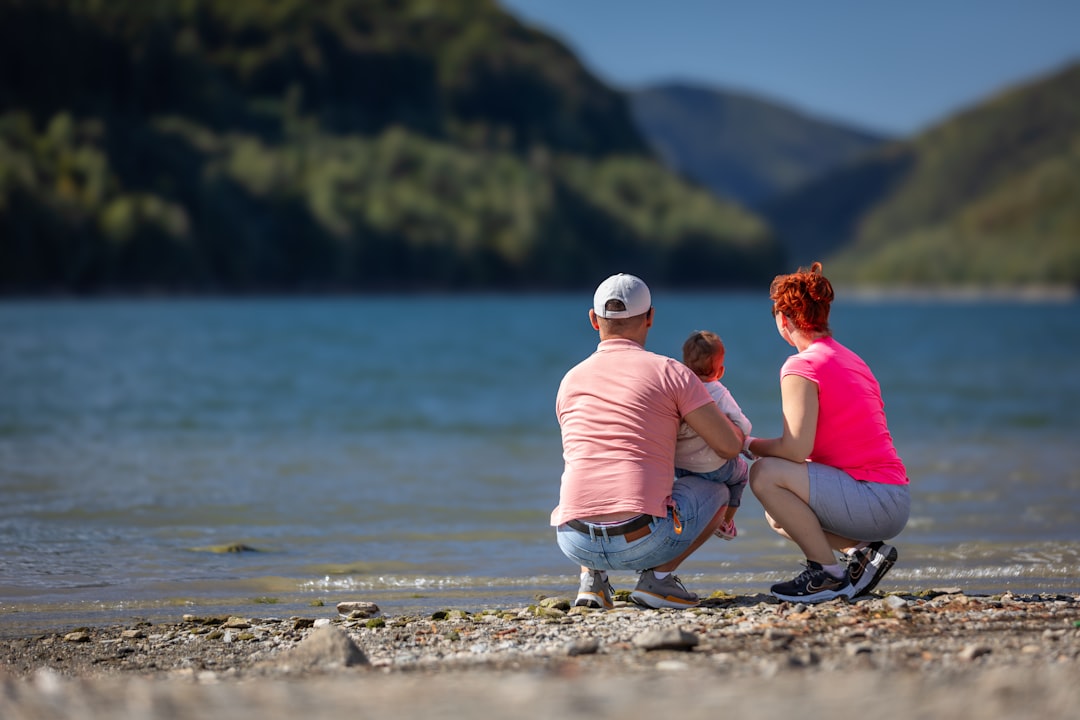
Outdoor Time: Key to Myopia Prevention
You’re likely familiar with the concept of myopia, commonly known as nearsightedness. It’s a prevalent refractive error where distant objects appear blurred because the eye focuses images in front of the retina instead of on it. While genetic predisposition plays a role, a growing body of evidence points to environmental factors as significant contributors to its development and progression, particularly during childhood and adolescence. One of the most consistently identified and actionable protective factors is spending time outdoors. This isn’t about a casual stroll; it’s about substantial engagement with the natural environment.
Myopia is no longer a niche concern. Its prevalence has surged globally over the past few decades, reaching epidemic proportions in many parts of the world. This increase is particularly noticeable in East Asian countries, where rates can exceed 80% in young adults. However, the trend is not confined to these regions; Western countries are also witnessing a steady climb in myopia incidence and severity.
Understanding the Myopia Epidemic
- Global Prevalence Data: You’ll find numerous studies detailing the escalating numbers. Look for research from organizations like the World Health Organization (WHO) or major ophthalmological societies. They consistently report a significant year-on-year increase in myopic individuals, especially among younger demographics.
- Age of Onset and Progression: Myopia typically begins to develop in childhood, often between the ages of six and 12, and can continue to worsen throughout adolescence. Early onset is a significant risk factor for developing high myopia, which carries a greater risk of ocular complications later in life.
- Economic and Societal Impact: The cost of managing myopia and its associated complications is substantial. This includes the expense of eyeglasses, contact lenses, corrective surgeries, and the treatment of conditions like retinal detachment, glaucoma, and myopic macular degeneration. Beyond the direct financial burden, vision impairment can affect educational attainment, career choices, and overall quality of life.
Contributing Factors Beyond Genetics
While your genes might predispose you to myopia, they don’t predetermine your fate. Environmental shifts have undoubtedly fueled the recent surge.
The Shift Towards Indoor Lifestyles
- Increased Screen Time: The ubiquitous presence of smartphones, tablets, and computers has led to an unprecedented amount of time spent engaging with screens at close distances. This prolonged near work is a primary suspect in the myopia equation.
- Changes in Educational Practices: Modern curricula often involve extensive reading, writing, and computer use, further contributing to a visually demanding indoor environment. Academic pressure can also lead to longer study hours indoors.
- Urbanization and Reduced Access to Outdoor Spaces: As populations move towards urban centers, access to safe and appealing outdoor recreational areas can diminish. Even when available, societal shifts might prioritize indoor structured activities over unstructured outdoor play.
Recent studies have highlighted the importance of outdoor time in preventing myopia, particularly among children. Engaging in outdoor activities not only promotes physical health but also appears to play a crucial role in eye development and reducing the risk of nearsightedness. For more insights on this topic, you can read a related article that delves into the science behind outdoor time and its impact on myopia prevention at this link.
The Protective Power of Natural Light
The connection between outdoor time and myopia prevention is not merely anecdotal; it’s supported by robust scientific evidence. A critical component of this protection appears to be the intensity and spectrum of natural light.
How Natural Light Impacts Eye Development
- Dopamine Release in the Retina: One prominent theory suggests that bright light stimulates the release of dopamine in the retina. Dopamine is a neurotransmitter that plays a crucial role in regulating eye growth. In the presence of sufficient dopamine, the eye’s axial elongation (the lengthening of the eyeball, a key driver of myopia) is inhibited.
- Pupil Constriction and Depth of Field: Bright outdoor light causes the pupils to constrict. This smaller aperture increases the depth of field, meaning more of the visual scene, both near and far, is brought into sharper focus. This could reduce the blur signals that the eye may interpret as a cue to elongate.
- Light Intensity and Spectrum: Natural sunlight is significantly brighter than typical indoor lighting, even on an overcast day. Furthermore, the spectrum of natural light contains wavelengths that may have beneficial effects on retinal development that artificial indoor lighting lacks.
Quantifying the Benefits of Outdoor Time
Research has consistently demonstrated a dose-response relationship between outdoor time and myopia risk. The more time spent outdoors, the lower the likelihood of developing or progressing myopia.
Establishing Recommended Durations
- The Two-Hour Benchmark: Many studies suggest that spending at least two hours per day outdoors is associated with a significant reduction in myopia risk. This recommendation is often cited in public health guidelines related to eye health.
- Cumulative Effects of Time: It’s not just about a single prolonged period. Splitting outdoor time into shorter, more frequent sessions throughout the day can also be beneficial. What matters is the cumulative exposure to natural light.
- Age-Specific Recommendations: While the general recommendation is two hours, the critical period for intervention is often considered to be during childhood and adolescence. However, the benefits of outdoor time for eye health may extend into adulthood, particularly in managing the progression of existing myopia.
Beyond Light: Other Outdoor Advantages
While light intensity is a major factor, the benefits of outdoor time for myopia prevention likely extend to other aspects of our interaction with the outdoor environment. These elements work in concert to promote healthy eye development.
The Role of Visual Demands
- Varied Visual Distances: Outdoors, your eyes are constantly adjusting focus between near, intermediate, and far distances. This dynamic visual environment is very different from the predominantly fixed, close-up nature of many indoor activities, particularly screen time.
- Reduced Near Work Load: When you’re engaged in outdoor activities, the amount of time spent focusing on very close objects is naturally reduced compared to prolonged periods of reading or using digital devices.
- Focusing on Distant Objects: Playing outdoors often involves looking at objects far away, such as trees, buildings, or the horizon. This provides the eyes with opportunities to relax and focus on distant targets, counteracting the constant demand for near focusing.
Physical Activity and Overall Well-being
- Increased Physical Exertion: Outdoor activities are often inherently physical. While the direct link to myopia prevention is still being explored, general physical health, including good circulation and potentially reduced stress levels, could indirectly support eye health.
- Mental Health Benefits: Spending time in nature has well-documented positive effects on mental well-being. Reduced stress and improved mood might have downstream benefits for overall health, which could, in turn, influence physical processes like eye growth.
Implementing Outdoor Time Strategies
Recognizing the importance of outdoor time is the first step. The next is to actively incorporate it into daily routines, especially for children. This requires conscious effort and planning.
Practical Tips for Increasing Outdoor Exposure
- Structured Outdoor Activities: Encourage participation in sports, games, or supervised exploration in parks and natural areas. This provides directed opportunities for outdoor engagement.
- Unstructured Play: Allow for free play and exploration outdoors. This could be as simple as playing in the backyard, visiting a local playground, or going for walks in the neighborhood.
- Integrating Outdoor Time into Daily Schedules: Factor in outdoor breaks during study sessions or work periods. Short walks or spending lunch breaks outside can make a difference.
- Weekend and Holiday Focus: Make an intentional effort to spend more time outdoors during weekends and school holidays when there is typically more flexibility.
- Family Engagement: Lead by example and participate in outdoor activities with your children or family members. This reinforces the value of outdoor time.
- Optimizing School Environments: Advocate for school policies that encourage outdoor breaks and allocate time for outdoor physical education and recess.
Addressing Barriers to Outdoor Time
- Safety Concerns: Parents may have legitimate concerns about safety in outdoor environments. This can be addressed through careful supervision, choosing safe locations, and educating children about safety measures.
- Weather Constraints: Unfavorable weather can be a barrier. However, with appropriate clothing and gear, many outdoor activities can still be enjoyed in various conditions. Indoor play doesn’t have to equate to screen time; creative play and reading can also be done indoors.
- Time Constraints: Busy schedules can make it difficult to allocate significant time for outdoor activities. Prioritization and clever scheduling are key. Even short, consistent periods can be effective.
- Lack of Access to Green Spaces: In some urban areas, access to safe and appealing green spaces may be limited. This highlights the need for urban planning that prioritizes accessible parks and recreational areas.
Recent studies have highlighted the importance of outdoor time in preventing myopia, particularly among children. Spending more time outdoors has been associated with a reduced risk of developing nearsightedness, as natural light exposure and the opportunity to focus on distant objects play a crucial role in eye health. For a deeper understanding of this topic, you can explore a related article that discusses the science behind outdoor activities and their impact on vision by visiting this link.
The Role of Early Intervention and Consistent Habits
| Study | Findings |
|---|---|
| Year-long study on outdoor time and myopia | Increased outdoor time was associated with a lower incidence of myopia in children. |
| Meta-analysis of outdoor time and myopia risk | Higher levels of outdoor time were linked to a reduced risk of developing myopia. |
| Effect of outdoor time on myopia progression | Regular outdoor time was found to slow down the progression of myopia in adolescents. |
Myopia prevention is most effective when strategies are implemented early in life and maintained consistently. Building healthy habits from a young age can set a trajectory for better eye health throughout adolescence and adulthood.
Myopia Management Beyond Outdoor Time
While outdoor time is a cornerstone of prevention, it’s important to acknowledge that it’s not the sole solution for everyone. For individuals already diagnosed with myopia, other management strategies may be necessary.
Additional Myopia Control Interventions
- Specialized Spectacle Lenses: Modern spectacle lenses are designed to help slow the progression of myopia. These lenses work by creating a peripheral defocus effect that signals the eye to stop elongating.
- Orthokeratology (Ortho-K): This involves wearing specially designed rigid gas permeable contact lenses overnight. These lenses temporarily reshape the cornea, providing clear vision during the day without glasses or contacts. While primarily for vision correction, some studies suggest they may also help slow myopia progression.
- Multifocal Contact Lenses: Certain soft multifocal contact lenses designed for myopia control have also shown efficacy in slowing eye growth. These lenses create a similar peripheral defocus effect to specialized spectacle lenses.
- Low-Dose Atropine Eye Drops: This is a pharmacological approach where low concentrations of atropine are administered as eye drops. Atropine has been shown to effectively slow myopia progression in many children.
The Long-Term Perspective
The benefits of prioritizing outdoor time extend far beyond a reduction in myopia. They contribute to a more balanced lifestyle with a greater appreciation for the natural world.
Sustaining Healthy Vision Habits
- Adopting a Holistic Approach: Myopia prevention is best viewed as part of a broader strategy for overall eye health and well-being. This includes regular eye examinations, a balanced diet, and sufficient sleep.
- Lifelong Benefits: The habits formed in childhood regarding outdoor time can carry into adulthood, potentially mitigating the risk of age-related eye conditions and contributing to overall health.
- Education and Awareness: Continued public education about the importance of outdoor time for vision health is crucial. This empowers individuals and parents to make informed choices that can impact long-term eye health outcomes.
In conclusion, the evidence strongly suggests that incorporating significant amounts of time outdoors is a critical and effective strategy for preventing the onset and progression of myopia. By understanding the underlying mechanisms and actively integrating outdoor activities into daily life, you can take a proactive stance in safeguarding your vision and that of future generations.
FAQs
What is myopia?
Myopia, also known as nearsightedness, is a common vision condition where close objects can be seen clearly, but distant objects are blurry.
How does spending time outdoors help prevent myopia?
Spending time outdoors has been shown to reduce the risk of developing myopia in children. The exact reasons are not fully understood, but it is believed that exposure to natural light and the ability to focus on distant objects while outdoors may play a role in preventing myopia.
How much outdoor time is recommended for myopia prevention?
While there is no specific guideline for the amount of outdoor time needed to prevent myopia, studies have suggested that spending at least 2 hours per day outdoors may be beneficial for reducing the risk of developing myopia in children.
At what age is outdoor time most effective for myopia prevention?
The benefits of outdoor time for myopia prevention are most significant during childhood and adolescence. It is recommended to encourage outdoor activities from a young age to help reduce the risk of developing myopia.
Are there other factors that can contribute to myopia prevention?
In addition to outdoor time, other factors such as limiting screen time, taking regular breaks from near work, and maintaining a healthy diet and lifestyle can also contribute to myopia prevention.