
Organic soil-grown produce is cultivated using farming methods that rely on natural fertilizers such as compost and manure, and biological pest control techniques instead of synthetic chemicals. These practices eliminate pesticide residues from food products and may preserve higher levels of certain nutrients compared to conventionally grown alternatives. Organic farming systems emphasize soil health through crop rotation, cover cropping, and organic matter incorporation.
These methods support beneficial soil microorganisms and can improve water retention and soil structure. The absence of synthetic pesticides and fertilizers in organic production helps protect pollinators, beneficial insects, and surrounding ecosystems from chemical exposure. Local organic farms typically operate on smaller scales than industrial agricultural operations.
Purchasing from these farms directs revenue to local producers and can reduce transportation-related carbon emissions associated with long-distance food distribution. Local food systems also provide economic benefits to rural communities by keeping agricultural profits within the region and supporting farm-related employment. Organic certification requires adherence to specific standards that prohibit the use of synthetic pesticides, herbicides, and fertilizers, as well as genetically modified organisms.
These regulations are enforced through regular inspections and documentation requirements that verify compliance with organic production standards.
Key Takeaways
- Organic soil-grown produce offers higher nutrient density and better health benefits compared to conventional produce.
- Organic farming practices reduce pesticide use and promote healthier soil ecosystems.
- Supporting local organic farmers helps strengthen community economies and ensures fresher produce.
- Healthy soil in organic farming enhances biodiversity and contributes to environmental sustainability.
- Incorporating organic soil-grown produce into your diet can reduce food waste and improve overall well-being.
Nutrient Density in Organic Soil-Grown Produce
One of the most compelling reasons to incorporate organic soil-grown produce into your diet is its superior nutrient density. Research has shown that organic fruits and vegetables often contain higher levels of vitamins, minerals, and antioxidants compared to their conventionally grown counterparts. This is largely due to the rich, healthy soil in which they are cultivated.
Organic farming practices focus on building soil health through composting, crop rotation, and cover cropping, which in turn leads to more nutrient-rich produce. When you consume organic soil-grown produce, you are not just filling your plate; you are fueling your body with essential nutrients that support overall health. The increased levels of antioxidants found in organic produce can help combat oxidative stress and reduce the risk of chronic diseases.
By prioritizing organic options, you are making a proactive choice to enhance your well-being and ensure that your body receives the nourishment it needs to thrive.
Environmental Impact of Organic Soil-Grown Produce

The environmental benefits of organic soil-grown produce cannot be overstated. Organic farming practices are designed to minimize harm to the ecosystem while promoting sustainability. By avoiding synthetic fertilizers and pesticides, organic farmers help protect water quality and reduce pollution in surrounding areas.
This is particularly important as conventional farming methods often lead to runoff that contaminates local waterways, harming aquatic life and disrupting ecosystems. Additionally, organic farming promotes biodiversity by encouraging a variety of crops and natural pest control methods. When you choose organic soil-grown produce, you are supporting agricultural practices that foster a diverse range of plants and animals.
By making informed choices about the food you consume, you play a vital role in protecting the environment and promoting sustainable agricultural practices.
Pesticide and Chemical Use in Conventional Farming
In contrast to organic farming, conventional agriculture relies heavily on synthetic pesticides and fertilizers to maximize crop yields. While these chemicals may provide short-term benefits in terms of productivity, they come with significant long-term consequences for both human health and the environment. When you consume conventionally grown produce, you may be exposing yourself to harmful residues that can accumulate in your body over time.
Moreover, the widespread use of pesticides has been linked to various health issues, including respiratory problems, hormonal imbalances, and even certain types of cancer. By choosing organic soil-grown produce, you can significantly reduce your exposure to these harmful substances. You are making a conscious effort to prioritize your health and well-being while also advocating for safer agricultural practices that protect both farmers and consumers alike.
The Importance of Soil Health in Organic Farming
| Metric | Value | Unit | Notes |
|---|---|---|---|
| Soil Organic Matter Content | 3.5 – 6.0 | % | Higher levels improve nutrient retention and soil structure |
| Soil pH | 6.0 – 7.0 | pH units | Optimal range for most organic vegetables |
| Soil Microbial Biomass | 300 – 600 | mg C/kg soil | Indicator of soil biological activity |
| Available Nitrogen (N) | 20 – 50 | mg/kg soil | Essential nutrient for plant growth |
| Available Phosphorus (P) | 15 – 30 | mg/kg soil | Important for root development |
| Available Potassium (K) | 100 – 200 | mg/kg soil | Supports overall plant health |
| Crop Yield (Organic Produce) | 15 – 25 | tons/ha | Varies by crop type and soil management |
| Soil Moisture Content | 20 – 30 | % | Maintained for optimal plant growth |
Soil health is at the core of organic farming practices. Healthy soil is teeming with life, including beneficial microorganisms that contribute to nutrient cycling and plant growth. When you choose organic soil-grown produce, you are supporting farming methods that prioritize soil health through practices such as composting, reduced tillage, and crop rotation.
These methods not only enhance the fertility of the soil but also improve its structure and water retention capabilities. By focusing on soil health, organic farmers create a sustainable system that can produce food without depleting natural resources. This is crucial in an era where soil degradation poses a significant threat to global food security.
When you consume organic produce, you are not just enjoying fresh fruits and vegetables; you are also supporting a system that values and nurtures the very foundation of our food supply—healthy soil.
Supporting Local Farmers through Organic Soil-Grown Produce
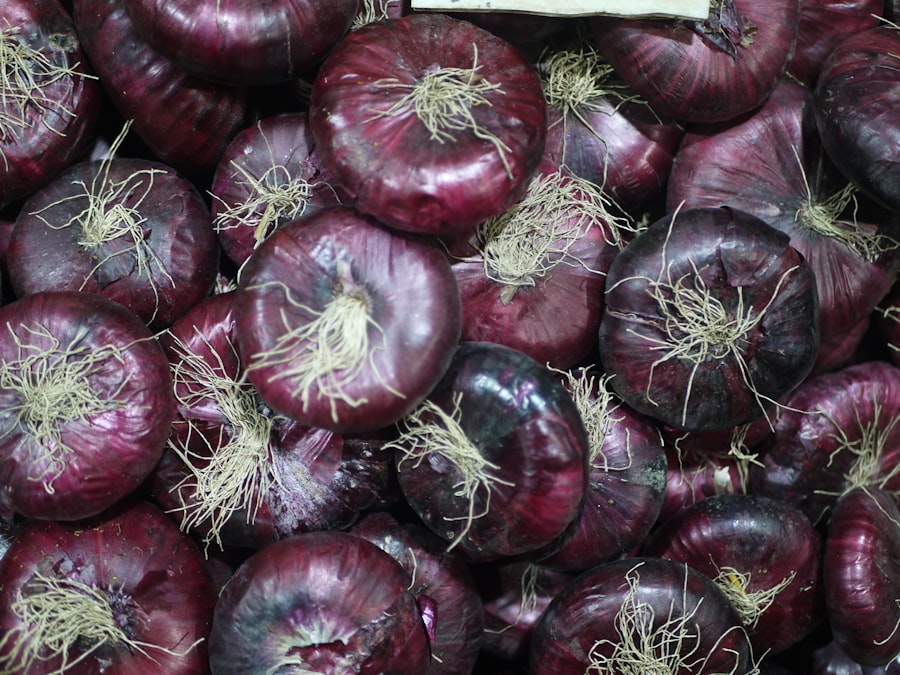
When you choose organic soil-grown produce, you often find yourself supporting local farmers who are committed to sustainable practices. Many organic farms operate on a smaller scale compared to large industrial farms, allowing them to focus on quality over quantity. By purchasing from these local producers, you contribute directly to their livelihoods and help sustain their businesses.
Supporting local farmers also fosters a sense of community and connection between consumers and producers. You have the opportunity to learn about where your food comes from and how it is grown, creating a deeper appreciation for the agricultural process. Additionally, buying locally reduces the carbon footprint associated with transporting food over long distances.
By choosing organic soil-grown produce from local sources, you are making a positive impact on both your community and the environment.
The Role of Organic Soil-Grown Produce in Reducing Food Waste
Food waste is a significant issue in our society, with millions of tons of edible food discarded each year. Organic soil-grown produce can play a crucial role in reducing this waste by promoting more sustainable consumption habits. When you choose fresh, locally sourced organic produce, you are more likely to consume it quickly due to its superior flavor and nutritional value.
This can lead to less spoilage and waste in your household. Furthermore, many local farmers’ markets offer “ugly” or imperfect fruits and vegetables at reduced prices. By purchasing these items, you help combat the stigma surrounding aesthetically pleasing produce while also reducing food waste.
Embracing organic soil-grown produce encourages a more mindful approach to food consumption—one that values quality over appearance and promotes sustainability.
The Connection Between Soil Health and Human Health
The relationship between soil health and human health is profound yet often overlooked. Healthy soil produces nutrient-dense crops that nourish our bodies and support overall well-being. When you choose organic soil-grown produce, you are directly benefiting from the rich nutrients found in well-maintained soils.
This connection highlights the importance of sustainable agricultural practices that prioritize both environmental health and human health. Moreover, healthy soils contribute to cleaner air and water quality, which further impacts human health positively. By supporting organic farming methods that focus on soil health, you are advocating for a holistic approach to agriculture that recognizes the interconnectedness of all living systems.
Your choices at the grocery store can have far-reaching effects on both your health and the health of the planet.
How Organic Soil-Grown Produce Supports Biodiversity
Biodiversity is essential for maintaining resilient ecosystems capable of adapting to changes in climate and environmental conditions. Organic soil-grown produce supports biodiversity by promoting diverse crop rotations and minimizing chemical inputs that can harm beneficial insects and wildlife. When you choose organic options, you are contributing to agricultural practices that foster a rich variety of plants and animals.
This biodiversity not only enhances ecosystem stability but also improves crop resilience against pests and diseases. By supporting organic farming methods that prioritize biodiversity, you are playing an active role in preserving our planet’s natural heritage while ensuring a sustainable food supply for future generations.
The Economic Benefits of Choosing Organic Soil-Grown Produce
Choosing organic soil-grown produce can have significant economic benefits for both consumers and local communities. While organic products may sometimes come with a higher price tag, they often provide better value in terms of quality and nutritional content. Investing in organic produce means investing in your health—an investment that can lead to long-term savings on healthcare costs associated with diet-related illnesses.
Additionally, supporting local organic farmers helps stimulate local economies by keeping money within the community. When you purchase from these farmers, you contribute to job creation and economic stability in your area. By choosing organic soil-grown produce, you are not only making a healthier choice for yourself but also supporting economic growth within your community.
Tips for Incorporating Organic Soil-Grown Produce into Your Diet
Incorporating organic soil-grown produce into your diet can be both enjoyable and rewarding. Start by exploring local farmers’ markets or community-supported agriculture (CSA) programs where you can find fresh seasonal produce directly from local growers. This not only ensures freshness but also allows you to connect with the people who grow your food.
Experiment with new recipes that highlight the flavors of organic fruits and vegetables. Consider meal planning around seasonal produce to make the most of what’s available at different times of the year.
By making small changes in your shopping habits and meal preparation, you can easily incorporate more organic soil-grown produce into your diet while enjoying all the benefits it has to offer for your health, community, and environment.
Organic produce is often celebrated for its health benefits and environmental sustainability, but the quality of the soil in which it is grown plays a crucial role in its overall nutritional value. A recent article discusses the importance of soil health in organic farming practices and how it directly impacts the quality of the produce. For more insights on this topic, you can read the article [here](https://www.heydidyouknowthis.com/).
FAQs
What does “organic produce” mean?
Organic produce refers to fruits, vegetables, and other crops grown without the use of synthetic pesticides, herbicides, genetically modified organisms (GMOs), or chemical fertilizers. Instead, organic farming relies on natural methods such as composting, crop rotation, and biological pest control.
How is soil important in growing organic produce?
Soil is a critical component in organic farming because it provides essential nutrients and a habitat for beneficial microorganisms. Healthy, well-maintained soil supports plant growth naturally and helps reduce the need for chemical inputs, promoting sustainable and environmentally friendly agriculture.
What practices are used to maintain soil health in organic farming?
Organic farmers use practices such as crop rotation, cover cropping, composting, reduced tillage, and the application of natural fertilizers like manure or green manure. These methods enhance soil fertility, structure, and microbial activity, which are vital for healthy plant growth.
Are organic produce and soil-grown produce the same?
Not necessarily. While organic produce is grown following organic standards, soil-grown produce specifically refers to crops cultivated in soil rather than hydroponic or soilless systems. Organic produce can be soil-grown, but some organic crops may also be grown in alternative growing media.
Is organic produce safer or healthier than conventionally grown produce?
Organic produce is generally free from synthetic pesticide residues and may contain higher levels of certain nutrients and antioxidants. However, both organic and conventional produce provide essential vitamins and minerals. Washing all produce thoroughly is recommended regardless of farming method.
How can consumers identify organic produce?
Organic produce is often labeled with certification logos from recognized organizations, such as the USDA Organic seal in the United States. These certifications ensure that the produce meets established organic farming standards.
Does organic farming impact the environment differently than conventional farming?
Yes, organic farming typically has a lower environmental impact because it avoids synthetic chemicals, promotes biodiversity, improves soil health, and reduces pollution. However, organic farming may require more land to produce the same yield as conventional methods.
Can organic produce be grown without soil?
Organic standards allow for some soilless growing methods, such as hydroponics, if they meet certification requirements. However, traditional organic farming emphasizes soil health and natural soil-based cultivation.
What are the benefits of eating organic produce?
Benefits may include reduced exposure to synthetic pesticides, support for sustainable farming practices, potentially higher nutrient content, and often better taste and freshness due to local and seasonal harvesting.
Is organic produce more expensive than conventional produce?
Organic produce often costs more due to more labor-intensive farming practices, lower yields, certification costs, and supply chain factors. However, prices can vary based on location, season, and availability.