
In recent years, consumer preferences have shifted significantly towards organic food.
Organic products, which are produced without synthetic pesticides and fertilizers, have gained popularity as consumers seek healthier lifestyle options and recognize the potential benefits of organic consumption.
The increased demand for organic food stems partly from studies examining the relationship between conventional agricultural practices and health concerns. Research has investigated potential risks associated with pesticide residues and genetically modified organisms (GMOs), leading many consumers to choose organic alternatives as potentially safer options for their families. This heightened awareness has resulted in substantial growth in the organic food market, prompting producers and retailers to adapt their offerings to meet changing consumer preferences.
Key Takeaways
- Organic food demand is rapidly increasing, driving growth in production and availability.
- More grocery stores, restaurants, and online services now offer diverse organic options.
- Efforts are underway to improve organic food access in low-income and underserved areas.
- Certification and regulation ensure the quality and authenticity of organic products.
- Consumer education and emerging innovations are shaping the future of organic food.
Expansion of Organic Food Production
As the demand for organic food continues to rise, you might be interested to learn about the expansion of organic food production. Farmers and agricultural businesses are increasingly recognizing the lucrative opportunities presented by this growing market. Transitioning to organic farming practices requires a commitment to sustainable methods, but many producers are willing to invest the time and resources necessary to meet consumer demand.
You may find it fascinating that the number of certified organic farms has been steadily increasing, reflecting a broader commitment to environmentally friendly practices. This expansion is not limited to small-scale farms; larger agricultural enterprises are also entering the organic sector. You may have noticed that some well-known brands are now offering organic versions of their products, indicating a shift in the industry as a whole.
This diversification not only meets consumer demand but also encourages competition, which can lead to better quality and lower prices for organic products. As you explore your local markets, you may encounter a wider variety of organic fruits, vegetables, grains, and dairy products than ever before.
Increasing Availability in Grocery Stores

You might have observed that grocery stores are increasingly dedicating shelf space to organic products. This trend is not just a marketing gimmick; it reflects the growing consumer demand for healthier options. As you stroll through your local supermarket, you may notice entire aisles filled with organic produce, snacks, and beverages.
Retailers are responding to your preferences by expanding their organic offerings, making it easier than ever for you to choose healthier options while shopping. The increased availability of organic food in grocery stores is also a response to consumer convenience. You may appreciate the fact that you can now find organic options in mainstream supermarkets rather than having to visit specialty health food stores.
This accessibility allows you to incorporate organic foods into your daily diet without significant effort. As more retailers recognize the profitability of organic products, you can expect even greater variety and availability in the future.
Organic Food Options in Restaurants and Cafes
As you dine out, you may have noticed that restaurants and cafes are increasingly featuring organic food options on their menus. This trend reflects a broader movement towards healthier eating habits and sustainable sourcing practices within the food service industry. You might find it appealing that many establishments are prioritizing locally sourced, organic ingredients, allowing you to enjoy meals that are not only delicious but also environmentally friendly.
The rise of farm-to-table dining experiences has further fueled this trend. You may appreciate knowing that many restaurants are forging partnerships with local organic farms to provide fresh produce and meats directly from the source. This not only supports local economies but also ensures that you are consuming high-quality ingredients.
As you explore different dining options, you may discover that more chefs are embracing organic cooking techniques, creating innovative dishes that highlight the natural flavors of their ingredients.
Online Retailers and Organic Food Delivery Services
| Metric | Value | Unit | Year | Notes |
|---|---|---|---|---|
| Global Organic Food Market Size | 150 | Billion | 2023 | Estimated market value |
| Percentage of Organic Food in Total Food Sales | 6.5 | Percent | 2023 | Global average |
| Number of Certified Organic Farms | 2.5 | Million | 2023 | Worldwide |
| Top Organic Food Retailers | Whole Foods, Trader Joe’s, Lidl | — | 2023 | Leading commercial availability |
| Average Price Premium of Organic vs Conventional | 30 | Percent | 2023 | Price difference in retail |
| Growth Rate of Organic Food Market | 8.4 | Percent per year | 2020-2023 | Compound annual growth rate |
| Percentage of Supermarkets Offering Organic Products | 85 | Percent | 2023 | Global estimate |
In today’s digital age, you might find it increasingly convenient to shop for organic food online. The rise of e-commerce has transformed the way you access groceries, with numerous online retailers specializing in organic products. You may appreciate the ease of browsing through a wide selection of organic items from the comfort of your home, allowing you to make informed choices without the pressure of in-store shopping.
Organic food delivery services have also gained popularity, providing you with the option to receive fresh produce and pantry staples right at your doorstep.
As you explore these online options, you may find that they offer subscription models that allow you to receive regular deliveries of your favorite organic products, making healthy eating even more convenient.
Accessibility in Low-Income and Underserved Communities
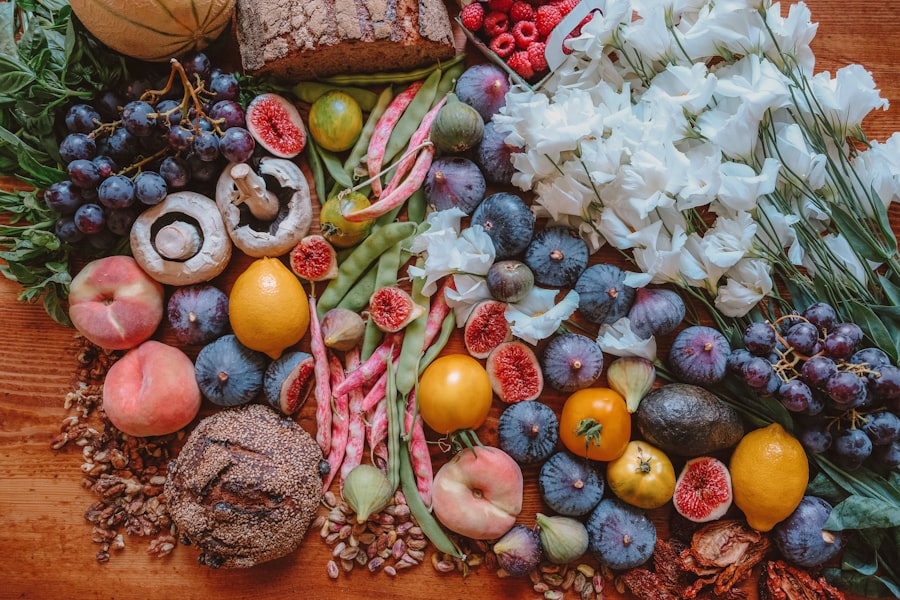
While the demand for organic food continues to grow, it’s essential to consider accessibility issues in low-income and underserved communities. You may be aware that many individuals in these areas face barriers when it comes to accessing fresh and healthy food options. The higher price point of organic products can make them less attainable for those on tight budgets.
However, there are initiatives aimed at bridging this gap and ensuring that everyone has access to nutritious food. Community-supported agriculture (CSA) programs and local farmers’ markets are becoming increasingly popular in underserved areas. These initiatives often provide affordable access to fresh produce while supporting local farmers.
You might find it encouraging that some organizations are working to subsidize the cost of organic food for low-income families, making it more accessible without compromising quality. As awareness grows about these disparities, there is hope for a future where everyone can enjoy the benefits of organic food.
Certification and Regulation of Organic Food
As you delve deeper into the world of organic food, understanding certification and regulation becomes crucial. The term “organic” is not just a marketing buzzword; it is regulated by strict standards set by government agencies. In many countries, including the United States, products must meet specific criteria to be labeled as organic.
You may find it reassuring to know that these regulations are designed to ensure that organic foods are produced without synthetic pesticides, fertilizers, or genetically modified organisms. The certification process can be rigorous and time-consuming for farmers and producers. You might be interested to learn that they must undergo regular inspections and maintain detailed records of their farming practices to retain their organic status.
This commitment to transparency helps build trust between consumers and producers, allowing you to make informed choices about the food you consume. As awareness of these regulations grows, consumers like yourself can feel more confident in choosing certified organic products.
Challenges and Barriers to Commercial Availability
Despite the growing popularity of organic food, there are still challenges and barriers that affect its commercial availability. You may have noticed that some regions still lack access to a wide variety of organic products due to limited distribution networks or high transportation costs. These logistical challenges can hinder the ability of consumers like yourself to find fresh organic options in your local grocery stores.
Additionally, the cost of production for organic farming can be higher than conventional methods due to factors such as labor-intensive practices and lower yields during the transition period. You might find it concerning that these costs can lead to higher prices for consumers, making it difficult for some individuals to afford organic options regularly. Addressing these challenges will require collaboration between farmers, retailers, and policymakers to create a more equitable system that supports both producers and consumers.
Benefits of Choosing Organic Food
Choosing organic food comes with numerous benefits that extend beyond personal health. You may appreciate knowing that organic farming practices prioritize soil health and biodiversity, contributing positively to the environment. By opting for organic products, you support sustainable agriculture methods that reduce pollution and promote ecological balance.
Moreover, many consumers believe that organic foods taste better than their conventional counterparts. You might have experienced this firsthand when biting into a ripe organic tomato or savoring a freshly picked apple from a local farm. The emphasis on natural growing methods often results in produce that is more flavorful and nutrient-dense.
As you continue your journey towards healthier eating habits, choosing organic foods can enhance both your well-being and your culinary experiences.
Consumer Education and Awareness
As a consumer navigating the world of organic food, education plays a vital role in making informed choices. You may find it beneficial to stay updated on current research regarding the health benefits of organic foods as well as understanding labeling practices. Knowledge empowers you to discern between genuinely organic products and those that may use misleading marketing tactics.
Many organizations and resources are dedicated to educating consumers about the importance of choosing organic foods. You might consider attending workshops or community events focused on sustainable agriculture or visiting local farms to gain firsthand knowledge about where your food comes from. By actively seeking information and engaging with your community, you can become an advocate for healthier eating practices while inspiring others around you.
The Future of Organic Food: Trends and Innovations
Looking ahead, the future of organic food appears promising as trends and innovations continue to shape the industry. You may be excited about advancements in technology that enhance sustainable farming practices or improve supply chain efficiency. Innovations such as vertical farming or hydroponics could revolutionize how we grow and distribute organic produce, making it more accessible than ever before.
Additionally, as consumer preferences evolve, you might notice an increase in plant-based organic options catering to diverse dietary needs. The rise of alternative proteins and innovative plant-based products reflects a growing awareness of health and environmental concerns among consumers like yourself. As these trends continue to develop, you can expect an even broader range of delicious and nutritious organic foods available at your fingertips.
In conclusion, your interest in organic food reflects a larger societal shift towards healthier living and sustainable practices. As demand grows, so does production capacity and availability across various platforms—from grocery stores to restaurants and online retailers. While challenges remain regarding accessibility and regulation, ongoing education and innovation promise a bright future for organic food enthusiasts like yourself.
The increasing demand for organic food has led to a significant rise in its commercial availability, making it easier for consumers to access healthier options. For more insights on this topic, you can read the article on organic food trends and market growth at