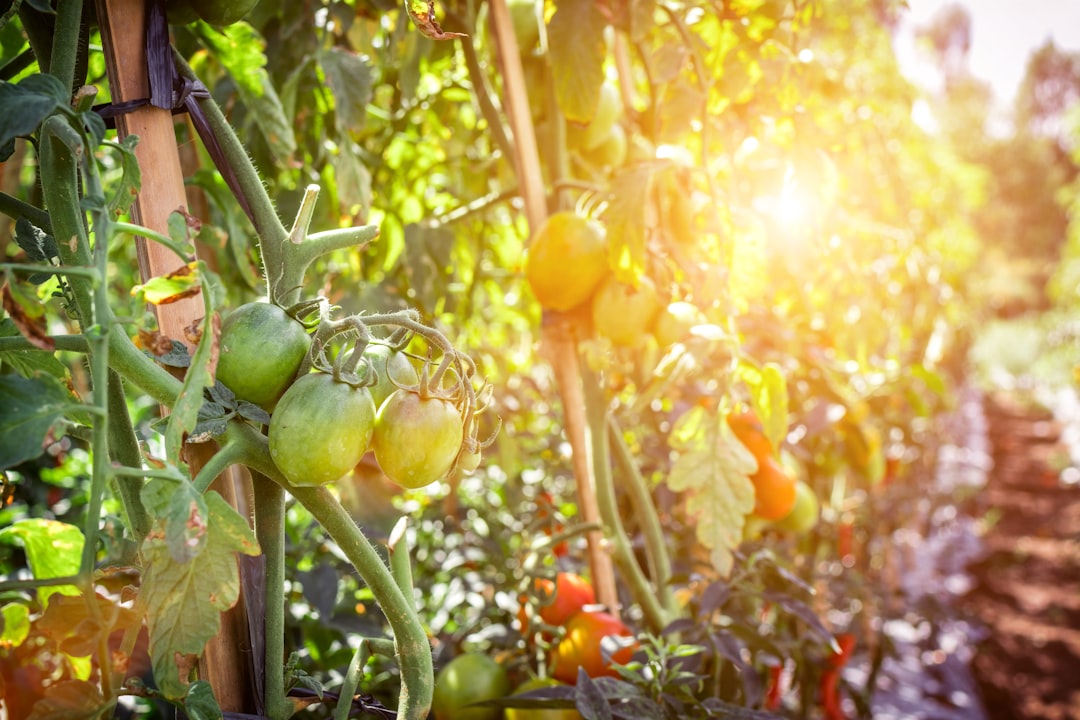
In recent years, there has been a significant shift in dietary preferences, with organic food becoming increasingly mainstream. This trend stems from heightened awareness about health and environmental concerns. Consumers encountering organic produce in grocery stores are presented with products marketed as natural alternatives to conventionally grown food.
The organic movement has expanded as more people select products aligned with sustainability and health values. Organic food represents more than a marketing category; for many consumers, it constitutes a lifestyle choice. The trend encompasses both consumption preferences and production methods.
Consumer demand for transparency has fueled the market for products certified as free from synthetic pesticides, fertilizers, and genetically modified organisms (GMOs). The rise of organic food appears to reflect a substantial change in consumer behavior, motivated by concerns for personal health and environmental sustainability.
Key Takeaways
- Organic food has gained popularity due to its health and environmental benefits.
- The organic food industry is rapidly expanding, supported by strict certification processes.
- The sunset process is a regulatory mechanism that phases out outdated organic standards.
- Government regulation plays a crucial role in managing the sunset process to protect farmers and consumers.
- Sustainable agriculture and ongoing consumer awareness are vital for the future of organic food and its regulatory practices.
The Benefits of Organic Food
When you choose organic food, you are not just making a dietary choice; you are also investing in your health and well-being. One of the primary benefits of organic food is its potential to reduce exposure to harmful chemicals. Conventional farming practices often involve the use of synthetic pesticides and fertilizers, which can leave residues on the food you consume.
By opting for organic products, you can minimize your exposure to these substances, leading to a healthier lifestyle. Moreover, organic food is often fresher and more flavorful than its conventional counterparts. You may have noticed that organic fruits and vegetables tend to have a richer taste and vibrant colors.
This is largely due to the farming practices employed in organic agriculture, which prioritize soil health and biodiversity. When you savor an organic apple or tomato, you are likely experiencing the result of careful cultivation methods that enhance flavor and nutritional content. Additionally, many studies suggest that organic produce may contain higher levels of certain nutrients, making it a more beneficial choice for your overall health.
The Growth of the Organic Food Industry

As you delve deeper into the world of organic food, you’ll find that the industry has experienced remarkable growth over the past few decades. The demand for organic products has surged, leading to an expansion of farms dedicated to organic practices. You may have noticed more organic options available in your local grocery store or farmers’ market, reflecting this growing trend.
This expansion is not just limited to fruits and vegetables; it encompasses a wide range of products, including dairy, meat, grains, and even processed foods. The growth of the organic food industry has also spurred innovation and investment in sustainable farming practices. As more consumers prioritize organic options, farmers are adapting their methods to meet this demand.
You might find that local farms are increasingly adopting organic certifications and practices to attract health-conscious consumers. This shift not only benefits consumers but also contributes to the overall sustainability of agriculture by promoting environmentally friendly practices that protect soil health and biodiversity.
The Certification Process for Organic Food
Understanding the certification process for organic food is essential for anyone interested in making informed choices about their diet. When you see an item labeled as “organic,” it signifies that it has undergone a rigorous certification process to ensure compliance with specific standards. In many countries, including the United States, the certification is overseen by government agencies or accredited organizations that verify adherence to organic farming practices.
The certification process typically involves several steps, including an application, inspection, and ongoing compliance checks. As a consumer, you can take comfort in knowing that certified organic products have been scrutinized for their production methods. This process ensures that farmers adhere to strict guidelines regarding soil management, pest control, and the use of synthetic substances.
By choosing certified organic products, you are supporting a system that prioritizes transparency and accountability in food production.
The Sunset Process for Organic Food
| Stage | Description | Duration | Key Metrics | Environmental Impact |
|---|---|---|---|---|
| Harvesting | Collecting mature organic produce from farms | 1-3 days | Yield per acre, moisture content | Low pesticide residue, minimal soil disruption |
| Sorting & Grading | Separating produce based on quality and size | 1 day | Percentage of grade A produce, waste generated | Waste composted or reused |
| Cleaning & Washing | Removing dirt and contaminants using water and organic-approved agents | 0.5-1 day | Water usage (liters/kg), contamination levels | Water recycled, biodegradable cleaning agents used |
| Drying & Preservation | Reducing moisture to extend shelf life naturally | 1-2 days | Moisture content post-drying, shelf life extension (days) | Energy consumption minimized, no chemical preservatives |
| Packaging | Using eco-friendly materials to package organic food | 0.5 day | Packaging waste (kg), biodegradable material percentage | Reduced plastic use, recyclable packaging |
| Storage | Maintaining optimal conditions to prevent spoilage | Up to 7 days | Temperature & humidity control, spoilage rate (%) | Energy-efficient refrigeration, minimal chemical use |
| Distribution | Transporting organic food to retailers or consumers | 1-3 days | Carbon footprint (kg CO2), delivery time | Use of low-emission vehicles, optimized routes |
The Sunset Process is a critical aspect of maintaining the integrity of organic food standards. This process involves the periodic review of substances allowed in organic farming to ensure they align with the principles of organic agriculture. As you explore this topic further, you’ll discover that the Sunset Process is designed to evaluate whether certain synthetic substances should continue to be permitted in organic farming practices.
During this review process, stakeholders—including farmers, consumers, and industry experts—are invited to provide input on the use of specific substances. You may find it interesting that this collaborative approach aims to balance the needs of farmers with consumer expectations for purity and sustainability. The Sunset Process ensures that only those substances deemed essential for organic farming remain approved, thereby reinforcing the commitment to maintaining high standards within the industry.
The Importance of the Sunset Process

The importance of the Sunset Process cannot be overstated when it comes to preserving the integrity of organic food. As a consumer who values transparency and quality in your food choices, understanding this process helps you appreciate the efforts made to uphold organic standards. The Sunset Process serves as a safeguard against potential abuses within the industry by regularly reassessing which substances are permissible in organic farming.
Moreover, this process fosters innovation within the agricultural sector. As certain substances are reviewed and potentially removed from the list of approved inputs, farmers are encouraged to seek alternative methods for pest control and soil management. You may find that this drive for innovation leads to the development of new techniques and practices that further enhance the sustainability of organic agriculture.
By supporting the Sunset Process, you are advocating for a system that prioritizes both consumer health and environmental stewardship.
The Role of Government Regulation in the Sunset Process
Government regulation plays a pivotal role in overseeing the Sunset Process for organic food. Regulatory bodies are responsible for establishing guidelines and criteria for evaluating substances used in organic farming.
You might be surprised to learn that these regulations are often shaped by input from various stakeholders, including farmers, scientists, and consumer advocacy groups. This collaborative approach helps create a balanced system that considers both agricultural needs and consumer expectations. By participating in public comment periods or engaging with advocacy organizations, you can contribute your voice to discussions surrounding government regulation in the Sunset Process.
The Impact of the Sunset Process on Farmers
For farmers engaged in organic agriculture, the Sunset Process can have significant implications for their practices and livelihoods. As substances are reviewed and potentially removed from approved lists, farmers must adapt their methods accordingly.
However, navigating these changes can also present challenges for farmers who rely on specific inputs for their operations. You might empathize with their concerns about maintaining productivity while adhering to evolving regulations. The Sunset Process underscores the importance of ongoing education and support for farmers as they transition to alternative practices that align with organic standards.
Consumer Awareness and the Sunset Process
As a consumer who values informed choices, your awareness of the Sunset Process can empower you to make decisions that align with your values regarding food quality and sustainability. Understanding how substances are evaluated and approved for use in organic farming allows you to engage more meaningfully with the products you purchase. You may find yourself seeking out brands that prioritize transparency and adhere strictly to organic standards.
Moreover, your awareness can extend beyond personal choices; it can influence broader conversations about agricultural practices and food policy. By advocating for transparency in the Sunset Process and supporting organizations that promote sustainable agriculture, you contribute to a collective effort toward improving food systems. Your voice matters in shaping policies that impact not only your health but also the health of future generations.
The Future of Organic Food and the Sunset Process
Looking ahead, the future of organic food appears promising yet complex as it navigates evolving consumer preferences and regulatory landscapes. You may anticipate continued growth in demand for organic products as more individuals recognize the benefits associated with sustainable agriculture. However, this growth will likely come with challenges related to maintaining rigorous standards through processes like the Sunset Process.
As new technologies emerge and agricultural practices evolve, there will be ongoing discussions about what constitutes “organic.” You might find it intriguing how these conversations will shape future regulations and certifications within the industry. By staying informed about developments in both consumer trends and regulatory frameworks, you can play an active role in supporting a future where organic food remains synonymous with quality and sustainability.
The Importance of Sustainable Agriculture and the Sunset Process
In conclusion, your journey through the world of organic food reveals not only its rise in popularity but also its profound implications for health, sustainability, and agricultural practices. The Sunset Process stands as a crucial mechanism for ensuring that organic standards remain robust and relevant in an ever-changing landscape. By understanding this process and its significance, you empower yourself as a consumer who values quality and integrity in your food choices.
As you continue to navigate your dietary preferences, remember that your choices have far-reaching effects on both your health and the environment. Supporting sustainable agriculture through informed decisions contributes to a healthier planet for future generations. Embracing the principles behind organic food—transparency, sustainability, and community—can lead you toward a more fulfilling relationship with what you eat while advocating for practices that benefit both consumers and farmers alike.
The sunset process of organic food refers to the gradual decline in the availability and popularity of certain organic products as consumer preferences shift and market dynamics change. For a deeper understanding of the factors influencing these trends, you can explore a related article on this topic at Hey Did You Know This. This resource provides insights into the evolving landscape of organic food and its implications for both consumers and producers.
FAQs
What is the organic food sunset process?
The organic food sunset process refers to the planned phase-out or discontinuation of certain organic food products or certifications. This process ensures that outdated or non-compliant organic standards are gradually removed, allowing for updated regulations and practices to take effect.
Why is the sunset process important in organic food production?
The sunset process is important because it helps maintain the integrity and credibility of organic food standards. By phasing out products or certifications that no longer meet current organic criteria, the process supports continuous improvement and consumer trust in organic labeling.
Who oversees the organic food sunset process?
The sunset process is typically overseen by regulatory bodies or certification organizations responsible for organic standards, such as the USDA in the United States or equivalent agencies in other countries. These organizations set timelines and guidelines for the phase-out of certain organic products or certifications.
How does the sunset process affect farmers and producers?
Farmers and producers may need to adjust their practices or transition to new certification standards during the sunset process. This can involve updating farming methods, documentation, or product formulations to comply with current organic regulations.
Are consumers impacted by the organic food sunset process?
Consumers may notice changes in product availability or labeling as certain organic products are phased out. However, the process ultimately benefits consumers by ensuring that organic foods meet rigorous and up-to-date standards.
How long does the organic food sunset process typically take?
The duration of the sunset process varies depending on the specific regulations and products involved. It can range from several months to a few years to allow sufficient time for producers to comply with new standards and for regulatory bodies to implement changes.
Can products lose their organic certification during the sunset process?
Yes, products that do not meet updated organic standards or fail to comply within the sunset timeline may lose their organic certification. This ensures that only products adhering to current organic requirements carry the organic label.
Is the sunset process unique to organic food, or does it apply to other industries?
While the term “sunset process” is commonly used in regulatory contexts across various industries, its application in organic food specifically relates to phasing out outdated organic standards or certifications. Similar processes exist in other sectors to manage regulatory updates and product lifecycle.