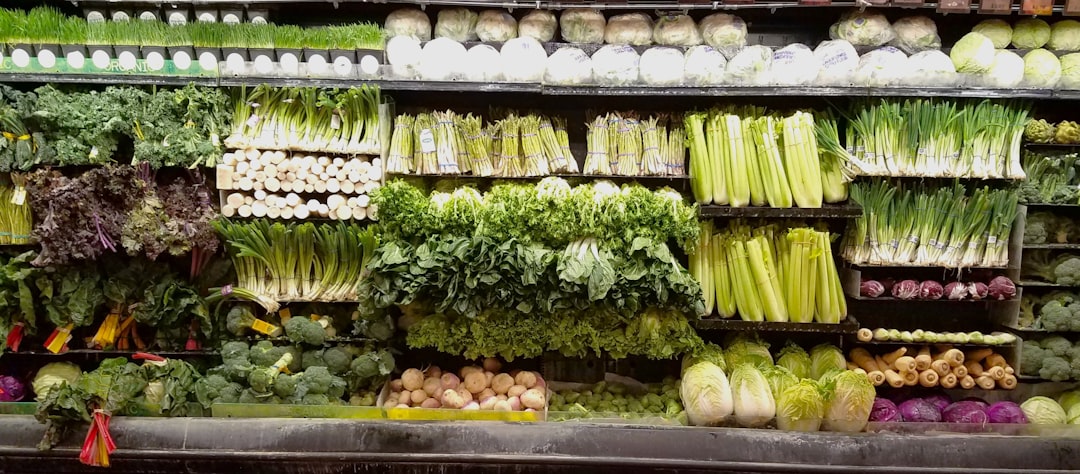
The organic food industry has experienced remarkable growth over the past few decades, transforming from a niche market into a significant segment of the global food economy. Grocery stores now offer an increasing variety of organic products, ranging from fresh produce to packaged goods. This expansion has attracted large corporations and led to widespread consolidation within the industry.
The merging of companies and acquisition of smaller brands by larger entities have raised questions about the future of organic food, its accessibility, and its integrity. Understanding this consolidation process is essential for consumers seeking to make informed food choices. The organic food landscape reveals that consolidation is driven by multiple factors, including rising consumer demand for healthier options and increased interest in sustainable practices.
However, this growth presents challenges and implications for the industry. Maintaining organic standards while meeting the demands of an expanded market creates potential conflicts. Industry consolidation affects both product availability and the fundamental principles that define the organic movement.
Key Takeaways
- Consolidation in the organic food industry involves mergers and acquisitions that reshape market dynamics.
- Industry consolidation can lead to changes in organic food prices, potentially affecting affordability.
- Quality standards and product availability may be influenced by the dominance of larger consolidated companies.
- Small-scale organic producers face challenges in maintaining market presence amid industry consolidation.
- Consumer awareness and education are crucial for navigating changes in labeling, certification, and product diversity.
Understanding the Consolidation Process
To grasp the nuances of consolidation in the organic food industry, it is crucial to understand what this process entails. Consolidation typically involves mergers and acquisitions where larger companies absorb smaller ones, often with the goal of increasing market share and streamlining operations. As you consider this dynamic, think about how it impacts the diversity of brands and products available to you as a consumer.
When a few large corporations dominate the market, it can lead to a homogenization of offerings, potentially limiting your choices. Moreover, the consolidation process can also influence innovation within the industry. Larger companies may have more resources to invest in research and development, which can lead to new organic products entering the market.
However, this innovation may come at a cost. As you reflect on your shopping habits, consider whether the convenience and variety offered by these larger entities outweigh the potential loss of unique, small-scale producers who often prioritize quality and sustainability over profit margins.
Impact on Organic Food Prices
One of the most immediate effects of consolidation in the organic food industry is its impact on prices. As larger companies acquire smaller brands, they often implement economies of scale that can lead to lower production costs. This might seem beneficial for you as a consumer, as it could result in more affordable organic options on store shelves.
However, it is essential to recognize that price reductions do not always equate to better value or quality. While some consumers may rejoice at lower prices, others may find that these reductions come at a cost to product integrity. When profit margins become the primary focus, there is a risk that quality may be compromised in favor of cost-cutting measures.
As you weigh your options in the grocery store, consider how price influences your perception of value and whether it aligns with your commitment to supporting organic practices.
Quality and Standards in the Consolidated Industry
As you explore the world of organic food, quality and standards are paramount concerns. The consolidation of companies can lead to variations in how organic standards are upheld across different brands. Larger corporations may prioritize efficiency over quality control, which can result in inconsistencies in product offerings.
This inconsistency can be particularly concerning for consumers who have come to trust certain brands for their commitment to organic principles. Furthermore, as larger entities enter the market, they may lobby for changes in regulations that could dilute organic standards. This potential shift raises questions about what it truly means for a product to be labeled as “organic.” As you navigate your choices, it is essential to remain vigilant about understanding what certifications mean and how they are enforced.
Your awareness can help ensure that you are supporting products that genuinely adhere to high-quality organic standards.
Availability and Access to Organic Products
| Metric | Value | Unit | Year | Notes |
|---|---|---|---|---|
| Number of Organic Food Companies | 120 | Companies | 2023 | Before consolidation wave |
| Number of Organic Food Companies | 85 | Companies | 2024 | After consolidation wave |
| Market Share of Top 5 Organic Food Companies | 65 | Percent | 2024 | Increased due to consolidation |
| Average Revenue per Organic Food Company | 45 | Million | 2024 | Post consolidation |
| Organic Food Market Growth Rate | 12 | Percent | 2023-2024 | Annual growth rate |
| Number of Mergers & Acquisitions | 15 | Deals | 2023-2024 | In organic food sector |
| Consumer Preference for Organic Consolidated Brands | 70 | Percent | 2024 | Survey data |
The consolidation of the organic food industry has also influenced the availability and access to organic products in various regions. While larger companies may increase distribution networks, making organic products more accessible in mainstream grocery stores, this can come at a cost to local producers. As you consider your shopping habits, think about how often you encounter local organic farms or smaller brands in your area compared to larger corporations.
In some cases, consolidation can lead to a reduction in diversity among available products. When a few large companies dominate the market, they may prioritize certain types of organic products that align with their business models while neglecting niche offerings that smaller producers might provide. This shift can limit your options as a consumer and impact your ability to support local agriculture and sustainable practices.
Influence on Small-Scale Organic Producers

The rise of consolidation in the organic food industry poses significant challenges for small-scale organic producers. As larger corporations acquire smaller brands or dominate market share, these local farmers often struggle to compete on price and distribution capabilities. You may find yourself wondering how this affects not only the availability of diverse products but also the livelihoods of those who prioritize sustainable farming practices.
Small-scale producers often embody the values that many consumers associate with organic food—transparency, community engagement, and environmental stewardship. However, as consolidation continues, these values may be overshadowed by corporate interests focused on profit maximization. As you make purchasing decisions, consider supporting local farmers’ markets or community-supported agriculture (CSA) programs that prioritize small-scale production and sustainable practices.
Environmental and Sustainability Considerations
The environmental implications of consolidation in the organic food industry are complex and multifaceted. On one hand, larger companies may have more resources to invest in sustainable practices and technologies that can benefit the environment. On the other hand, their focus on efficiency and profit can lead to practices that undermine the very principles of organic farming.
As you reflect on your role as a consumer, consider how your choices impact environmental sustainability. Supporting local producers who prioritize regenerative agriculture can contribute positively to soil health and biodiversity. Conversely, purchasing from large corporations that may not adhere strictly to organic principles could inadvertently support practices that harm ecosystems.
Your awareness of these dynamics can empower you to make choices that align with your values regarding sustainability.
Consumer Choice and Diversity in the Market
Consumer choice is a fundamental aspect of any market, including the organic food industry. However, as consolidation occurs, there is a risk that diversity in product offerings diminishes. When a few large companies control significant portions of the market, they may prioritize certain types of products over others based on profitability rather than consumer demand or nutritional value.
As you navigate grocery aisles filled with familiar brands, take a moment to consider whether your choices reflect a diverse range of options or if they lean heavily toward mainstream offerings. Supporting smaller brands or local producers can help maintain diversity in the market and ensure that unique products continue to thrive alongside larger corporate entities.
Potential Effects on Organic Food Labeling and Certification
The integrity of organic food labeling and certification is another critical area affected by industry consolidation. As larger corporations enter the market, there may be pressure to relax standards or create loopholes that allow for less stringent practices under the guise of “organic.” This potential dilution raises concerns about what consumers are truly purchasing when they choose organic products. As you shop for organic items, it is essential to educate yourself about certification processes and what they entail.
Understanding labels such as USDA Organic or other third-party certifications can help you make informed decisions about which products align with your values regarding quality and sustainability.
Consumer Awareness and Education
In an era marked by rapid changes in the organic food industry due to consolidation, consumer awareness and education are more important than ever. As you seek out information about where your food comes from and how it is produced, consider engaging with resources that provide insights into sustainable practices and ethical sourcing. Participating in workshops or community events focused on organic farming can deepen your understanding of these issues while connecting you with like-minded individuals who share your passion for healthy eating and environmental stewardship.
Your commitment to staying informed can empower you to advocate for transparency and quality within the industry.
The Future of the Organic Food Industry
Looking ahead, the future of the organic food industry remains uncertain amid ongoing consolidation trends. While larger companies may continue to dominate market share, there is also a growing movement among consumers who prioritize sustainability and ethical sourcing. As you consider your role in shaping this future, think about how your purchasing decisions can influence industry practices.
Supporting local farmers, advocating for stricter regulations on organic labeling, and remaining informed about industry trends are all ways you can contribute positively to the future landscape of organic food. By making conscious choices that align with your values, you play an integral role in shaping an industry that prioritizes health, sustainability, and community engagement. In conclusion, as you navigate through the complexities of the organic food industry consolidation, remember that your choices matter.
By staying informed and engaged with both local producers and larger brands committed to genuine organic practices, you can help foster an environment where quality and sustainability thrive alongside accessibility and affordability.
As larger corporations acquire smaller organic brands, questions arise about the authenticity and quality of organic products. For a deeper understanding of this phenomenon, you can read more in the article on organic food trends at this link.
FAQs
What is organic food consolidation?
Organic food consolidation refers to the process of gathering, combining, and distributing organic food products from multiple producers or suppliers to streamline supply chains and improve efficiency in the organic food market.
Why is organic food consolidation important?
Consolidation helps reduce costs, improve product availability, ensure consistent quality, and simplify logistics for retailers and consumers. It also supports smaller organic farmers by providing better market access.
How does organic food consolidation impact farmers?
Consolidation can benefit farmers by offering them access to larger markets and reducing individual marketing and distribution burdens. However, it may also lead to increased competition and pressure to meet volume and quality standards.
What are the challenges associated with organic food consolidation?
Challenges include maintaining organic certification standards during handling and transportation, ensuring traceability, managing diverse product quality, and balancing the interests of small producers with larger buyers.
Does organic food consolidation affect product prices?
Consolidation can lead to cost savings through economies of scale, which may lower prices for consumers. However, prices are also influenced by factors such as production costs, demand, and certification expenses.
How does consolidation influence organic food quality?
Proper consolidation practices aim to maintain or improve quality by standardizing handling and storage. However, improper consolidation can risk contamination or degradation of organic products.
Are there specific regulations governing organic food consolidation?
Yes, organic food consolidation must comply with organic certification standards set by regulatory bodies, which include rules on handling, storage, and transportation to preserve organic integrity.
Can consumers trace the origin of consolidated organic food products?
Traceability is a key requirement in organic food supply chains. Effective consolidation systems maintain records that allow consumers and retailers to trace products back to their original producers.
What role do technology and logistics play in organic food consolidation?
Technology and advanced logistics systems facilitate efficient consolidation by improving inventory management, tracking, quality control, and timely distribution of organic products.
Is organic food consolidation a global trend?
Yes, as demand for organic products grows worldwide, consolidation is becoming more common to meet market needs, improve supply chain efficiency, and support sustainable agriculture practices.