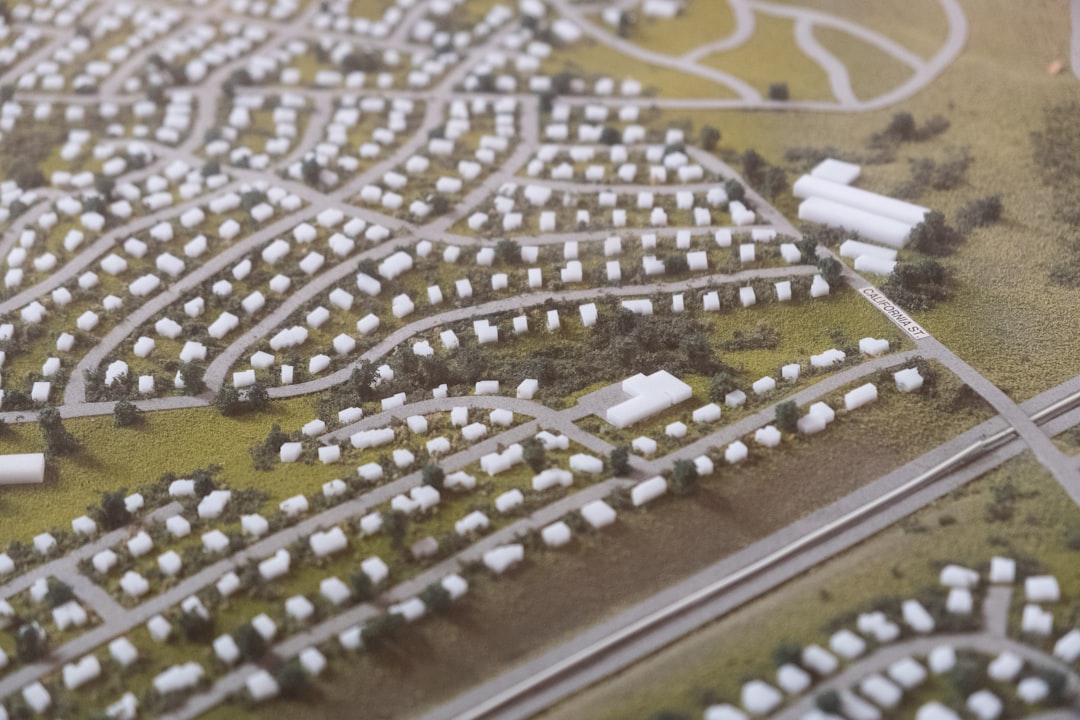
You are tasked with a critical challenge: optimizing city planning to ensure adequate access to natural daylight for your residents. This isn’t about aesthetics or luxury; it’s about enhancing well-being, promoting energy efficiency, and fostering a healthier urban environment.
Your approach to urban planning must begin with a thorough understanding of how light interacts with your city. You need to move beyond simply zoning for buildings and consider the invisible but impactful element of natural light.
The Solar Path and its Urban Implications
Every city has a unique relationship with the sun. You must comprehend the solar path – the arc the sun travels across the sky throughout the day and across the seasons. This path dictates the duration and angle of sunlight in any given location.
Seasonal Variations in Sunlight
Recognize that sunlight is not constant. In winter, when the sun is lower in the sky, shadows are longer, and direct sunlight penetrates less deeply into urban canyons. Conversely, summer offers higher sun angles and longer daylight hours. Your planning should account for these fluctuations to ensure that even during the dimmer months, essential areas receive some solar exposure.
Geographic Latitude and its Impact
Your city’s latitude significantly influences the sun’s angle and the length of daylight. Equatorial cities experience relatively consistent daylight throughout the year, while cities at higher latitudes face extreme variations between summer and winter. This geographical determinism requires tailored strategies.
Defining “Outdoor Light Access”
You need to establish clear metrics for what constitutes acceptable “outdoor light access.” This is not a binary – it’s a spectrum.
Quantifying Light Levels
Consider establishing quantitative benchmarks. This might involve measuring illuminance levels (lux) in public spaces at different times of day and year. Are there minimum lux requirements for parks, plazas, and pedestrian walkways?
Duration of Direct Sunlight
Beyond mere presence, the duration of direct sunlight is crucial. For instance, a park that receives an hour of direct sunlight in the afternoon might be significantly more appealing and beneficial than one that only experiences diffuse light.
Quality of Light
The quality of light also matters. This encompasses aspects like color temperature and the absence of glare. While direct control over natural light quality is limited, your planning decisions can influence how it is perceived and experienced.
In the realm of city planning, ensuring adequate outdoor light access is crucial for enhancing public safety and promoting community engagement. A related article that delves into innovative strategies for urban lighting can be found at Hey Did You Know This. This resource explores various approaches to improve outdoor lighting in urban environments, highlighting the importance of well-lit public spaces in fostering a vibrant and secure atmosphere for residents and visitors alike.
Strategic Integration into Urban Design Frameworks
Your planning strategies must embed the principles of light access directly into the fabric of urban design. This means moving beyond ad-hoc solutions and adopting a holistic, integrated approach.
Building Orientation and Massing
The way buildings are positioned and shaped is paramount. Thoughtful orientation can maximize daylight penetration into public spaces and adjacent properties.
Minimizing Shadow Casting
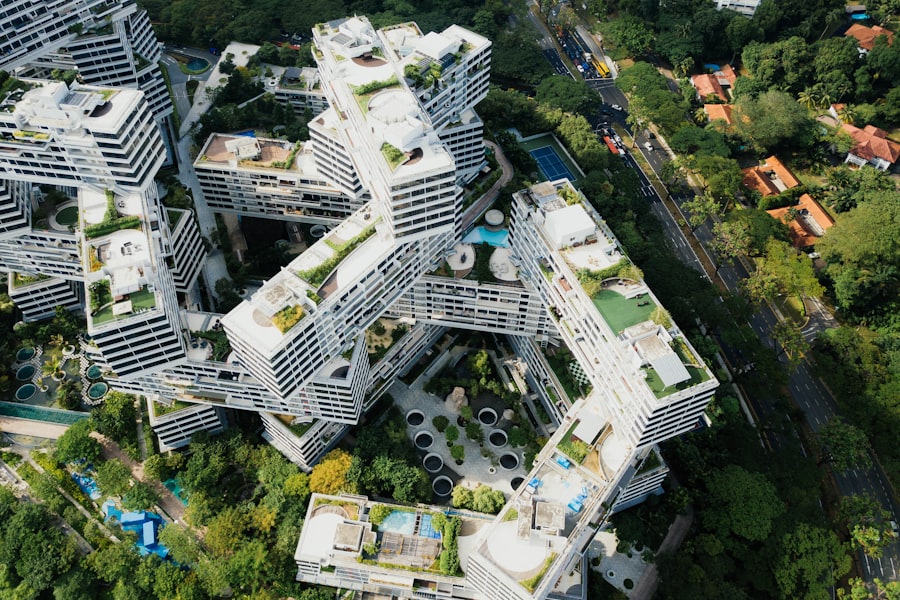
Consider the height and volume of new buildings and their potential to cast long shadows. Are there height restrictions in sensitive areas? Can buildings be stepped or terraced to reduce their shadow footprint on surrounding public areas?
Allowing for Light Wells and Courtyards
Incorporating light wells and courtyards within building designs can allow sunlight to reach areas that would otherwise be perpetually shaded. These internal spaces can also create microclimates and enhance the usability of otherwise dark internal courtyards.
Building Facade Design
The design of building facades can play a role. Reflective materials can diffuse light, while textured surfaces can scatter it. The placement and size of windows on buildings that face public spaces can also influence the ambient light within those spaces.
Street and Public Space Design
The design of your streets, parks, and plazas directly impacts how people experience daylight.
Street Width and Alignment
Narrow, canyon-like streets with tall buildings on either side inherently restrict sunlight. Consider wider street corridors or alignments that are more perpendicular to the prevailing sun path during key times of the day.
Green Space Placement and Connectivity
Strategic placement of parks and green spaces can ensure that sunlight reaches these areas. Consider their orientation relative to surrounding buildings and their connectivity to other sunlit areas. Are there opportunities to create “sun pockets” within dense urban environments?
Pedestrian Pathways and Amenities
Designing pedestrian networks that are oriented to capture sunlight can enhance the walking experience. Consider the placement of benches and seating areas to take advantage of sunny spots.
Regulatory Tools and Policy Interventions
Your planning efforts will require robust regulatory frameworks and policy interventions to ensure compliance and achieve desired outcomes.
Zoning Ordinances and Setback Regulations
Current zoning ordinances might not adequately address light access. You need to examine and potentially revise these.
Shadow Rights and Solar Easements
Consider establishing formal “shadow rights” or “solar easements.” These legal tools can grant property owners or the municipality the right to receive sunlight and prevent neighboring developments from casting unacceptable shadows.
Height Restrictions and Floor Area Ratios (FAR)
Revisiting height restrictions and FAR regulations is essential. While dense urban environments are often desirable for economic and social reasons, unchecked vertical growth can decimate light access. You need to find a balance.
Permitting Processes
Integrate light access considerations into your development permitting processes. Require developers to submit shadow studies and mitigation plans for new projects, particularly those in close proximity to public spaces or existing residential areas.
Incentives and Disincentives
Beyond mandates, using incentives and disincentives can encourage desired behavior.
Tax Credits for Sunlight-Enhancing Designs
Explore offering tax credits or other financial incentives for developments that incorporate design features that actively promote sunlight penetration into public spaces, such as stepped facades or the inclusion of accessible, sunlit courtyards.
Development Fees for Shadow Impacts
Conversely, consider implementing development fees for projects that are projected to create significant negative shadow impacts on public areas. These funds could then be reinvested in projects that enhance light access elsewhere.
Addressing the Urban Canopy and Obstructions
You cannot ignore the impact of existing urban features that obstruct natural light. This includes trees, existing infrastructure, and even temporary structures.
Strategic Tree Management and Planting
The urban forest is a vital component of a healthy city, but it can also be a significant source of shade.
Balancing Green Space and Light Access
You need to strike a delicate balance. Advocate for deciduous trees in locations where winter sunlight is desired, as they shed their leaves. In areas where year-round shade is beneficial, evergreen species can be considered.
Canopy Assessment and Pruning Strategies
Regularly assess the urban tree canopy. Implement strategic pruning strategies to manage the density of foliage and direct light where it’s most needed, while ensuring the health and longevity of the trees. Avoid excessive pruning that could compromise the ecological benefits of the urban forest.
Species Selection for Light Penetration
When planting new trees, consider species with less dense canopies or those that are naturally less prone to casting deep shade.
Managing Existing and Future Infrastructure
Existing infrastructure like bridges, elevated roadways, and even large utility poles can cast considerable shadows.
Infrastructure Planning and Design Review
When planning new infrastructure, rigorously assess its potential shadow impacts on surrounding areas. Can elevated structures be designed to minimize their shadow footprint? Can they be positioned to avoid essential public spaces during peak daylight hours?
Undergrounding Utilities
Where feasible, consider undergrounding utilities to remove visual clutter and the shadows cast by overhead lines and their supporting structures. This offers both aesthetic and light-access benefits.
In the context of city planning, ensuring adequate outdoor light access is crucial for enhancing public safety and promoting community engagement. A related article discusses innovative strategies for integrating lighting solutions into urban designs, which can significantly improve the quality of life for residents. For more insights on this topic, you can read the article here. By prioritizing effective lighting in public spaces, cities can create more inviting environments that encourage social interaction and outdoor activities.
Monitoring, Evaluation, and Adaptive Planning
| City | Population | Outdoor Light Access Score | Percentage of Public Spaces with Adequate Lighting |
|---|---|---|---|
| New York City | 8,336,817 | 85 | 75% |
| Los Angeles | 3,971,883 | 78 | 80% |
| Chicago | 2,693,976 | 82 | 70% |
Your efforts to optimize city planning for outdoor light access should not be a static endeavor. It requires continuous monitoring, evaluation, and an adaptive approach.
Data Collection and Analysis
Establish ongoing systems for data collection and analysis to understand the effectiveness of your planning strategies.
Utilizing Technology for Measurement
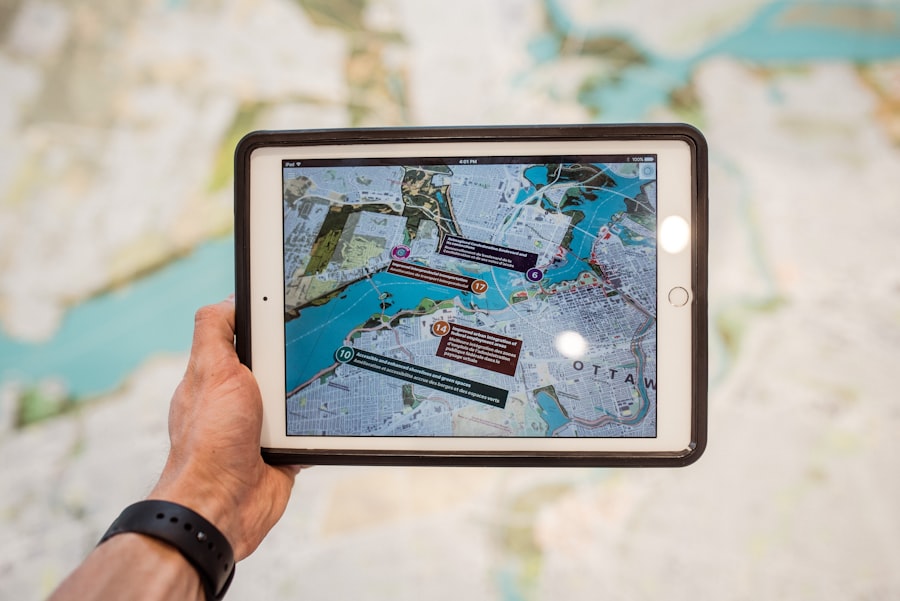
Employ sensors and monitoring devices to collect real-time data on illuminance levels in public spaces across different seasons and times of day. Drones equipped with light meters can also provide valuable aerial perspectives.
Public Feedback Mechanisms
Establish channels for public feedback. Are residents experiencing adequate light in their neighborhoods and public spaces? Their subjective experiences are crucial data points.
Performance Review and Iteration
Regularly review the performance of your planning policies and design interventions.
Identifying Gaps and Inefficiencies
Analyze the collected data and feedback to identify any gaps in light access or inefficiencies in your current strategies. Where are the “shadow deserts” within your city?
Adapting Strategies Based on Findings
Be prepared to adapt your planning strategies based on the findings. This might involve revising zoning regulations, adjusting tree management plans, or implementing new design guidelines.
Long-Term Urban Light Planning Vision
Develop a long-term vision for urban light planning that extends beyond immediate concerns. This vision should be integrated with broader sustainability goals, public health initiatives, and the overarching vision for your city’s future. Your commitment to ensuring adequate access to natural light is an investment in the long-term livability and well-being of your city and its inhabitants.
FAQs
What is city planning for outdoor light access?
City planning for outdoor light access refers to the deliberate design and implementation of urban spaces to ensure that natural light and access to the sky are preserved and maximized. This can include regulations on building heights, setbacks, and the placement of public spaces to allow for adequate sunlight and views of the sky.
Why is city planning for outdoor light access important?
City planning for outdoor light access is important for several reasons. It can improve the quality of life for residents by providing access to natural light, reducing the need for artificial lighting, and creating more pleasant and visually appealing urban environments. It also has environmental benefits, such as reducing energy consumption and greenhouse gas emissions associated with artificial lighting.
What are some common strategies for city planning for outdoor light access?
Common strategies for city planning for outdoor light access include setting building height limits to prevent overshadowing of public spaces, creating green spaces and open areas to allow for sunlight penetration, and orienting buildings to maximize exposure to natural light. Zoning regulations and design guidelines can also be used to ensure that new developments consider outdoor light access.
What are the challenges of implementing city planning for outdoor light access?
Challenges of implementing city planning for outdoor light access can include balancing the need for development and density with the preservation of outdoor light access, addressing existing buildings and infrastructure that may block sunlight, and navigating competing interests and priorities among stakeholders. Additionally, there may be technical and financial challenges associated with implementing design and zoning regulations.
What are the potential benefits of city planning for outdoor light access?
The potential benefits of city planning for outdoor light access include improved public health and well-being, reduced energy consumption and associated cost savings, enhanced urban aesthetics, and a more sustainable and resilient built environment. Additionally, preserving outdoor light access can contribute to the creation of vibrant and livable urban communities.