You might not realize it, but the oil industry has a profound and often unseen influence on the very fabric of your city, far beyond the gas stations you pass daily. Its impact stretches into the fundamental rules that govern how your community develops: its zoning laws. These are the invisible fences and blueprints that dictate where businesses can operate, where residential neighborhoods can thrive, and what kinds of structures can be built. For decades, the oil and gas sector, with its unique industrial needs and economic clout, has actively shaped these regulations, leading to a complex interplay of land use, public health, and economic development.
The oil industry’s operational footprint is distinct and demanding. From sprawling drilling sites and processing facilities to pipelines crisscrossing vast distances, the physical requirements of oil extraction and distribution often clash with traditional urban planning. This has led to significant shifts in how land is allocated and regulated within city limits and their surrounding areas.
Negotiating the Proximity Paradox: Balancing Industry Needs with Community Well-being
One of the most significant impacts you’ll observe is the constant negotiation around the proximity of oil and gas infrastructure to residential areas, schools, and businesses. Zoning laws are the primary tool used to manage this delicate balance, or often, the lack thereof.
The Evolution of Buffer Zones and Setbacks
Historically, zoning ordinances might have allowed for closer proximity between industrial sites and residential zones. However, as understanding of potential environmental and health impacts has grown, there’s been a push to implement stricter buffer zones and setback requirements. You’ve likely seen these in action, with new developments needing to be a certain distance away from existing or proposed industrial facilities. The oil industry’s lobbying and influence have often played a role in defining the size of these buffers, and whether they are truly adequate to mitigate potential negative effects.
Industrial Zoning Districts: The Designated Havens for Heavy Industry
Cities, in their efforts to accommodate industries like oil and gas, have designated specific “industrial zoning districts.” These areas are intended to concentrate potentially disruptive activities away from residential areas. However, the expansion of urban sprawl can sometimes lead to these industrial zones encroaching on or being encroached upon by other land uses, creating friction that rezoning efforts aim to address.
Infrastructure Corridors and the Right-of-Way Debate
The movement of oil and gas is not confined to a single location; it requires extensive pipeline networks. Zoning laws play a crucial role in determining where these vital arteries can be laid.
Pipeline Routes and Easements: Navigating Public and Private Lands
The planning and approval of pipeline routes are heavily influenced by existing zoning and land use designations. Sections of land are designated as utility corridors or have specific regulations regarding the placement of underground and above-ground infrastructure. The oil industry’s need for efficient and direct routes often leads to complex negotiations with landowners and local governments, pushing for zoning amendments or variances to facilitate their projects. You might have seen debates around pipeline construction in your community, often stemming from the permitted land uses and the rights-of-way secured.
Impact on Property Values and Development Potential
The presence of major industrial infrastructure, such as large tank farms or processing plants, can significantly influence property values and development potential in adjacent areas. Zoning laws, while intended to protect property rights, can also inadvertently create economic disparities based on proximity to industrial operations.
The influence of the oil industry on modern city zoning laws is a complex issue that has garnered significant attention in recent years. A related article that delves into this topic can be found at Hey Did You Know This, where it explores how the interests of oil companies can shape urban planning and development decisions, often prioritizing industrial needs over community welfare. This relationship raises important questions about sustainability and the long-term impact of such zoning practices on urban environments.
Economic Power Play: How Oil Industry Lobbying Shapes Regulatory Frameworks
The oil industry is not just a passive participant in the zoning process; it actively engages in shaping the rules that govern its operations. Its substantial economic contributions often translate into significant political and regulatory influence.
The Art of Persuasion: Industry Influence on Zoning Boards and City Councils
You will find that industry representatives are frequently present at public hearings and engage directly with city officials. Their arguments, often framed around job creation, tax revenue, and energy security, can carry considerable weight when zoning decisions are being made.
Direct Lobbying and Political Contributions
Direct lobbying efforts, where industry representatives meet with elected officials and planning staff, are a common tactic. Furthermore, political contributions to local candidates and campaigns can create an environment where the industry’s concerns are given priority. This can lead to zoning ordinances that are more favorable to oil and gas operations, even if they raise public health or environmental concerns.
Engaging Legal and Planning Experts
The oil industry often employs legal teams and experienced urban planners to navigate the complexities of zoning codes and to advocate for their interests. These professionals are adept at identifying loopholes, proposing modifications, and presenting their case in a manner that aligns with municipal planning objectives, albeit often through an industry-specific lens.
Economic Impact Statements vs. Public Health Concerns: A Balancing Act
When proposed oil and gas developments are considered, there’s often a requirement for economic impact studies. However, the weight given to these studies versus potential public health and environmental impact assessments is a critical point of contention.
Prioritizing Economic Growth in Zoning Decisions
You will notice that in areas heavily reliant on the oil sector for its economy, zoning decisions might implicitly (or explicitly) prioritize projected economic benefits over potential negative externalities. This can manifest in decisions to approve developments that might otherwise face significant hurdles due to environmental or health considerations.
The Challenge of Quantifying Intangible Costs
Quantifying the intangible costs associated with pollution, increased truck traffic, or potential health impacts can be challenging. This difficulty allows the industry to present its economic benefits in a more concrete and easily digestible format, potentially overshadowing less quantifiable concerns.
Environmental Considerations and Zoning: The Ongoing Struggle for Protection
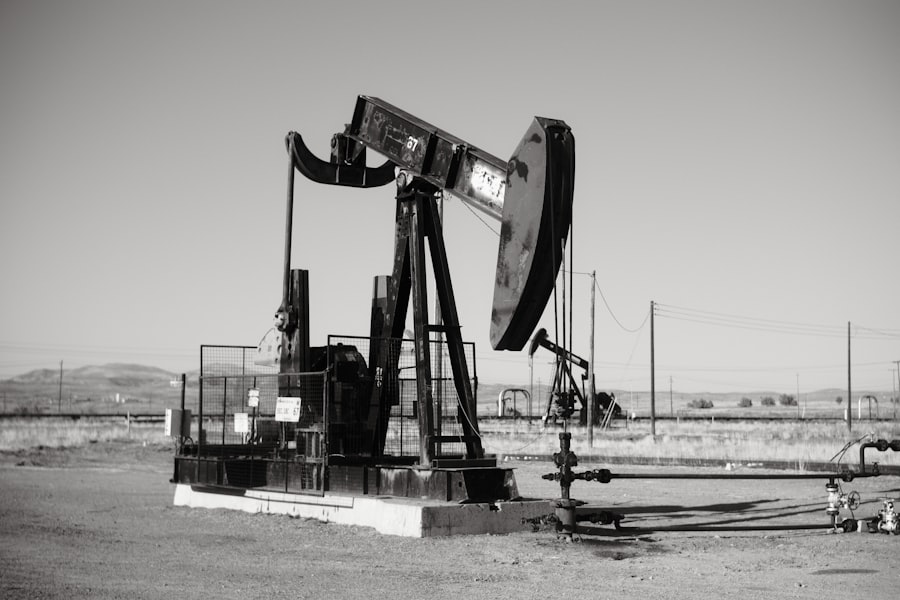
The environmental footprint of the oil industry is arguably its most controversial aspect. Zoning laws become a battleground for environmental protection, with communities striving to safeguard their natural resources and health.
Navigating Permitting and Environmental Reviews
You’ve likely encountered news or discussions surrounding the permitting process for oil and gas facilities. Zoning plays a critical role in determining which areas are even eligible for such permits.
Environmental Impact Assessments (EIAs) and Their Influence on Zoning
Environmental Impact Assessments are designed to identify and mitigate potential harm. The findings of an EIA can strongly influence zoning decisions, leading to proposed projects being denied, approved with stringent conditions, or requiring amendments to existing zoning regulations. The thoroughness and independence of these assessments, however, can vary significantly.
Conditional Use Permits and Special Exceptions: Loopholes or Safeguards?
Zoning codes often include provisions for “conditional use permits” or “special exceptions.” These allow for specific land uses that aren’t typically permitted in a zoning district, but only under certain conditions and with public review. The oil industry often utilizes these mechanisms to gain approvals for facilities in or near areas not traditionally zoned for such uses, leading to debates about whether these are genuinely safeguards or avenues for circumventing stricter zoning.
Water Resource Protection and Air Quality Standards in Zoning
The impact of oil and gas operations on water quality and air purity is a major concern for any community. Zoning laws are a primary tool for establishing protective measures.
Restrictions on Drilling Near Water Sources
You’ll often find zoning ordinances that restrict drilling activities near aquifers, rivers, and other vital water sources. The effectiveness of these restrictions, however, can depend on the specific regulations in place and the industry’s ability to secure variances.
Air Quality Zones and Emission Controls
Cities may establish special “air quality zones” or impose stricter emission controls on industrial facilities through zoning ordinances. The challenge lies in ensuring these regulations are robust enough to protect public health and are effectively enforced against powerful industrial entities.
Residential vs. Industrial: The Ever-Present Zoning Tension
The most direct impact of oil industry zoning on your daily life often relates to the proximity of its operations to where you live, work, and play. This creates an ongoing tension between the need for industry and the desire for a healthy and safe living environment.
The Fight for “Receiving Zones”: Where Industrial Neighbors Are Unwelcome
You’ve seen communities rally against oil and gas facilities being located near their homes. This is a direct reflection of zoning’s role in designating “receiving zones” – areas designated for certain noise, odor, or visual impacts.
Noise and Odor Buffers: Enforcing the Limits
Zoning ordinances often include specific regulations for noise and odor levels emanating from industrial facilities. Enforcement of these regulations, however, can be a significant challenge, and the permitted levels themselves are often a subject of negotiation.
Visual Impact and Aesthetic Considerations
While often lower on the priority list than environmental or health impacts, visual blight from industrial facilities can also be a factor in zoning debates. Some zoning codes may include provisions for visual screening or limits on the height and scale of industrial structures, though these are often less stringent for core industrial operations.
Light Industrial Zoning and its Slippery Slope
The designation of “light industrial” zones can sometimes be a precursor to more intensive industrial development. You might have observed how a zone initially intended for less disruptive businesses can gradually shift to accommodate larger, more impactful operations.
Blurring the Lines: From Light to Heavy Industry
As urban areas grow, the pressure to develop available land increases. In some cases, previously designated light industrial zones can become targets for rezoning to accommodate oil and gas-related activities, blurring the lines between residential and industrial areas.
The Cumulative Impact of Small Zonings
It’s not always a single, large facility that causes concern. The cumulative impact of multiple smaller oil and gas operations, each with its own zoning approval, can gradually transform a neighborhood. Zoning bodies often struggle to address these incremental changes and their collective impact on community character and well-being.
The influence of the oil industry on modern city zoning laws has been a topic of significant discussion, particularly in how it shapes urban development and land use. A related article explores the intricate relationship between energy companies and local governments, shedding light on the ways in which zoning regulations can be manipulated to favor industrial interests over community needs. This dynamic is crucial for understanding the broader implications for urban planning and environmental sustainability. For more insights, you can read the full article here.
Future Planning and Adapting to a Changing Energy Landscape
| City | Zoning Laws | Influence of Oil Industry |
|---|---|---|
| New York City | Restrictions on drilling near residential areas | Oil industry lobbying for relaxed regulations |
| Los Angeles | Zoning for oil refineries in industrial zones | Oil industry campaign contributions to local politicians |
| Houston | Zoning for oil and gas extraction in designated areas | Oil industry influence on city planning commission |
The oil industry’s future, and consequently its impact on zoning, is not static. As the world grapples with climate change and transitions towards alternative energy sources, zoning laws must adapt.
The Rise of Renewable Energy Zones and their Zoning Implications
You are beginning to see cities actively planning for renewable energy infrastructure. This shift has its own zoning implications, creating new opportunities and challenges.
Permitting Solar Farms and Wind Turbines
The placement of solar farms and wind turbines requires dedicated zoning considerations. Unlike traditional industrial sites, these often require large tracts of land and have specific visual and environmental considerations that need to be addressed through zoning.
Integrating Renewable Energy Production into Urban Fabric
Zoning can also facilitate the integration of renewable energy sources into the urban fabric, encouraging rooftop solar installations, renewable energy development on brownfields, and other innovative approaches that require supportive zoning frameworks.
The Need for Proactive and Adaptive Zoning Policies
The energy landscape is evolving rapidly. Relying on outdated zoning laws for an industry as influential as oil and gas is no longer tenable.
Anticipating and Planning for Energy Transitions
You should expect to see a greater emphasis on proactive and adaptive zoning policies. This means anticipating future energy needs and trends, rather than simply reacting to current demands. It involves creating zoning frameworks that can accommodate both existing industries and emerging ones, while prioritizing community well-being.
Community Engagement and Democratic Zoning Processes
Ultimately, the most effective zoning laws are those that are shaped through robust community engagement and democratic processes. Ensuring that all voices are heard, including those potentially negatively impacted by industrial zoning decisions, is crucial for creating equitable and sustainable urban environments for you and your fellow residents.
FAQs
What is the oil industry’s influence on modern city zoning laws?
The oil industry has significant influence on modern city zoning laws due to its economic power and lobbying efforts. This influence can impact land use, environmental regulations, and infrastructure development.
How does the oil industry impact land use through zoning laws?
The oil industry can influence land use through zoning laws by advocating for the designation of areas for oil exploration, drilling, and refining. This can lead to the expansion of industrial zones and the exclusion of residential or commercial development in certain areas.
What role does the oil industry play in shaping environmental regulations through zoning laws?
The oil industry often seeks to influence environmental regulations through zoning laws to minimize restrictions on its operations. This can include efforts to weaken air and water quality standards, as well as to limit the scope of environmental impact assessments for oil-related projects.
How does the oil industry influence infrastructure development through zoning laws?
The oil industry can influence infrastructure development through zoning laws by advocating for the construction of pipelines, refineries, and other facilities necessary for oil production and transportation. This can impact the allocation of resources and the prioritization of infrastructure projects in a city.
What are some potential consequences of the oil industry’s influence on modern city zoning laws?
The influence of the oil industry on modern city zoning laws can lead to increased environmental degradation, public health risks, and unequal distribution of resources. It can also limit the ability of local communities to shape their own development and land use decisions.