
You are a citizen in a world where the choices you make about what you eat have profound implications, not just for your own well-being, but for the health of your communities and the planet. Nutrition policy and food quality are not abstract academic concepts; they are the unseen architects of your dietary landscape, subtly guiding your decisions and ultimately shaping the future you and your descendants will inhabit.
Imagine nutrition policy as the blueprint for the food system that ultimately lands on your plate. It’s the set of guidelines, regulations, and strategies developed by governments and international organizations to promote healthy eating habits and ensure the availability of nutritious food. This isn’t about arbitrary rules; it’s about leveraging collective action to address complex issues like rising rates of chronic diseases, food insecurity, and the environmental impact of food production. You might not always see the direct line, but nutrition policy is actively influencing the types of foods that are affordable, accessible, and even what’s advertised to you. It’s the silent gardener tending to the fields from which your sustenance grows.
Decoding the Pillars of Policy
Nutrition policies are not monolithic. They function through interlocking mechanisms, each playing a specific role in directing the food system. Understanding these pillars provides you with the knowledge to critically assess the information and options presented to you.
The Regulatory Framework: Setting the Ground Rules
At its core, nutrition policy relies on regulations to establish a baseline for food safety and quality. This includes setting standards for ingredients, processing, labeling, and marketing. Think of these regulations as the fences that protect you from the most harmful agricultural or industrial practices. They aim to prevent the widespread dissemination of adulterated or misleading food products. For instance, regulations around fat, sugar, and salt content in processed foods, or the mandated presence of vital nutrients in fortified staple crops, are all products of this regulatory framework. These rules, though sometimes behind the scenes, safeguard your right to consume food that is reasonably safe and meets certain nutritional expectations.
Economic Incentives and Disincentives: Shifting the Market Balance
Governments often employ economic levers to encourage or discourage certain food choices. Subsidies, for example, can make healthier foods like fruits and vegetables more affordable, while taxes on unhealthy products, often termed “sugar taxes” or “fat taxes,” aim to reduce consumption by increasing their price. These are the nudges that try to steer the market towards healthier options. They are powerful tools because they directly impact your purchasing power and the relative cost of different food items. Understanding these economic interventions helps you decipher why certain foods are cheaper or more expensive than others, revealing the underlying policy choices at play.
Information and Education: Empowering Your Choices
A crucial aspect of nutrition policy is the dissemination of information. This includes clear and accurate food labeling, public health campaigns promoting healthy eating, and educational programs in schools and communities. This is where you, the consumer, are equipped with the knowledge to navigate the complex food environment. Think of it as providing you with a compass and map for your culinary journey. When you see nutritional information panels on packaged foods, or when public service announcements encourage you to eat your five-a-day, you are directly experiencing the outcomes of these educational initiatives.
The Global Arena: International Nutrition Policies
Nutrition challenges rarely respect national borders. Issues like global food trade, the spread of unhealthy processed foods, and the impact of climate change on food production require international cooperation. International policies, often championed by organizations like the World Health Organization (WHO) and the Food and Agriculture Organization of the UN (FAO), aim to set global standards and coordinate efforts. These are the international treaties that attempt to harmonize the food systems of different nations, ensuring that you, no matter where you are, can benefit from shared knowledge and common goals.
Setting Global Standards: A Common Language for Health
International bodies play a vital role in establishing guidelines for nutrition and food safety. These can include recommendations on dietary intake of macronutrients and micronutrients, guidelines for reducing salt and sugar intake, and frameworks for addressing childhood obesity. These global standards act as a common language for policymakers worldwide, providing evidence-based recommendations that can be adapted and implemented at the national level. They are the foundational stones upon which national policies are built, striving for a more consistent approach to public health through diet.
Addressing Food Security: Ensuring No One Goes Hungry
Food security, defined as the state of having reliable access to a sufficient quantity of affordable, nutritious food, is a primary concern for global nutrition policy. International initiatives aim to combat hunger and malnutrition through agricultural development, emergency food aid, and programs that support sustainable food systems. Your access to affordable and nutritious food is intrinsically linked to these global efforts to stabilize food supplies and address systemic inequalities in food distribution.
As discussions surrounding the future of nutrition policy and food quality continue to evolve, it’s essential to stay informed about the latest insights and research in the field. A related article that delves into these critical topics can be found at Hey Did You Know This. This resource offers valuable perspectives on how emerging trends and scientific advancements are shaping our understanding of nutrition and the quality of the food we consume, ultimately influencing public health policies and individual choices.
The Tangible Result: Defining Food Quality
While nutrition policy sets the stage, food quality is the actual performance that unfolds on your plate. It encompasses a range of attributes that consumers associate with what they are eating, going beyond just nutritional content. This includes aspects like taste, texture, appearance, freshness, safety, and ethical production. You judge food quality through your senses and your values. Is it appealing? Does it meet your expectations of a certain product? Was it produced in a way that aligns with your ethical considerations? Food quality is the tangible manifestation of the policies and practices that govern its creation.
The Multifaceted Nature of Quality
Food quality is not a simple, singular concept. It’s a mosaic pieced together from various components, each contributing to your overall perception and satisfaction.
Nutritional Value: The Cornerstone of Health
At the most fundamental level, food quality is intrinsically linked to its nutritional value. This refers to the presence and bioavailability of essential vitamins, minerals, protein, carbohydrates, and healthy fats, as well as the absence of harmful substances. You seek out foods that will nourish your body, and high nutritional quality is paramount in that pursuit. This is where nutrition policy directly intersects with food quality, aiming to ensure that the food readily available to you is not just palatable but also fundamentally good for you.
Sensory Attributes: The Appeal to Your Senses
Taste, aroma, texture, and appearance are the immediate gateways to your food experience. These sensory attributes play a significant role in determining whether you choose a particular food and how much you enjoy it. A vibrant red apple, a crisp salad, or a perfectly seasoned meal all owe their appeal to these sensory qualities. While subjective, these elements can be influenced by farming practices, processing methods, and the natural characteristics of the ingredients. Food producers and policymakers alike recognize that if food isn’t appealing, its nutritional benefits are unlikely to be realized.
Safety and Absence of Contaminants: A Non-Negotiable Requirement
The safety of your food is a non-negotiable aspect of quality. This involves the absence of harmful bacteria, viruses, parasites, chemical residues from pesticides and veterinary drugs, and unauthorized additives. Rigorous testing and regulatory oversight are in place to protect you from foodborne illnesses and long-term health problems associated with contamination. Your trust in the food system hinges on the assurance that the food you consume is safe.
Ethical and Environmental Considerations: Values on Your Plate
Increasingly, consumers are concerned about the ethical and environmental footprint of their food. This includes factors like animal welfare, fair labor practices, sustainable farming methods, and the reduction of food waste. Your purchasing decisions can reflect these values, and policies are emerging to address these concerns, such as labeling schemes that inform you about the origin and production methods of your food. This aspect of food quality acknowledges that what you eat is not just about your body, but also about the world around you.
The Journey from Farm to Fork: Ensuring Quality at Every Stage
The quality of the food you eat is not determined at a single point. It’s a continuous process that begins with agricultural practices and extends all the way to your plate.
Sustainable Agriculture: Cultivating a Healthier Future
Sustainable agricultural practices aim to produce food in a way that is environmentally sound, economically viable, and socially responsible. This includes methods that conserve soil and water, reduce reliance on synthetic pesticides and fertilizers, and promote biodiversity. Foods produced through sustainable agriculture often possess a higher quality, not just nutritionally but also in terms of their reduced environmental impact. This is the groundwork for a resilient food system that can continue to nourish generations to come.
Food Processing and Manufacturing: The Art and Science of Preservation
The way food is processed and manufactured significantly impacts its quality. While some processing can enhance longevity and safety, others can lead to the loss of nutrients and the addition of unhealthy ingredients. You encounter this spectrum daily, from minimally processed fruits and vegetables to highly processed snacks. Policies aim to strike a balance, encouraging responsible processing that preserves nutritional integrity and minimizes the inclusion of artificial additives.
Retail and Distribution: Maintaining Freshness and Accessibility
The journey of food from producer to consumer involves complex retail and distribution networks. Maintaining optimal temperatures, preventing damage, and ensuring timely delivery are crucial for preserving food quality and freshness. Policies that regulate food storage, transportation, and display directly influence the quality of food available to you at the point of sale. This part of the chain is like the circulatory system of the food supply, ensuring that what you buy is still of good quality.
The Interplay: Nutrition Policy as the Sculptor of Food Quality
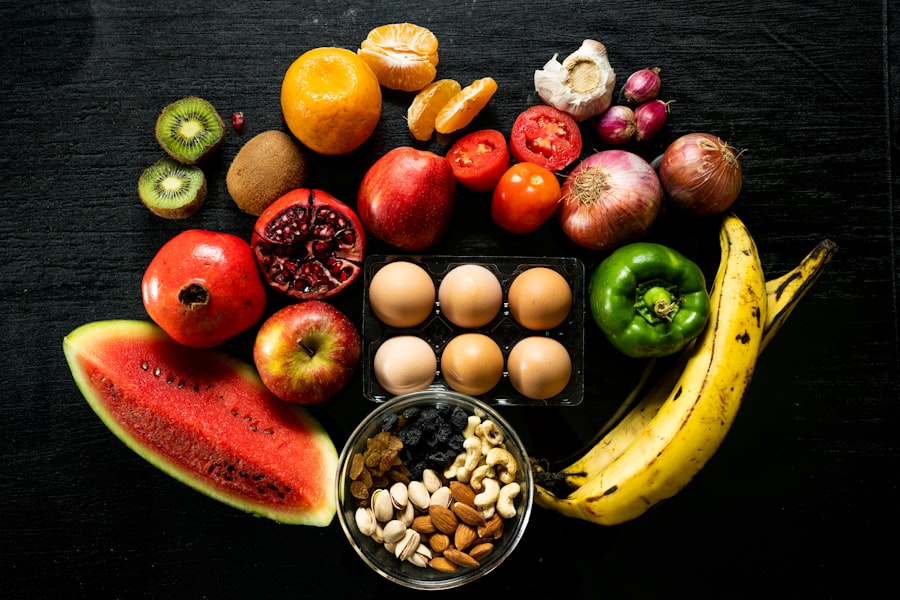
Nutrition policy and food quality are not independent entities; they are deeply intertwined, with policy acting as the primary sculptor of the food quality landscape you inhabit. Think of nutrition policy as the artist’s hand guiding the chisel, shaping the raw material of food into something that is both nourishing and desirable.
Policy’s Influence on Nutrient Density
One of the most direct ways nutrition policy impacts food quality is by influencing the nutrient density of available foods. Policies that encourage fortification of staple foods with essential vitamins and minerals, or that aim to reduce the prevalence of empty calories in processed foods, directly enhance the nutritional quality of the food supply. You benefit from these policies when you consume a loaf of bread fortified with folic acid or when reduced-sugar cereals become more common.
Shaping the Market for Healthy Choices
Nutrition policies, particularly those involving economic incentives or disincentives, can significantly alter the market dynamics for healthy foods. When healthy options become more affordable and accessible due to subsidies, or when less healthy options become more expensive due to taxes, the overall quality of food choices available to you improves. This can lead to a broader availability of fresh produce, whole grains, and lean proteins, elevating the quality of your diet.
Driving Innovation in Food Production
The push for better nutrition and higher food quality can also drive innovation within the food industry. As policies set clearer expectations and consumers demand healthier options, food manufacturers and agricultural producers are incentivized to develop new products and production methods that meet these evolving standards. This can lead to the creation of healthier ingredients, improved processing techniques, and more sustainable farming practices, ultimately enhancing the quality of the food you consume. You witness this when you see a wider array of plant-based alternatives or low-sugar beverage options becoming available.
Challenges and Opportunities: Navigating the Evolving Landscape

The mission of shaping a future where nutrition policy promotes high-quality food for all is fraught with challenges, but also brimming with opportunities for positive change.
The Influence of Industry: A Constant Balancing Act
The food industry, a powerful economic force, often exerts considerable influence on nutrition policy. Lobbying efforts and marketing budgets can sometimes steer policy away from public health goals, creating a constant balancing act for policymakers. You observe this when front-of-package labeling initiatives are diluted or when regulations on marketing unhealthy foods to children are weakened. Understanding this dynamic is crucial to advocating for policies that truly prioritize your well-being.
Reaching Vulnerable Populations: Bridging the Equity Gap
Ensuring equitable access to nutritious, high-quality food remains a significant challenge. Vulnerable populations, including low-income communities and those in food deserts, often face greater barriers to healthy eating. Nutrition policies must actively address these disparities through targeted interventions, such as improving access to affordable fresh food outlets and supporting community-based nutrition programs. Your access to good food should not be determined by your socioeconomic status.
The Role of the Consumer: Your Voice Matters
You, as a consumer, are not a passive recipient of nutrition policy. Your choices, your demands, and your advocacy have the power to shape both policy and food quality. By making informed choices, supporting businesses that prioritize quality and sustainability, and engaging in public discourse, you can actively contribute to a healthier food future. Your collective voice is a powerful force for change.
Technological Advancements: Tools for a Better Tomorrow
Emerging technologies offer exciting opportunities to improve nutrition policy and food quality. Innovations in precision agriculture can lead to more sustainable and nutrient-rich food production. Advancements in food analysis can provide more accurate and accessible information about food quality. Furthermore, digital platforms can enhance consumer education and empower individuals to make healthier choices. These tools, when integrated thoughtfully into policy, can be instrumental in shaping a more nutritious future.
As discussions around the future of nutrition policy and food quality continue to evolve, it is essential to consider the implications of recent research findings. A related article explores innovative approaches to improving dietary guidelines and ensuring access to high-quality food for all communities. For more insights on this topic, you can read the article here: nutrition policy and food quality. This resource provides valuable information that can help shape future initiatives aimed at enhancing public health through better nutrition.
Shaping Your Future: The Path Forward
| Metric | Current Status | Projected 2030 | Notes |
|---|---|---|---|
| Global Malnutrition Rate | 9.8% | 7.5% | Expected reduction due to improved nutrition policies |
| Percentage of Ultra-Processed Foods in Diet | 60% | 50% | Shift towards whole and minimally processed foods |
| Average Daily Sugar Intake (grams) | 90g | 50g | Reduction driven by sugar taxes and labeling |
| Percentage of Population with Access to Nutritious Food | 75% | 90% | Improved food distribution and policy interventions |
| Number of Countries with Mandatory Front-of-Pack Nutrition Labels | 35 | 70 | Growing adoption of clear labeling standards |
| Reduction in Food Waste (%) | 30% | 50% | Enhanced policies and technologies for waste management |
| Investment in Sustainable Agriculture (% of total agri budget) | 15% | 35% | Focus on sustainability to improve food quality |
The trajectory of nutrition policy and food quality is not predetermined. It is a dynamic process that you, as an engaged citizen, have the power to influence. The decisions made today in government halls, on farms, and in laboratories will echo through your dietary habits and the health of generations to come. Consider your daily meals not just as sources of sustenance, but as tangible outcomes of these critical policy decisions.
Advocate for Stronger Policies: Your Voice is Your Power
The most impactful way you can shape the future is by becoming an advocate for stronger nutrition policies. This might involve writing to your elected officials, supporting organizations that champion healthy food systems, or participating in public consultations on food-related issues. Your engagement is the engine that drives policy reform, ensuring that the blueprint for our food system prioritizes health and well-being.
Support Sustainable and Ethical Food Systems: Vote with Your Fork
Every purchasing decision you make is a vote for the kind of food system you want to support. By choosing to buy from local farmers, opt for sustainably produced goods, and patronize businesses committed to ethical practices, you send a clear signal to the market. This pressure from consumers incentivizes the food industry to adopt more responsible and higher-quality production methods, aligning the market with your values.
Embrace Lifelong Learning: Become a Savvy Consumer
The landscape of food and nutrition is constantly evolving. Continuously seeking out reliable information about nutrition, understanding food labeling, and staying informed about current policy debates empowers you to make the best choices for yourself and your family. Becoming a savvy consumer is your personal contribution to a healthier food future, transforming you from a passive participant into an active architect of your own well-being.
You hold the reins to a future where nutrition policy serves as a robust shield, safeguarding your health and well-being, and where food quality is not a luxury but a fundamental right enjoyed by all. The path forward requires your active participation, your critical engagement, and your unwavering commitment to a more nourishing world.
FAQs
What is the future of nutrition policy focused on?
The future of nutrition policy is focused on promoting healthier diets, reducing diet-related diseases, ensuring food security, and addressing environmental sustainability. It aims to integrate scientific evidence, public health goals, and socio-economic factors to improve overall population health.
How will food quality standards evolve in the coming years?
Food quality standards are expected to evolve by incorporating stricter safety regulations, enhanced nutritional labeling, and sustainability criteria. Advances in technology will enable better monitoring of food contaminants, nutrient content, and traceability from farm to table.
What role does technology play in shaping future nutrition policies?
Technology plays a crucial role by providing data analytics, personalized nutrition recommendations, and improved food production methods. Innovations such as AI, blockchain, and biotechnology help policymakers design targeted interventions and ensure food quality and safety.
How are environmental concerns influencing nutrition policy?
Environmental concerns are increasingly influencing nutrition policy by encouraging sustainable food systems that reduce greenhouse gas emissions, conserve water, and promote biodiversity. Policies are shifting towards supporting plant-based diets and reducing food waste to mitigate climate change impacts.
What challenges exist in implementing future nutrition policies?
Challenges include balancing economic interests with public health goals, addressing disparities in food access, managing industry resistance, and ensuring policies are culturally appropriate. Additionally, adapting to rapidly changing food technologies and consumer behaviors requires continuous policy evaluation and adjustment.