
Navigating the complex terrain of the pharmaceutical industry requires a compass calibrated to a strict ethical framework. This sector, driven by the imperative to innovate and improve human health, simultaneously operates within the realities of business and market demands. Consequently, the ethical considerations are not merely theoretical constructs but practical, high-stakes decisions that impact lives, public trust, and the very sustainability of medical progress. For professionals, patients, and policymakers alike, understanding and upholding these ethical principles is paramount.
The pharmaceutical industry exists in a delicate equilibrium, caught between its fundamental purpose of developing life-saving and life-enhancing treatments and the economic realities of a highly competitive global market. This dual mandate presents a perpetual ethical challenge, akin to walking a tightrope above a chasm of potential conflicts.
Research and Development Ethics
At the genesis of any pharmaceutical product lies the research and development (R&D) phase. This is where scientific inquiry meets the need for commercially viable products, and ethical scrutiny is most intense.
Preclinical Research Integrity
Before any compound can be tested in humans, it undergoes rigorous preclinical testing to assess its safety and efficacy in laboratory settings and animal models. The ethical imperative here is to ensure that this early-stage research is conducted with the utmost integrity, free from bias, and with accurate reporting of both positive and negative results. This includes adhering to guidelines for animal welfare, such as the “3Rs” principle: Replacement, Reduction, and Refinement. Any deliberate distortion or omission of data at this stage can have catastrophic downstream consequences, leading to the development of ineffective or harmful drugs.
Clinical Trial Design and Execution
The translation of preclinical findings into human treatments occurs within the controlled environment of clinical trials. These trials are the bedrock of pharmaceutical evidence, and their ethical conduct is non-negotiable.
Informed Consent: The Cornerstone of Participant Protection
The principle of informed consent is paramount in clinical trials. Participants must be fully apprised of the experimental nature of the treatment, potential risks and benefits, alternative treatment options, and their right to withdraw at any time without prejudice. This is not a mere bureaucratic hurdle but a fundamental respect for individual autonomy. Ensuring genuine understanding, especially for vulnerable populations or those with limited health literacy, requires clear communication, ample time for questions, and independent oversight.
Protocol Adherence and Data Transparency
Strict adherence to the approved clinical trial protocol is essential for ensuring the validity and reliability of the trial’s results. Deviations, whether intentional or accidental, can compromise the integrity of the data. Equally crucial is data transparency. The industry has faced criticism for selectively publishing positive trial outcomes while withholding negative or inconclusive results, a practice that can skew the perception of a drug’s true efficacy and safety profile. Open access to all trial data, including adverse event reporting, is increasingly demanded by regulatory bodies and the wider scientific community.
Equipoise: The Ethical Justification for a Control Group
In trials comparing a new drug to a placebo or an existing standard treatment, the ethical principle of equipoise dictates that there must be genuine uncertainty within the expert medical community about the comparative therapeutic merits of the interventions being tested. Without equipoise, randomizing patients to a potentially inferior treatment would be unethical. This principle ensures that research is conducted for the genuine advancement of knowledge, not simply to gather data for commercial purposes.
Marketing and Promotion Ethics
Once a drug is approved, its journey into the hands of patients is guided by marketing and promotional efforts. This is an area rife with ethical challenges, as the line between informing healthcare professionals and influencing prescribing behavior can become blurred.
Truthful and Balanced Information Dissemination
Pharmaceutical companies have a responsibility to provide accurate, balanced, and non-misleading information about their products to healthcare professionals and, through appropriate channels, to the public. This includes clearly articulating the indications, contraindications, side effects, and dosage recommendations. Exaggerating benefits or downplaying risks is not just unethical; it can lead to patient harm and erode trust in the medical system.
Off-Label Promotion: A Dangerous Deviation
The practice of promoting a drug for uses not approved by regulatory agencies (off-label promotion) is a significant ethical and legal concern. While physicians may prescribe drugs off-label based on their clinical judgment and emerging evidence, pharmaceutical companies are generally prohibited from actively marketing their drugs for these unapproved indications. This prohibition stems from the fact that the drug’s safety and efficacy for such uses have not been rigorously evaluated and established through the regulatory approval process.
Relationships with Healthcare Professionals: Navigating the Gift Horse
The interactions between pharmaceutical companies and healthcare professionals are critical for disseminating information about new treatments. However, these relationships can become ethically compromised when financial incentives influence prescribing patterns.
Transparency in Financial Relationships
Disclosure of financial relationships between pharmaceutical companies and healthcare professionals, such as payments for speaking engagements, consulting fees, or research funding, is essential for maintaining transparency and preventing conflicts of interest. Public registries detailing these payments help to ensure that clinical decisions are based on patient well-being, not on financial inducements.
Avoiding Inducements and Kickbacks
Direct or indirect inducements, such as lavish gifts, sponsored travel, or funding for non-educational activities, offered to healthcare professionals to encourage prescribing certain medications are unethical and often illegal. Such practices can create a perception, or reality, of undue influence, undermining the objectivity of medical practice.
Pricing and Access Ethics
The pricing of pharmaceuticals is a persistent ethical flashpoint, particularly in light of the significant impact drug costs have on patient access to necessary treatments and the financial strain on healthcare systems.
Balancing Innovation Costs with Affordability
Pharmaceutical companies invest heavily in R&D, and recouping these costs is a legitimate business objective. However, the extent to which prices are inflated beyond reasonable returns on investment, and whether these prices translate into insurmountable barriers to access for patients, raises profound ethical questions. The ethical debate often centers on whether the price of life-saving medications should be dictated solely by market forces or if there are societal obligations to ensure affordability.
The Global Disparity in Access
The stark differences in pharmaceutical access between high-income and low- and middle-income countries present a significant ethical challenge. High prices that are manageable in affluent nations can be prohibitively expensive elsewhere, leading to preventable suffering and premature death. Ethical considerations demand that the industry engage with global health initiatives and explore pricing strategies that promote equitable access to essential medicines worldwide.
Intellectual Property Rights vs. Public Health Needs
The patent system, designed to incentivize innovation by granting temporary exclusive rights to drug developers, is a double-edged sword. While it fuels R&D, it can also lead to exorbitant prices and limited access to essential medicines, especially when patents expire.
The Role of Generics in Expanding Access
The introduction of generic versions of off-patent drugs is a crucial mechanism for increasing affordability and expanding access. Ethical considerations around patent extensions, “evergreening” of patents, and aggressive legal challenges to generic entry are often debated. The industry’s role in facilitating a timely transition to generics, rather than engaging in practices that unduly prolong monopoly pricing, is an ethical imperative.
Compulsory Licensing and Humanitarian Crises
In times of severe public health crises or humanitarian emergencies, the ethical debate around intellectual property rights intensifies. The concept of compulsory licensing, where governments can authorize the use of patented inventions without the patent holder’s consent under specific circumstances, is a tool that can be employed to increase access to critical medicines when commercial strategies fail to provide timely and affordable solutions.
In exploring the complexities of ethics within the pharmaceutical industry, it is essential to consider various perspectives and case studies that highlight the challenges faced by companies and healthcare professionals alike. A related article that delves into these ethical dilemmas can be found at this link, where the discussion centers around the balance between profit motives and patient welfare, providing valuable insights into the ongoing debates surrounding pharmaceutical practices and regulations.
Ethical Frameworks and Regulatory Oversight
Navigating the ethical landscape of the pharmaceutical industry is not left solely to the discretion of individual companies or professionals. A robust framework of ethical principles, professional guidelines, and regulatory oversight acts as a vital bulwark, though its effectiveness can be subject to ongoing debate and refinement.
Professional Codes of Conduct
Medical professionals, scientists, and researchers within the pharmaceutical sector are typically bound by professional codes of conduct. These codes, often established by professional organizations and regulatory bodies, outline expected ethical behaviors and standards of practice. They serve as a compass for navigating complex situations and provide a basis for accountability.
Regulatory Agencies: Guardians of Public Trust
Agencies such as the U.S. Food and Drug Administration (FDA), the European Medicines Agency (EMA), and their global counterparts play a pivotal role in ensuring the safety, efficacy, and quality of pharmaceutical products. Their oversight extends from the approval process for new drugs to post-market surveillance and the regulation of marketing and promotion.
The Evolving Landscape of Drug Regulation
The regulatory landscape is continually evolving in response to scientific advancements, emerging public health concerns, and lessons learned from past ethical lapses. This evolution often involves strengthening requirements for clinical trial data, enhancing post-market surveillance to detect rare but serious adverse events, and scrutinizing marketing practices more rigorously.
Industry Self-Regulation and Voluntary Codes
Many pharmaceutical companies and industry associations have developed their own internal ethical codes and voluntary guidelines. While these initiatives can demonstrate a commitment to ethical practices, they are often viewed with skepticism if not accompanied by robust enforcement mechanisms and genuine accountability. The effectiveness of self-regulation hinges on its sincerity and its ability to stand up to internal pressures for profit maximization.
Challenges and Future Directions in Pharmaceutical Ethics
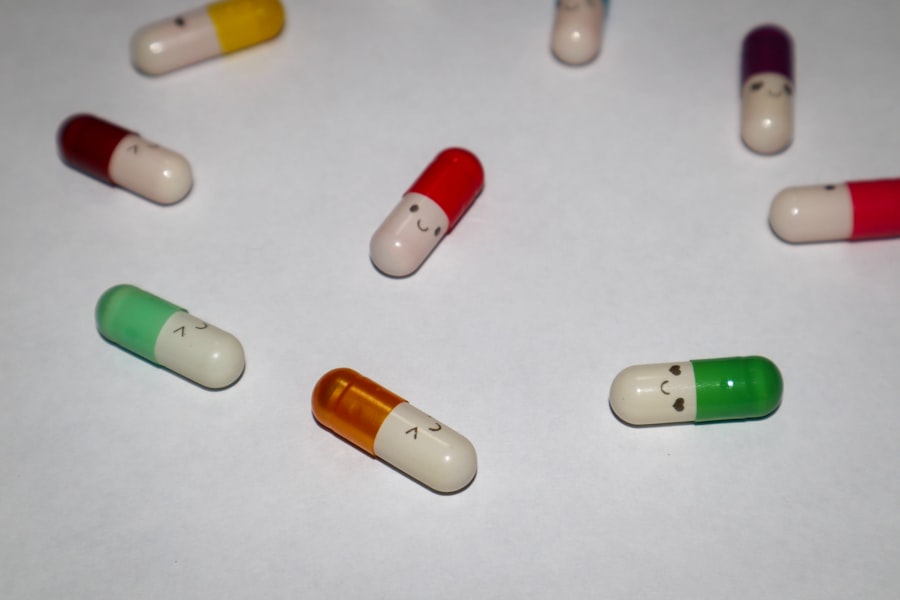
The ethical landscape of the pharmaceutical industry is not static; it is a dynamic environment shaped by scientific breakthroughs, shifting societal expectations, and evolving economic pressures. Addressing persistent challenges and anticipating future ethical dilemmas is crucial for maintaining public trust and ensuring that pharmaceutical innovation continues to serve humanity.
The “Pillars of Doubt”: Transparency and Accountability
A persistent concern within the pharmaceutical industry is the perceived lack of transparency and accountability. When information is withheld, when conflicts of interest are not adequately disclosed, or when companies seem to prioritize profit over patient well-being, public trust erodes. Strengthening accountability mechanisms, promoting radical transparency in research data and financial relationships, and empowering independent oversight bodies are essential steps forward.
Fostering a Culture of Ethical Responsibility
Ultimately, ethical conduct within the pharmaceutical industry begins with a strong organizational culture that prioritizes ethical responsibility. This requires leadership commitment, comprehensive ethics training for all employees, and clear channels for reporting and addressing ethical concerns without fear of reprisal. Creating a culture where ethical considerations are deeply ingrained in decision-making processes, from the laboratory bench to the boardroom, is the most powerful safeguard against ethical breaches.
The Impact of Big Data and Artificial Intelligence
The increasing integration of big data analytics and artificial intelligence (AI) into pharmaceutical R&D and marketing presents new ethical frontiers. Ensuring that AI algorithms are free from inherent biases, protecting patient data privacy, and maintaining human oversight in decision-making processes are critical ethical considerations as these technologies become more pervasive. The potential for AI to accelerate drug discovery is immense, but this must be tempered with ethical guidelines that ensure its responsible deployment.
Global Collaboration and Ethical Harmonization
Given the global nature of the pharmaceutical market and the interconnectedness of public health, there is a growing need for greater international collaboration on ethical standards and regulatory harmonization. This can help to prevent regulatory arbitrage, where companies may seek out jurisdictions with weaker ethical oversight, and ensure that essential medicines are accessible to populations worldwide.
In conclusion, navigating the ethical currents of the pharmaceutical industry is an ongoing endeavor, demanding vigilance, integrity, and a steadfast commitment to the well-being of patients. It requires a continuous dialogue between industry stakeholders, regulators, healthcare professionals, and the public. By upholding the highest ethical standards, the pharmaceutical industry can continue to fulfill its noble mission of improving human health while maintaining the trust that is so essential for its success.
FAQs

What are the main ethical concerns in the pharmaceutical industry?
The primary ethical concerns include drug pricing and accessibility, clinical trial transparency, marketing practices, patient safety, and conflicts of interest between pharmaceutical companies and healthcare providers.
How does the pharmaceutical industry ensure the safety and efficacy of drugs?
Pharmaceutical companies conduct rigorous preclinical and clinical trials following regulatory guidelines to test drug safety and efficacy. Regulatory agencies like the FDA review trial data before approving drugs for public use.
What role do regulatory agencies play in pharmaceutical ethics?
Regulatory agencies establish and enforce standards for drug development, testing, approval, manufacturing, and marketing to protect public health and ensure ethical practices within the pharmaceutical industry.
Why is transparency important in pharmaceutical clinical trials?
Transparency helps prevent data manipulation, ensures accurate reporting of results, builds public trust, and allows healthcare professionals to make informed decisions based on reliable evidence.
How do pharmaceutical companies address conflicts of interest?
Companies implement policies such as disclosure requirements, independent review boards, and separation of marketing and research functions to minimize conflicts of interest and maintain ethical integrity.