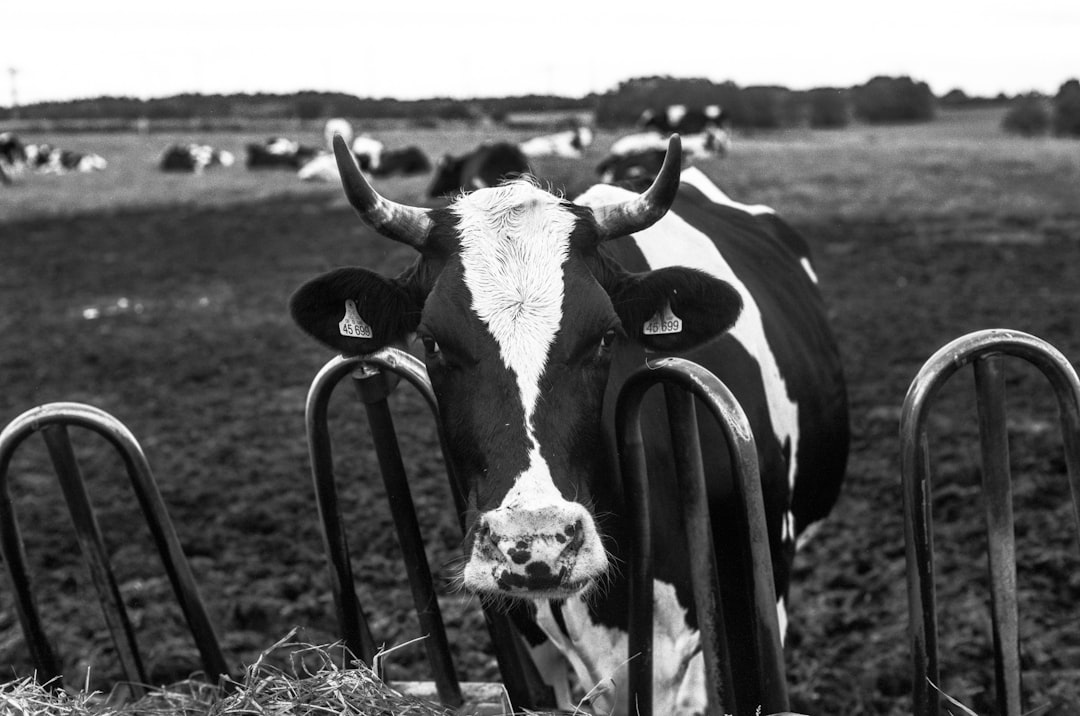
The organic dairy industry has experienced substantial growth as consumers increasingly seek natural and sustainable food alternatives. The organic dairy sector operates under complex regulatory frameworks that govern production standards and certification processes. Regulatory gaps in organic dairy production standards can affect product authenticity and consumer understanding of organic labeling.
These regulatory inconsistencies can compromise core organic farming principles, including animal welfare standards, environmental sustainability practices, and restrictions on synthetic chemical use. The organic certification system contains specific requirements for livestock management, feed sourcing, and production methods that producers must follow to maintain organic status. Consumer awareness of certification standards and regulatory gaps enables more informed purchasing decisions.
Knowledge of organic certification requirements and potential system limitations helps consumers identify products that align with their values and expectations. This analysis examines the organic dairy certification framework, identifies common regulatory gaps, and evaluates their impact on product quality and consumer protection.
Key Takeaways
- Organic dairy certification involves strict standards, but loopholes can undermine product integrity.
- Common loopholes include mislabeling and insufficient animal welfare practices.
- These loopholes can negatively affect the quality and authenticity of organic dairy products.
- Consumers have rights and can use labeling laws to make informed choices and avoid misleading products.
- Government regulations and consumer advocacy are crucial for closing loopholes and promoting ethical organic dairy production.
Understanding the Organic Certification Process for Dairy Products
The organic certification process for dairy products is designed to ensure that producers adhere to specific standards set by regulatory bodies. To be labeled as organic, dairy farms must follow strict guidelines that govern everything from animal feed to pasture access. These regulations are intended to promote sustainable farming practices and ensure that animals are treated humanely.
As a consumer, it’s essential to understand that not all organic labels are created equal; the certification process can vary significantly depending on the certifying agency. When a dairy farm seeks organic certification, it undergoes a rigorous evaluation process that includes an inspection of its practices and facilities. This inspection assesses whether the farm complies with the National Organic Program (NOP) standards established by the U.S.
Department of Agriculture (USDA). The farm must demonstrate that it uses organic feed, avoids synthetic pesticides and fertilizers, and provides animals with access to pasture. However, despite these stringent requirements, some producers may exploit gaps in the system, leading to the emergence of loopholes that can compromise the integrity of organic dairy products.
Identifying Common Loopholes in Organic Dairy Production
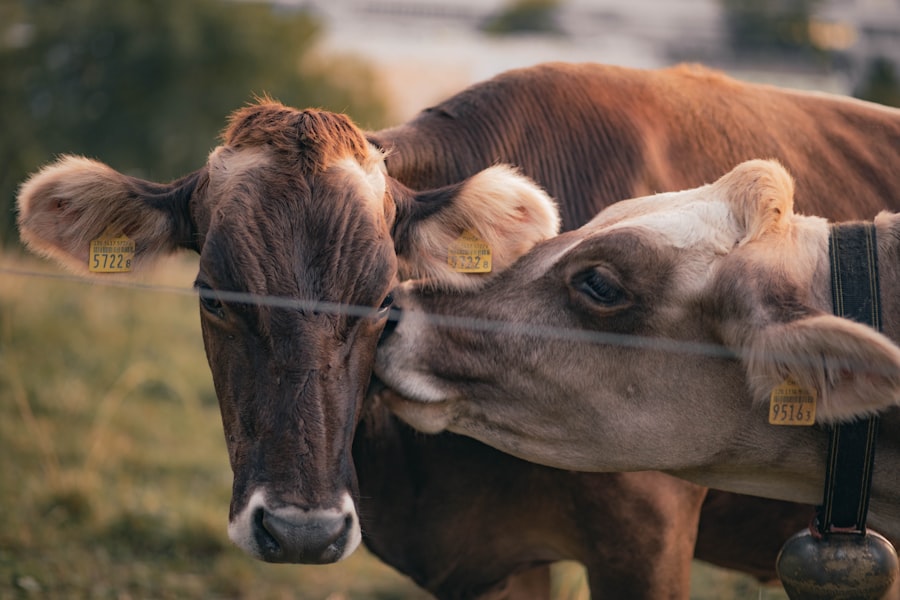
As you explore the landscape of organic dairy production, it becomes evident that certain loopholes can undermine the authenticity of organic claims. One common loophole involves the use of non-organic feed during transitional periods. Some farms may claim organic status while still relying on conventional feed for their animals, particularly during the three-year transition period required for land to be certified organic.
This practice can lead to a dilution of organic principles and raise concerns about the quality of the milk produced. Another prevalent loophole is related to pasture access for dairy cows. While organic standards mandate that cows have access to pasture, some producers may interpret this requirement loosely.
For instance, they might provide minimal outdoor access or confine cows to small enclosures that do not meet the spirit of organic farming. This practice not only affects animal welfare but also raises questions about the nutritional quality of the milk produced. As a consumer, being aware of these loopholes allows you to scrutinize labels more effectively and make choices that align with your values.
The Impact of Loopholes on Organic Dairy Quality
The existence of loopholes in organic dairy production can have significant implications for product quality. When producers exploit these gaps in regulations, it can lead to inconsistencies in the nutritional content and overall quality of the milk you consume. For example, cows that are not provided with adequate pasture access may produce milk with lower levels of beneficial nutrients such as omega-3 fatty acids and conjugated linoleic acid (CLA).
These nutrients are often touted as key benefits of consuming organic dairy products. Moreover, when farms use non-organic feed or rely on questionable practices, it can compromise the flavor and freshness of the milk. You may find that some organic dairy products do not taste as rich or creamy as you would expect from truly organic sources.
This inconsistency can be frustrating for consumers who are seeking high-quality products that align with their health goals. By understanding how loopholes impact quality, you can make more discerning choices at the grocery store and advocate for better practices within the industry.
Consumer Rights and Labeling Laws for Organic Dairy Products
| Loophole | Description | Impact on Organic Standards | Frequency | Regulatory Response |
|---|---|---|---|---|
| Use of Non-Organic Feed | Allowing up to 5% non-organic feed in organic dairy cow diets | Potential contamination with pesticides and GMOs | Common | Proposals to reduce or eliminate allowance |
| Temporary Use of Antibiotics | Permitting antibiotics for sick animals with mandatory withdrawal periods | Contradicts organic principle of no synthetic drugs | Occasional | Strict withdrawal enforcement and record-keeping |
| Confinement Practices | Allowing limited indoor confinement during extreme weather | Limits animal access to pasture, affecting organic integrity | Seasonal | Guidelines to maximize pasture time |
| Use of Synthetic Vitamins | Permitting certain synthetic vitamins and minerals in feed | Raises questions about naturalness of feed inputs | Frequent | Ongoing review of allowed substances |
| Certification Oversight | Inconsistent enforcement by certifying agencies | Leads to variable organic compliance | Variable | Calls for standardized auditing procedures |
As a consumer, you have rights when it comes to understanding what goes into your food, including organic dairy products. Labeling laws are designed to provide transparency and ensure that consumers can make informed choices based on accurate information. In many countries, including the United States, products labeled as “organic” must meet specific criteria set forth by regulatory agencies.
However, these laws can sometimes be vague or open to interpretation, leading to confusion about what constitutes true organic dairy. It is essential for you to familiarize yourself with labeling laws and what they mean for your purchasing decisions. For instance, terms like “made with organic ingredients” or “natural” do not necessarily indicate that a product meets strict organic standards.
Understanding these distinctions empowers you to ask questions and seek out brands that prioritize transparency and ethical practices. Additionally, advocating for clearer labeling laws can help ensure that all consumers have access to accurate information about the products they purchase.
Strategies for Navigating Organic Dairy Loopholes as a Consumer
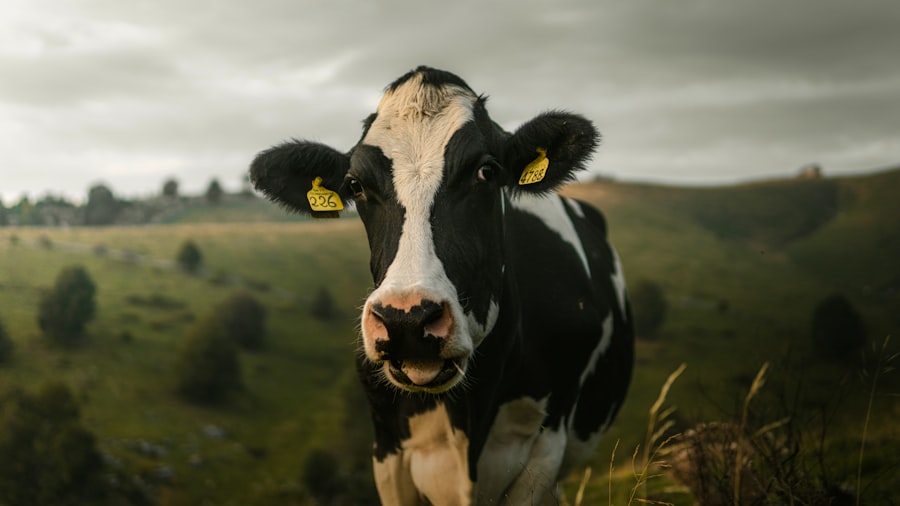
Navigating the complexities of organic dairy production requires vigilance and a proactive approach as a consumer. One effective strategy is to research brands before making a purchase. Look for companies that are transparent about their farming practices and provide detailed information about their certification process.
Many reputable brands will share their commitment to animal welfare and sustainable practices on their websites or product packaging. Another strategy is to seek out local farmers’ markets or community-supported agriculture (CSA) programs where you can buy directly from producers. This direct connection allows you to ask questions about their farming methods and gain insight into their commitment to organic principles.
Additionally, consider joining consumer advocacy groups focused on food transparency and sustainability; these organizations often provide valuable resources and information about ethical producers in your area.
The Role of Government Regulations in Closing Organic Dairy Loopholes
Government regulations play a crucial role in shaping the landscape of organic dairy production and addressing loopholes within the system. Regulatory bodies like the USDA are responsible for enforcing standards and ensuring compliance among certified farms. However, as you may have noticed, enforcement can sometimes be inconsistent, allowing certain producers to exploit gaps in regulations without facing consequences.
To effectively close these loopholes, it is essential for consumers like you to advocate for stronger regulations and oversight within the organic dairy industry. This can involve supporting legislation aimed at enhancing transparency in labeling or pushing for stricter enforcement of existing standards. By voicing your concerns and engaging with policymakers, you can contribute to a more robust regulatory framework that prioritizes integrity in organic dairy production.
The Importance of Supporting Transparent and Ethical Organic Dairy Producers
As a conscious consumer, your purchasing decisions have the power to shape the future of organic dairy production. By supporting transparent and ethical producers, you contribute to a marketplace that values integrity over profit margins. Look for brands that prioritize animal welfare, sustainable farming practices, and transparency in their operations.
These producers often go above and beyond basic certification requirements to ensure that their products genuinely reflect organic principles. Additionally, consider sharing your experiences with others in your community or online platforms dedicated to food advocacy. By raising awareness about ethical producers and highlighting their commitment to quality, you can help create a demand for more responsible practices within the industry.
Your support not only benefits your health but also encourages a shift toward more sustainable and ethical food systems.
The Future of Organic Dairy Production and Loophole Prevention
The future of organic dairy production hinges on addressing existing loopholes and fostering a culture of accountability within the industry. As consumers become increasingly aware of these issues, there is potential for significant change driven by demand for higher standards. The rise of technology in agriculture also presents opportunities for greater transparency; blockchain technology, for example, could enable consumers to trace their food back to its source with unprecedented accuracy.
Moreover, collaboration between consumers, producers, and regulatory bodies will be essential in shaping a more sustainable future for organic dairy production. By working together to establish clearer guidelines and promote best practices, stakeholders can create an environment where ethical producers thrive while ensuring that consumers receive high-quality products that align with their values.
Resources for Staying Informed About Organic Dairy Loopholes
Staying informed about organic dairy loopholes requires ongoing education and engagement with reliable resources. Numerous organizations focus on food transparency and sustainability; consider following them on social media or subscribing to their newsletters for updates on industry developments. Websites like the Cornucopia Institute provide valuable insights into organic farming practices and offer reports on various brands’ compliance with organic standards.
Taking Action to Ensure the Integrity of Organic Dairy Products
In conclusion, understanding organic dairy loopholes is essential for you as a consumer who values health, sustainability, and ethical practices in food production. By familiarizing yourself with the certification process, identifying common loopholes, and advocating for stronger regulations, you can play an active role in promoting integrity within the organic dairy industry. Your choices matter; by supporting transparent producers and staying informed about labeling laws, you contribute to a marketplace that prioritizes quality over profit.
As you navigate your journey through the world of organic dairy products, remember that your voice has power. Engage with your community, share your knowledge, and advocate for change where it is needed most. Together, we can work towards a future where organic dairy truly reflects its principles—providing high-quality products that nourish both our bodies and our planet.
In recent discussions about the integrity of organic dairy products, the existence of loopholes in organic certification has raised significant concerns among consumers and advocates alike. For a deeper understanding of these issues, you can read a related article that explores the implications of these loopholes in the organic dairy industry. Check it out here: Organic Dairy Loopholes: What You Need to Know.
FAQs
What are organic dairy loopholes?
Organic dairy loopholes refer to gaps or exceptions in organic certification standards that some producers may exploit to market their products as organic, even if they do not fully comply with all organic farming practices.
How do loopholes affect the integrity of organic dairy products?
Loopholes can undermine consumer trust by allowing products labeled as organic to be produced with methods that do not meet the intended organic standards, potentially compromising animal welfare, environmental sustainability, or product quality.
What are common examples of organic dairy loopholes?
Common loopholes include allowing the use of certain synthetic substances, insufficient pasture access for cows, or the use of non-organic feed supplements while still maintaining organic certification.
Who regulates organic dairy standards?
In the United States, the USDA’s National Organic Program (NOP) sets and enforces organic standards. Other countries have their own regulatory bodies and certification organizations.
Can consumers identify if an organic dairy product has been produced using loopholes?
It is difficult for consumers to identify loopholes directly, as products still carry the organic label. Researching the producer’s practices or choosing products from trusted brands with transparent sourcing can help.
Are there efforts to close organic dairy loopholes?
Yes, regulatory agencies and advocacy groups continuously review and update organic standards to close loopholes and ensure stricter compliance with organic principles.
Do all organic dairy farms exploit loopholes?
No, many organic dairy farms strictly adhere to organic standards and prioritize animal welfare and environmental sustainability without exploiting loopholes.
How can consumers support truly organic dairy products?
Consumers can support truly organic dairy by purchasing from certified producers with transparent practices, supporting local organic farms, and staying informed about organic certification standards and updates.