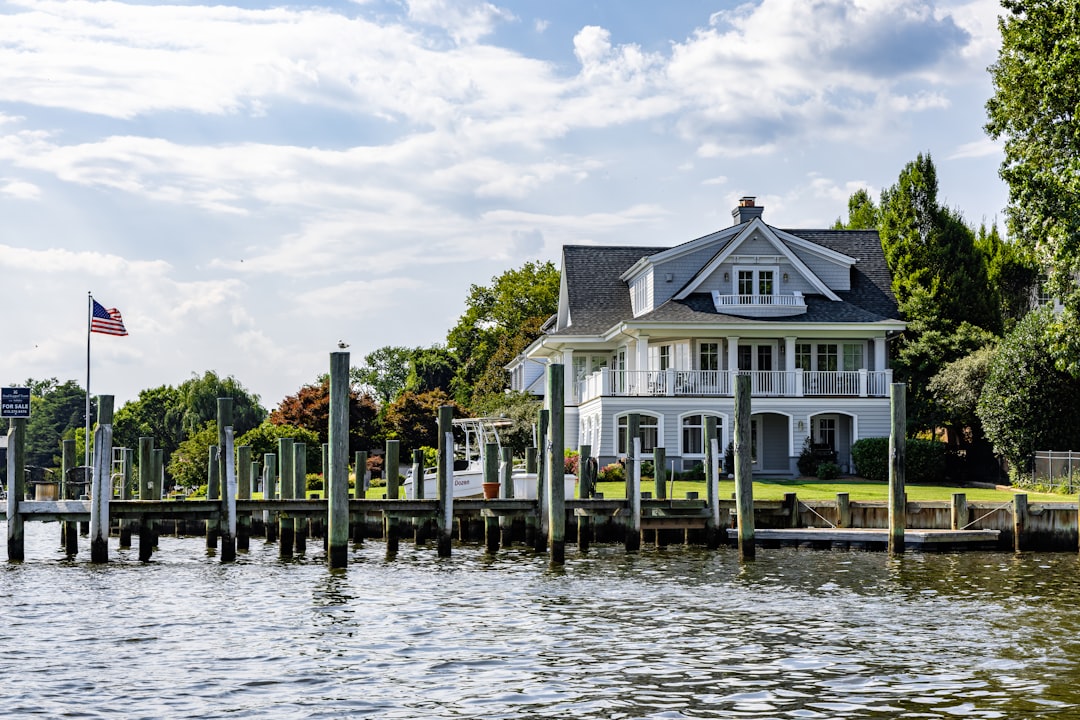
Coastal properties present a unique and evolving set of insurance challenges. The allure of ocean views and waterfront living is undeniable, but it comes with inherent vulnerabilities. Property owners in these regions must proactively understand and manage a complex risk landscape. This involves a thorough assessment of potential threats, a clear understanding of available insurance products, and a strategic approach to mitigation and claims.
The environmental factors that make coastal locations desirable also expose them to a distinct array of perils. These risks are often interconnected and can be exacerbated by climate change, leading to increasingly severe and frequent events.
Natural Catastrophes
The most immediate and significant threats to coastal properties stem from natural disasters. These events can cause widespread damage and financial loss.
Storm Surges
Storm surges, driven by powerful winds associated with hurricanes and tropical storms, can inundate coastal areas with seawater, causing extensive flooding and structural damage. The force of the water, combined with debris, can demolish buildings, erode foundations, and compromise infrastructure. Tidal influences can amplify the impact, pushing water further inland than a typical tide.
Hurricanes and Tropical Storms
Beyond storm surge, hurricanes and tropical storms bring with them a trifecta of destructive forces: high winds, torrential rainfall, and potential for tornadoes. Wind speeds can exceed catastrophic levels, tearing roofs off, shattering windows, and causing widespread structural compromise. Heavy rainfall can lead to inland flooding, further compounding damage.
Flooding (Beyond Storm Surge)
While storm surge is a primary concern, coastal properties are also susceptible to other forms of flooding. This can include:
High Tide Flooding
Even in the absence of major storms, regular high tides can increasingly inundate low-lying coastal areas, especially in conjunction with rising sea levels. This persistent inundation can lead to chronic moisture damage, mold growth, and gradual erosion.
Rainfall-Induced Flooding
Heavy rainfall, whether from a tropical system or a more localized event, can overwhelm drainage systems and natural waterways, leading to significant overland flooding, particularly in areas with poor drainage or flat terrain.
Ground Water Intrusion
Elevated sea levels can also impact groundwater levels, leading to saltwater intrusion into freshwater aquifers and potentially affecting foundations and underground structures.
Erosion and Land Instability
The dynamic nature of coastlines means that erosion is a constant threat, gradually or rapidly diminishing land mass and undermining properties.
Coastal Erosion
Wave action, currents, and changing sediment transport patterns contribute to coastal erosion. This can lead to a loss of beach area, undermining of seawalls, and eventually, the direct threat of properties falling into the sea.
Landslides and Mudslides
In areas with steeper coastal topography, particularly after heavy rainfall, the risk of landslides and mudslides increases. Soil saturation can reduce the shear strength of the ground, leading to catastrophic failures that can bury or destroy structures.
Environmental Factors
Beyond direct physical forces, environmental changes present long-term risks.
Saltwater Intrusion
As sea levels rise and coastlines recede, saltwater can infiltrate freshwater sources and soil. This can damage vegetation, corrode building materials, and impact agricultural land.
Sea Level Rise
The inexorable rise in global sea levels is a fundamental threat to all coastal properties. It exacerbates storm surge impacts, increases the frequency and severity of tidal flooding, and contributes to ongoing erosion. This is a slow-moving but increasingly impactful risk that necessitates long-term planning.
Coastal properties face unique insurance risks due to their vulnerability to natural disasters such as hurricanes, flooding, and erosion. These risks can significantly impact property values and insurance premiums. For a deeper understanding of the challenges and considerations involved in insuring coastal properties, you can read a related article that discusses various factors influencing insurance coverage and risk management strategies. Check it out here: Insurance Risks for Coastal Properties.
Understanding Coastal Property Insurance Policies
Navigating the insurance landscape for coastal properties requires a nuanced understanding of the specialized policies and endorsements available. Standard homeowner’s insurance often falls short in adequately covering the unique risks faced in these areas.
Flood Insurance
Flood insurance is a critical component of coastal property coverage, but it is typically not included in standard homeowner’s policies.
National Flood Insurance Program (NFIP)
In the United States, the NFIP, administered by the Federal Emergency Management Agency (FEMA), provides flood insurance to communities that adopt and enforce floodplain management ordinances. NFIP policies have limits on coverage amounts and may have specific requirements for properties in high-risk flood zones.
Private Flood Insurance
Insurers are increasingly offering private flood insurance policies, which can provide higher coverage limits, broader policy terms, and potentially more competitive pricing than NFIP coverage. These policies may be particularly beneficial for properties with higher values or those exceeding NFIP limits.
Windstorm and Hail Insurance
Damage from high winds and hail, particularly during tropical storms and hurricanes, is a significant concern. Coverage for these perils can be obtained through various channels.
Standard Homeowner’s Policy Exclusions
Many standard homeowner’s insurance policies will exclude or limit coverage for wind and hail damage, especially in coastal areas identified as high-risk. It is crucial to review policy documents carefully to understand these exclusions.
Standalone Windstorm Policies
In areas with a high incidence of wind damage, insurers may offer standalone windstorm policies or endorsements. These policies are designed specifically to cover damage caused by wind and accompanying perils like hail.
State-Specific Wind Pools
Some states have established wind pools or assigned risk plans to provide windstorm coverage for properties that are unable to obtain it through the private market. These are often state-backed mechanisms designed to ensure availability of essential coverage.
Additional Perils and Endorsements
Beyond the primary threats, other considerations and endorsements are important for comprehensive coastal property insurance.
Water Backup and Sump Pump Overflow
Damage caused by water backing up through sewers or drains, or from sump pump failure, can occur during heavy rain events. Endorsements for this specific peril are often necessary, as it may be excluded from standard policies.
Mold and Mildew
The humid coastal environment, combined with the potential for repeated water intrusion, increases the risk of mold and mildew growth. Understanding how mold damage is covered and the limits on such coverage is essential.
Dwelling and Other Structures Coverage
Ensuring adequate coverage for the main dwelling, as well as detached structures like garages, sheds, and guest houses, is paramount. The replacement cost of these structures in coastal areas can be significantly higher due to increased building material and labor costs after a disaster.
Mitigation Strategies to Reduce Risk and Premiums
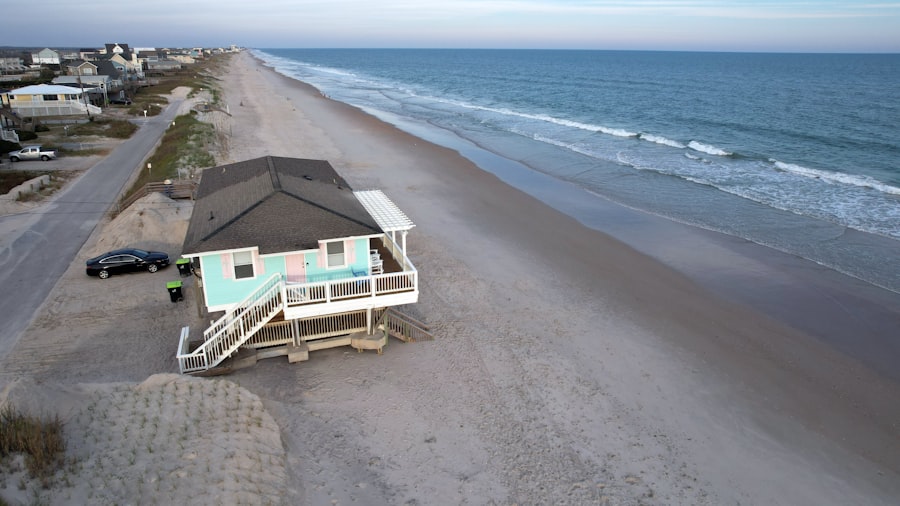
Proactive mitigation efforts are not only crucial for protecting a property but can also significantly influence insurance premiums. Insurers often provide incentives for homeowners who implement measures to reduce their risk.
Structural Fortification
Reinforcing the physical structure of a property can significantly enhance its resilience to storms and other hazards.
Impact-Resistant Windows and Doors
Upgrading to impact-resistant windows and doors can prevent wind-driven debris from entering the home, thereby reducing interior damage and load on the roof.
Roof Reinforcement
Securing the roof with hurricane clips, stronger fasteners, and ensuring proper attic ventilation can prevent catastrophic roof failure during high winds.
Foundation Strengthening
In some instances, foundation retrofitting or reinforcement may be necessary to counteract the effects of erosion or storm surge, particularly for older homes.
Elevation and Floodproofing
Raising a property above anticipated flood levels is one of the most effective strategies for mitigating flood damage.
Elevation Certificates
An Elevation Certificate, prepared by a licensed surveyor, documents the elevation of a building’s lowest floor relative to the Base Flood Elevation (BFE). This document is often required for flood insurance and can impact premiums.
Flood Vents and Breakaway Walls
Properties in flood-prone areas may benefit from flood vents that allow water to pass through the lowest enclosed areas of the building, reducing hydrostatic pressure. Breakaway walls are designed to fail under hydrostatic pressure, preventing damage to the main structure.
Landscaping and Exterior Maintenance
Careful attention to landscaping and regular maintenance can also contribute to risk reduction.
Landscaping Management
Maintaining healthy vegetation, particularly trees that could pose a falling hazard, is important. Strategic landscaping can also help with drainage.
Regular Maintenance and Inspections
Consistent maintenance of the property, including gutters, drainage systems, and seawalls, can prevent smaller issues from escalating into significant problems during adverse weather.
Navigating the Claims Process
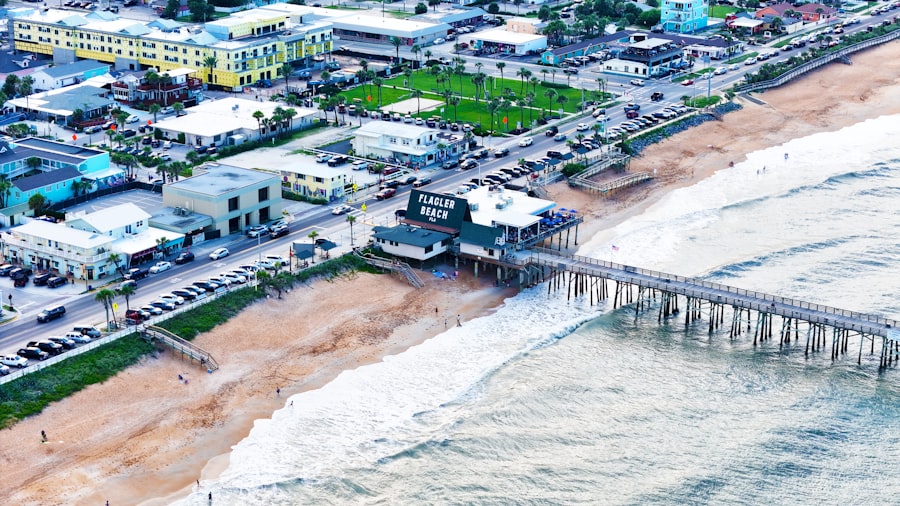
Even with the best mitigation efforts, damage can occur. A clear understanding of the insurance claims process is vital for a smoother and more successful outcome.
Documentation and Record Keeping
Comprehensive documentation collected prior to and after a loss is essential for substantiating a claim.
Pre-Loss Inventory
Creating a detailed inventory of personal property and the dwelling itself, including photographs, videos, and receipts, before any damage occurs can be invaluable when filing a claim.
Post-Loss Documentation
Immediately after damage occurs, it is crucial to document the extent of the loss with photographs and videos. This includes documenting any temporary repairs made to prevent further damage.
Working with Insurers and Adjusters
Effective communication and collaboration with the insurance company and their appointed adjusters are key components of the claims process.
Understanding Policy Limits and Deductibles
Before engaging with the claims process, property owners should have a clear understanding of their policy’s limits of coverage for various perils and their applicable deductibles.
Communicating Effectively
Maintaining clear and professional communication with adjusters and insurance representatives is important. Providing requested documentation promptly and asking clarifying questions can facilitate the process.
Appeals and Dispute Resolution
If a property owner disagrees with an insurance company’s claim decision, there are avenues for dispute resolution.
Internal Appeals Process
Most insurance companies have an internal appeals process. This involves submitting a written appeal detailing the reasons for disagreement and providing any supporting documentation.
External Review Options
If internal appeals are unsuccessful, property owners may consider external review options, such as mediation, arbitration, or legal action, depending on the specific circumstances and jurisdiction.
Coastal properties face unique insurance risks that can significantly impact homeowners and investors alike. As climate change leads to rising sea levels and more frequent storms, understanding these risks becomes essential for anyone involved in coastal real estate. For a deeper insight into the challenges and considerations surrounding insurance for coastal properties, you can read a related article that discusses various factors influencing coverage options and premiums. This information can be invaluable for making informed decisions about property investments and risk management. To explore this topic further, visit this article.
Long-Term Planning and Future Considerations
| Insurance Risks for Coastal Properties |
|---|
| 1. Increased likelihood of damage from hurricanes and tropical storms |
| 2. Higher risk of flooding due to rising sea levels |
| 3. Potential for erosion and loss of property due to coastal erosion |
| 4. Elevated risk of wind and hail damage |
| 5. Increased insurance premiums and deductibles for coastal properties |
The insurance landscape for coastal properties is not static. It is influenced by evolving environmental conditions, regulatory changes, and market forces.
Rising Insurance Costs
Property owners in coastal areas are increasingly experiencing rising insurance premiums. This is a direct consequence of increased claims payouts due to more frequent and severe weather events.
Market Volatility
The coastal insurance market can be volatile. Insurers may reduce their exposure in high-risk areas, leading to reduced availability of coverage or sharply increased prices.
Role of Reinsurance
Reinsurance companies, which insure insurance companies, play a significant role in the coastal market. Changes in the cost and availability of reinsurance can directly impact the premiums charged to policyholders.
Considering Property Relocation or Resale
For some properties, the long-term viability of remaining in a high-risk coastal zone may need to be reassessed.
Market Trends and Property Values
The increasing cost of insurance and the growing threat of sea-level rise and extreme weather events can impact property values and marketability in coastal areas.
Property Relocation Strategies
In some cases, property owners may explore strategies for relocating a property to a lower-risk area or consider the sale of the property if remaining is no longer economically feasible or prudent.
Advocating for Coastal Resilience and Policy Reform
Individual actions are important, but broader systemic changes are also necessary to address the challenges of coastal property insurance.
Community-Based Resilience Initiatives
Engaging in and supporting community-based initiatives focused on coastal resilience, such as dune restoration, infrastructure improvements, and updated building codes, can benefit all property owners in the region.
Policy and Regulatory Responses
Advocating for sound public policy and regulatory frameworks that support coastal resilience, promote responsible development, and ensure the availability of affordable insurance is crucial for the long-term sustainability of coastal communities.
Navigating insurance risks for coastal properties is a multifaceted and ongoing endeavor. It requires diligence in understanding potential threats, careful selection of appropriate insurance coverage, diligent implementation of mitigation strategies, and a proactive approach to the claims process. Furthermore, a long-term perspective that considers evolving environmental conditions and market dynamics is essential for protecting these valuable assets.
FAQs
What are the main insurance risks for coastal properties?
Coastal properties face risks such as hurricanes, storm surges, flooding, erosion, and wind damage. These risks can lead to costly property damage and loss of value.
How does location affect insurance premiums for coastal properties?
The location of a coastal property directly impacts insurance premiums. Properties in high-risk areas, such as those prone to hurricanes or flooding, will generally have higher premiums compared to properties in lower-risk areas.
What types of insurance coverage are available for coastal properties?
Insurance coverage options for coastal properties typically include windstorm insurance, flood insurance, and general homeowners insurance. Additional coverage for specific risks may also be available, such as earthquake insurance in some coastal regions.
What factors do insurance companies consider when assessing risks for coastal properties?
Insurance companies consider factors such as the property’s proximity to the coast, historical weather patterns, construction materials, and the property’s elevation when assessing risks for coastal properties. These factors help determine the likelihood of property damage from natural disasters.
How can coastal property owners mitigate insurance risks?
Coastal property owners can mitigate insurance risks by investing in protective measures such as storm shutters, elevated foundations, and reinforced roofing. Additionally, staying informed about local building codes and regulations can help minimize risks and potentially lower insurance premiums.