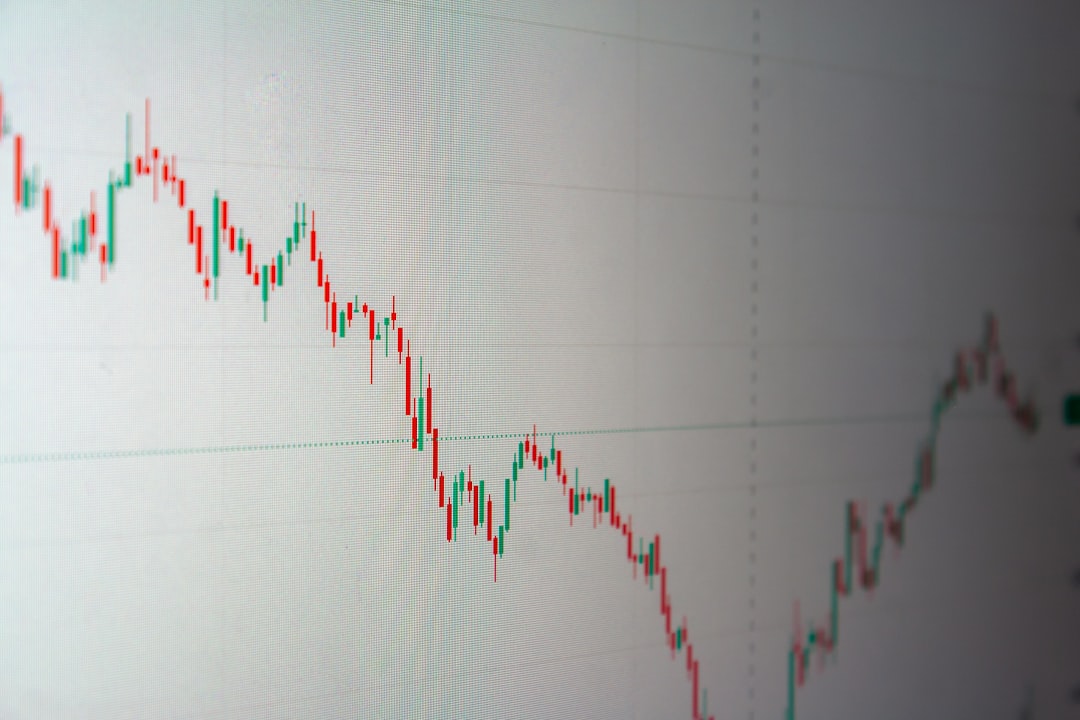
Navigating economic downturns requires a deliberate and strategic approach. These periods, characterized by declining aggregate demand, rising unemployment, and shrinking economic output, present a formidable challenge for individuals, businesses, and governments alike. Understanding the mechanics of a downturn and implementing well-defined strategies can transform it from an insurmountable obstacle into a manageable phase of the economic cycle. This article outlines key strategies for navigating these turbulent times.
Economic downturns are not monolithic events. They can manifest in various forms, from mild recessions to severe depressions. A thorough understanding of the prevailing economic climate is the first step in formulating an effective response.
Defining Different Types of Downturns
- Recession: Typically defined as a significant decline in economic activity spread across the economy, lasting more than a few months, normally visible in real GDP, real income, employment, industrial production, and wholesale-retail sales. The National Bureau of Economic Research (NBER) in the United States, for example, is the official arbiter of recessions.
- Depression: A more severe and prolonged downturn than a recession. While there is no strict definition, it usually involves a sustained decrease in economic output, high unemployment rates, and widespread business failures. The Great Depression of the 1930s remains the most prominent historical example.
- Stagflation: A rare and particularly challenging economic condition characterized by a combination of slow economic growth, high unemployment, and rising inflation. This scenario defies traditional economic models that suggest inflation and unemployment move inversely.
Identifying Key Economic Indicators
Monitoring specific economic indicators provides crucial insights into the health of the economy and the trajectory of a downturn. These indicators act as a compass, guiding decision-making.
- Gross Domestic Product (GDP): The total monetary or market value of all the finished goods and services produced within a country’s borders in a specific time period. A declining GDP is a primary indicator of a recession.
- Unemployment Rate: The percentage of the labor force that is jobless and actively seeking employment. Rising unemployment signals distress in the labor market.
- Inflation Rate: The rate at which the general level of prices for goods and services is rising, and subsequently, purchasing power is falling. High inflation during a downturn can exacerbate financial hardship.
- Consumer Confidence Index: A survey that measures the degree of optimism or pessimism consumers feel about the current and future state of the economy. A sharp decline can predict reduced consumer spending.
- Business Investment and Spending: Levels of capital expenditure and operational spending by businesses. A contraction in this area indicates a lack of confidence in future economic prospects.
- Interest Rates: The cost of borrowing money. Central banks often lower interest rates during a downturn to stimulate economic activity.
Recognizing the Causes of Downturns
Understanding the root causes of an economic downturn is essential for addressing them effectively. These causes can be diverse and interconnected.
- Asset Bubbles Bursting: When the price of assets, such as housing or stocks, becomes overvalued and then experiences a sharp decline, it can trigger a widespread economic contraction.
- Financial Crises: Failures within the financial system, such as bank runs or a collapse of credit markets, can freeze economic activity.
- Supply Shocks: Sudden disruptions to the supply of essential goods or services, like oil price surges, can lead to increased costs and reduced economic output.
- Policy Errors: Inappropriate monetary or fiscal policies by governments or central banks can inadvertently contribute to or worsen a downturn.
- Geopolitical Events: Wars, major political instability, or global pandemics can disrupt trade, supply chains, and investor confidence.
In light of the recent economic downturn, many experts are analyzing its potential long-term effects on various sectors. A related article that delves into the implications of this downturn and offers insights into recovery strategies can be found at this link. It discusses how businesses can adapt to changing market conditions and highlights the importance of resilience in times of financial uncertainty.
Financial Resilience and Prudent Management
During an economic downturn, financial resilience becomes paramount. This involves not only preserving existing resources but also adopting a disciplined approach to financial management.
Building and Maintaining Emergency Funds
- The Importance of a Safety Net: An emergency fund acts as a financial shield against unexpected job losses, medical emergencies, or significant reductions in income. During a downturn, the likelihood of such events increases.
- Determining an Adequate Fund Size: Financial experts generally recommend having three to six months’ worth of essential living expenses saved. In an uncertain economic environment, aiming for a larger buffer, perhaps six to twelve months, can provide greater peace of mind.
- Where to Keep Emergency Funds: These funds should be held in easily accessible, liquid accounts, such as high-yield savings accounts or money market accounts. The primary goal is accessibility, not maximizing returns, during this phase.
Debt Management and Reduction Strategies
High levels of debt can become a significant burden during an economic downturn as income may decrease while the cost of servicing that debt remains constant or even increases. A proactive approach to debt is crucial.
- Prioritizing High-Interest Debt: Employing strategies like the debt snowball or debt avalanche method can accelerate debt repayment. The avalanche method, which prioritizes paying off debts with the highest interest rates first, often proves more cost-effective in the long run.
- Negotiating with Creditors: If facing difficulties in making payments, individuals and businesses should not hesitate to contact creditors. Many lenders are willing to work out payment plans, temporary deferrals, or reduced interest rates during challenging economic times.
- Avoiding New Debt: During a downturn, incurring new debt, especially for non-essential items, should be avoided unless absolutely necessary. The increased risk associated with borrowing in an uncertain environment makes it a particularly precarious decision.
Reviewing and Adjusting Budgets
A detailed and realistic budget is an indispensable tool for navigating financial challenges. It provides a clear picture of income and expenditure, allowing for informed adjustments.
- Identifying Non-Essential Expenses: Scrutinizing spending patterns to identify areas where discretionary spending can be reduced is essential. This might include entertainment, dining out, or luxury purchases.
- Tracking Income and Outgoings Diligently: Consistent tracking of all income sources and all expenses ensures that the budget remains relevant and accurate. This disciplined approach allows for quick identification of deviations and necessary corrections.
- Creating Realistic Spending Goals: Setting achievable spending targets for different categories helps to maintain discipline and provides a benchmark for progress.
Strategic Business Adaptation

For businesses, an economic downturn is a stress test that can reveal weaknesses but also create opportunities for innovation and strategic repositioning.
Cost Optimization and Efficiency Improvements
Reducing operational costs without compromising core business functions is a key strategy for maintaining profitability during lean times.
- Streamlining Operations: Analyzing existing business processes to identify and eliminate redundancies or inefficiencies can lead to significant cost savings. This might involve adopting leaner operational models or implementing new technologies.
- Negotiating with Suppliers: Businesses can often find opportunities to renegotiate terms with suppliers, seeking better pricing or payment arrangements. Building strong supplier relationships can be advantageous in this regard.
- Managing Inventory Effectively: Overstocking can tie up valuable capital. Implementing just-in-time inventory systems or optimizing stock levels can free up cash flow and reduce holding costs.
Diversifying Revenue Streams
Reliance on a single product or market can be precarious during a downturn. Diversification can create a more robust and resilient business model.
- Exploring New Market Niches: Identifying underserved or emerging market segments can open up new avenues for revenue generation. This requires thorough market research and an understanding of evolving consumer needs.
- Developing Complementary Products or Services: Offering related products or services can capture additional customer spending and create cross-selling opportunities.
- Adapting Business Models for Online Channels: The digital landscape offers extensive opportunities for reaching new customers and reducing overhead. Investing in e-commerce capabilities and digital marketing can be a strategic move.
Fostering Innovation and Agility
Economic downturns can accelerate the obsolescence of existing products and services. Businesses that embrace innovation and maintain agility are better positioned to adapt and thrive.
- Investing in Research and Development (R&D): While it may seem counterintuitive, continued investment in R&D can lead to the development of new, in-demand products or services that can provide a competitive edge.
- Cultivating an Agile Organizational Culture: Encouraging flexibility, rapid decision-making, and a willingness to pivot in response to changing market conditions is crucial for navigating uncertainty. This can involve empowering employees and fostering cross-functional collaboration.
- Monitoring Competitor Activities and Market Trends: Staying informed about what competitors are doing and anticipating shifts in consumer behavior and technological advancements allows businesses to proactively adjust their strategies.
Investing in Human Capital and Skill Development
During economic shifts, the skills and adaptability of the workforce become even more critical. Both individuals and organizations must prioritize learning and development.
Upskilling and Reskilling the Workforce
- Identifying Future Skill Demands: As the economy evolves, so do the skills required for success. Businesses and individuals should proactively identify emerging skill gaps and invest in training to bridge them.
- Leveraging Online Learning Platforms: The proliferation of online courses and certifications provides accessible and often affordable avenues for individuals to acquire new skills or deepen existing ones.
- Internal Training Programs: Organizations can develop or enhance their own training programs to equip employees with the skills needed for current and future roles, fostering loyalty and retaining talent.
Nurturing Employee Engagement and Morale
Employee morale can be significantly impacted by economic uncertainty. Maintaining a motivated and engaged workforce is crucial for productivity and resilience.
- Transparent Communication: Keeping employees informed about the company’s financial situation and its strategies for navigating the downturn can reduce anxiety and build trust.
- Recognizing and Rewarding Contributions: Acknowledging and celebrating employee achievements, even small ones, can significantly boost morale.
- Providing Support and Resources: Offering resources for mental health, financial planning, or career guidance can help employees manage personal challenges exacerbated by the economic climate.
Encouraging Entrepreneurship and Intrapreneurship
Downturns can be fertile ground for new ideas and ventures. Encouraging an entrepreneurial spirit, both internally within companies and externally in the broader economy, can drive innovation and job creation.
- Supporting Internal Innovation: Businesses can create programs that encourage employees to propose and develop new ideas, fostering a culture of innovation from within.
- Access to Mentorship and Funding: For aspiring entrepreneurs, access to mentorship from experienced professionals and opportunities for seed funding can be instrumental in bringing new ventures to life.
- Adapting to Market Needs: Entrepreneurial endeavors that directly address the unmet needs or changing priorities of consumers and businesses during a downturn are more likely to succeed.
As the global economy faces significant challenges, many are looking for insights into the factors contributing to the current economic downturn. A related article discusses the impact of inflation and rising interest rates on consumer spending, which can provide valuable context for understanding these turbulent times. For more information, you can read the article here.
Long-Term Vision and Strategic Planning
| Metric | Description | Typical Impact During Economic Downturn |
|---|---|---|
| GDP Growth Rate | Measures the rate at which a country’s economy is growing or shrinking | Negative or significantly reduced growth |
| Unemployment Rate | Percentage of the labor force that is unemployed and actively seeking work | Increase in unemployment |
| Consumer Confidence Index | Measures how optimistic or pessimistic consumers are about the economy | Decline in consumer confidence |
| Inflation Rate | Rate at which the general level of prices for goods and services is rising | May decrease or experience deflation |
| Stock Market Index | Represents the performance of a group of stocks | Decline in stock market values |
| Business Investment | Spending by businesses on capital goods | Reduction in business investment |
| Retail Sales | Measures consumer spending on retail goods | Decrease in retail sales |
| Government Debt | Total amount of money the government owes | Often increases due to stimulus and support measures |
While immediate survival is essential during an economic downturn, maintaining a long-term perspective is crucial for future growth and stability.
Scenario Planning and Risk Management
- Developing Multiple Future Scenarios: Instead of focusing on a single prediction, businesses should develop plausible scenarios for how the economic landscape might evolve and plan their strategies accordingly.
- Identifying and Mitigating Key Risks: A thorough risk assessment process should identify potential threats, such as supply chain disruptions, changes in consumer demand, or regulatory shifts, and develop strategies to mitigate their impact.
- Building Flexibility into Strategic Plans: Strategic plans should be designed with flexibility in mind, allowing for adjustments as new information emerges or circumstances change.
Identifying and Capitalizing on Emerging Opportunities
Economic downturns, while challenging, often create new opportunities for those who are prepared to seize them.
- Market Consolidation: Financially sound businesses may find opportunities to acquire competitors that are struggling, leading to market expansion and increased competitive advantage.
- Shifting Consumer Preferences: Downturns can fundamentally alter consumer behavior and preferences. Businesses that can identify and respond to these shifts can gain a significant advantage.
- Technological Advancements: Periods of economic disruption can accelerate the adoption of new technologies, creating opportunities for businesses that can leverage these innovations.
Maintaining a Focus on Core Values and Mission
Amidst the turbulence of an economic downturn, it is essential for individuals and organizations to remain anchored to their core values and long-term mission. This provides a stable foundation upon which to build and adapt. It ensures that while navigating the choppy waters of economic hardship, the ultimate destination remains clear. The strategies outlined above serve as the rudder and sails, guiding the journey towards a more stable economic horizon.
FAQs
What is an economic downturn?
An economic downturn is a period when the economy of a country experiences a decline in activity, typically marked by reduced industrial production, lower consumer spending, rising unemployment, and decreased business profits.
What causes an economic downturn?
Economic downturns can be caused by various factors including financial crises, high inflation, reduced consumer confidence, decreased investment, geopolitical events, or external shocks such as natural disasters or pandemics.
How is an economic downturn different from a recession?
An economic downturn is a broad term describing any period of economic decline, while a recession is a specific type of downturn defined as two consecutive quarters of negative GDP growth.
What are the common effects of an economic downturn?
Common effects include increased unemployment, lower consumer and business spending, reduced industrial output, falling stock markets, and sometimes deflation or inflation depending on the circumstances.
How can governments respond to an economic downturn?
Governments may respond by implementing fiscal stimulus measures such as increased public spending or tax cuts, adjusting monetary policy to lower interest rates, providing support to affected industries, and enacting policies to stabilize financial markets.