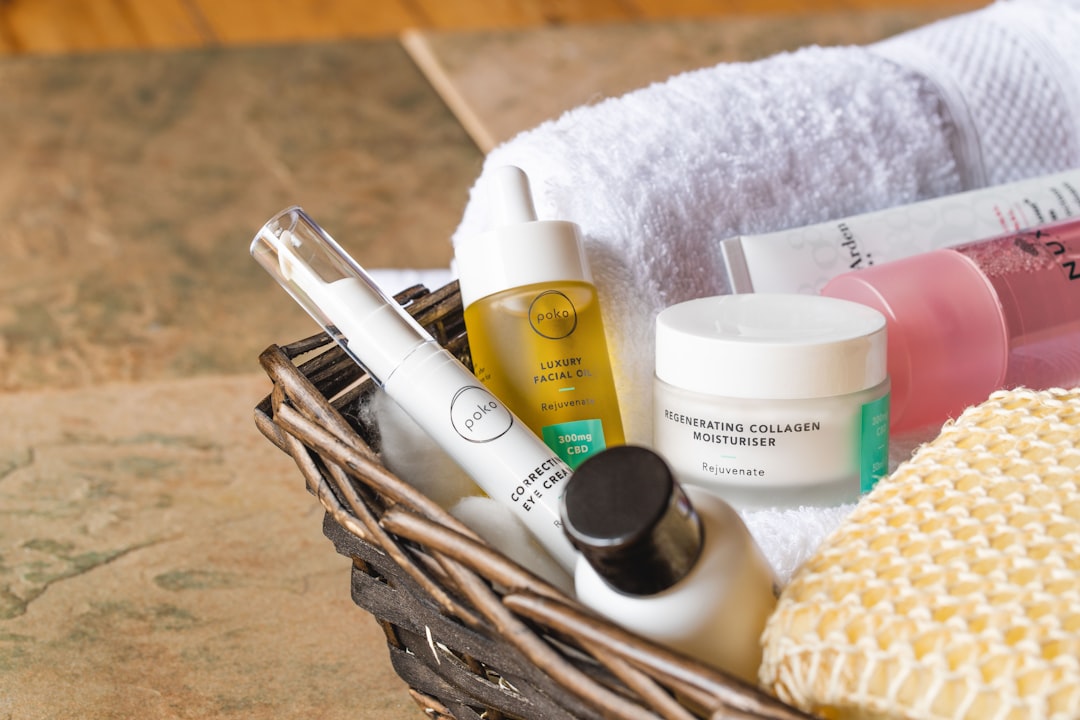
You are part of a growing wave, a tide turning against the synthetic storm that has long washed over your bathroom cabinets. For years, you’ve been bombarded with promises of eternal youth, flawless complexions, and the allure of innovation, all delivered through a cocktail of chemicals. But a quiet revolution is brewing, a rediscovery of nature’s potent pharmacopoeia, offering you a sanctuary from the potentially harmful ingredients lurking in conventional skincare. This is the realm of natural skincare, where purity meets efficacy, and your well-being takes precedence.
The term “toxic” often conjures images of potent poisons, but in the context of skincare, it refers to ingredients that, while perhaps not immediately life-threatening, can accumulate in your body over time, disrupt your endocrine system, or trigger allergic reactions and sensitivities. You might be accustomed to seeing long, unfamiliar chemical names on product labels, a labyrinth of jargon that can feel overwhelming. However, understanding some of the common culprits can empower you to make more informed choices.
The Usual Suspects: Common Chemical Concerns
- Parabens: These are preservatives designed to prevent the growth of bacteria and mold in your products. While effective, studies have linked parabens to potential endocrine disruption, meaning they can interfere with your hormones. You might find them listed as methylparaben, propylparaben, butylparaben, or ethylparaben. They are like tiny saboteurs, subtly undermining your body’s delicate hormonal balance.
- Phthalates: These are plasticizers often found in fragrances to help them last longer. They are also known endocrine disruptors and have been linked to reproductive issues. You may see them listed simply as “fragrance” or “parfum” without a specific breakdown of ingredients, which can make identification challenging. Phthalates are the silent accomplices, hiding in plain sight and contributing to a larger problem.
- Sulfates (SLS/SLES): Sodium Lauryl Sulfate (SLS) and Sodium Laureth Sulfate (SLES) are foaming agents that create the lather you associate with clean. However, they can be harsh and strip your skin of its natural oils, leading to dryness, irritation, and even exacerbating conditions like eczema. Think of them as harsh scrubbers, leaving your skin stripped bare and vulnerable.
- Formaldehyde Releasers: These are preservatives that release formaldehyde, a known carcinogen. They are often found in nail polishes, but can also be present in other beauty products. Examples include DMDM hydantoin, imidazolidinyl urea, and diazolidinyl urea. These are the Trojan horses of skincare, introducing a dangerous element disguised as a functional ingredient.
- Synthetic Fragrances: As mentioned with phthalates, the term “fragrance” can encompass a complex blend of hundreds of chemicals, many of which are unknown to the consumer. These can be irritants and allergens, causing headaches, respiratory issues, and skin reactions. The allure of a pleasant scent can, in this case, mask a multitude of potential problems.
The “Natural” Misconception: Greenwashing in Action
The rise of natural skincare has also given rise to “greenwashing,” where brands use nature-inspired marketing without genuinely offering truly natural or safe products. You might see labels adorned with leaves and flowers, while still containing a host of synthetic chemicals. It’s crucial to look beyond the superficial and scrutinize the ingredient list. The aesthetic can be a comforting blanket, but it doesn’t guarantee the quality of the contents beneath.
If you’re interested in exploring natural alternatives to toxic skincare products, you might find the article on this topic particularly enlightening. It discusses various organic ingredients that can replace harmful chemicals commonly found in commercial skincare items. For more information, check out the article here: Natural Alternatives to Toxic Skincare.
The Pillars of Natural Skincare: What to Look For
When you embark on your journey into natural skincare, you are essentially seeking out products that work in harmony with your body and the environment. This involves understanding the principles behind natural formulations and recognizing the ingredients that champion purity and efficacy.
Harnessing Plant Power: The Multifaceted Benefits of Botanicals
Nature has provided an incredible bounty of ingredients, each with unique properties that can nourish, protect, and revitalize your skin. You’ll find yourself drawn to the power of plants, their ability to deliver targeted benefits without the harshness of synthetic compounds.
- Oils and Butters: Plant-based oils like jojoba, argan, rosehip, and coconut oil are rich in essential fatty acids, vitamins, and antioxidants. They mimic your skin’s natural sebum, making them readily absorbed and incredibly effective moisturizers. Shea butter and cocoa butter offer deep hydration and a protective barrier. These are the skin’s best friends, providing essential nourishment and support.
- Herbal Extracts: Extracts from chamomile, calendula, green tea, and aloe vera are renowned for their soothing, anti-inflammatory, and antioxidant properties. They can calm irritation, reduce redness, and protect your skin from environmental damage. These are the wise elders of the botanical world, offering gentle yet powerful healing.
- Essential Oils: Derived from the aromatic compounds of plants, essential oils like lavender, frankincense, and tea tree oil offer a range of therapeutic benefits. Lavender is calming, frankincense is rejuvenating, and tea tree oil has antibacterial properties. However, it’s crucial to use them diluted in carrier oils, as their potency can be overwhelming when applied directly. They are like concentrated essences, potent and transformative when used with respect.
Vitamins and Minerals: Nature’s Essential Nutrients
Your skin needs vitamins and minerals to function optimally, and natural skincare can deliver these directly.
- Vitamin C: A potent antioxidant, Vitamin C brightens the complexion, combats free radical damage, and stimulates collagen production. You’ll find it in citrus extracts and certain botanical oils. It’s the radiant beacon, illuminating your skin and warding off the shadows of aging.
- Vitamin E: This powerful antioxidant protects your skin from UV damage and supports skin healing. It’s commonly found in wheat germ oil and sunflower oil. It acts as a steadfast guardian, shielding your skin from the daily onslaught.
- Minerals from Clays: Clays like kaolin, bentonite, and French green clay are rich in minerals and have excellent absorbent properties. They can draw out impurities, detoxify pores, and gently exfoliate the skin, leaving it feeling fresh and revitalized. These are the earth’s purifiers, drawing out the impurities that clog your pores.
Navigating the Ingredient List: Becoming an Informed Consumer
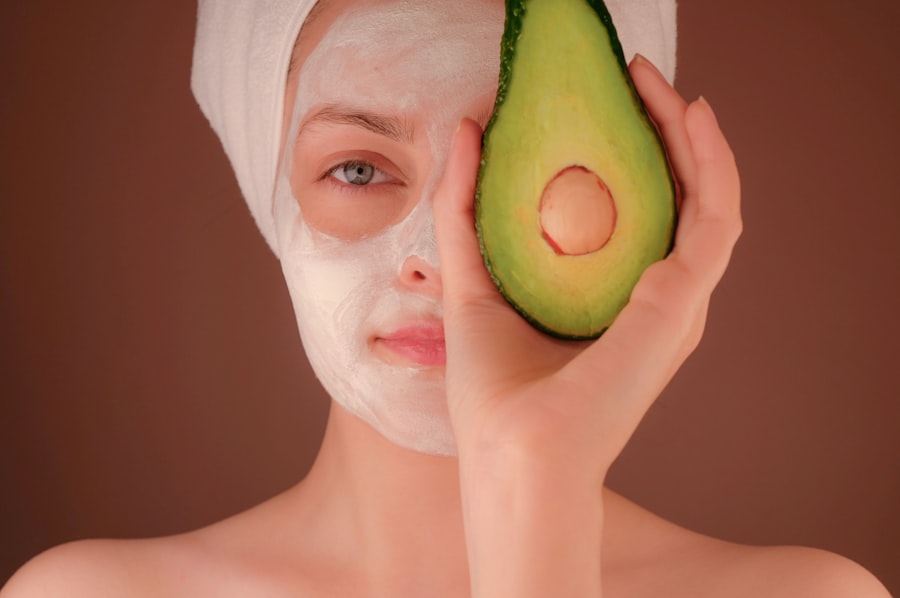
The ingredient list on a skincare product is your roadmap to understanding what you’re putting on your skin. Learning to read and interpret it is a superpower in the world of personal care.
Decoding the Nomenclature: Common Natural Ingredients
- Aqua/Water: This is often the base of many cosmetic formulations, providing hydration.
- Glycerin: A humectant, glycerin draws moisture from the air to your skin, keeping it hydrated.
- Simmondsia Chinensis (Jojoba) Seed Oil: A light, non-comedogenic oil that closely resembles your skin’s natural sebum.
- Butyrospermum Parkii (Shea) Butter: A rich, emollient butter known for its moisturizing and skin-conditioning properties.
- Tocopherol (Vitamin E): A vital antioxidant that protects the skin.
- Ascorbic Acid (Vitamin C): A powerful antioxidant that brightens and rejuvenates the skin.
- Aloe Barbadensis Leaf Juice: Known for its soothing, anti-inflammatory, and healing properties.
What to Watch Out For: A Quick Checklist
Aim to avoid products containing:
- Parabens
- Phthalates
- Sulfates (SLS/SLES)
- Formaldehyde and formaldehyde releasers
- Synthetic fragrances
- Mineral oil and petrolatum (some people prefer to avoid these occlusive agents)
- PEG compounds (often used as emulsifiers)
Your diligence in reading labels is akin to an archaeologist carefully excavating a site, revealing the true composition of what lies beneath the surface.
The Benefits of Embracing Natural Alternatives
The shift to natural skincare is not merely a trend; it’s a conscious decision to prioritize your health and well-being. The advantages extend beyond the absence of synthetics, encompassing a more holistic approach to skin care.
Gentle Efficacy: Working with Your Skin, Not Against It
Natural ingredients are generally gentler on the skin, reducing the risk of irritation, redness, and allergic reactions. They tend to work in synergy with your skin’s natural processes, supporting its barrier function and promoting a healthier complexion over time. You’re not forcing your skin into submission; you’re co-creating with it.
A Kinder Footprint: Environmental Considerations
Many natural skincare brands are committed to sustainable sourcing, ethical production, and eco-friendly packaging. By choosing these products, you are often supporting practices that minimize environmental impact, from reducing plastic waste to protecting biodiversity. Your choice ripples outwards, contributing to a healthier planet.
Long-Term Investment in Your Health
By minimizing your exposure to potentially harmful chemicals, you are making a long-term investment in your overall health. The cumulative effect of using synthetic-laden products can have far-reaching consequences, and a natural approach offers a way to mitigate these risks. You are building a foundation of health, one product at a time.
If you’re looking for ways to enhance your skincare routine while avoiding harmful chemicals, you might find it interesting to explore natural alternatives to toxic skincare products. A related article discusses various plant-based ingredients that can nourish your skin without the risks associated with synthetic additives. For more insights, check out this informative piece on natural skincare options that promote a healthier lifestyle.
Making the Transition: A Gradual and Empowering Journey
| Natural Alternative | Common Toxic Ingredient Replaced | Benefits | Usage | Effectiveness |
|---|---|---|---|---|
| Aloe Vera Gel | Parabens | Soothes skin, anti-inflammatory, hydrating | Apply directly to skin as moisturizer or after sun exposure | High for sensitive and irritated skin |
| Coconut Oil | Petrochemicals | Moisturizes, antibacterial, antioxidant properties | Use as a moisturizer or makeup remover | Moderate to high, may clog pores for some skin types |
| Shea Butter | Synthetic Fragrances | Deeply moisturizing, anti-inflammatory, rich in vitamins | Apply as body butter or lip balm | High for dry and sensitive skin |
| Green Tea Extract | Phthalates | Antioxidant, anti-aging, reduces redness | Use in toners, serums, or masks | High for anti-aging and calming effects |
| Jojoba Oil | Mineral Oil | Balances oil production, non-comedogenic, moisturizing | Apply as facial oil or mixed with moisturizer | High for oily and combination skin |
| Honey | Sulfates | Antibacterial, moisturizing, promotes healing | Use as a face mask or cleanser ingredient | High for acne-prone and dry skin |
Switching to natural skincare doesn’t have to be an overnight transformation. You can gradually integrate new products into your routine, allowing your skin to adjust and giving you the opportunity to discover what works best for you.
Patch Testing: Your Skin’s Personal Trial Run
Before slathering a new product all over your face, perform a patch test. Apply a small amount to an inconspicuous area, like behind your ear or on your inner wrist, and wait 24-48 hours to check for any adverse reactions. This is your skin’s personal vetting process.
Gradual Integration: A Stepping Stone Approach
Begin by replacing one or two of your most frequently used products with natural alternatives. For instance, you might start with your cleanser or moisturizer, as these are staples in any routine. This way, you can observe the effects without overwhelming your skin. Each successful swap is a small victory on your path to a cleaner routine.
Listening to Your Skin: The Ultimate Guide
Ultimately, your skin is the best indicator of what works for you. Pay attention to how it feels and looks after using a new product. Does it feel hydrated and calm, or tight and irritated? Trust your instincts and adjust your routine accordingly. Your skin is a wise narrator, telling you its story.
The transition to natural skincare is more than just a cosmetic decision; it’s an act of self-care, a commitment to your health, and a contribution to a more sustainable future. By casting aside the synthetic tide and embracing nature’s embrace, you are not just cleansing your skin; you are nourishing your body and empowering yourself with knowledge. The journey is one of discovery, where the purest ingredients reveal the most beautiful results, not just on your skin, but within your overall well-being.
FAQs
What are natural alternatives to toxic skincare products?
Natural alternatives to toxic skincare products include ingredients derived from plants, minerals, and other natural sources that do not contain harmful chemicals such as parabens, sulfates, synthetic fragrances, and phthalates. Examples include aloe vera, coconut oil, shea butter, tea tree oil, and green tea extract.
Why should I consider using natural skincare products instead of conventional ones?
Natural skincare products are often gentler on the skin and less likely to cause irritation or allergic reactions. They typically avoid harmful chemicals that can disrupt hormones or cause long-term health issues. Additionally, natural products are often more environmentally friendly and biodegradable.
Are natural skincare products as effective as conventional toxic skincare products?
Many natural skincare products are effective for cleansing, moisturizing, and treating various skin conditions. However, their effectiveness can vary depending on the formulation and individual skin type. It is important to choose products with proven natural ingredients and to patch test new products.
How can I identify toxic ingredients in skincare products?
Toxic ingredients to watch out for include parabens, sulfates (like sodium lauryl sulfate), synthetic fragrances, phthalates, formaldehyde releasers, and certain preservatives like methylisothiazolinone. Reading ingredient labels carefully and using apps or websites that rate product safety can help identify harmful components.
Can natural skincare products cause allergic reactions or sensitivities?
Yes, natural skincare products can still cause allergic reactions or sensitivities, especially if they contain essential oils, botanical extracts, or nuts. It is important to perform a patch test before using a new product extensively and to consult with a dermatologist if you have sensitive skin or allergies.