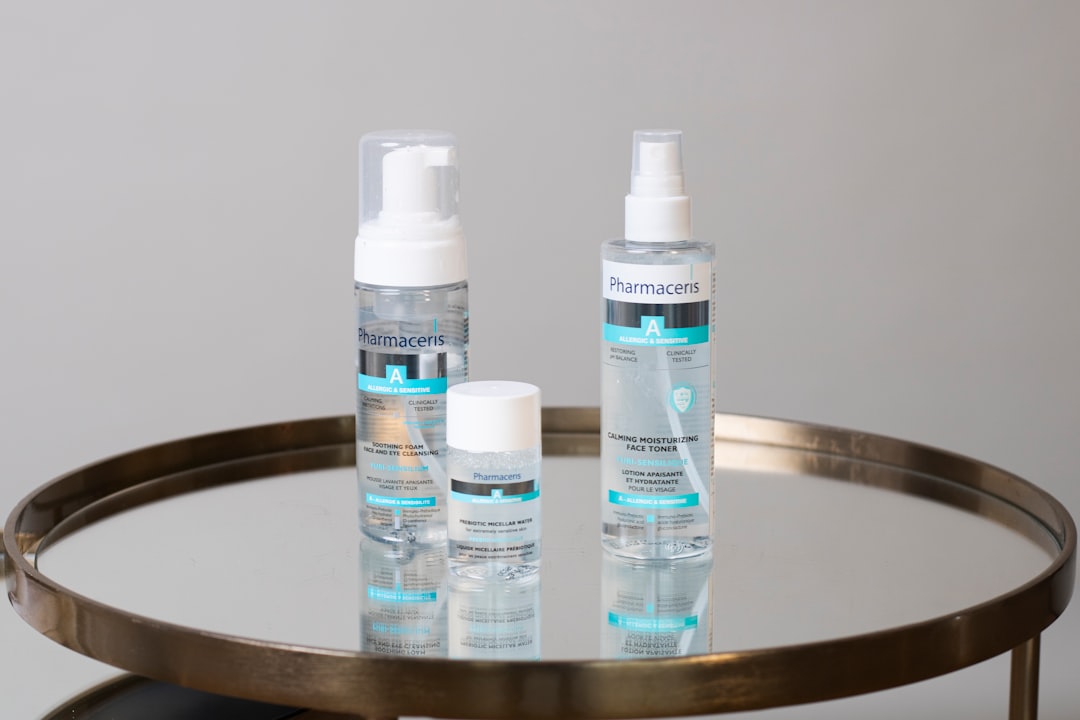
To embark on a journey toward toxin-free living, you must first recognize that your skin, your body’s largest organ, acts as a gateway. It is a permeable barrier, absorbing substances from your environment, including those you apply topically. Therefore, establishing a natural skincare routine is not merely about achieving aesthetic goals; it is a fundamental act of self-preservation, shielding yourself from a silent onslaught of synthetic chemicals that can disrupt your endocrine system, trigger inflammation, and contribute to a cumulative toxic burden. This guide will illuminate the path to a skincare regimen that aligns with a commitment to a cleaner, healthier existence.
You may unknowingly be exposing yourself to a cocktail of detrimental ingredients through your daily skincare products. These chemicals, often found in conventional formulations, are designed for efficacy and preservation, but their long-term effects on human health and the environment are a growing concern.
Common Culprits in Your Bathroom Cabinet
The shelves of your bathroom likely house products containing a range of synthetic chemicals. Familiarize yourself with these common offenders, as they are the primary targets for elimination in your transition to natural skincare.
Parabens: The Endocrine Disruptors
Parabens, such as methylparaben, propylparaben, and butylparaben, are commonly used as preservatives in cosmetics and personal care products. Their primary function is to prevent the growth of bacteria, mold, and yeast, thereby extending shelf life. However, these compounds are known to mimic estrogen in the body, earning them the moniker of endocrine disruptors. This means they can interfere with your natural hormone balance, potentially leading to a cascade of health issues. Research has linked paraben exposure to reproductive problems, including decreased fertility in men and an increased risk of certain hormone-sensitive cancers. They are also capable of crossing the placental barrier, raising concerns about prenatal exposure.
Phthalates: The Plasticizers
Phthalates are a group of chemicals used to make plastics more flexible and harder to break. In skincare, they are often found in fragrances, nail polish, hair sprays, and lotions, where they serve to help scents last longer or improve product texture. Like parabens, phthalates are also considered endocrine disruptors. They have been associated with reproductive developmental issues in males, including reduced sperm count and quality, as well as potential links to asthma and allergies. The pervasive nature of phthalates means they can be absorbed through the skin or inhaled.
Sulfates: The Harsh Cleansers
Sodium Lauryl Sulfate (SLS) and Sodium Laureth Sulfate (SLES) are surfactants widely used in shampoos, body washes, and toothpastes for their powerful cleansing and foaming properties. They work by breaking down oil and grime, creating that satisfying lather. However, their effectiveness comes at a cost. Sulfates are notoriously stripping, removing not only dirt but also essential natural oils from your skin and hair. This can lead to dryness, irritation, redness, and a compromised skin barrier, leaving you more vulnerable to environmental aggressors. For individuals with sensitive skin or conditions like eczema and psoriasis, sulfates can exacerbate symptoms considerably.
Synthetic Fragrances: The Allergenic Bombshells
The term “fragrance” or “parfum” on an ingredient list can be a catch-all for hundreds of undisclosed chemicals, many of which are known allergens and irritants. Companies are not required to disclose the specific components of their proprietary fragrance blends, making it difficult to identify potential triggers. These synthetic scent compounds are a leading cause of allergic contact dermatitis and can trigger headaches, respiratory issues, and even asthmatic reactions in sensitive individuals. The pleasant aroma you experience might be masking a microscopic battlefield on your skin.
Formaldehyde Releasers: The Preservative Paradox
Certain preservatives, such as DMDM hydantoin, imidazolidinyl urea, and quaternium-15, work by gradually releasing small amounts of formaldehyde. Formaldehyde is a known carcinogen and a potent skin irritant. While the amounts released are typically low, their continuous application over time through multiple products can lead to a cumulative exposure that raises health concerns. These preservatives are frequently found in hair products, cosmetics, and even baby wipes.
The Environmental Footprint of Conventional Products
Beyond your personal health, the ingredients in conventional skincare products have a significant impact on the environment. Chemicals such as microbeads (now banned in many regions but still present in older formulations or in areas with less stringent regulations) end up in waterways, harming marine life. Moreover, the manufacturing processes for synthetic chemicals often contribute to pollution and resource depletion.
Microplastics: The Invisible Polluters
Microbeads, tiny plastic particles, were once common in exfoliants and cleansers. Though their use is diminishing due to regulatory action, their legacy persists. These non-biodegradable particles pass through wastewater treatment plants and enter aquatic ecosystems, where they are ingested by marine organisms, entering the food chain. Even when not explicitly microbeads, many synthetic ingredients can contribute to microplastic pollution.
Chemical Runoff: Contaminating Waterways
When you rinse conventional skincare products down the drain, the synthetic chemicals they contain enter the water system. These chemicals can persist in the environment, disrupting aquatic ecosystems and potentially contaminating drinking water sources. The long-term consequences of this pervasive chemical runoff are still being studied but are a cause for significant environmental concern.
For those interested in enhancing their skincare routine while embracing toxin-free living, a great resource can be found in the article titled “The Ultimate Guide to Natural Skincare.” This article offers insights into selecting products that are free from harmful chemicals and provides tips on how to create a personalized skincare regimen that promotes healthy, radiant skin. To explore this valuable information, visit here.
Building Your Natural Skincare Foundation: The Power of Purity
Transitioning to a natural skincare routine is akin to carefully selecting the building blocks for your home. You want structural integrity, beauty, and a healthy living environment, all derived from unadulterated sources. This involves understanding the fundamental principles of natural skincare and the role of each step.
The Core Principles of a Natural Routine
A natural skincare routine emphasizes gentle, effective cleansing, nourishing hydration, and targeted treatment using ingredients sourced from nature, devoid of synthetic additives.
Gentle Cleansing: Respecting Your Skin’s Barrier
Your skin’s natural barrier is your first line of defense against environmental stressors. Harsh cleansing strips this barrier, leaving your skin vulnerable. Natural cleansers aim to remove impurities without disrupting this delicate ecosystem.
Oil Cleansing Method: Dissolving Impurities with Nature’s Solvents
The oil cleansing method is a time-tested technique that leverages the principle “like dissolves like.” By using natural oils as your cleanser, you effectively dissolve excess sebum, dirt, makeup, and other impurities without stripping your skin’s natural oils. This method is suitable for all skin types, including oily and acne-prone skin.
- Mechanism: Certain natural oils, when massaged onto the skin, can penetrate and loosen the hardened sebum and waxy buildup in your pores. When followed by a warm, damp cloth, the oil, along with the dissolved impurities, is gently lifted away.
- Suitable Oils:
- For Oily/Acne-Prone Skin: Jojoba oil, castor oil (in small amounts), grapeseed oil. These oils have a composition similar to sebum and can help regulate oil production.
- For Dry/Mature Skin: Sweet almond oil, avocado oil, olive oil. These are richer in fatty acids and provide nourishment.
- For Combination Skin: A blend of lighter and richer oils, such as jojoba and olive oil.
- Application: Apply a generous amount of oil to dry skin. Gently massage in circular motions for 1-2 minutes, allowing the oil to work. Place a warm, damp washcloth over your face for 30 seconds to steam and soften the impurities. Gently wipe away the oil with the cloth in a downward motion. Rinse the cloth and repeat until all oil residue is removed.
Cream and Lotion Cleansers: Gentle Emulsions for Sensitive Skin
For those who find oil cleansing too intensive or prefer a more traditional cleansing experience, natural cream and lotion cleansers offer a gentle alternative. These formulations typically consist of a blend of plant-based oils, butters, and mild surfactants that effectively remove impurities without causing dryness or irritation.
- Key Ingredients: Look for cleansers rich in ingredients like shea butter, coconut oil, sunflower oil, and glycerin. These provide moisturizing and emollient properties. Mild, plant-derived surfactants like coco-glucoside or decyl glucoside are preferred over harsh sulfates.
- Benefits: They are excellent for dry, sensitive, or mature skin, leaving the skin feeling soft and hydrated post-cleansing. They are also effective at removing light makeup.
Hydration and Nourishment: Quenching Your Skin’s Thirst
Once cleansed, your skin needs replenishment. Natural moisturizers work to lock in moisture, support the skin barrier, and deliver essential nutrients.
Facial Oils: Concentrated Nutrient Powerhouses
Facial oils are not just for oil cleansing; they are potent moisturizers and deliver a concentrated dose of beneficial fatty acids, vitamins, and antioxidants directly to your skin. They can penetrate deep into the skin to provide lasting hydration and support skin health.
- Choosing the Right Oil: Similar to oil cleansing, select facial oils based on your skin type and concerns.
- For Oily/Acne-Prone Skin: Rosehip seed oil (rich in linoleic acid, which can help balance sebum production), squalane, marula oil.
- For Dry/Dehydrated Skin: Argan oil (rich in vitamin E and fatty acids), avocado oil, borage oil (high in GLA).
- For Mature Skin: Pomegranate seed oil (antioxidant-rich), baobab oil (rich in omega fatty acids).
- For Sensitive Skin: Chamomile oil, calendula oil (known for their anti-inflammatory properties).
- Application: Apply a few drops of facial oil to damp skin after cleansing and toning. Gently press it into your skin to aid absorption.
Botanical Butters: Rich Emollients for Barrier Support
Natural butters like shea butter and cocoa butter are rich in fatty acids and vitamins, offering intense nourishment and sealing in moisture. They are particularly beneficial for very dry or compromised skin.
- Shea Butter: Sourced from the nuts of the African shea tree, it is rich in vitamins A and E, and cinnamic acid, which offers UV protection. It is highly emollient and can help soothe and heal dry, cracked skin.
- Cocoa Butter: Derived from cocoa beans, it is packed with antioxidants and fatty acids that help improve skin elasticity and hydration. It has a characteristic chocolatey scent and a rich texture.
- Application: A small amount of butter can be applied to very dry areas like elbows, knees, and heels. For facial application, opt for formulations where butters are blended with lighter oils to avoid a heavy feeling.
Toning: Rebalancing and Preparing the Skin
Toners are an essential, often overlooked, step in a natural skincare routine. They help to remove any residual cleansing impurities, rebalance the skin’s pH, and prepare it to better absorb subsequent products.
Hydrosols: The Gentle Aromatic Waters
Hydrosols, also known as floral waters, are the aromatic co-products of steam distillation when essential oils are extracted from plant matter. They contain water-soluble compounds from the plant and possess therapeutic properties, albeit in a milder form than essential oils.
- Types and Benefits:
- Rose Hydrosol: Soothing, hydrating, and anti-inflammatory. Excellent for sensitive and dry skin.
- Chamomile Hydrosol: Calming and anti-inflammatory. Ideal for irritated or sensitive skin.
- Lavender Hydrosol: Soothing and balancing. Can help calm redness and minor irritations.
- Witch Hazel Hydrosol: Astringent and anti-inflammatory. Can help tighten pores and reduce oiliness (ensure it’s alcohol-free).
- Application: Spritz directly onto clean skin or apply with a reusable cotton pad.
Herbal Infusions: Personalized Potions for Your Skin
For the DIY enthusiast, creating your own herbal infusions provides a direct connection to the plants’ healing properties. These are essentially teas made from herbs, strained and cooled for topical application.
- Common Herbs: Calendula (soothing), chamomile (calming), peppermint (refreshing), green tea (antioxidant).
- Preparation: Steep dried or fresh herbs in hot (not boiling) distilled water for 15-30 minutes. Strain thoroughly and let cool completely before use. Store in the refrigerator for up to a week.
Nourishing Your Skin from Within: The Diet-Skin Connection
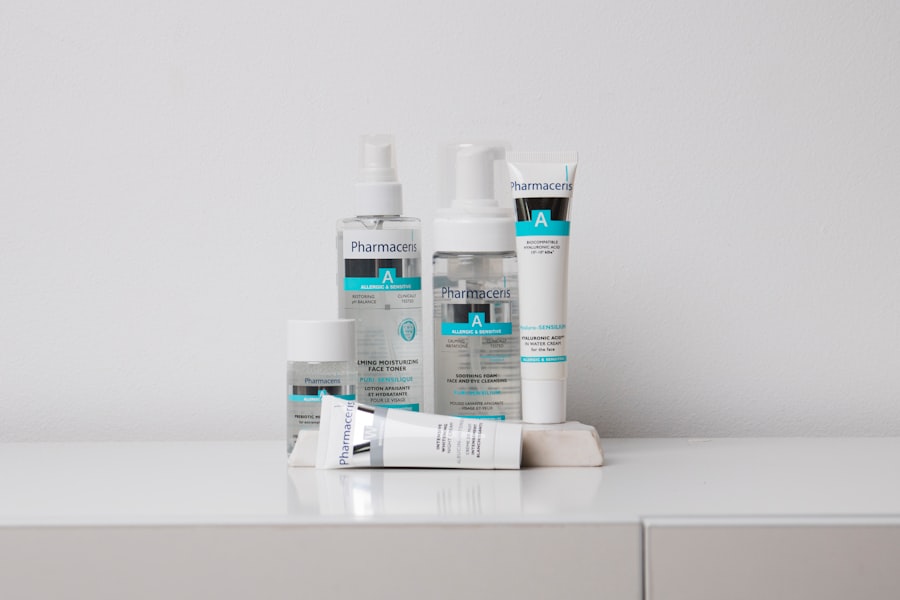
Your skincare routine extends beyond topical applications. What you put into your body is as crucial, if not more so, than what you apply to your skin. A nutrient-rich diet is the bedrock of healthy, radiant skin.
The Pillars of a Toxin-Free Diet for Skin Health
Focus on whole, unprocessed foods, rich in antioxidants, healthy fats, and essential vitamins and minerals.
Antioxidant Powerhouses: Fighting Free Radical Damage
Antioxidants are your skin’s valiant soldiers, combating the damaging effects of free radicals, which are unstable molecules that contribute to premature aging and inflammation.
- Berries: Blueberries, raspberries, strawberries, and cranberries are packed with anthocyanins, powerful antioxidants.
- Leafy Greens: Spinach, kale, and collard greens are rich in vitamins A, C, and E, as well as lutein and zeaxanthin.
- Nuts and Seeds: Almonds, walnuts, sunflower seeds, and flaxseeds provide vitamin E, selenium, and omega-3 fatty acids.
- Vibrant Vegetables: Carrots, sweet potatoes, and bell peppers are excellent sources of beta-carotene, which the body converts to vitamin A.
Healthy Fats: The Building Blocks of a Strong Skin Barrier
Healthy fats are essential for maintaining your skin’s moisture barrier, keeping it supple, hydrated, and resilient.
- Omega-3 Fatty Acids: Found in fatty fish like salmon, mackerel, and sardines, as well as flaxseeds, chia seeds, and walnuts. They have anti-inflammatory properties and help maintain skin hydration.
- Monounsaturated Fats: Present in avocados, olive oil, and nuts. They help to improve skin elasticity and hydration.
Hydration from Within: The Role of Water
Adequate water intake is fundamental for optimal skin function. Dehydration can lead to dullness, dryness, and fine lines becoming more pronounced.
- Target Intake: Aim for at least eight glasses of water per day, adjusting based on your activity level and climate.
- Beyond Plain Water: Herbal teas, infused water with fruits and vegetables, and water-rich foods like cucumbers and watermelon also contribute to your daily hydration.
Embracing DIY Skincare: Unleashing Your Inner Alchemist
Creating your own skincare products allows for complete control over ingredients, ensuring they are pure, potent, and free from any hidden toxins. It is an empowering way to connect with natural remedies.
Simple Recipes for Effective Toxin-Free Products
The beauty of DIY skincare lies in its simplicity. You can achieve remarkable results with just a few high-quality ingredients.
Exfoliating Scrubs: Gently Buffing Away Dead Skin Cells
Exfoliation is crucial for removing dead skin cells that can dull your complexion and clog pores. Natural exfoliants offer a gentle yet effective way to achieve this.
Sugar and Honey Scrub: Sweet and Gentle Exfoliation
- Ingredients:
- 2 tablespoons fine grain sugar (organic cane sugar or raw sugar)
- 1 tablespoon raw honey
- 1 teaspoon of your preferred carrier oil (e.g., jojoba, almond, or olive oil)
- Instructions: Combine all ingredients in a small bowl and mix thoroughly. Apply to damp, clean skin in circular motions, avoiding the eye area. Rinse thoroughly with warm water. Use once or twice a week.
- Benefits: Sugar crystals provide physical exfoliation, while honey is a natural humectant and has antibacterial properties. The carrier oil adds moisture and slip.
Coffee Ground Scrub: Energizing and Aromatic Exfoliation
- Ingredients:
- 2 tablespoons used coffee grounds (ensure they are finely ground)
- 1 tablespoon coconut oil (melted if solid)
- 1 teaspoon brown sugar (optional, for extra grit)
- Instructions: Mix all ingredients until well combined. Gently massage onto damp skin, focusing on areas prone to roughness. Rinse with warm water. Use once a week.
- Benefits: Coffee grounds are excellent physical exfoliants, and the caffeine can have a stimulating effect on the skin, potentially improving circulation and reducing puffiness.
DIY Face Masks: Targeted Treatments for Specific Concerns
Face masks are a luxurious way to deliver concentrated goodness to your skin.
Avocado and Oatmeal Mask: Soothing and Hydrating
- Ingredients:
- ½ ripe avocado, mashed
- 1 tablespoon finely ground oatmeal
- 1 teaspoon honey (optional, for added moisture and antibacterial benefits)
- Instructions: Mash the avocado until smooth. Mix in the ground oatmeal and honey (if using) to form a paste. Apply to a clean face and leave on for 15-20 minutes. Rinse with lukewarm water.
- Benefits: Avocado is rich in healthy fats and vitamins E and C, providing deep hydration and nourishment. Oatmeal is soothing and can help calm irritation.
Turmeric and Yogurt Mask: Brightening and Anti-Inflammatory
- Ingredients:
- 1 teaspoon turmeric powder (use cosmetic grade to avoid staining)
- 2 tablespoons plain, unsweetened yogurt (full-fat is ideal for hydration)
- 1 teaspoon honey (optional)
- Instructions: Mix turmeric powder and yogurt until a smooth paste forms. Add honey if desired. Apply to a clean face, avoiding the eye area. Leave on for 10-15 minutes. Rinse thoroughly with lukewarm water. (Note: Turmeric can temporarily stain skin; use a mild cleanser afterward if needed.)
- Benefits: Turmeric is a potent anti-inflammatory and antioxidant. Yogurt contains lactic acid, a gentle exfoliant that can help brighten the complexion.
Incorporating a skincare routine that promotes toxin-free living is essential for maintaining healthy skin and overall well-being. Many people are unaware of the harmful chemicals present in conventional skincare products, which can lead to various skin issues and health concerns. To learn more about creating a natural skincare regimen, you can explore this insightful article on toxin-free living. By choosing products that are free from synthetic ingredients, you can nourish your skin while also supporting a healthier environment.
Beyond Products: Lifestyle Choices for Toxin-Free Living
| Step | Product/Action | Purpose | Recommended Ingredients | Frequency |
|---|---|---|---|---|
| 1 | Gentle Cleanser | Remove dirt, pollutants, and impurities without harsh chemicals | Aloe Vera, Chamomile, Green Tea Extract | Daily (morning & night) |
| 2 | Toner | Balance skin pH and remove residual impurities | Witch Hazel, Rose Water, Cucumber Extract | Daily (morning & night) |
| 3 | Antioxidant Serum | Protect skin from environmental toxins and free radicals | Vitamin C, Vitamin E, Ferulic Acid | Daily (morning) |
| 4 | Moisturizer | Hydrate and strengthen skin barrier | Shea Butter, Jojoba Oil, Hyaluronic Acid | Daily (morning & night) |
| 5 | Sunscreen | Protect skin from UV damage and environmental toxins | Zinc Oxide, Titanium Dioxide (mineral-based) | Daily (morning, reapply as needed) |
| 6 | Weekly Detox Mask | Draw out toxins and impurities from pores | Bentonite Clay, Charcoal, Tea Tree Oil | Once or twice a week |
| 7 | Exfoliation | Remove dead skin cells and promote cell renewal | Fruit Enzymes, Lactic Acid, Jojoba Beads | 1-2 times per week |
Your commitment to toxin-free living extends beyond your skincare and diet. Incorporating mindful lifestyle practices can significantly reduce your overall toxic load.
Minimizing Environmental Toxin Exposure
The world around you is a source of potential toxins. Becoming aware of these and taking steps to mitigate them is crucial.
Choosing Natural Household Cleaners
Many conventional household cleaning products contain harsh chemicals that can off-gas into your home, impacting air quality and potentially being absorbed through your skin.
- Vinegar and Baking Soda: These simple, inexpensive staples can tackle a wide range of cleaning tasks, from disinfecting surfaces to deodorizing.
- Essential Oils: A few drops of tea tree or lemon essential oil can add antibacterial properties and a pleasant scent to your DIY cleaners.
- Commercial Natural Cleaners: When purchasing ready-made products, look for those certified as eco-friendly and free from harsh chemicals like ammonia, chlorine, and synthetic fragrances.
Reducing Exposure to Indoor Air Pollution
Indoor air can be more polluted than outdoor air, harboring volatile organic compounds (VOCs) from furniture, paints, and cleaning products.
- Ventilation: Open windows regularly to allow fresh air to circulate.
- Houseplants: Certain plants like snake plants and spider plants are known to help filter indoor air.
- Air Purifiers: HEPA filter air purifiers can help remove particulate matter and allergens.
Making Conscious Consumer Choices
From the clothes you wear to the water you drink, every choice you make has an impact. Opting for natural, sustainable alternatives whenever possible is key.
- Organic Cotton and Natural Fibers: Choose clothing and bedding made from organic cotton, linen, or hemp, which are grown without harmful pesticides.
- Filtered Water: Invest in a quality water filter to remove contaminants like chlorine and heavy metals from your tap water.
- Reusable Items: Opt for reusable water bottles, coffee cups, and shopping bags to reduce plastic waste and potential chemical leaching from disposable items.
By diligently adopting a natural skincare routine and integrating these broader toxin-free living principles, you are not just tending to your skin; you are cultivating a healthier, more resilient self, building a sanctuary of well-being from the inside out.
FAQs
What does a toxin-free skincare routine involve?
A toxin-free skincare routine involves using products that are free from harmful chemicals such as parabens, sulfates, phthalates, synthetic fragrances, and artificial dyes. It emphasizes natural, organic, and non-toxic ingredients that are gentle on the skin and environmentally friendly.
Why is it important to avoid toxins in skincare products?
Avoiding toxins in skincare products is important because harmful chemicals can cause skin irritation, allergies, hormonal disruptions, and long-term health issues. Using toxin-free products helps maintain healthy skin and reduces exposure to potentially harmful substances.
How can I identify toxin-free skincare products?
You can identify toxin-free skincare products by reading ingredient labels carefully, looking for certifications such as USDA Organic, EWG Verified, or cruelty-free logos, and choosing brands that prioritize transparency and use natural, non-toxic ingredients.
What are some common natural ingredients used in toxin-free skincare?
Common natural ingredients in toxin-free skincare include aloe vera, chamomile, jojoba oil, shea butter, green tea extract, coconut oil, and essential oils like lavender and tea tree. These ingredients are known for their soothing, moisturizing, and antioxidant properties.
Can a toxin-free skincare routine benefit overall health?
Yes, a toxin-free skincare routine can benefit overall health by reducing exposure to harmful chemicals that may affect the skin and body. It supports skin health, minimizes allergic reactions, and contributes to a cleaner, more sustainable lifestyle.