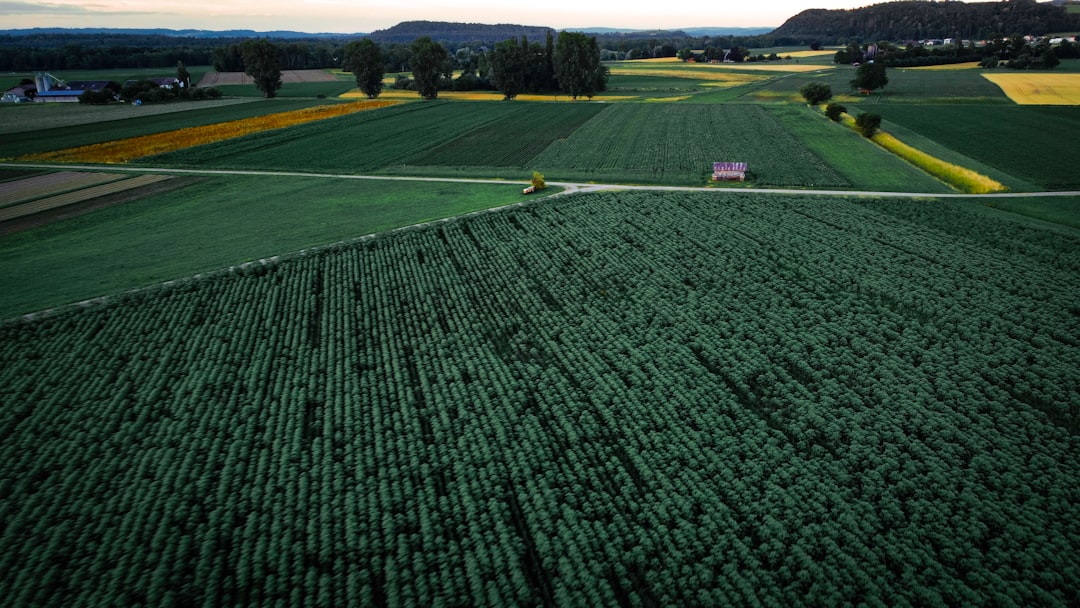
Cover crops and crop rotations are crucial components of sustainable agriculture, offering effective strategies for enhancing soil health and fertility by leveraging the power of natural nitrogen fixation. This process, a cornerstone of ecological farming, involves the conversion of atmospheric nitrogen, which is abundant but unusable by most plants, into forms that plants can readily absorb. By understanding and implementing these practices, farmers can reduce their reliance on synthetic nitrogen fertilizers, mitigate environmental risks, and build more resilient agricultural systems.
Nitrogen is an essential nutrient for plant growth, a fundamental building block for proteins, nucleic acids, and chlorophyll. While the Earth’s atmosphere is composed of approximately 78% nitrogen gas (N₂), directly accessing this reservoir is a challenge for most plant species. They primarily absorb nitrogen through their roots in the form of ammonium (NH₄⁺) and nitrate (NO₃⁻). The journey from atmospheric nitrogen to usable plant forms is orchestrated by the nitrogen cycle, a complex biogeochemical process involving various transformations mediated by microorganisms.
Atmospheric Nitrogen: The Unseen Abundance
The vast expanse of nitrogen gas above us is like a colossal, untouched warehouse of building materials. Plants, however, cannot simply reach into this warehouse and pull out what they need. Their roots are not equipped with the specialized tools required to break the strong triple bond in N₂. This is where nature’s ingenious solutions come into play.
Microbial Maestros: The Key to Conversion
The magic of converting atmospheric nitrogen into plant-available forms is largely performed by a specialized group of microorganisms, primarily certain bacteria. These microscopic organisms, often dwelling in the soil or in symbiotic relationships with plants, possess the unique enzymatic machinery, namely the nitrogenase enzyme complex, to break the N₂ bond. This remarkable ability is the essence of biological nitrogen fixation.
Usable Forms: Ammonium and Nitrate
Once atmospheric nitrogen is fixed, it undergoes further transformations within the soil. Initially, it is often converted to ammonia (NH₃) and then quickly protonated to ammonium (NH₄⁺). Ammonium can be directly absorbed by some plants, but it is a relatively unstable form in the soil. Through a process called nitrification, other soil bacteria convert ammonium to nitrate (NO₃⁻). Nitrate is highly mobile and readily taken up by plant roots, making it a primary source of nitrogen for many crops. However, its mobility also presents challenges, as it can be leached from the soil and enter waterways, contributing to eutrophication.
Cover crops and crop rotations are essential practices in sustainable agriculture, particularly for their ability to fix nitrogen naturally in the soil. For a deeper understanding of how these methods contribute to soil health and fertility, you can explore a related article that discusses the benefits and techniques of implementing these practices effectively. To read more about this topic, visit this article.
Cover Crops: Nature’s Green Armor and Nutrient Providers
Cover crops are plants intentionally grown to cover the soil between cash crop cycles. They serve a multitude of purposes, acting as a natural shield against erosion, suppressing weeds, improving soil structure, and, crucially, contributing valuable nitrogen to the soil through biological nitrogen fixation. Leguminous cover crops are particularly adept at this process, forming a symbiotic relationship with rhizobia bacteria.
Legumes: The Nitrogen-Fixing Powerhouses
Leguminous cover crops, such as clover, vetch, peas, and beans, are renowned for their nitrogen-fixing capabilities. These plants have evolved a remarkable partnership with a group of soil bacteria known as rhizobia. Within specialized structures on the plant roots called root nodules, rhizobia bacteria are housed. The plant provides the bacteria with carbohydrates (sugars produced during photosynthesis) as an energy source, and in return, the bacteria convert atmospheric nitrogen into ammonia, which is then readily available to the plant.
The Symbiotic Dance: Nodules and Rhizobia
Imagine the legume root as a bustling city, and the rhizobia as skilled workers residing in specific districts – the root nodules. The plant (the city) supplies the workers with the energy and resources they need to perform their vital task. The workers, in turn, contribute essential raw materials (fixed nitrogen) back to the city, enriching its resources. This partnership is highly efficient, transferring significant amounts of nitrogen from the atmosphere into the soil-biomass system.
Types of Leguminous Cover Crops and Their Benefits
- Clovers (e.g., Red Clover, Crimson Clover): These versatile cover crops are well-adapted to a variety of climates and soil types. Red clover, for instance, is a deep-rooted legume that can fix substantial amounts of nitrogen and also help break up compacted soil layers. Crimson clover is often used as a winter cover crop, providing nitrogen and improving soil structure before the spring planting.
- Vetches (e.g., Hairy Vetch, Common Vetch): Vetches are vigorous growers that can thrive in cooler conditions. Hairy vetch is particularly effective at fixing nitrogen and can produce a large biomass, which, when incorporated into the soil, releases nutrients over time.
- Peas (e.g., Field Peas, Austrian Winter Peas): Field peas are excellent nitrogen-fixing cover crops, especially when planted in the fall or early spring. They contribute significantly to soil fertility and can provide a good source of forage if livestock are present.
- Beans (e.g., Fava Beans, Soybeans): While some beans are primarily grown as cash crops, certain varieties, like fava beans, are also utilized as effective nitrogen-fixing cover crops. Soybeans, a major cash crop, are inherently nitrogen-fixing and contribute valuable nitrogen to subsequent crops in a rotation.
Non-Leguminous Cover Crops: Indirect Nitrogen Contributions
While legumes are the direct players in nitrogen fixation, non-leguminous cover crops, such as grasses (rye, oats), brassicas (mustard, radish), and others, play a vital role in supporting nitrogen cycling and availability. They do not fix atmospheric nitrogen themselves but contribute indirectly through various mechanisms.
Scavenging and Storing Nitrogen
Non-leguminous cover crops are excellent at scavenging leftover nitrogen from the soil, preventing it from being lost through leaching or denitrification. This essentially acts as a temporary nitrogen bank, holding onto the nutrient until it can be released back into the soil when the cover crop decomposes. This prevents nutrient runoff into waterways, a significant environmental concern.
Improving Soil Structure and Organic Matter
As these cover crops grow and are eventually incorporated into the soil, they add substantial amounts of organic matter. This organic matter is a treasure trove for soil microorganisms, including those involved in nutrient cycling. The decomposition of this organic matter releases not only carbon but also other essential nutrients, including nitrogen that was previously incorporated into the plant tissues. Furthermore, the root systems of these cover crops improve soil aeration and water infiltration, creating a more favorable environment for beneficial soil microbes.
Allelopathic Effects and Weed Suppression
Some non-leguminous cover crops, particularly certain brassicas, exhibit allelopathic properties. This means they release natural chemicals that can inhibit the germination and growth of weeds. By suppressing weed competition, they reduce the need for herbicides and allow the subsequent cash crop to establish and grow more vigorously, potentially utilizing nutrients more effectively.
Crop Rotations: The Art of Sequential Planting for Soil Health

Crop rotation, the practice of planting different crops in the same field in a sequential, planned pattern, is a time-tested agricultural strategy with profound benefits for soil fertility and pest management. By varying the crops grown over time, farmers can break pest and disease cycles, improve soil structure, and optimize nutrient availability. When combined with cover cropping, crop rotation becomes an even more potent tool for enhancing natural nitrogen fixation.
Breaking the Cycle: Pest and Disease Management
Continuous monoculture, planting the same crop year after year, creates a predictable environment that favors specific pests and diseases. These organisms can build up in the soil and on crop residues, leading to increased pressure on the cash crop and necessitating greater reliance on pesticides. Introducing diversity through crop rotation disrupts these cycles.
Targeted Pests and Diseases
Different crops are susceptible to different pests and diseases. For example, a field planted with corn for several years might develop a population of corn rootworm. By rotating to a leguminous crop like soybeans, which are not a host for corn rootworm, the population of this pest can be significantly reduced. Similarly, fungal pathogens that target specific crops are starved out when their host is removed from the rotation.
Natural Enemies and Biological Control
Crop rotations can also support populations of natural enemies that prey on agricultural pests. For instance, planting a flowering cover crop or a flowering cash crop can provide habitat and food sources for beneficial insects like ladybugs and parasitic wasps, which help keep pest populations in check.
Nutrient Management: Balancing the Soil’s Ledger
Different crops have distinct nutrient requirements and root structures, influencing how they interact with soil nutrients. Strategic crop rotations can help balance the soil’s nutrient ledger, making better use of available resources and reducing the need for external inputs.
Deep-Rooted vs. Shallow-Rooted Crops
Deep-rooted crops, like alfalfa or certain cover crops, can access nutrients from deeper soil layers that shallow-rooted crops might miss. When these deep-rooted plants decompose, they bring these nutrients closer to the surface, making them available to subsequent shallow-rooted crops. Conversely, shallow-rooted crops can efficiently utilize nutrients in the upper soil profile.
Nitrogen Scavenging and Release
As mentioned earlier, non-leguminous cover crops in a rotation can scavenge residual nitrogen. Leguminous crops, on the other hand, add fixed nitrogen. This creates a dynamic system where nitrogen is continuously cycled and made available. For example, planting a nitrogen-fixing legume after a heavy nitrogen-feeding crop like corn can help replenish the soil’s nitrogen reserves.
Improving Soil Structure: A Foundation for Healthy Growth
The physical structure of the soil is paramount for healthy plant growth. Good soil structure allows for adequate water infiltration, aeration, and root penetration, while also supporting a vibrant soil microbial community. Crop rotations contribute significantly to improving this structure.
Root System Diversity
The diverse root systems of different crops create channels and pores within the soil. These channels improve drainage, aeration, and water infiltration. They also create pathways for new roots to grow, leading to stronger and more resilient plants. The interlocking root systems of various crops can also bind soil particles together, reducing susceptibility to erosion.
Organic Matter Accumulation
The incorporation of crop residues from various plants, along with the biomass of cover crops, contributes to the accumulation of organic matter in the soil. Organic matter acts like a sponge, improving water-holding capacity, providing a slow release of nutrients, and enhancing the soil’s ability to support beneficial microorganisms.
Integrating Cover Crops and Crop Rotations for Enhanced Nitrogen Fixation

The true power of natural nitrogen fixation is unleashed when cover crops and crop rotations are integrated intelligently. This synergistic approach optimizes the benefits of both practices, creating a robust and self-sustaining fertility system.
Designing Effective Rotations
The design of a crop rotation plan is not a one-size-fits-all solution. It requires careful consideration of local climate, soil type, market demands, and the specific goals of the farming operation. However, some general principles apply.
The Classic Corn-Soybean Rotation and Beyond
The corn-soybean rotation is a well-established example. Corn is a heavy nitrogen feeder, while soybeans are legumes that fix atmospheric nitrogen. Planting soybeans after corn helps replenish the nitrogen removed by the corn. However, extending this rotation with additional crops can further enhance benefits.
Incorporating Diverse Legumes and Non-Legumes
Beyond the corn-soybean duo, rotations can be enriched by including a wider array of legumes like clover or vetch, and non-legumes such as small grains or brassicas. For instance, a rotation might look like this: Corn -> Legume Cover Crop -> Soybean -> Small Grain Cover Crop -> Wheat. Each component plays a specific role in nutrient cycling, pest management, and soil health.
Sequencing for Optimal Nitrogen Transfer
The order in which crops are planted is crucial for nitrogen transfer. A common strategy is to follow a heavy nitrogen-consuming crop with a leguminous cover crop. The legume fixes nitrogen from the atmosphere, and when it decomposes, it releases this nitrogen, making it available for the next cash crop.
Timing is Everything: Planting and Terminating Cover Crops
The success of cover cropping as a nitrogen-fixing strategy hinges on proper timing of planting and termination. The cover crop needs sufficient time to grow and fix nitrogen before it is terminated and incorporated into the soil or left as mulch.
Planting Windows
Leguminous cover crops are typically planted either after the harvest of the main cash crop in the fall or in the early spring before planting the main cash crop. The choice depends on the species of cover crop and its suitability for overwintering or its growth rate.
Termination Strategies
Cover crops can be terminated mechanically (mowing, tilling), chemically, or through natural winter kill. The method of termination influences how quickly the fixed nitrogen is released. Tilling incorporates the cover crop biomass directly into the soil, accelerating decomposition and nutrient release. Leaving the cover crop on the surface as mulch can provide a slower release of nutrients and also contribute to moisture conservation.
Measuring Nitrogen Contributions: Quantifying the Benefits
While the benefits of natural nitrogen fixation are evident in improved soil health and reduced fertilizer reliance, quantifying the exact amount of nitrogen transferred can be challenging but is crucial for effective farm management.
Tissue Analysis and Soil Testing
Regular soil testing can reveal the existing levels of nitrogen and other nutrients in the soil. Analyzing the nitrogen content of cover crop biomass, or the cash crop itself after a leguminous cover crop, can provide estimates of the amount of nitrogen fixed and transferred.
Economic and Environmental Impact
By reducing the need for synthetic nitrogen fertilizers, farmers can see direct cost savings. Furthermore, minimizing nitrogen runoff protects waterways from eutrophication, contributing to healthier aquatic ecosystems. Natural nitrogen fixation is, therefore, a win-win for both the farmer’s bottom line and the environment.
Cover crops and crop rotations play a crucial role in enhancing soil health by fixing nitrogen naturally, which is essential for sustainable agriculture. For a deeper understanding of how these practices contribute to soil fertility and overall ecosystem balance, you can explore a related article that discusses various sustainable farming techniques. This article provides valuable insights into the benefits of integrating cover crops into farming systems. To learn more, visit this resource that delves into innovative agricultural practices.
The Future of Soil Fertility: Embracing Natural Processes
| Cover Crop / Rotation Type | Legume Content (%) | Estimated Nitrogen Fixation (lbs/acre/year) | Soil Nitrogen Increase (%) | Impact on Subsequent Crop Yield (%) | Additional Benefits |
|---|---|---|---|---|---|
| Hairy Vetch (Legume Cover Crop) | 100 | 80 – 150 | 15 – 25 | 10 – 20 | Improves soil organic matter, reduces erosion |
| Clover (Red or White) | 100 | 50 – 120 | 10 – 20 | 8 – 15 | Enhances soil structure, attracts beneficial insects |
| Field Peas (Legume Cover Crop) | 100 | 60 – 130 | 12 – 22 | 12 – 18 | Improves soil moisture retention |
| Corn-Soybean Rotation | Soybean: 100 (legume) | 40 – 60 (from soybean crop) | 8 – 15 | 15 – 25 (corn yield increase after soybean) | Breaks pest cycles, improves soil fertility |
| Wheat-Clover Rotation | Clover: 100 (legume) | 50 – 100 (from clover cover crop) | 12 – 20 | 10 – 18 | Reduces soil compaction, increases microbial activity |
| Non-legume Cover Crops (e.g., Rye, Oats) | 0 | 0 | 0 – 5 (indirect effect) | 5 – 10 (due to improved soil health) | Prevents nutrient leaching, improves soil structure |
As the agricultural landscape evolves, the principles of natural nitrogen fixation through cover crops and crop rotations are gaining increasing recognition. These practices are not merely alternative approaches; they are foundational elements of a sustainable and resilient agricultural future.
Building Soil Organic Matter: The Long-Term Dividend
The continuous cycle of cover cropping and thoughtful crop rotations leads to a steady increase in soil organic matter. This organic matter is the lifeblood of healthy soil. It improves soil structure, enhances water infiltration and retention, provides a food source for beneficial microorganisms, and acts as a reservoir for nutrients, including nitrogen.
Reducing Reliance on Synthetic Inputs: A Move Towards Independence
The dependence on synthetic nitrogen fertilizers has brought its own set of environmental and economic challenges. By harnessing the power of natural nitrogen fixation, farmers can reduce their reliance on these costly and potentially polluting inputs. This fosters greater farm independence and promotes a more circular agricultural system.
Enhancing Biodiversity: A Thriving Ecosystem Below and Above Ground
Cover crops and diverse crop rotations create habitats and food sources for a wider array of beneficial insects, soil microbes, and other organisms. This increased biodiversity contributes to a more robust and resilient agroecosystem, where natural pest control mechanisms are amplified, and nutrient cycles are more efficient.
Climate Change Adaptation and Mitigation
Healthy soils, rich in organic matter, are better equipped to withstand the impacts of climate change, such as drought and heavy rainfall. They have improved water-holding capacity to endure dry spells and better aggregation to resist erosion during intense precipitation events. Furthermore, healthy soils can sequester carbon from the atmosphere, acting as carbon sinks and contributing to climate change mitigation efforts.
Cover crops and crop rotations are not just agricultural techniques; they are ecological strategies that mimic and enhance natural processes. By embracing these practices, farmers become stewards of the land, nurturing soil fertility, reducing environmental impact, and ensuring a more sustainable future for food production. They are the silent architects of a healthier planet, one enriching crop at a time.
FAQs
What are cover crops and how do they help fix nitrogen in the soil?
Cover crops are plants grown primarily to benefit the soil rather than for harvest. Certain cover crops, such as legumes, have the ability to fix atmospheric nitrogen through a symbiotic relationship with nitrogen-fixing bacteria in their root nodules. This process naturally adds nitrogen to the soil, improving fertility without synthetic fertilizers.
How do crop rotations contribute to natural nitrogen fixation?
Crop rotations involve alternating different types of crops in the same field across seasons or years. Including nitrogen-fixing crops like legumes in the rotation helps replenish soil nitrogen levels. Rotations also reduce pest and disease buildup and improve soil structure, enhancing overall soil health and nutrient availability.
Why is nitrogen important for soil and plant growth?
Nitrogen is a critical nutrient for plants as it is a key component of amino acids, proteins, and chlorophyll. Adequate nitrogen in the soil promotes healthy plant growth, higher yields, and better crop quality. However, nitrogen is often a limiting nutrient in soils, making natural fixation methods valuable.
Can cover crops and crop rotations reduce the need for synthetic nitrogen fertilizers?
Yes, by naturally fixing nitrogen and improving soil health, cover crops and crop rotations can significantly reduce the dependence on synthetic nitrogen fertilizers. This leads to cost savings for farmers and reduces environmental impacts such as water pollution and greenhouse gas emissions.
What types of crops are commonly used for nitrogen fixation in cover cropping and rotations?
Leguminous plants such as clover, vetch, peas, beans, and alfalfa are commonly used because of their ability to form symbiotic relationships with nitrogen-fixing bacteria. These crops are effective in adding nitrogen to the soil when used as cover crops or included in crop rotations.