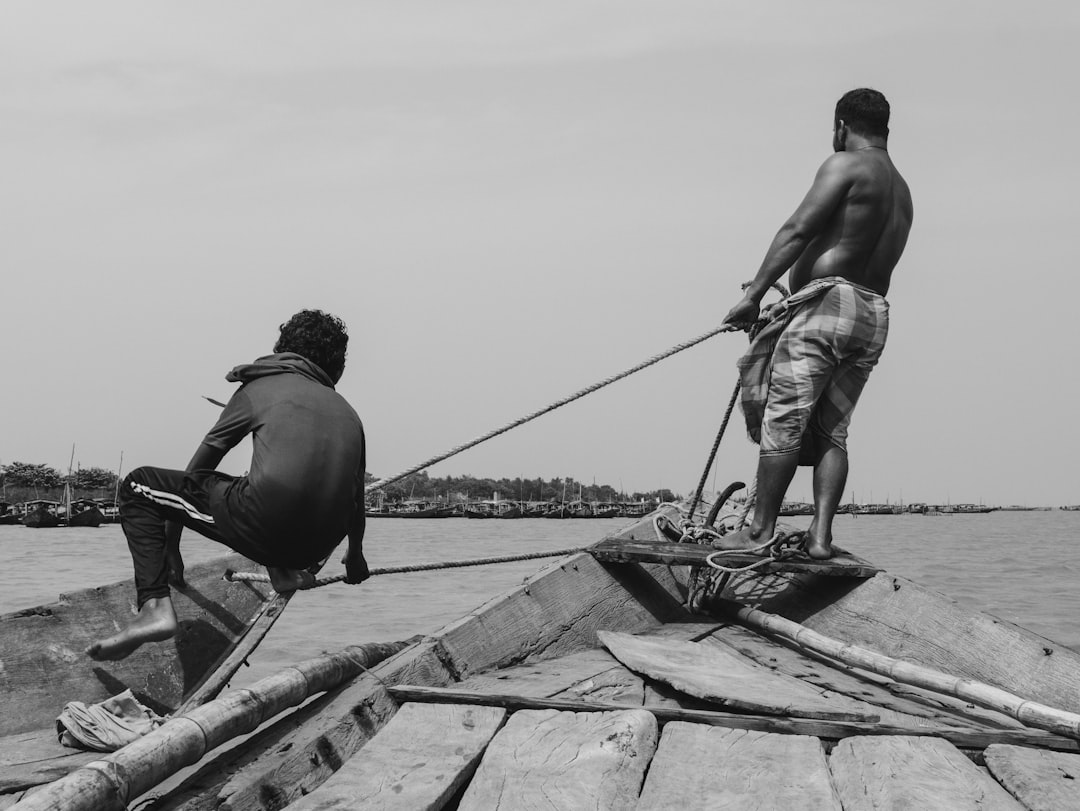
The vast oceans, often romanticized as realms of freedom and bounty, conceal a disturbing truth: they are also fertile grounds for some of the most brutal forms of modern slavery. The fishing industry, a global behemoth supplying sustenance and profit, has become a grim theater where human lives are traded, exploited, and discarded. This dark reality, often hidden beneath the surface of glittering seafood displays and romanticized narratives, represents a stark contradiction to the contemporary world’s espoused values of human rights and dignity. This article delves into the systemic nature of modern slavery within the fishing industry, exposing its mechanisms, impacts, and the arduous road towards its eradication.
The first step into the abyss of modern slavery often begins far from the open sea, in impoverished communities where desperation serves as a potent lure. Recruiters, acting as the industry’s insidious gatekeepers, exploit the vulnerabilities of individuals seeking a better life. You can learn more about the issue of shrimp slavery in this informative video.
The Illusion of Opportunity
Many victims are enticed by false promises of well-paying jobs, secure employment, and a chance to escape abject poverty. These promises are often delivered through informal networks, making them difficult to trace and verify. Recruiters paint a picture of opportunity that, for many, represents their only perceived escape from destitution. The allure of escaping a lifetime of hardship can blind individuals to the inherent risks, making them susceptible to manipulation.
Debt Bondage: A Shackling Mechanism
A primary mechanism of control is debt bondage. Workers are frequently charged exorbitant fees for transportation, visas, and recruitment services. These debts are often inflated and creatively constructed, placing individuals in an immediate and inescapable financial entanglement. This “debt” becomes a leverage, a set of invisible chains that bind workers to their employers, even when conditions become unbearable. The debt becomes a burden too heavy to bear, forcing individuals to continue working without proper compensation, often for years on end.
Trafficking and Deception
The recruitment process often involves deception. Workers may be promised jobs in one location or under certain conditions, only to find themselves transported to entirely different regions or forced into entirely different, far more perilous, roles. Passports and identity documents are frequently confiscated upon arrival, stripping individuals of their legal autonomy and preventing them from escaping or seeking help. This confiscation transforms them into ghosts in the system, invisible to official channels and utterly dependent on their captors.
Modern slavery in the fishing industry is a pressing issue that often goes unnoticed, yet it affects countless workers around the globe. For a deeper understanding of this critical topic, you can read a related article that sheds light on the various forms of exploitation and the efforts being made to combat these injustices. To learn more, visit this article which provides valuable insights into the dark realities faced by many in the fishing sector.
Life at Sea: A Crucible of Cruelty
Once aboard, the illusion of opportunity shatters, replaced by a brutal reality of exploitation. The isolation of the open ocean provides an ideal environment for unchecked abuse, turning fishing vessels into floating prisons.
Beyond the Reach of Law: Anarchy on the High Seas
Many fishing vessels operate in international waters, the legal equivalent of a grey zone where national jurisdictions blur and enforcement mechanisms are notoriously weak. This legal vacuum allows unscrupulous operators to flout labor laws, human rights conventions, and safety regulations with relative impunity. The sheer vastness of the ocean acts as a complicit veil, hiding atrocities from official scrutiny. For victims, this isolation is a critical factor, making escape or reporting abuses nearly impossible.
Extreme Working Conditions and Abuses
Workers are routinely subjected to grueling conditions. Shifts can extend for 18-20 hours a day, seven days a week, with little to no rest. The work itself is physically demanding and dangerous, involving heavy machinery, sharp objects, and treacherous weather. Injuries are common, yet medical attention is often denied or inadequate. Beyond the physical toll, verbal abuse, intimidation, and even physical violence are prevalent. These acts of cruelty are designed to break the spirits of the workers, ensuring submission and preventing any resistance.
Substandard Living Conditions
Living conditions on these vessels are often squalid and inhumane. Overcrowded bunks, lack of sanitation, inadequate food, and limited access to fresh water are common. These conditions, combined with the relentless work, severely impact the health and well-being of the workers, exacerbating their vulnerability and making them more susceptible to illness and injury. The vessels become micro-societies of deprivation, where even basic human needs are denied.
The Global Supply Chain: Complicity and Consumption
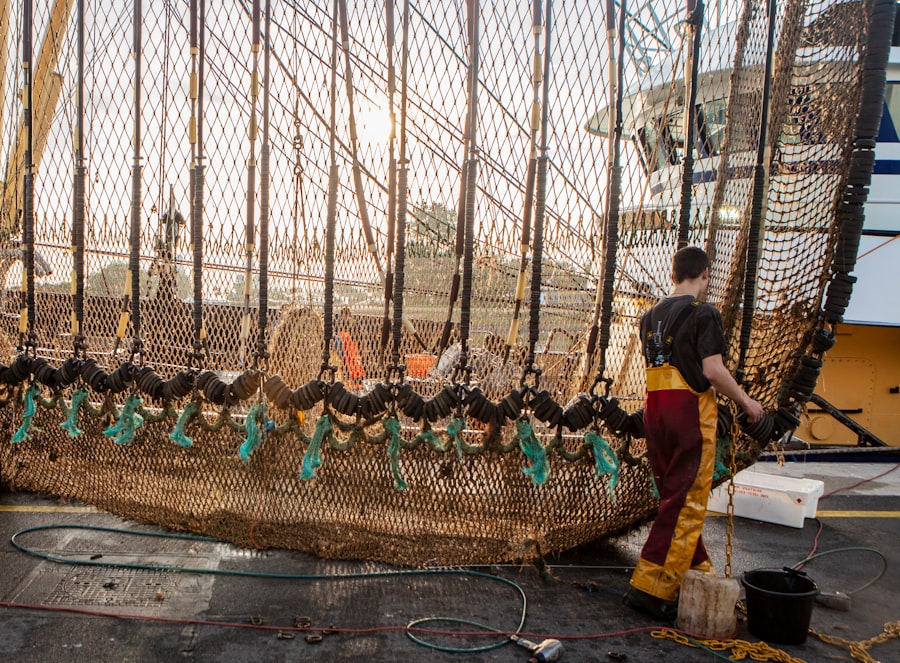
The seafood on our plates, often enjoyed without a second thought, can sometimes be a direct product of this human suffering. The intricate and often opaque global supply chains make it challenging to trace individual products back to their origins, allowing tainted seafood to enter legitimate markets.
The Opacity of Tracing
The journey of seafood from ocean to plate is a complex one, involving multiple intermediaries, processing plants, and distribution networks. This complexity makes it incredibly difficult to ascertain whether a particular catch was obtained through ethical means. Often, illegally caught fish or fish caught by forced labor is mixed with legitimately sourced seafood, creating a veneer of legality that masks the underlying exploitation. This mixing is akin to a drop of poison in a vast ocean – difficult to isolate but capable of contaminating the whole.
Consumer Demand and Unethical Practices
The relentless global demand for cheap seafood puts immense pressure on fishing companies, creating an environment where cutting corners, including through the exploitation of labor, becomes economically attractive. Consumers, however unwittingly, play a role in this cycle. A preference for low prices over ethical sourcing can inadvertently embolden those who profit from human misery. This creates a moral quandary: how do we balance our desire for affordable sustenance with our ethical responsibility to human rights?
The Role of Corporate Responsibility
Major retailers and food service companies have a significant role to play in tackling modern slavery. While some have made strides in implementing ethical sourcing policies, enforcement often remains a challenge. A robust commitment to transparency and accountability throughout their supply chains is crucial. This includes conducting thorough audits, demanding ethical practices from suppliers, and investing in technologies that allow for greater traceability. Without this commitment, words of corporate responsibility remain hollow.
The Economic and Human Toll: A Scourge on Society
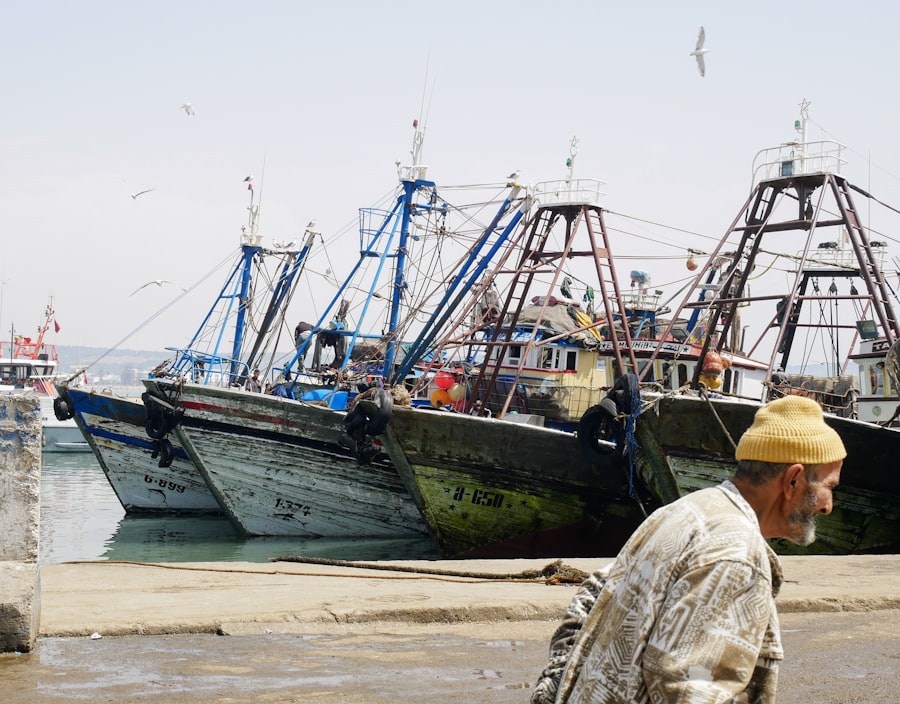
Modern slavery in the fishing industry is not merely a moral failing; it carries a significant economic and human cost, impacting individuals, communities, and the global economy.
Human Rights Violation and Psychological Trauma
At its core, modern slavery is a profound violation of fundamental human rights. Victims endure sustained physical and psychological trauma, often suffering from anxiety, depression, and post-traumatic stress disorder long after their ordeal. The experience shatters their sense of self-worth, dignity, and trust in humanity. The scars left by such exploitation are not always visible, but they run deep, affecting individuals for the rest of their lives.
Economic Disruption and Unfair Competition
For ethical businesses, modern slavery creates an unfair competitive advantage for those who exploit labor. Companies that adhere to labor laws and fair wages struggle to compete with those who drastically reduce their costs through illegal means. This distorts market dynamics and can discourage legitimate businesses from operating in a fair and ethical manner. The cancer of exploitation spreads, undermining the very foundations of a just market.
Undermining Sustainable Development Goals
The prevalence of modern slavery in the fishing industry directly undermines several of the United Nations Sustainable Development Goals (SDGs), particularly Goal 8 (Decent Work and Economic Growth) and Goal 16 (Peace, Justice, and Strong Institutions). By perpetuating exploitation and injustice, it hinders efforts to create a more equitable and sustainable world. It is a stark reminder that true development cannot occur when human dignity is systematically denied.
The issue of modern slavery in the fishing industry is a pressing concern that affects countless individuals worldwide. Many workers are subjected to inhumane conditions, forced labor, and exploitation, often with little hope of escape. For a deeper understanding of this critical topic, you can read a related article that sheds light on the various aspects of this issue and the efforts being made to combat it. To explore more, check out this insightful piece on modern slavery in the fishing industry.
Towards a Sea of Freedom: Eradication and Accountability
| Metric | Value | Details |
|---|---|---|
| Estimated Number of Forced Laborers | Over 25,000 | Global estimate of workers in forced labor conditions in the fishing industry |
| Percentage of Fishing Vessels with Reported Abuse | Up to 20% | Proportion of vessels where workers report abuse or exploitation |
| Common Forms of Exploitation | Debt bondage, physical abuse, withholding of wages | Typical abuses faced by workers in the fishing sector |
| Regions Most Affected | Asia-Pacific, West Africa, South America | Areas with highest reported cases of modern slavery in fishing |
| Average Work Hours per Week | 80-100 hours | Excessive working hours reported by forced labor victims |
| Percentage of Illegal, Unreported, and Unregulated (IUU) Fishing | Approximately 20% | Fishing activities often linked to labor abuses |
| Number of Countries with Reported Cases | Over 50 | Countries where modern slavery in fishing has been documented |
Addressing modern slavery in the fishing industry requires a multi-faceted approach, involving international cooperation, stronger enforcement, and consumer awareness. It is a long and arduous journey, but one that is essential for the dignity of humanity and the health of our oceans.
Strengthening Legal Frameworks and Enforcement
National and international laws against human trafficking and forced labor must be strengthened and rigorously enforced. This includes increasing maritime patrols, improving surveillance technologies, and providing adequate resources for investigating and prosecuting perpetrators. Cross-border cooperation between law enforcement agencies is crucial, as is the development of robust legal frameworks that specifically address exploitation in the maritime sector. The current patchwork of regulations is simply not enough to stem the tide.
Empowering Workers and Protecting Whistleblowers
Victims of modern slavery must be provided with avenues for reporting abuse without fear of retaliation. This requires establishing safe havens, providing legal aid, and ensuring that whistleblowers are protected. Empowering workers through education about their rights and providing access to support networks can create a more resilient and informed workforce, less susceptible to exploitation. Workers, when given a voice, can become the most powerful agents of change.
The Power of Consumer Choice and Transparency
Consumers hold significant power in shaping industry practices. By demanding transparency in seafood supply chains and actively choosing products certified as ethically sourced, they can send a clear message to the industry. Organizations providing certifications for sustainable and ethical fishing practices play a vital role in guiding consumer choices. Educating ourselves about the origins of our food is a moral imperative in the 21st century.
Technological Solutions and Data Analytics
Innovative technologies, such as satellite monitoring, blockchain, and AI-powered data analytics, offer promising tools for increasing transparency and traceability within the fishing industry. These technologies can help track vessels, monitor fishing activities, and verify the origins of seafood, making it significantly harder for illegal and exploitative practices to go unnoticed. Embracing these technological advancements can serve as a powerful deterrent to those who thrive in the shadows.
The dark reality of modern slavery in the fishing industry is a complex tapestry woven with threads of poverty, deception, greed, and impunity. It represents a profound stain on our collective conscience, a stark reminder that even in an era of unprecedented progress, human exploitation persists. However, by understanding its mechanisms, acknowledging our roles, and actively working towards solutions, we can collectively strive to dismantle these invisible chains and ensure that the bounty of the ocean is harvested with dignity, not despair. The struggle is immense, but the moral imperative is even greater: to reclaim the oceans as realms of freedom, not servitude.
FAQs
What is modern slavery in the fishing industry?
Modern slavery in the fishing industry refers to the exploitation of workers through forced labor, human trafficking, debt bondage, and other coercive practices on fishing vessels or in related supply chains. Workers may be subjected to poor working conditions, withheld wages, and physical or psychological abuse.
Which regions are most affected by modern slavery in fishing?
Modern slavery in fishing is most prevalent in parts of Southeast Asia, West Africa, and some Pacific Island nations. However, it can occur globally, including in developed countries, due to complex supply chains and lack of effective regulation.
What are common indicators of forced labor in the fishing industry?
Common indicators include workers having their identification documents confiscated, being unable to leave their job freely, working excessive hours without proper rest, receiving little or no pay, and experiencing threats or physical abuse.
How does modern slavery in fishing impact global seafood supply chains?
Modern slavery undermines ethical sourcing and sustainability efforts, leading to seafood products entering global markets without transparency. It can damage the reputation of companies and countries involved and perpetuates human rights abuses.
What measures are being taken to combat modern slavery in the fishing industry?
Efforts include international regulations like the Port State Measures Agreement, increased monitoring and certification schemes, corporate social responsibility initiatives, and advocacy by NGOs to improve labor standards and enforce legal protections for workers.