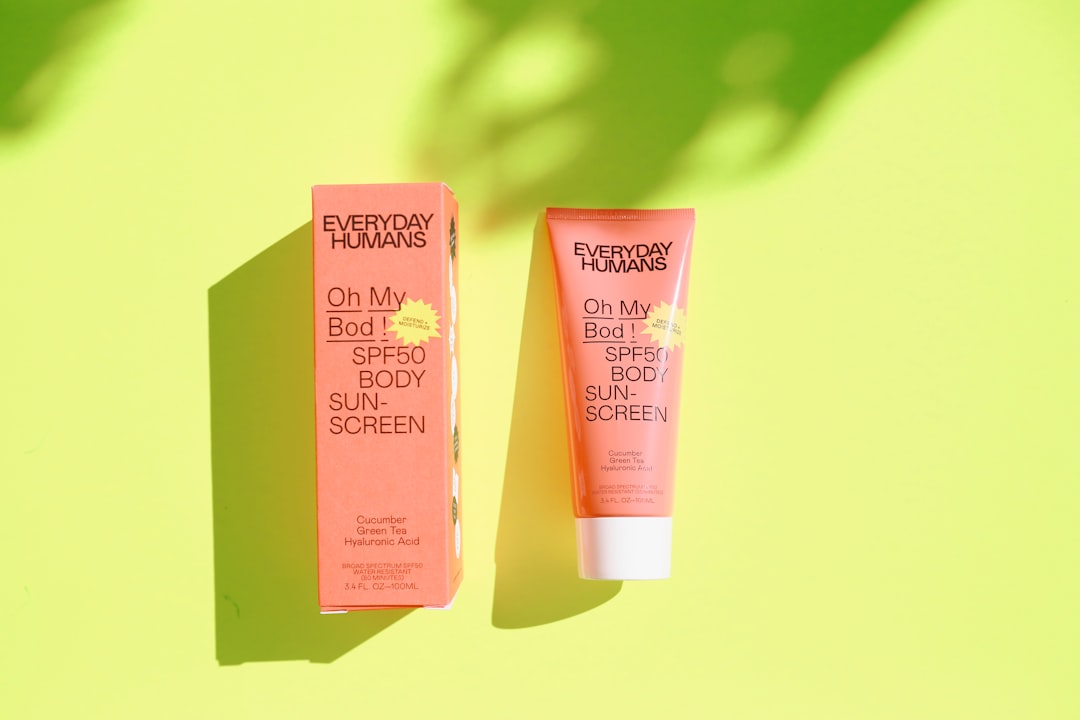
Sunscreen products are categorized into two primary types based on their active ingredients and mechanisms of action: mineral and chemical sunscreens. Mineral sunscreens contain inorganic compounds such as zinc oxide or titanium dioxide that create a physical barrier on the skin’s surface, reflecting and scattering ultraviolet radiation. Chemical sunscreens utilize organic compounds that absorb UV radiation and convert it to thermal energy, which is subsequently dissipated from the skin.
Both mineral and chemical sunscreens provide effective protection against ultraviolet radiation, though their application characteristics differ. Mineral sunscreens become effective immediately upon application and are composed of naturally occurring minerals. Chemical sunscreens typically have a lighter texture and blend more easily into the skin.
The selection between these sunscreen types depends on individual factors including skin sensitivity, cosmetic preferences, and specific protection requirements.
Key Takeaways
- Mineral sunscreens physically block UV rays using ingredients like zinc oxide, while chemical sunscreens absorb UV rays through chemical compounds.
- Mineral sunscreens offer benefits such as being less irritating and providing broad-spectrum protection immediately upon application.
- Chemical sunscreens tend to be more lightweight and cosmetically appealing but may carry risks like skin irritation and potential hormone disruption.
- Environmental concerns highlight that some chemical sunscreens can harm marine life, whereas mineral sunscreens are generally considered more eco-friendly.
- Proper sunscreen choice depends on skin type and preferences, with ongoing innovations aiming to improve effectiveness and safety in future formulations.
How Mineral Sunscreen Works
Mineral sunscreen operates by utilizing physical blockers that reflect and scatter UV radiation away from the skin. When you apply a mineral sunscreen, the active ingredients, such as zinc oxide or titanium dioxide, form a protective barrier on the skin’s surface. This barrier acts as a shield, preventing harmful UV rays from penetrating the skin and causing damage.
One of the significant advantages of mineral sunscreen is that it provides broad-spectrum protection against both UVA and UVB rays, making it a reliable choice for comprehensive sun safety. Another notable aspect of mineral sunscreen is its immediate effectiveness. Unlike chemical sunscreens, which require a waiting period before they become effective, mineral sunscreens start working as soon as they are applied.
This means you can enjoy outdoor activities without worrying about reapplying too soon. Additionally, mineral sunscreens are often less irritating for sensitive skin types, as they do not contain synthetic fragrances or harsh chemicals that can cause reactions. This makes them an excellent option for individuals with conditions like rosacea or eczema.
How Chemical Sunscreen Works
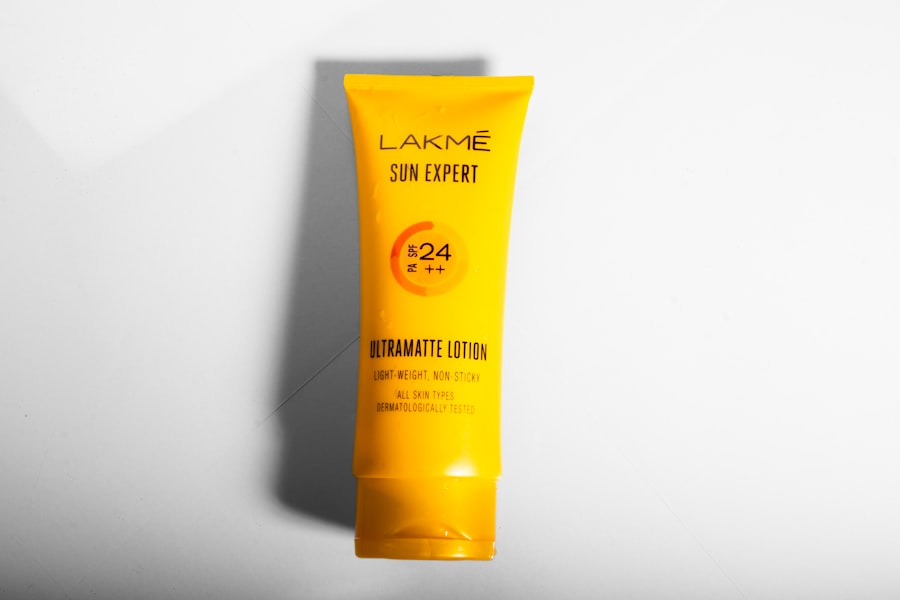
Chemical sunscreens function through a different mechanism than their mineral counterparts. They contain organic compounds such as avobenzone, octisalate, octocrylene, and oxybenzone that absorb UV radiation. When you apply a chemical sunscreen, these ingredients penetrate the skin and absorb UV rays, converting them into heat.
This heat is then released from the skin, effectively preventing the rays from causing damage to your skin cells. One of the appealing aspects of chemical sunscreens is their lightweight texture. Many people find them easier to apply and more comfortable to wear throughout the day, especially in hot or humid conditions.
They often blend seamlessly into the skin without leaving a white cast, making them a popular choice for those who prefer a more natural look. However, it’s essential to note that chemical sunscreens typically require about 20 minutes to become effective after application, so planning ahead is crucial if you’re heading outdoors.
The Benefits of Mineral Sunscreen
Mineral sunscreen offers several benefits that make it a popular choice among skincare enthusiasts. One of the most significant advantages is its broad-spectrum protection against both UVA and UVB rays. This comprehensive coverage helps prevent sunburns, premature aging, and even skin cancer.
Additionally, mineral sunscreens are often formulated with fewer synthetic ingredients, making them suitable for sensitive skin types. If you have a history of skin reactions or allergies, opting for a mineral sunscreen can provide peace of mind. Another benefit of mineral sunscreen is its immediate effectiveness upon application.
This feature is particularly advantageous for those who may forget to apply sunscreen in advance or who engage in spontaneous outdoor activities. Furthermore, many mineral sunscreens are water-resistant, providing added protection during swimming or sweating.
The Benefits of Chemical Sunscreen
| Feature | Mineral Sunscreen | Chemical Sunscreen |
|---|---|---|
| Active Ingredients | Zinc oxide, Titanium dioxide | Avobenzone, Oxybenzone, Octinoxate, Homosalate |
| Mechanism of Action | Reflects and scatters UV rays | Absorbs UV rays and converts them to heat |
| Protection Spectrum | Broad-spectrum UVA and UVB protection | Broad-spectrum UVA and UVB protection (varies by formula) |
| Skin Sensitivity | Less likely to cause irritation or allergies | May cause irritation or allergic reactions in sensitive skin |
| Application | May leave a white cast; thicker texture | Usually clear and lightweight; easier to apply |
| Environmental Impact | Generally reef-safe and biodegradable | Some ingredients harmful to coral reefs and marine life |
| Onset of Protection | Immediate protection upon application | Requires about 15-20 minutes before effective |
| Reapplication Frequency | Every 2 hours or after swimming/sweating | Every 2 hours or after swimming/sweating |
| Suitability for Sensitive Skin | Highly suitable | May not be suitable for very sensitive skin |
Chemical sunscreens come with their own set of advantages that appeal to many users. One of the primary benefits is their lightweight texture and ease of application. Many people appreciate how quickly they absorb into the skin without leaving a greasy residue or white cast.
This makes them an excellent option for daily wear under makeup or during outdoor activities where comfort is key. Additionally, chemical sunscreens often come in various formulations that cater to different skin types and concerns. Whether you have oily skin, dry skin, or are looking for a product that offers anti-aging benefits, there’s likely a chemical sunscreen designed specifically for you.
Many brands also incorporate moisturizing ingredients into their formulations, providing added hydration while protecting your skin from UV damage.
Potential Risks of Mineral Sunscreen

While mineral sunscreens are generally considered safe for most individuals, there are some potential risks to be aware of. One concern is that certain mineral ingredients can leave a visible white cast on darker skin tones, which may deter some users from choosing this option. Additionally, while mineral sunscreens are less likely to cause irritation compared to chemical options, they can still lead to breakouts in individuals with acne-prone skin due to their thicker consistency.
Another consideration is that some mineral sunscreens may contain nanoparticles of zinc oxide or titanium dioxide. While research suggests that these nanoparticles are safe for topical use, there is ongoing debate about their potential environmental impact when washed off into oceans and waterways. If you’re concerned about this issue, look for mineral sunscreens labeled as “non-nano,” which indicates that they do not contain these smaller particles.
Potential Risks of Chemical Sunscreen
Chemical sunscreens are not without their risks and concerns either. One significant issue is that some chemical ingredients have been linked to skin irritation or allergic reactions in sensitive individuals. Ingredients like oxybenzone have raised concerns due to their potential hormonal effects and environmental impact on coral reefs.
As awareness grows about these issues, many consumers are becoming more cautious about the chemical formulations they choose. Moreover, because chemical sunscreens require time to absorb before becoming effective, there’s a risk that users may not apply enough product or may forget to reapply after sweating or swimming. This can lead to inadequate sun protection and increase the risk of sunburn or long-term skin damage.
It’s essential to follow application guidelines carefully to ensure you’re getting the full benefits of your chosen product.
Environmental Impact: Mineral vs Chemical Sunscreen
The environmental impact of sunscreens has become an increasingly important topic in recent years. Mineral sunscreens are often touted as the more eco-friendly option because they typically contain fewer harmful chemicals that can contribute to coral bleaching and other environmental issues.
On the other hand, while mineral sunscreens are generally considered safer for the environment, concerns remain about the use of nanoparticles in some formulations. These tiny particles can potentially harm aquatic ecosystems if they enter water bodies in large quantities. As a result, many brands are now focusing on creating environmentally friendly formulations that prioritize both effective sun protection and minimal ecological impact.
Choosing the Right Sunscreen for Your Skin Type
Selecting the right sunscreen involves considering your unique skin type and concerns. If you have sensitive or reactive skin, mineral sunscreen may be your best bet due to its gentle formulation and lower likelihood of causing irritation. Look for products labeled as hypoallergenic or non-comedogenic if you’re prone to breakouts.
For those with oily or combination skin types, lightweight chemical sunscreens may be more suitable as they often absorb quickly without leaving a greasy finish. Additionally, if you’re looking for added skincare benefits like hydration or anti-aging properties, many chemical formulations include beneficial ingredients that cater to these needs. Ultimately, understanding your skin type will guide you toward the most effective sunscreen option for your daily routine.
Tips for Proper Application of Mineral and Chemical Sunscreen
Proper application is key to maximizing the effectiveness of any sunscreen you choose. For both mineral and chemical sunscreens, it’s essential to apply an adequate amount—typically about one ounce (or a shot glass full) for full-body coverage. Make sure to apply sunscreen generously and evenly across all exposed areas of your skin at least 15 minutes before sun exposure.
Reapplication is equally important; you should reapply every two hours or immediately after swimming or sweating. For those using makeup, consider using a powder sunscreen or setting spray with SPF for easy reapplication throughout the day without disturbing your makeup look. Remember that even on cloudy days or during winter months, UV rays can still penetrate through clouds and reflect off surfaces like snow or water; therefore, daily application is crucial regardless of the season.
The Future of Sunscreen: Innovations and Developments
As awareness about sun safety continues to grow, so does innovation in sunscreen formulations and delivery methods. The future of sunscreen looks promising with advancements in technology leading to more effective and user-friendly products. For instance, researchers are exploring new active ingredients that provide enhanced protection against UV rays while being gentler on both the skin and the environment.
Additionally, there’s a growing trend toward multifunctional products that combine sun protection with skincare benefits such as hydration, anti-aging properties, and even makeup features like tinted formulas that provide coverage while protecting against UV damage. As consumers become more educated about sun safety and environmental issues related to traditional sunscreens, brands will likely continue to innovate in ways that prioritize both efficacy and sustainability in their formulations. In conclusion, understanding the differences between mineral and chemical sunscreens is essential for making informed choices about sun protection tailored to your needs and preferences.
By considering factors such as your skin type, lifestyle habits, and environmental concerns, you can select a sunscreen that not only protects your skin but also aligns with your values regarding health and sustainability.
When considering the best type of sunscreen for your skin, it’s essential to understand the differences between mineral and chemical sunscreens. For a deeper dive into this topic, you can read more about the benefits and drawbacks of each type in this informative article. Check it out here: Mineral vs. Chemical Sunscreen.
FAQs
What is the difference between mineral sunscreen and chemical sunscreen?
Mineral sunscreen contains active ingredients like zinc oxide or titanium dioxide that physically block and reflect UV rays from the skin. Chemical sunscreen contains organic compounds such as oxybenzone, avobenzone, or octinoxate that absorb UV radiation and convert it into heat.
Which type of sunscreen is better for sensitive skin?
Mineral sunscreens are generally better for sensitive skin because they are less likely to cause irritation or allergic reactions. They sit on top of the skin and do not penetrate it, making them a gentler option.
How do mineral and chemical sunscreens protect against UV rays?
Mineral sunscreens protect by reflecting and scattering UV rays away from the skin. Chemical sunscreens absorb UV radiation and transform it into heat, preventing it from damaging skin cells.
Are mineral sunscreens effective against both UVA and UVB rays?
Yes, mineral sunscreens typically provide broad-spectrum protection against both UVA and UVB rays, especially when they contain zinc oxide, which covers a wide range of UV radiation.
Do chemical sunscreens need to be applied differently than mineral sunscreens?
Both types should be applied generously and evenly to all exposed skin about 15 minutes before sun exposure. Mineral sunscreens work immediately upon application, while chemical sunscreens require a short time to absorb into the skin.
Which sunscreen type is more environmentally friendly?
Mineral sunscreens are generally considered more environmentally friendly because they are less likely to harm coral reefs and marine life compared to some chemical sunscreen ingredients like oxybenzone and octinoxate.
Can mineral sunscreens leave a white cast on the skin?
Yes, mineral sunscreens, especially those with higher concentrations of zinc oxide or titanium dioxide, can leave a visible white or chalky residue on the skin, which may be more noticeable on darker skin tones.
Are chemical sunscreens absorbed into the bloodstream?
Some studies have shown that certain chemical sunscreen ingredients can be absorbed into the bloodstream, but the clinical significance of this absorption is still being researched. Regulatory agencies currently consider approved chemical sunscreens safe when used as directed.
How often should I reapply mineral or chemical sunscreen?
Both mineral and chemical sunscreens should be reapplied every two hours, or more often if swimming, sweating, or towel drying, to maintain effective sun protection.
Can I use mineral and chemical sunscreens together?
Yes, some people choose to layer mineral and chemical sunscreens to combine the benefits of both types, but it is important to ensure proper application and reapplication for effective protection.