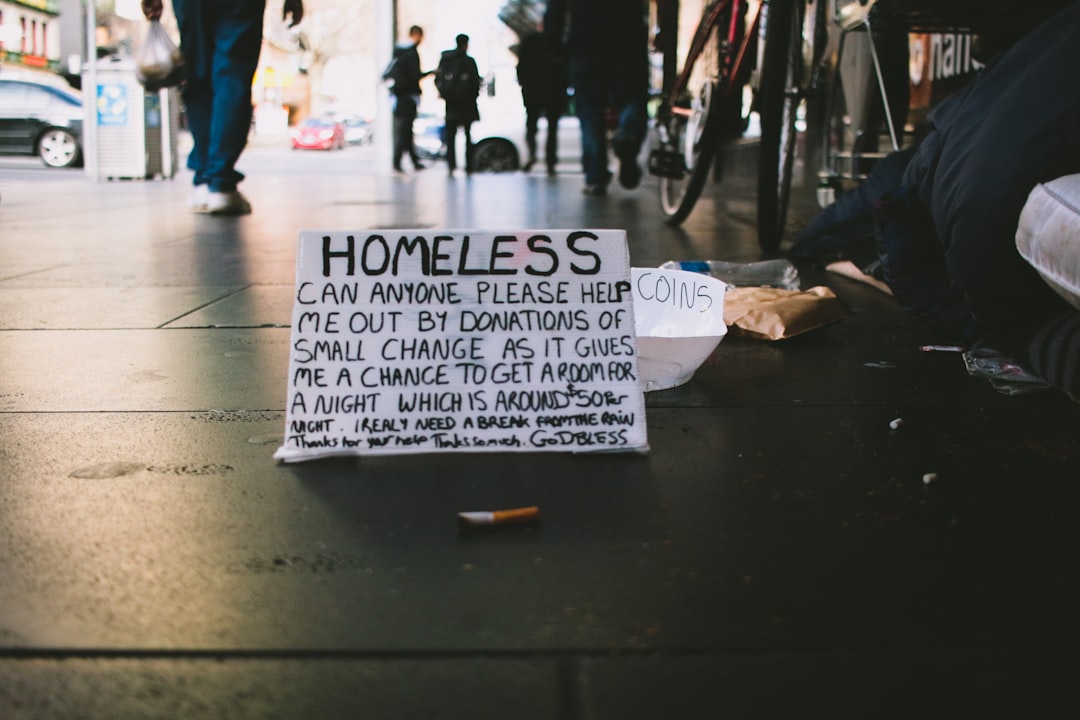
The economic landscape for the middle class today is not a monolithic plateau but a terrain increasingly characterized by rising peaks and deepening valleys. While the term “middle class” conjures images of stability and a shared aspiration, statistical evidence and lived experiences point towards a growing divergence within this broad segment of society. This “growing divide” within the middle class is a complex phenomenon, shaped by a confluence of economic policies, technological shifts, and global forces, and its implications for both individual well-being and societal cohesion are substantial.
Historically, the middle class has been envisioned as a ladder, offering accessible rungs for upward mobility for those who worked diligently. However, this ladder is exhibiting signs of strain, with some rungs becoming significantly more difficult to reach and maintain.
Defining the Middle Class: A Moving Target
- Income Thresholds and Relativity: The precise định nghĩa of the middle class often hinges on income brackets, but these are inherently relative and context-dependent. What constitutes middle-income in a high-cost-of-living metropolitan area might be considered upper-income in a rural setting. Furthermore, these thresholds are not static; they adjust with inflation and overall economic growth, creating a moving target.
- Beyond Income: Education and Occupation: While income is a primary indicator, defining the middle class also involves considerations of educational attainment, occupational prestige, and lifestyle markers such as homeownership and access to healthcare. The erosion of secure, well-paying jobs that once required only a high school diploma has altered the occupational composition of the middle class.
- The “Hollowing Out” Phenomenon: Economic studies have frequently highlighted a “hollowing out” of the middle class. This refers to the shrinking proportion of households in the middle-income bracket, with a simultaneous growth in both the upper and lower income segments. This suggests that the middle is not just diverging but in some cases, shrinking.
Stagnant Wages and Rising Costs: A Double Squeeze
The middle class is feeling the pressure of wages that have not kept pace with the escalating cost of essential goods and services. This creates a persistent financial squeeze, making it harder to save, invest, and maintain a comfortable standard of living.
- Wage Stagnation vs. Productivity Growth: For decades, median wages for many middle-class occupations have grown far slower than overall economic productivity. While the economy as a whole has become more efficient and generated more wealth, a smaller share of that wealth has trickled down to the average worker. This disconnect is a fundamental driver of income inequality.
- The Escalation of Key Expenses: The cost of housing, healthcare, and education – cornerstones of middle-class security – has outpaced inflation for many years. Rising rents and mortgage payments consume a larger portion of incomes. Skyrocketing healthcare premiums and out-of-pocket costs can be financially crippling. The burden of student loan debt, a consequence of increasingly expensive higher education, weighs heavily on younger generations.
- The Erosion of Purchasing Power: The combined effect of stagnant wages and rising costs is a tangible erosion of purchasing power. What a middle-class income could buy a generation ago is significantly less today, even after accounting for inflation. This means that basic necessities and aspirations for upward mobility become more challenging to achieve.
Middle class income inequality has become a pressing issue in today’s economy, as the gap between the wealthy and the average worker continues to widen. A related article that delves deeper into this topic is available at this link, where various factors contributing to the disparity are examined, along with potential solutions to bridge the gap and support the middle class. Understanding these dynamics is crucial for fostering a more equitable economic landscape.
The Bifurcation of Middle-Class Fortunes
The growing divide within the middle class is not merely about income levels but also about the trajectories of wealth accumulation and economic security. The middle class is increasingly splitting into those who are prosperous and those who are struggling to maintain their footing.
The Ascending Elite Within the Middle
A segment of the middle class, often those with in-demand skills, higher education, or entrepreneurial success, has managed to thrive and even ascend to higher income brackets.
- The Knowledge Economy and Skill Premiums: Individuals with specialized knowledge and skills, particularly in STEM fields, finance, and certain professional services, have often seen their earning potential increase significantly. The demand for expertise in areas like data analysis, artificial intelligence, and advanced technology has created a premium for these skills.
- The Rise of the “Superstar” Economy: In certain professions, the rewards have become highly concentrated. “Superstar” CEOs, top athletes, and highly successful entertainers can command incomes vastly disproportionate to others, creating a pull effect that further stratifies income distribution.
- Entrepreneurial Success and Wealth Creation: While not universally accessible, instances of successful entrepreneurship have led to significant wealth creation, lifting individuals and families into higher economic strata. This highlights the role of innovation and risk-taking in achieving economic advancement.
The Precarious Majority: Struggling to Stay Afloat
Conversely, a larger portion of the middle class finds itself in a more precarious economic position, facing job insecurity, stagnant career progression, and difficulty in building wealth.
- The Gig Economy and Contingent Work: The shift towards a “gig economy” and an increase in contingent or contract work has offered flexibility for some but has also led to a decline in stable, full-time employment with benefits and retirement security for many. These jobs often offer lower wages, inconsistent hours, and limited avenues for advancement.
- The Decline of Unionized Labor and Collective Bargaining: The weakening of labor unions has historically played a role in eroding the bargaining power of workers, particularly those in manufacturing and traditionally middle-class occupations. Without collective bargaining, wages and benefits can be more easily suppressed.
- The Impact of Automation and Globalization: Automation has replaced many routine jobs that were once the bedrock of middle-class employment. Globalization has shifted manufacturing and service jobs to lower-cost countries, impacting employment opportunities and wage levels in developed economies. These forces, while contributing to overall economic efficiency, have disproportionately affected certain segments of the middle class.
- The Burden of Debt: For many in this precarious majority, debt has become a significant impediment to economic progress. Student loans, credit card debt, and car payments can create a constant drain on income, making it difficult to save for emergencies, retirement, or significant life investments like a home.
Shifting Household Structures and Economic Realities

Changes in family structures and life choices also intersect with income inequality, impacting the economic well-being of middle-class households in diverse ways.
The Two-Income Necessity
- The Blurring Line Between Option and Obligation: For a significant portion of the middle class, a dual-income household is no longer a lifestyle choice but an economic necessity to maintain a middle-class standard of living. The economic pressures described earlier make it challenging for a single income to sufficiently support a family.
- The “Second Shift” for Working Parents: This necessitates a complex balancing act for many, particularly women, who often shoulder a disproportionate share of childcare and household responsibilities alongside their paid employment. This “second shift” can lead to burnout and hinder career progression.
- The Vulnerability of Single-Parent Households: Single-parent households, disproportionately headed by women, are particularly vulnerable to income inequality. The challenges of balancing work and caregiving are amplified when there is only one primary earner.
The Generational Divide in Economic Opportunity
The economic experiences of different generations show a clear divergence, with younger generations facing steeper economic hills to climb.
- Millennials and Gen Z: Burdened by Debt and Higher Costs: Younger generations often enter adulthood with significant student loan debt and face a housing market that is far less affordable than it was for their parents. This can delay milestones like homeownership and starting a family.
- The Boomer Advantage: Retirement Security and Stagnant Social Mobility: Older generations, particularly Baby Boomers, often benefited from a period of greater wage growth, more affordable housing, and more generous pension plans. This has contributed to greater retirement security for some, but also raises concerns about social mobility for younger cohorts who may not achieve the same level of economic prosperity.
- Inheritance and Wealth Transfer: The growing concentration of wealth at the top means that intergenerational wealth transfers can exacerbate existing inequalities, providing a significant advantage to those born into wealthier families, while those from less affluent backgrounds face greater financial hurdles.
The Policy Landscape and its Uneven Impact
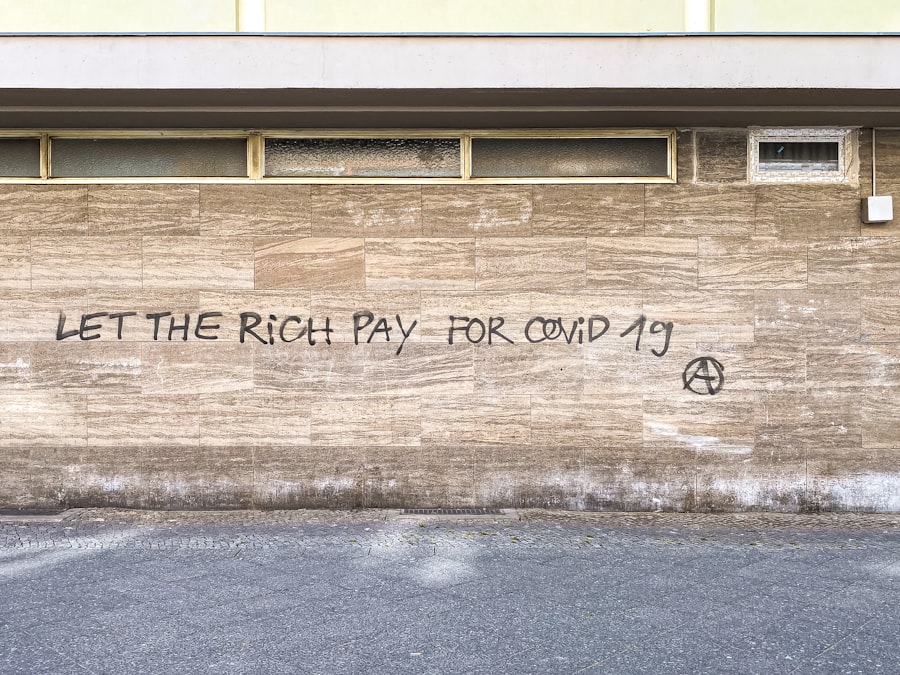
Government policies, both intended and unintended, have played a crucial role in shaping the current landscape of middle-class income inequality.
Tax Policies: Redistribution and Stratification
- Progressive Taxation and its Erosion: Historically, progressive tax systems aimed to redistribute wealth and fund public services. However, changes in tax policy, including reductions in top marginal tax rates and loopholes benefiting corporations and the wealthy, have been linked to increased income inequality.
- The Impact of Tax Credits and Deductions: While some tax credits and deductions are designed to support middle and lower-income households, their effectiveness can be diluted by broader tax cuts that disproportionately benefit higher earners.
- The Influence of Lobbying and Political Power: The influence of special interests and wealthy donors on tax policy formulation can lead to outcomes that favor those with greater financial resources, further entrenching economic disparities.
Labor Market Regulations and Social Safety Nets
- Minimum Wage Debates and Living Wages: The debate around minimum wage levels is central to the discussion of middle-class income. Insufficient minimum wages can trap individuals in low-paying jobs, making upward mobility a distant dream. The concept of a “living wage,” which aims to ensure workers can afford basic necessities, remains a contentious issue.
- The Strength of Social Safety Nets: The availability and adequacy of social safety nets, such as unemployment benefits, affordable housing programs, and access to healthcare, can act as crucial buffers against economic shocks. Weakening or underfunding these programs can leave middle-class households more vulnerable.
- Investment in Public Goods and Services: Government investment in education, infrastructure, and public services can foster economic opportunity and create a more equitable playing field. Underinvestment in these areas can exacerbate existing inequalities.
Middle class income inequality has become a pressing issue in recent years, prompting discussions about the widening gap between different socioeconomic groups. A related article explores the various factors contributing to this disparity and offers insights into potential solutions. For those interested in understanding the complexities of this topic, you can read more about it in this informative piece found here. By examining the root causes and implications of income inequality, we can better grasp the challenges faced by the middle class today.
The Societal Consequences of a Divided Middle
| Year | Median Middle Class Income | Top 20% Income | Bottom 20% Income | Gini Coefficient | Middle Class Income Share (%) |
|---|---|---|---|---|---|
| 2010 | 55,000 | 120,000 | 18,000 | 0.42 | 50 |
| 2015 | 57,500 | 130,000 | 19,500 | 0.44 | 48 |
| 2020 | 60,000 | 140,000 | 20,000 | 0.46 | 45 |
| 2023 | 62,000 | 150,000 | 21,000 | 0.47 | 43 |
The growing divide within the middle class is not merely an economic footnote; it carries profound implications for the fabric of society.
Social Cohesion and Political Polarization
- Erosion of Shared Identity and Trust: When the middle class itself is fracturing, the sense of shared experience and common destiny can diminish. This can lead to a decline in social trust and an increase in feelings of resentment and division between different economic groups.
- Fueling Political Extremism: Economic anxieties and perceived unfairness can be fertile ground for populist and extremist political movements. When people feel left behind, they may be more receptive to messages that scapegoat certain groups or promise radical solutions.
- The Decline of Civic Engagement: A sense of economic insecurity can often lead to a withdrawal from civic life. When individuals are struggling to make ends meet, they may have less time, energy, or inclination to participate in community activities or political discourse.
Diminished Economic Mobility and Opportunity
- A Less Dynamic Economy: When a significant portion of the population is struggling, it can stifle overall economic growth. A strong middle class is often seen as a driver of demand and consumption.
- The Perpetuation of Inequality Across Generations: If the middle-class ladder becomes too steep to climb, it can lead to a more rigidly stratified society where one’s economic destiny is largely determined by the circumstances of birth. This undermines the principle of meritocracy and equal opportunity.
- The Health and Well-being Divide: Income inequality is strongly correlated with disparities in health outcomes. Those struggling financially often have less access to quality healthcare, nutritious food, and safe living environments, leading to poorer health and shorter life expectancies.
The widening chasm within the middle class is a critical challenge that demands careful examination and thoughtful solutions. Ignoring this growing divide is akin to ignoring a widening crack in the foundation of our society, a crack that, if left unaddressed, threatens the stability and prosperity of all. Addressing this issue will require a multi-faceted approach, involving a re-evaluation of economic policies, a commitment to investing in human capital, and a renewed focus on fostering a more equitable distribution of opportunity and resources.
FAQs
What is middle class income inequality?
Middle class income inequality refers to the disparities in earnings and wealth within the middle-income group. It highlights how income distribution among middle-class households can vary significantly, leading to differences in economic stability and quality of life.
What factors contribute to middle class income inequality?
Several factors contribute to middle class income inequality, including differences in education levels, job types, geographic location, access to resources, and economic policies. Changes in the labor market, such as automation and globalization, also play a role.
How does middle class income inequality affect economic growth?
Middle class income inequality can impact economic growth by influencing consumer spending, social mobility, and overall economic stability. High inequality may reduce the purchasing power of a large segment of the population, potentially slowing economic expansion.
What measures can be taken to reduce middle class income inequality?
Policies aimed at reducing middle class income inequality include improving access to quality education, increasing minimum wages, implementing progressive taxation, expanding social safety nets, and promoting job training programs to enhance skills.
How is middle class income inequality measured?
Middle class income inequality is typically measured using statistical tools such as the Gini coefficient, income quintile ratios, and analysis of income distribution data from surveys and tax records. These measures help quantify the extent of income disparities within the middle class.