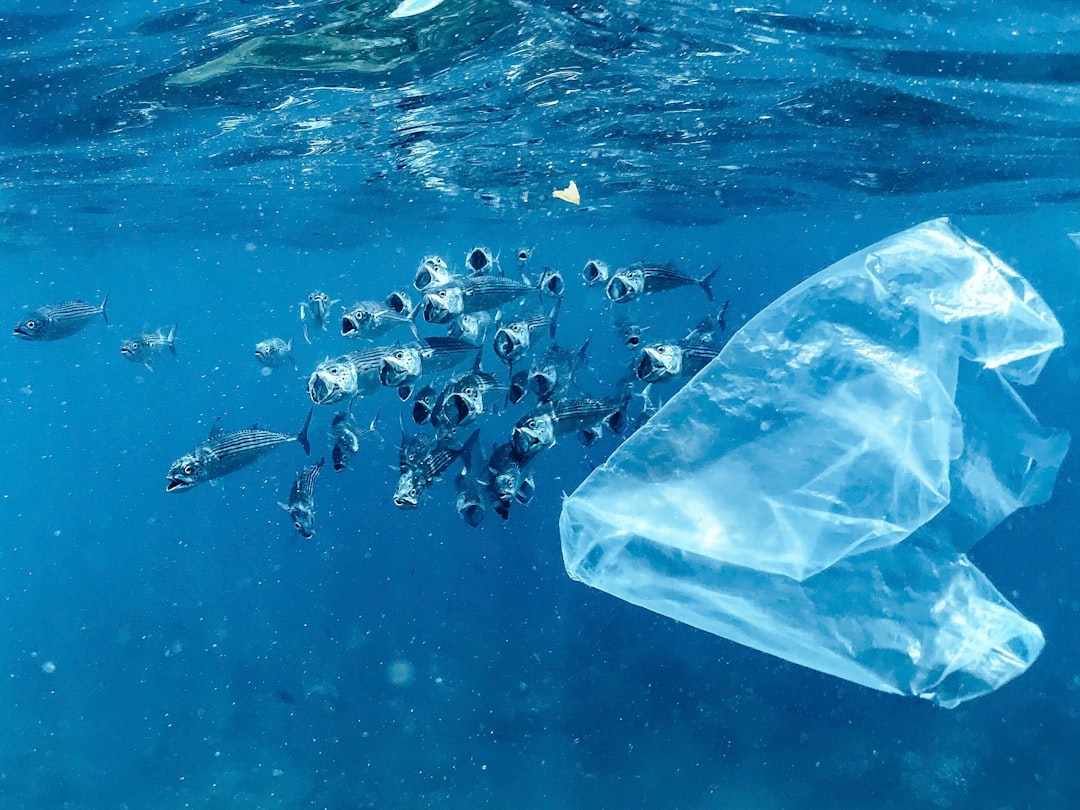
You pick up a cold bottle of water, the condensation beading on its plastic surface. Perhaps you’re at the gym, feeling the burn and reaching for that familiar convenience. Or maybe you’re on the go, a busy day ahead, and a sealed bottle feels like a safe haven from the uncertainties of public water fountains. Simultaneously, you might have a glass sitting on your kitchen counter, filled with tap water, glistening and ready for consumption. Both are water, yet the source and its journey to your lips might be vastly different, and importantly, the microscopic travelers that accompany them can differ too. This article delves into the increasingly ubiquitous issue of microplastics, specifically examining their presence in tap water versus bottled water, equipping you with the knowledge to make informed choices about your hydration.
You may not see them, but they are there. Microplastics are defined as plastic particles less than 5 millimeters in length. Think of them as the microscopic descendants of larger plastic items that have broken down over time. These fragments are a pervasive byproduct of our modern plastic-dependent lifestyle, forming a persistent environmental challenge.
The Genesis of the Microscopic Menace
The genesis of microplastics is a multifaceted phenomenon. Imagine a plastic bottle left out in the sun for years. It doesn’t just disappear; it slowly succumbs to photodegradation, UV radiation acting like a tireless sculptor, chipping away at its structure, creating smaller and smaller pieces. Similarly, the simple act of washing synthetic fabrics releases countless tiny fibers into the wastewater.
From Macro to Micro: The Degradation Process
- Physical Abrasion: When plastic items are subjected to friction, such as during transport, washing, or simply being moved around, they can fragment into smaller pieces. Think of the constant jostling of plastic pellets during manufacturing or the wear and tear on a plastic water bottle as it’s carried in a backpack.
- Photodegradation: Sunlight, particularly ultraviolet (UV) radiation, is a powerful agent of decomposition for plastics. It weakens the chemical bonds within the plastic polymers, making them brittle and prone to breaking. This is why plastics left outdoors often appear to fade and crack.
- Thermomechanical Stress: Fluctuations in temperature, from freezing to intense heat, can also contribute to the breakdown of plastics. Repeated cycles of expansion and contraction can weaken the material, leading to micro-fractures.
- Biodegradation (limited): While plastics are generally considered non-biodegradable, some microorganisms can slowly break down certain types of plastic. However, this process is significantly slower than the physical and chemical degradation, and it still results in the creation of smaller plastic fragments.
The Ubiquitous Sources
The sources of microplastics are so diverse that it’s almost easier to list where they aren’t found.
Consumer Products as Seedbeds
- Personal Care Products: Believe it or not, some facial scrubs, toothpastes, and body washes contain tiny plastic beads called microbeads, intentionally added for exfoliating purposes. These are directly washed down the drain and enter waterways.
- Synthetic Textiles: Every time you wash your fleece jacket or polyester shirt, a cascade of microscopic fibers is released into the washing machine’s wastewater. These fibers are akin to a thousand tiny threads unraveling from your clothing.
- Cosmetics: Certain makeup and skincare products have been found to contain microplastics, contributing to their presence in wastewater and ultimately the environment.
Industrial and Environmental Pathways
- Tire Wear: As vehicle tires tread along asphalt, they shed tiny particles of rubber and plastic. This is a significant contributor to microplastic pollution in urban environments.
- Paint and Coatings: Weathering of painted surfaces, whether on buildings or vehicles, releases microplastics into the air and soil.
- Fishing Gear: Discarded or lost fishing nets and lines are a major source of macro and microplastics in marine environments. These items, often made of durable plastics, break down over time into smaller fragments.
- Wastewater Treatment Plants: While these facilities are designed to remove pollutants, they are not equipped to capture all microplastics. A significant portion can pass through the treatment process and be discharged into rivers and oceans, or remain in the sewage sludge which can be used as fertilizer.
Recent studies have raised concerns about the presence of microplastics in both tap water and bottled water, highlighting the potential health risks associated with their consumption. For a deeper understanding of this pressing issue, you can read a related article that explores the differences in microplastic contamination levels between these two water sources. To learn more, visit this article.
The Microplastic Landscape: Tap Water
Your tap water, a seemingly pure liquid essential for life, can be a vehicle for these microscopic invaders. The journey from the water source to your faucet is a complex process, and at various stages, microplastic contamination can occur.
From Source to Sipper: The Tap Water Contamination Chain
The tap water you drink has embarked on a journey, and this journey is not always a pristine one when it comes to microplastics. Imagine it as a river flowing through a city, picking up various substances along the way.
Water Treatment: An Imperfect Filter
While water treatment plants are sophisticated, they are not designed with microplastic removal as their primary objective. Their focus is on removing bacteria, viruses, heavy metals, and dissolved solids.
The Limitations of Conventional Treatment
- Filtration Efficiency: Standard filtration processes, like sand and gravel filters, are effective at removing larger particles but can be less efficient at capturing particles in the micro-range. Think of trying to catch dust motes with a sieve designed for pebbles.
- Coagulation and Flocculation: These processes involve adding chemicals to clump smaller particles together so they can be more easily removed. While helpful for many contaminants, their effectiveness against the diverse shapes and sizes of microplastics varies.
- Disinfection: Methods like chlorination or UV disinfection target biological contaminants and do not directly affect plastic particles.
Distribution Networks: The Hidden Pathways
The pipes that carry water from the treatment plant to your home can also be a source of microplastic contamination.
Pipes as Unexpected Shedders
- Aging Infrastructure: Older pipes, particularly those made of certain materials, can degrade over time, releasing microparticles into the water. This is akin to an old, worn-out pipe slowly crumbling from the inside.
- Fittings and Valves: The various joints, seals, and valves within the distribution system can also contribute to microplastic shedding as they experience wear and tear.
- Biofilm Formation: Over time, a biofilm, a slimy layer of microorganisms, can form on the inside of pipes. Microplastics can become embedded within this biofilm, and when the biofilm is disturbed, these microplastics can be released into the water.
The Microplastic Landscape: Bottled Water
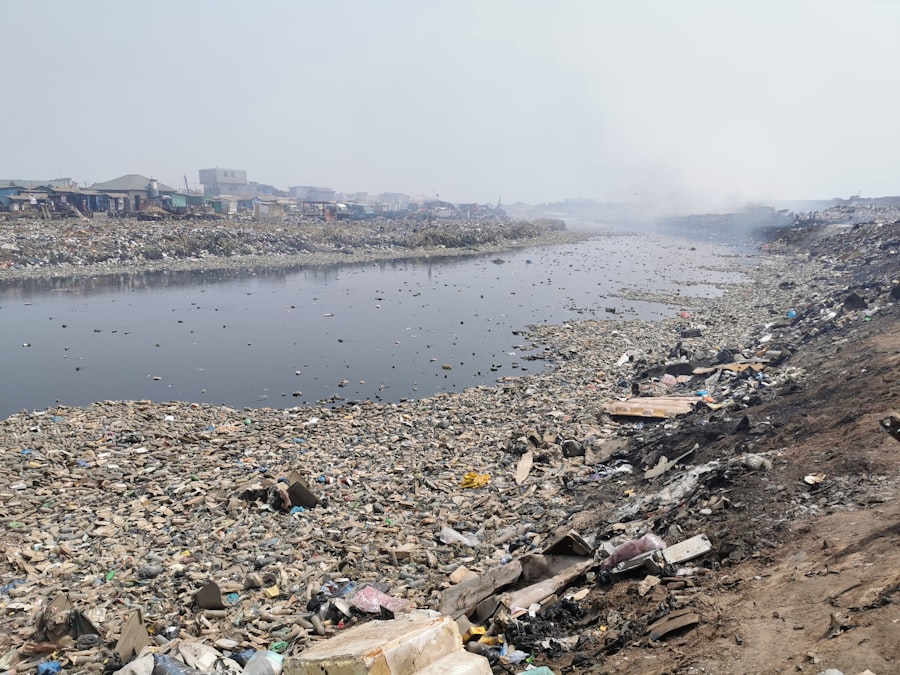
Bottled water, often perceived as a pristine and superior alternative to tap water, isn’t necessarily free from microplastic contamination. The act of packaging water in plastic itself introduces a new set of potential contamination points.
From Factory to Fridge: The Bottled Water Journey
The process of bottling water involves a complex interplay of machinery, packaging materials, and logistics, each presenting opportunities for microplastic introduction. Consider the bottling process as a manufacturing line where every step, from the bottle’s creation to its sealing, holds a potential for microscopic hitchhikers.
The Plastic Bottle Itself: A Microplastic Reservoir
The primary packaging for most bottled water is PET (polyethylene terephthalate) plastic. This material, while seemingly inert, can be a source of microplastics.
Shedding Under Duress
- Friction During Manufacturing: The process of creating plastic bottles, including molding and filling, involves significant friction and stress, which can lead to the shedding of microscopic plastic particles.
- Opening and Closing: Every time you unscrew and re-screw a bottle cap, a small amount of plastic from the cap and the bottle rim can break off.
- Storage Conditions: Exposure to heat and light during storage and transportation can accelerate the degradation of the plastic, leading to increased microplastic release into the water. Imagine a bottle sitting in a hot delivery truck; the plastic is silently breaking down.
The Bottling Process: Tiny Travelers Introduced
The very act of filling and sealing the bottles can introduce microplastics.
Machinery, Air, and the Water Itself
- Airborne Particles: The air in bottling facilities can carry microplastic particles, which can then settle into the water during the filling process.
- Machinery Wear: The machinery used in bottling plants, from filling nozzles to sealing equipment, can shed microplastic fragments due to wear and tear.
- Pre-existing Contamination in Water: If the source water used for bottling is already contaminated with microplastics, these will naturally be transferred to the final product.
Comparative Analysis: Which is “Cleaner”?
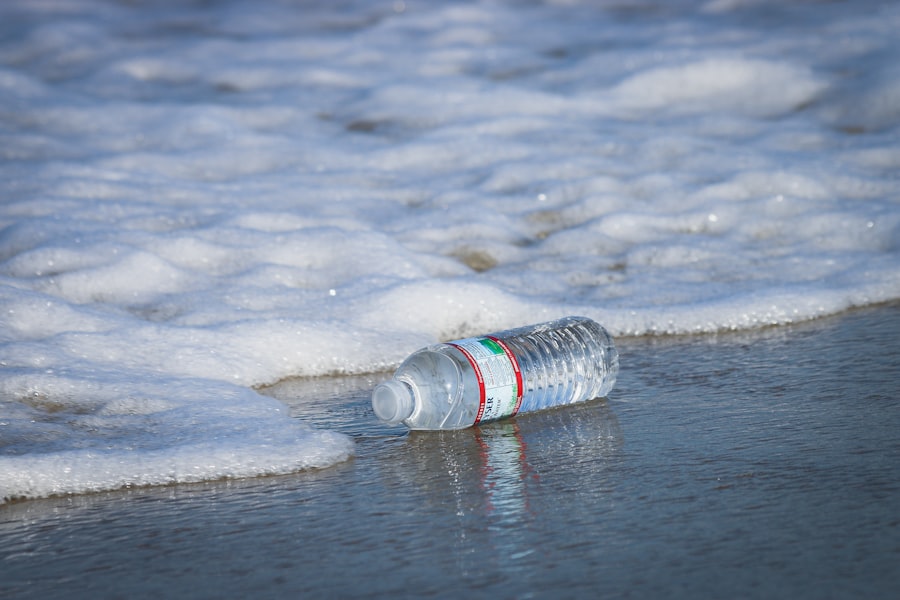
The question of whether tap water or bottled water is “cleaner” in terms of microplastic content is complex and often depends on a multitude of factors, including geographic location, water treatment methodologies, and packaging practices.
The Evolving Science and Imperfect Data
Scientific studies on microplastic contamination in both tap and bottled water are ongoing, and the findings can sometimes appear conflicting. It’s crucial to understand the limitations of current research.
Challenges in Measurement and Standardization
- Methodological Variability: Different studies employ different methods for collecting, filtering, and analyzing water samples, leading to variations in reported microplastic concentrations. Imagine different scientists using different sized nets to catch fish; the results will naturally vary.
- Defining Microplastics: The size cutoff for what constitutes a microplastic (typically 5mm) can sometimes be debated, and the precise definition can influence reported numbers.
- Sampling Bias: The specific samples taken for analysis might not always be representative of the overall water supply or all batches of bottled water.
Trends and Observational Differences
While definitive pronouncements are difficult, several studies have observed trends:
- Higher Concentrations in Bottled Water: Some research, including a notable study by Orb Media, has indicated that bottled water often contains a significantly higher concentration of microplastics compared to tap water. This is attributed to the manufacturing process of the plastic bottles and the bottling process itself.
- Variability in Tap Water: The microplastic content of tap water can vary drastically depending on the source water quality, the effectiveness of local treatment processes, and the condition of the distribution infrastructure. Some sources may be remarkably clean, while others may show higher levels.
- Types of Microplastics: Studies have also noted differences in the types of microplastics found. Tap water may contain more fibers from textiles and particles from pipe degradation, while bottled water often shows higher levels of fragments and films from the plastic packaging.
Recent studies have raised concerns about the presence of microplastics in both tap water and bottled water, highlighting the potential health risks associated with these tiny particles. For a deeper understanding of this issue, you can explore a related article that discusses the implications of microplastics in our drinking water sources. This article provides valuable insights into how these contaminants can affect our health and the environment. To learn more, visit this informative resource that delves into the topic further.
Health Implications and Future Outlook
| Metric | Tap Water | Bottled Water |
|---|---|---|
| Average Microplastic Particles per Liter | 4.34 particles/L | 10.4 particles/L |
| Common Microplastic Types | Polyethylene terephthalate (PET), Polypropylene (PP) | Polyethylene terephthalate (PET), Polypropylene (PP), Nylon |
| Size Range of Microplastics | 1-100 micrometers | 1-150 micrometers |
| Source of Contamination | Water treatment plants, pipe degradation, environmental pollution | Plastic bottle packaging, bottling process, environmental pollution |
| Health Risk Level | Low to Moderate | Moderate |
| Detection Method | Micro-Fourier Transform Infrared Spectroscopy (Micro-FTIR) | Micro-Fourier Transform Infrared Spectroscopy (Micro-FTIR) |
While research into the direct health impacts of microplastic ingestion is still in its nascent stages, the potential for concern warrants attention. The scientific community is actively investigating how these microscopic particles interact with our bodies.
The Unknown Realms of Health Impacts
The long-term effects of consuming microplastics are not yet fully understood, but several potential avenues of concern exist. Think of it as an iceberg; only the tip of the problem has been explored.
Potential Pathways of Concern
- Physical Irritation: While unlikely with the small size of most microplastics, there is a theoretical concern that very sharp or jagged particles could cause microscopic damage to tissues.
- Chemical Leaching: Plastics contain various chemical additives, such as plasticizers, flame retardants, and stabilizers. There is a concern that these chemicals could leach from microplastics into the water we ingest and subsequently into our bodies. This is like a tiny plastic sponge slowly releasing its embedded chemicals.
- Bioaccumulation and Translocation: Scientists are researching whether microplastics can accumulate in the body over time or if they can pass through the digestive system and enter other tissues.
- Interaction with Gut Microbiome: The presence of microplastics in the gut could potentially alter the balance and function of the human microbiome, which plays a vital role in digestion and overall health.
- Vector for Other Contaminants: Microplastics in the environment can adsorb other harmful pollutants (like pesticides). When ingested, these adsorbed chemicals could be released into the body, compounding potential health risks.
The Path Forward: Research, Regulation, and Individual Action
Addressing the microplastic issue requires a multi-pronged approach involving scientific advancement, policy changes, and individual awareness.
Towards a Cleaner Future
- Enhanced Research: Continued and robust scientific research is crucial to fully understand the sources, pathways, and health effects of microplastics. This includes developing standardized methodologies for detection and quantification.
- Improved Water Treatment Technologies: Investment in and development of advanced water treatment technologies specifically designed to remove microplastics from both drinking water and wastewater are essential.
- Material Innovation and Regulation: Encouraging the development and use of alternative, more sustainable packaging materials for both water and consumer goods is vital. Regulatory measures to limit the use of microplastics in products and to improve waste management are also necessary.
- Consumer Awareness and Choice: As you, the reader, are empowered by this information, your choices can contribute to the solution. Choosing reusable water bottles, supporting brands committed to reducing plastic packaging, and advocating for better environmental policies are all significant steps. While the scale of the problem can feel overwhelming, remember that collective action, informed by knowledge, can drive meaningful change.
In conclusion, the seemingly simple act of hydration carries with it an invisible layer of complexity. Both tap water and bottled water are susceptible to microplastic contamination, though the pathways and prevalence can differ. By understanding these differences and the ongoing scientific efforts, you can navigate your daily choices with greater awareness, contributing to a future where both your health and the environment are better protected from the pervasive presence of microplastics.
FAQs
What are microplastics?
Microplastics are tiny plastic particles less than 5 millimeters in size that result from the breakdown of larger plastic debris or are manufactured at a small size for use in products like cosmetics and cleaning agents.
Are microplastics found in both tap water and bottled water?
Yes, studies have detected microplastics in both tap water and bottled water worldwide, although the concentration and types of microplastics can vary depending on the source and treatment processes.
How do microplastics get into tap water?
Microplastics can enter tap water through environmental contamination of water sources, degradation of plastic pipes and infrastructure, and insufficient filtration during water treatment.
Is bottled water safer than tap water in terms of microplastic contamination?
Not necessarily; bottled water can contain microplastics due to contamination during bottling, packaging materials, and storage conditions. Some studies have found higher microplastic levels in bottled water compared to tap water.
What are the potential health risks of consuming microplastics in drinking water?
Currently, the health effects of ingesting microplastics are not fully understood. Research is ongoing to determine if microplastics can cause harm to humans, but there is concern about possible chemical exposure and physical impacts on the body.