You might think of your exfoliating scrub as a tiny spa treatment, a small ritual of self-care that leaves your skin feeling smooth and refreshed. You likely have a favorite, a jar filled with fragrant particles that promise to buff away dead skin cells and reveal a brighter you. However, lurking within these seemingly innocuous products are microscopic invaders, fragments of plastic so small they can pass through your fingers and slip unseen into the environment. These are microplastics, and their presence in exfoliating scrubs is a growing environmental concern, a silent tide that is subtly altering the planet’s delicate ecosystems.
When you think about plastic pollution, images of discarded bottles and overflowing landfills likely come to mind. These are the macroplastics, the visible, tangible evidence of our disposable culture. Microplastics, on the other hand, are the unseen descendants of these larger fragments, or they are intentionally manufactured at a microscopic size. In the context of exfoliating scrubs, you are primarily encountering the latter: microbeads.
What Exactly Are Microbeads?
Microbeads are tiny, solid plastic particles, typically less than five millimeters in diameter, that are added to a range of personal care products, including facial scrubs, body washes, toothpastes, and even some cosmetics. Their primary function is to provide exfoliation, offering a physical way to slough off dead skin cells. Common polymers used in the manufacture of microbeads include polyethylene (PE), polypropylene (PP), polyethylene terephthalate (PET), and polymethyl methacrylate (PMMA). These are the same types of plastics that form the basis of many everyday items, from plastic bags to food containers. Their ubiquity in consumer goods speaks to their versatility and affordability.
The Journey from Your Bathroom Sink to the Ocean
The process by which these tiny plastic spheres find their way into the environment is distressingly straightforward. When you use an exfoliating scrub, you rinse the product off your body. The water carrying the microbeads then flows down your drain, entering the wastewater system. Current wastewater treatment facilities are not equipped to capture such minute particles. They are too small to be filtered out effectively by the mechanical or biological processes employed, and they can often pass through secondary treatment stages. Consequently, these microbeads are released directly into rivers, lakes, and ultimately, the oceans.
Beyond Microbeads: Secondary Microplastics in Scrubs?
While microbeads are the most direct source of microplastics from exfoliating scrubs, it’s worth considering the concept of secondary microplastics. These are formed when larger plastic items break down into smaller pieces due to environmental factors like sunlight (UV radiation), wave action, and physical abrasion. Although exfoliating scrubs are designed to contain distinct, manufactured microbeads, the packaging of these scrubs themselves is often made of plastic. Over time, if this packaging degrades, it too can contribute to the microplastic problem, albeit in a less direct and consistent manner than the microbeads themselves. This adds another layer to the complex issue of plastic pollution originating from even our personal care routines.
Microplastics have become a significant environmental concern, especially in personal care products like exfoliating scrubs, which often contain tiny plastic beads that can harm marine life and ecosystems. For a deeper understanding of this issue and its implications, you can read a related article that discusses the impact of microplastics on our environment and health. To explore this topic further, visit this informative article.
The Environmental Cascade: From Waterways to Wildlife
Once these microplastic particles enter aquatic ecosystems, their journey is far from over. They become ubiquitous, permeating freshwater and marine environments alike. Their small size and low density mean they can be transported vast distances by currents and tides, effectively becoming global contaminants. The impact of this pervasive pollution is not merely aesthetic; it represents a significant threat to the health of aquatic life and, by extension, the entire food web.
A Persistent Presence: The Non-Biodegradable Nature of Microplastics
Unlike organic materials that break down naturally over time, plastics are remarkably persistent. Microbeads, being solid plastic spheres, do not biodegrade. Instead, they fragment and break down into even smaller particles, known as nanoplastics, further exacerbating the problem. This means that the microbeads you rinsed down the drain years ago are still present in the environment, accumulating with every subsequent washing. Imagine a perpetual rain of tiny plastic pellets, a relentless addition to the planet’s already overburdened waste stream. This persistence is a core reason why they are such a difficult environmental challenge to overcome.
Ingestion by Aquatic Organisms: A Silent Consumption
Fish, shellfish, and other marine organisms are particularly vulnerable to microplastic ingestion. Mistaking these tiny particles for food, they consume them, leading to a range of detrimental effects. This ingestion can occur at all levels of the food chain, from zooplankton at the bottom to larger predators further up. The visual similarity of some microbeads to plankton or small food particles makes them an easy target for unsuspecting creatures. This unintended consumption is akin to a persistent, low-grade poisoning, impacting the health and survival of countless species.
Physical Harm and Internal Blockages
When microplastics are ingested, they can cause physical harm to the digestive systems of aquatic animals. They can lead to internal blockages, reducing the animal’s ability to eat and digest real food, leading to starvation. The sharp edges of broken plastic fragments can also cause internal abrasions and damage to delicate tissues. Furthermore, the accumulation of these indigestible particles in the gut can create a false sense of fullness, further contributing to malnourishment. This is not simply a matter of aesthetics; it is a direct assault on the biological integrity of these organisms.
Chemical Contamination: A Double Threat
Beyond the physical impact, microplastics also pose a chemical threat. Plastics often contain chemical additives that are released into the environment as the plastic degrades. These additives can include plasticizers, flame retardants, and colorants, many of which are known to be toxic. Furthermore, microplastics have a tendency to attract and adsorb persistent organic pollutants (POPs) from the surrounding water. POPs are toxic chemicals that accumulate in the environment and in the tissues of living organisms. When an animal ingests a microplastic particle laden with POPs, it receives a concentrated dose of these harmful substances, along with the plastic itself. This creates a synergistic toxic effect, where the combination of the plastic and the adsorbed chemicals is more harmful than either would be alone.
The Food Chain Connection: From Plankton to Your Plate
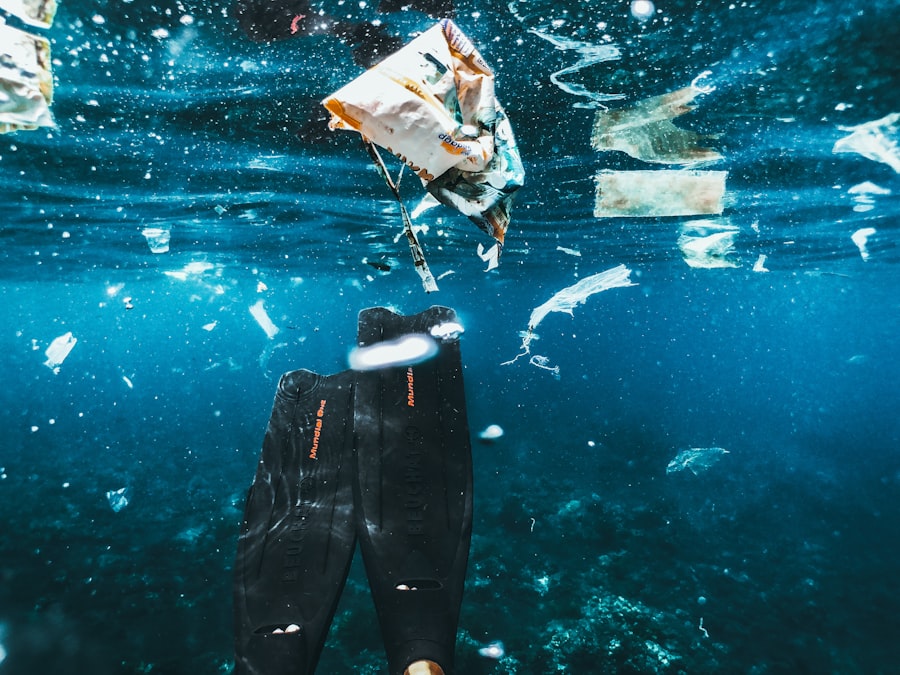
The omnipresence of microplastics in aquatic ecosystems means that they inevitably enter the human food chain. As smaller organisms ingest microplastics, they become a source of contamination for the larger predators that consume them. This biomagnification – the increasing concentration of a substance in organisms at successively higher levels of a food chain – means that apex predators, including humans who consume seafood, can end up with significant levels of microplastics and associated toxins in their bodies.
A Continental Buffet: The Journey Through the Food Web
Imagine plankton as the microscopic breadcrumbs of the ocean’s continental buffet. When they consume microplastics, those plastic particles become part of their microscopic bodies. Then, a small fish consumes many of these plankton. The microplastics within those plankton are now concentrated in the small fish. A larger fish then consumes many of those smaller fish, and the concentration of microplastics continues to climb. This process repeats itself, moving up the food web, until the microplastics are present in the fish, shellfish, and other seafood that eventually land on your dinner plate.
The Unseen Passengers in Your Seafood
When you choose to eat fish or shellfish, you are not just consuming protein and nutrients; you may also be inadvertently consuming microplastics. Studies have detected microplastics in a wide variety of seafood, including mussels, oysters, fish, and even table salt derived from seawater. The extent to which these microplastics are absorbed by the human body and their long-term health implications are still areas of active research. However, the presence of these persistent pollutants in our food sources is a cause for concern. It’s like finding tiny, indelible grains of sand mixed into your carefully prepared meal.
Potential Health Implications: An Emerging Concern
While the direct health impacts of ingesting microplastics in humans are not yet fully understood, researchers are exploring potential implications. These could include physical effects from the accumulation of plastic particles in the digestive system, as well as chemical toxicity from the additives and adsorbed pollutants. The long-term consequences of chronic exposure to low levels of microplastics and associated chemicals circulating within our bodies are a significant area of scientific inquiry. The unknown nature of these effects only adds to the urgency of addressing the problem at its source.
The Regulatory Response: From Bans to Alternatives
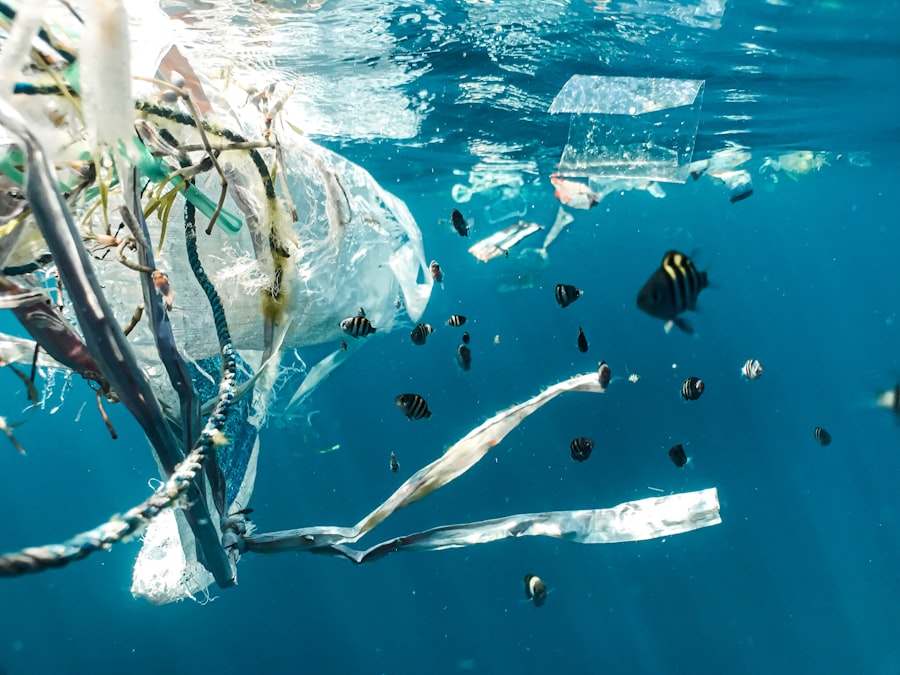
Recognizing the growing environmental threat posed by microplastics in personal care products, governments and regulatory bodies worldwide have begun to take action. This response has primarily focused on banning the manufacture and sale of products containing microbeads, prompting industries to seek alternative exfoliating agents.
The Dawn of Bans: Eliminating the Source
Numerous countries and regions have enacted legislation to ban the use of microbeads in rinse-off cosmetic products. The United States, for example, passed the Microbead-Free Waters Act in 2015, prohibiting the manufacture and introduction into commerce of rinse-off cosmetics containing intentionally added plastic microbeads. Similar bans have been implemented in the European Union, Canada, and Australia. These legislative measures represent a significant step forward in addressing this specific source of microplastic pollution. The aim is to cut off the flow of these tiny plastic pollutants at their point of origin.
Industry Adaptation: Embracing Sustainable Solutions
In response to these regulatory changes and increasing consumer awareness, the personal care industry has been compelled to adapt. Manufacturers have been actively seeking out and incorporating alternative exfoliating ingredients into their products. This has led to a surge in the use of natural and biodegradable exfoliants, offering a more environmentally responsible approach to achieving smooth, radiant skin. The challenge for the industry has been to find alternatives that are as effective and cost-efficient as plastic microbeads, while also being environmentally benign.
The Rise of Natural Exfoliants: A Greener Approach
The market now offers a diverse range of natural exfoliating agents that are gentle on both your skin and the environment. These include:
- Sugar and Salt: Granulated sugar and sea salt are natural humectants and provide a physical exfoliation. They dissolve in water and are readily biodegradable.
- Ground Seeds and Nuts: Finely ground apricot kernels, coffee grounds, and walnut shells offer a coarser exfoliation. When sourced responsibly, these can be excellent biodegradable alternatives.
- Fruit Enzymes: Papaya and pineapple extracts contain enzymes like papain and bromelain, which chemically break down dead skin cells. These are particularly effective for sensitive skin.
- Oatmeal: Colloidal oatmeal and finely ground oats provide gentle exfoliation and possess anti-inflammatory properties, making them ideal for soothing the skin.
- Bentonite Clay and Kaolin Clay: These clays can gently slough away dead skin cells as they dry and are washed away, offering both exfoliation and detoxification.
These alternatives represent a triumph of innovation, demonstrating that effective exfoliation does not need to come at the cost of environmental degradation. They are the building blocks of a more sustainable beauty routine, allowing you to achieve your desired results without contributing to the microscopic pollution of our planet.
Recent studies have raised concerns about the presence of microplastics in various cosmetic products, particularly in exfoliating scrubs, which often contain tiny plastic beads that can harm marine life and ecosystems. For a deeper understanding of this issue and its implications, you can read a related article that explores the environmental impact of these microplastics and suggests alternatives for consumers. This informative piece can be found here.
Your Role in the Solution: Making Informed Choices
| Metric | Value | Unit | Notes |
|---|---|---|---|
| Average Microplastic Particle Size | 10-500 | micrometers | Typical size range of microbeads in scrubs |
| Microplastic Concentration in Scrubs | 0.1-10 | grams per gram of product | Varies by brand and formulation |
| Estimated Microplastic Release per Use | 0.01-0.1 | grams | Amount washed off during a single exfoliation |
| Percentage of Scrubs Containing Microplastics | 60-90 | % | Based on market surveys |
| Environmental Persistence | 100-1000+ | years | Estimated degradation time in marine environments |
| Common Polymer Types | Polyethylene (PE), Polypropylene (PP) | N/A | Most frequently used microplastic polymers in scrubs |
| Regulatory Status | Banned in 30+ countries | N/A | Restrictions on microbeads in personal care products |
While legislative action and industry innovation are crucial, your individual choices as a consumer play a vital role in curbing microplastic pollution. By understanding the issue and making conscious decisions about the products you purchase, you can contribute significantly to a cleaner environment.
Reading the Label: Becoming a Discerning Consumer
The most direct way to avoid contributing to microplastic pollution from your exfoliating scrub is to scrutinize product ingredient lists. Look for terms such as:
- Polyethylene (PE)
- Polypropylene (PP)
- Polyethylene Terephthalate (PET)
- Polymethyl Methacrylate (PMMA)
- Nylon
If you see any of these plastic polymers listed as an ingredient, particularly in a granular form, it is likely a source of microbeads. Many brands now proudly advertise their “microbead-free” status, often highlighting their use of natural exfoliants. Becoming a label detective is your first line of defense.
Embracing the “Free-From” Movement: Voting with Your Wallet
When you choose to purchase products clearly labeled as “microbead-free” or “plastic-free,” you are sending a powerful message to manufacturers. You are demonstrating that there is a market demand for sustainable personal care options. This consumer power incentivizes companies to continue developing and prioritizing environmentally friendly alternatives. It’s akin to casting a vote for a healthier planet with every purchase you make. Your purchasing power is a potent force for change.
Diversifying Your Exfoliation Routine: The Beauty of Natural Options
Consider exploring the wealth of natural exfoliating options available. Experiment with different ingredients like finely ground coffee, sugar scrubs made with natural oils, or fruit-based enzymatic treatments. You might discover that these natural alternatives offer a superior exfoliating experience, leaving your skin feeling just as smooth and radiant, if not more so. These options are not just good for the environment; they can also be beneficial for your skin, offering additional nourishing and therapeutic properties.
Spreading the Word: Educating Others
Once you are informed about the issue of microplastics in exfoliating scrubs, share your knowledge with friends, family, and colleagues. The more people who are aware of the problem and its potential solutions, the greater the collective impact will be. Encourage them to read labels, choose microbead-free products, and explore natural alternatives. You become an ambassador for change, extending the ripple effect of your informed decisions beyond your own actions.
The seemingly harmless ritual of exfoliating can, unfortunately, contribute to a significant environmental problem. However, by understanding the journey of microplastics from your bathroom sink to our oceans and equipping yourself with the knowledge to make informed choices, you can become part of the solution. You hold the power to turn the tide, one scrub at a time, towards a cleaner, healthier planet for all.
FAQs
What are microplastics in exfoliating scrubs?
Microplastics in exfoliating scrubs are tiny plastic particles, often less than 5 millimeters in size, used as abrasive agents to help remove dead skin cells. These particles are typically made from polyethylene or other synthetic polymers.
Why are microplastics used in exfoliating scrubs?
Microplastics are used in exfoliating scrubs because they provide a gentle abrasive effect that helps to cleanse and smooth the skin by physically removing dead skin cells and impurities.
What environmental concerns are associated with microplastics in exfoliating scrubs?
Microplastics from exfoliating scrubs can wash down drains and enter waterways, where they contribute to pollution. They are harmful to marine life, as they can be ingested by aquatic animals, potentially entering the food chain and causing ecological damage.
Are there alternatives to microplastics in exfoliating scrubs?
Yes, many exfoliating scrubs now use natural alternatives such as ground nut shells, sugar, salt, jojoba beads, or other biodegradable materials that provide exfoliation without the environmental impact of plastic microbeads.
Have any regulations been implemented regarding microplastics in exfoliating scrubs?
Several countries have introduced bans or restrictions on the use of plastic microbeads in personal care products, including exfoliating scrubs, to reduce environmental pollution. These regulations encourage manufacturers to switch to environmentally friendly alternatives.