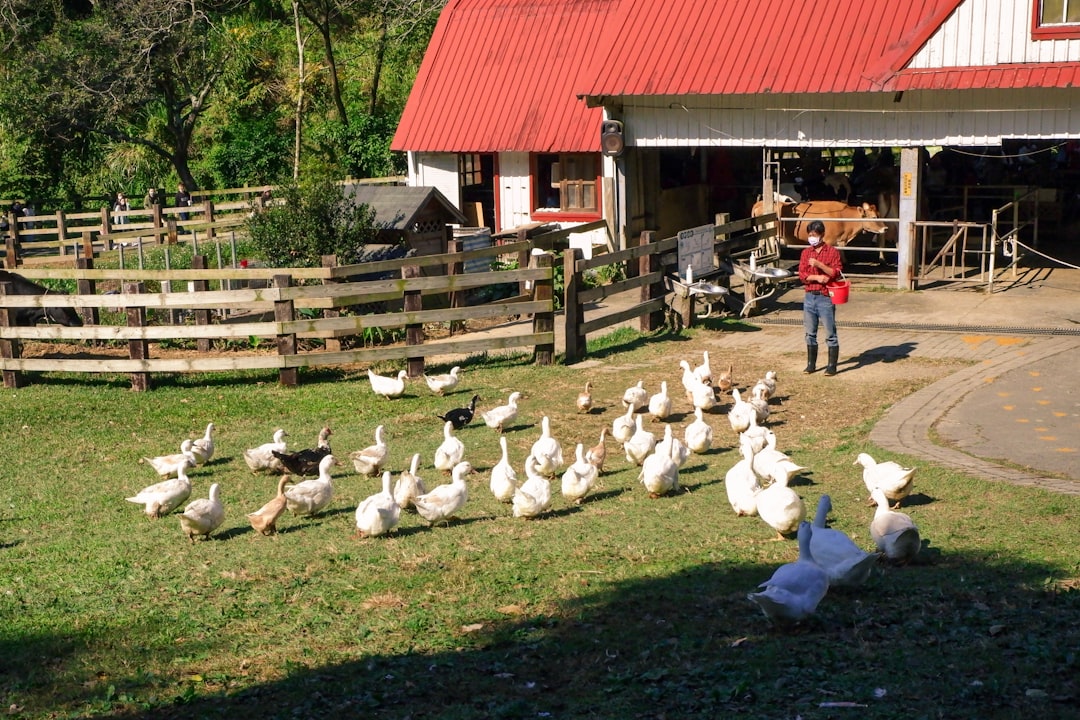
Organic poultry farming requires understanding the established standards that regulate the industry. These standards, established by various certification authorities, ensure that poultry are raised in ways that promote both animal welfare and environmental sustainability. The regulations cover multiple aspects of production, including feed composition, living conditions, and the requirement for birds to have access to outdoor areas.
They specifically prohibit synthetic feed additives and emphasize allowing birds to express their natural behaviors. Farmers must become familiar with the specific organic certification requirements in their region, as these can vary by jurisdiction. Compliance with these standards goes beyond regulatory adherence—it represents a commitment to sustainable agriculture and animal welfare principles.
By following these guidelines, farmers contribute to the production of healthier food options while implementing ethical farming practices that meet growing consumer demand for responsibly produced poultry products.
Key Takeaways
- Organic poultry farming requires adherence to specific standards including breed selection, outdoor access, and certified organic feed.
- Maintaining poultry health and welfare is crucial through sustainable and humane management practices.
- Proper handling, processing, and marketing strategies are essential to meet organic certification and consumer expectations.
- Sustainable practices help reduce environmental impact and support long-term farm viability.
- Access to resources and support networks is important for overcoming challenges in organic poultry farming.
Selecting the Right Breeds for Organic Poultry Farming
Choosing the right breeds for your organic poultry farm is a critical decision that can significantly impact your success. Different breeds have varying temperaments, growth rates, and adaptability to outdoor environments. As you consider your options, think about what you want to achieve with your poultry operation.
Are you aiming for egg production, meat production, or perhaps both? Each goal may lead you to different breeds that excel in those areas. For instance, if you are focused on egg production, breeds like the Rhode Island Red or the Leghorn may be ideal due to their prolific laying capabilities.
On the other hand, if meat production is your primary concern, you might lean towards broiler breeds such as the Cornish Cross. Additionally, consider the climate and environment of your farm when selecting breeds. Some birds are more resilient to cold or hot weather, which can influence their overall health and productivity.
By carefully selecting breeds that align with your goals and environmental conditions, you set a solid foundation for a thriving organic poultry operation.
Providing Access to the Outdoors for Organic Poultry

One of the cornerstones of organic poultry farming is providing your birds with access to outdoor spaces. This practice not only adheres to organic standards but also enhances the overall well-being of your poultry. Outdoor access allows chickens to engage in natural behaviors such as foraging, dust bathing, and socializing, which can lead to healthier and happier birds.
As you design your farm layout, consider how you can create safe and inviting outdoor areas for your flock. Creating an outdoor environment involves more than just opening a door; it requires thoughtful planning. You will need to ensure that the outdoor space is secure from predators while also providing adequate shelter from harsh weather conditions.
Additionally, consider incorporating features like shade structures and perches to encourage exploration and comfort. By prioritizing outdoor access, you not only comply with organic standards but also foster a more vibrant and productive flock.
Feeding Organic Poultry with Certified Organic Feed
Feeding your organic poultry with certified organic feed is another vital aspect of maintaining organic standards. The feed must be free from synthetic pesticides, herbicides, and genetically modified organisms (GMOs). As you source feed for your birds, look for suppliers who can provide documentation proving that their products meet organic certification requirements.
This step is crucial not only for compliance but also for ensuring that your poultry receive high-quality nutrition. In addition to sourcing organic feed, consider supplementing your birds’ diets with natural foraging opportunities. Allowing them to roam outdoors can enable them to find insects, seeds, and plants that contribute to their overall diet.
This practice not only enhances their nutritional intake but also promotes their natural behaviors. By combining certified organic feed with foraging opportunities, you create a balanced diet that supports the health and productivity of your poultry.
Managing Health and Welfare of Organic Poultry
| Standard | Description | Requirement | Purpose |
|---|---|---|---|
| Feed | Organic feed composition | 100% organic feed, no synthetic additives or GMOs | Ensure natural diet and avoid chemical residues |
| Housing | Living conditions for poultry | Access to outdoor areas, sufficient space, natural light | Promote natural behaviors and animal welfare |
| Health Management | Use of medications and treatments | Preventive health care preferred; limited use of antibiotics | Maintain health without compromising organic integrity |
| Breeding | Genetic stock and reproduction | Use of organic or non-GMO breeds; no genetic engineering | Preserve natural genetics and biodiversity |
| Environmental Impact | Waste management and sustainability | Proper manure management; minimize pollution | Protect soil, water, and surrounding ecosystems |
| Certification | Verification and compliance | Regular inspections and record-keeping | Ensure adherence to organic standards |
The health and welfare of your organic poultry should be a top priority throughout your farming operation. Regular health checks are essential to identify any potential issues early on. You will need to monitor your birds for signs of illness or distress and implement preventive measures to keep them healthy.
This may include vaccinations, biosecurity protocols, and maintaining clean living conditions. In addition to physical health, consider the mental well-being of your flock. Providing enrichment activities such as pecking blocks or hanging vegetables can help reduce stress and boredom among your birds.
A happy flock is often a productive flock, so investing time in understanding their needs will pay off in the long run. By prioritizing both health and welfare, you create an environment where your poultry can thrive.
Implementing Sustainable Practices in Organic Poultry Farming
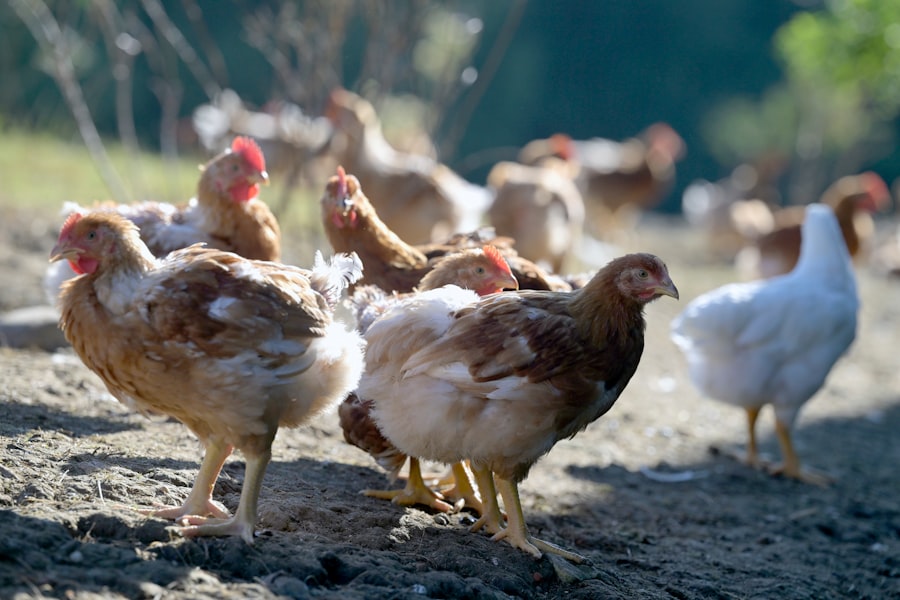
Sustainability is at the heart of organic poultry farming, and implementing eco-friendly practices can enhance both your operation’s efficiency and its environmental impact. Start by considering waste management strategies; composting manure not only reduces waste but also provides valuable nutrients for your crops if you engage in mixed farming practices. This closed-loop system minimizes reliance on external inputs and promotes soil health.
Water conservation is another critical aspect of sustainable poultry farming. Implementing rainwater harvesting systems or using efficient watering systems can help reduce water usage while ensuring that your birds have access to clean drinking water at all times. Additionally, consider integrating renewable energy sources such as solar panels to power your operations.
By adopting these sustainable practices, you not only contribute positively to the environment but also enhance the long-term viability of your poultry farm.
Maintaining Organic Certification for Poultry Farming
Maintaining organic certification is an ongoing process that requires diligence and attention to detail. Once you have achieved certification, it is crucial to adhere strictly to all organic standards consistently. This includes keeping accurate records of feed purchases, health treatments, and any changes made within your operation.
Regular audits by certifying bodies will assess compliance with organic regulations, so being organized and transparent is key. You should also stay informed about any changes in organic standards or regulations that may affect your farm. Engaging with local organic farming communities or attending workshops can provide valuable insights into best practices and updates in the industry.
By remaining proactive in maintaining your certification, you ensure that your farm continues to meet consumer expectations while upholding the integrity of organic farming principles.
Ensuring Proper Handling and Processing of Organic Poultry
Proper handling and processing of organic poultry are essential components of maintaining quality and safety throughout the supply chain.
This includes ensuring that processing facilities are certified organic and that all equipment used is free from contaminants.
Training staff on proper handling techniques is crucial in preventing cross-contamination and ensuring food safety. You should implement strict protocols for cleaning and sanitizing equipment regularly while also monitoring temperatures during processing to maintain product quality. By prioritizing proper handling and processing practices, you not only comply with regulations but also build trust with consumers who seek high-quality organic products.
Marketing and Selling Organic Poultry Products
Marketing your organic poultry products effectively can significantly impact your business’s success. Start by identifying your target market—are you selling directly to consumers through farmers’ markets or focusing on wholesale distribution? Understanding your audience will help tailor your marketing strategies accordingly.
Utilize social media platforms to showcase your farm’s story and connect with potential customers. Sharing behind-the-scenes glimpses of your farming practices can foster transparency and build trust with consumers who value ethical sourcing. Additionally, consider collaborating with local restaurants or grocery stores that prioritize organic products; these partnerships can expand your reach and enhance brand visibility.
By employing effective marketing strategies, you can create a loyal customer base eager to support your organic poultry operation.
Addressing Challenges and Common Issues in Organic Poultry Farming
Like any agricultural endeavor, organic poultry farming comes with its own set of challenges. One common issue is managing pests without resorting to synthetic chemicals; this requires creativity and resourcefulness in finding natural solutions such as introducing beneficial insects or using traps. Additionally, fluctuations in feed prices can impact profitability; staying informed about market trends can help you make strategic decisions regarding feed sourcing.
Another challenge may arise from consumer misconceptions about organic products; educating customers about the benefits of organic poultry can help bridge this gap. Hosting farm tours or workshops can provide firsthand experiences that demystify organic practices while fostering community engagement. By proactively addressing these challenges, you position yourself as a knowledgeable farmer committed to overcoming obstacles in pursuit of sustainable practices.
Resources and Support for Organic Poultry Farmers
As an aspiring or established organic poultry farmer, numerous resources are available to support you on this journey. Local agricultural extension offices often provide valuable information on best practices, regulations, and funding opportunities specific to organic farming. Additionally, organizations such as the USDA’s National Organic Program offer guidelines and resources tailored for those seeking certification.
Networking with other organic farmers through associations or online forums can provide insights into shared experiences and solutions to common challenges. Participating in workshops or conferences focused on organic agriculture can further enhance your knowledge base while connecting you with industry experts. By leveraging these resources and support systems, you empower yourself to navigate the complexities of organic poultry farming successfully.
In conclusion, embarking on an organic poultry farming venture requires a comprehensive understanding of standards, breed selection, outdoor access, feeding practices, health management, sustainability efforts, certification maintenance, processing protocols, marketing strategies, challenge mitigation, and resource utilization. By embracing these principles holistically, you position yourself not only as a successful farmer but also as a steward of ethical agriculture committed to producing high-quality organic products for consumers who value sustainability and animal welfare.
For those interested in understanding the standards surrounding organic livestock poultry, a related article can provide valuable insights. You can explore more about the regulations and practices that ensure the integrity of organic poultry farming by visiting this informative piece on organic standards. Check it out here: Organic Livestock Poultry Standards.
FAQs
What are organic livestock poultry standards?
Organic livestock poultry standards are a set of regulations and guidelines that govern the raising, feeding, and care of poultry to ensure they meet organic certification requirements. These standards focus on animal welfare, natural living conditions, and the prohibition of synthetic chemicals and antibiotics.
Who sets the organic livestock poultry standards?
Organic livestock poultry standards are typically established by government agencies or accredited certification bodies. In the United States, for example, the USDA’s National Organic Program (NOP) sets the standards, while other countries have their own regulatory authorities.
What types of poultry are covered under organic standards?
Organic standards generally apply to various types of poultry, including chickens, turkeys, ducks, and other domesticated birds raised for meat or egg production.
What are the key requirements for organic poultry feed?
Organic poultry must be fed 100% organic feed that is free from synthetic pesticides, herbicides, genetically modified organisms (GMOs), and animal by-products. The feed should also be nutritionally adequate to support the health and growth of the birds.
Are antibiotics allowed in organic poultry production?
No, the use of antibiotics is prohibited in organic poultry production. If an animal requires antibiotics for health reasons, it must be removed from the organic program.
What are the housing requirements for organic poultry?
Organic poultry must have access to the outdoors and be provided with living conditions that allow natural behaviors such as foraging, dust bathing, and perching. Indoor housing must meet specific space and ventilation standards to ensure animal welfare.
How is animal welfare addressed in organic poultry standards?
Animal welfare is a central component of organic standards. This includes providing adequate space, clean and comfortable living conditions, access to the outdoors, and minimizing stress and suffering throughout the birds’ lives.
Can organic poultry be treated with synthetic chemicals or hormones?
No, the use of synthetic chemicals, hormones, or growth promoters is strictly prohibited in organic poultry production.
How is compliance with organic poultry standards verified?
Compliance is verified through regular inspections and audits conducted by accredited certification agencies. Producers must maintain detailed records and allow access to their facilities for review.
What are the benefits of organic livestock poultry standards?
The benefits include improved animal welfare, reduced environmental impact, avoidance of synthetic chemicals and antibiotics, and the production of poultry products that meet consumer demand for organic and sustainably raised food.