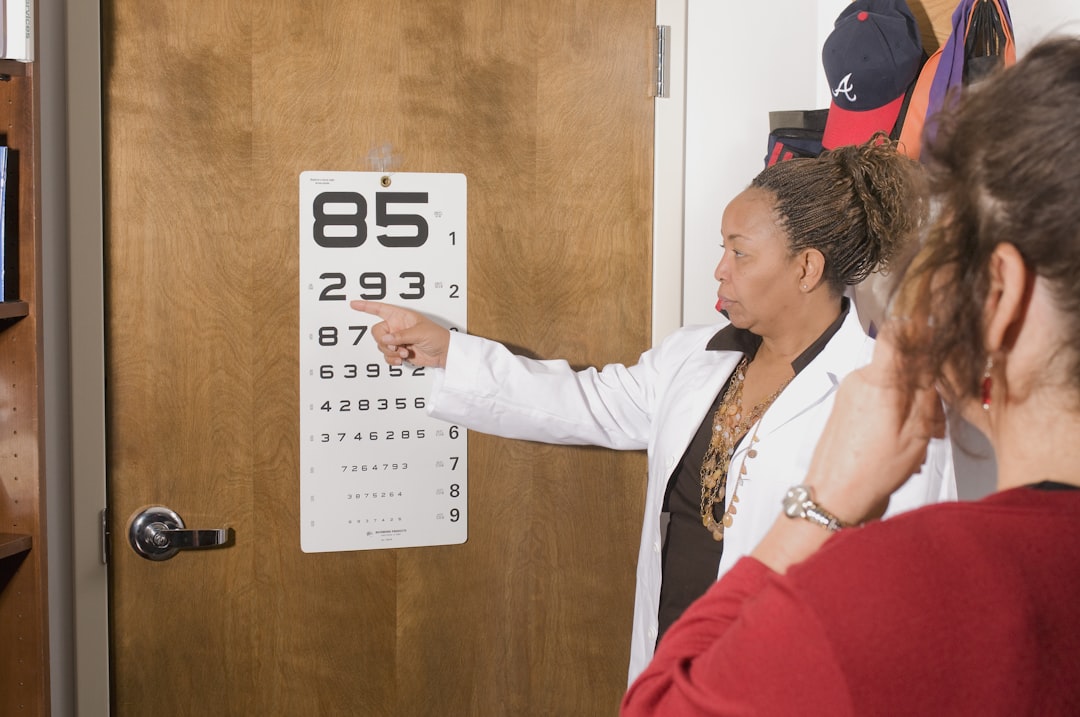
You understand the importance of maintaining your health, and that includes your vision. However, approaching your eye exam can feel like navigating a complex process. This guide breaks down the journey of your eye exam into a familiar framework: the sales funnel. By understanding each stage, you can proactively engage and ensure you are receiving the most comprehensive and effective care possible, ultimately maximizing your eye health. Think of it not as a transaction, but as a strategic investment in your long-term well-being.
Awareness: Recognizing the Need for Eye Care
The initial stage of any funnel is awareness – understanding that something requires your attention. For your eye health, this awareness can stem from various sources. It’s not just about noticing blurry vision; it’s about recognizing the subtle signs and understanding the broader implications of neglecting your ocular well-being.
Identifying the Symptoms
You’ve likely experienced some of these before, or perhaps you’re in the early stages of noticing them. Don’t dismiss them.
Blurry or Distorted Vision
This is the most common tell-tale sign. You might find yourself squinting to read signs, noticing text appearing fuzzy, or experiencing double vision. It’s not just an inconvenience; it signifies a change in how your eyes are focusing light.
Eye Strain and Fatigue
Prolonged screen time, reading in poor light, or driving at night can lead to eye strain. You might experience discomfort, dryness, redness, or even headaches. While often attributed to overwork, persistent eye strain can be a symptom of an underlying refractive error or other visual issues.
Difficulty with Night Vision
Do you find yourself struggling to see clearly in dimly lit environments? This could be a sign of conditions like nyctalopia (night blindness), which can be caused by vitamin deficiencies or more serious eye diseases.
Seeing Floaters or Flashes
These are often described as specks or cobwebs drifting in your vision, or sudden flashes of light. While occasional floaters can be benign, a sudden increase or accompanied by flashes warrants immediate attention as it could indicate retinal detachment or other serious issues.
Redness, Itching, or Discharge
These symptoms can point to various eye conditions, from simple allergies and dry eye to more serious infections like conjunctivitis (pink eye) or keratitis. Persistent or severe redness should never be ignored.
Pain or Discomfort
Any sensation of pain in or around your eyes, whether it’s a dull ache or sharp sensation, needs to be investigated. Eye pain can be a symptom of glaucoma, uveitis, or even acute infections.
Understanding the Risks of Neglect
Ignoring these symptoms is not a viable long-term strategy. The consequences can range from inconvenient to severe.
Progression of Refractive Errors
Conditions like myopia (nearsightedness), hyperopia (farsightedness), and astigmatism, if left uncorrected, can worsen over time, impacting your quality of life and potentially leading to further visual strain.
Development of Serious Eye Diseases
Many sight-threatening conditions, such as glaucoma, macular degeneration, and diabetic retinopathy, often present with few or no early symptoms. Regular eye exams are crucial for early detection and intervention.
Impact on Daily Activities
Poor vision can hinder your ability to perform everyday tasks, from driving and reading to working and enjoying hobbies. This can lead to reduced independence and a diminished quality of life.
Potential for Permanent Vision Loss
For certain conditions, treatment is most effective when initiated early. Delaying diagnosis can regrettably lead to irreversible vision loss.
An eye exam can often be viewed as a sales funnel, guiding patients through a process that not only assesses their vision but also introduces them to various products and services. This concept is explored in detail in a related article that discusses how healthcare providers can effectively engage patients while promoting their offerings. To learn more about this intriguing perspective, you can read the article here: Why Your Eye Exam is a Sales Funnel.
Interest: Seeking Information and Exploring Options
Once you’ve acknowledged the need, the next step is to cultivate interest in finding solutions. This involves actively seeking information about eye care professionals and the services they offer.
Researching Eye Care Providers
The digital age offers a wealth of resources to help you find the right fit for your needs. Don’t settle for the first name you see.
Optometrists vs. Ophthalmologists
Understand the distinct roles of these professionals.
Optometrists (ODs): These are primary eye care providers who can perform eye exams, diagnose and treat common eye conditions, prescribe glasses and contact lenses, and detect signs of more serious eye diseases. They are your first line of defense for routine eye care.
Ophthalmologists (MDs): These are medical doctors specializing in eye and vision care. They can perform all the functions of an optometrist, but they also perform eye surgery, diagnose and treat complex eye diseases, and manage ocular conditions requiring medical intervention.
Gathering Recommendations
Word-of-mouth is a powerful tool.
Personal Referrals: Ask friends, family, or colleagues about their experiences with local eye care professionals. Their insights can provide valuable perspectives on bedside manner, thoroughness, and overall patient satisfaction.
Online Reviews: Websites like Google Reviews, Yelp, or specialized healthcare review platforms can offer a broader overview of patient experiences. Look for recurring themes and consider the overall rating, but also read the reviews to understand the context.
Evaluating Credentials and Specializations
Beyond general qualifications, consider specialized expertise if you have specific concerns.
Board Certification: Ensure the eye doctor is board-certified, indicating they have met rigorous standards of knowledge and practice.
Specialty Areas: Some optometrists and ophthalmologists have further training in areas like pediatric eye care, contact lens fitting, dry eye management, low vision rehabilitation, or specific surgical procedures. If you have a particular concern, look for a provider with relevant expertise.
Understanding the Scope of Eye Exams
A comprehensive eye exam is more than just a quick vision check. It’s a detailed assessment of your ocular health.
What to Expect During a Comprehensive Eye Exam
Familiarize yourself with the typical components to know what information you should be gathering.
Visual Acuity Test (20/20 Vision): This is the classic eye chart test to determine how clearly you see at different distances.
Refraction: This determines your prescription for glasses or contact lenses, assessing for myopia, hyperopia, astigmatism, and presbyopia.
Eye Muscle Movement Test: This checks the coordination and alignment of your eye muscles.
Peripheral Vision Test (Visual Field Test): This assesses your side vision, which can be affected by conditions like glaucoma.
Pupil Response Test: This examines how your pupils react to light, which can indicate neurological issues.
Cover Test: This simple test helps detect strabismus (eye misalignment).
Specialized Testing
Depending on your age, risk factors, and initial findings, additional tests may be recommended.
Retinal Imaging (Fundus Photography): This captures high-resolution images of the back of your eye, allowing for detailed examination of the retina, optic nerve, and blood vessels. This is crucial for detecting conditions like diabetic retinopathy, macular degeneration, and glaucoma.
Optical Coherence Tomography (OCT): This advanced imaging technique uses light waves to create cross-sectional images of the retina, providing detailed information about its layers. It’s particularly useful for diagnosing and monitoring macular degeneration, glaucoma, and diabetic macular edema.
Tonometry (Glaucoma Screening): This measures the intraocular pressure (IOP) inside your eye. Elevated IOP is a major risk factor for glaucoma.
Slit Lamp Examination: This uses a microscope with a bright light to examine the front structures of your eye, including the cornea, iris, and lens.
Decision: Committing to an Eye Exam
This is the crucial stage where interest translates into action. You’ve gathered information, and now you need to make a commitment to schedule and attend your appointment.
Scheduling Your Appointment
Procrastination can be a detriment to your eye health. Take the necessary steps to book your exam.
Choosing the Right Time
Consider your schedule and any potential visual demands leading up to or following your appointment.
Avoiding Peak Times: If possible, aim for appointments during less busy hours to allow your eye doctor and staff to dedicate more focused attention to you.
Considering Your Prescription Needs: If you anticipate needing new glasses, try not to schedule your exam immediately before a major event where clear vision is paramount, as there might be a lead time for new eyewear.
Understanding Insurance and Payment Options
Financial considerations shouldn’t be a barrier to necessary healthcare.
Verifying Insurance Coverage: Before booking, contact your insurance provider to understand the specifics of your vision or medical insurance plan. Confirm whether the exam is covered, what percentage is reimbursed, and if there are any deductibles or co-pays.
Exploring Payment Plans or Financing: If you have out-of-pocket expenses, inquire about payment plans or financing options offered by the eye care practice.
Preparing for Your Appointment
Being well-prepared can streamline the process and ensure you get the most out of your visit.
Gathering Your Medical History
Your eye doctor needs a comprehensive understanding of your overall health.
List of Medications: Bring a list of all medications you are currently taking, including prescription drugs, over-the-counter medications, vitamins, and supplements. Some medications can affect your eyes.
Past Ocular History: Be ready to discuss any previous eye surgeries, injuries, infections, or diagnosed eye conditions.
Family Ocular History: Inform your doctor if there is a family history of eye diseases such as glaucoma, macular degeneration, or cataracts, as these can have a genetic component.
Allergies: Mention any known allergies, especially to medications or contact lens solutions.
Preparing Your Questions
Don’t be afraid to ask about your vision and eye health.
Specific Concerns: Write down any symptoms you’ve been experiencing, even if they seem minor.
Lifestyle Impact: Consider how your vision affects your daily life and ask about any workarounds or improvements.
Preventative Measures: Inquire about best practices for maintaining eye health, including diet, exercise, and screen time management.
Follow-up Care: Understand what to expect after the exam, including any recommended treatments, further testing, or follow-up appointments.
Purchase: The Comprehensive Eye Exam Experience
This is the core of the funnel – the actual eye examination. It’s where you engage with the eye care professional and undergo the diagnostic process.
Engaging with Your Eye Care Professional
The effectiveness of your exam relies on your active participation and open communication.
Communicating Your Symptoms and Concerns Clearly
Be direct and detailed in explaining what you’re experiencing.
Describe the Onset and Duration: When did the symptoms start? Have they been constant or intermittent?
Quantify Severity: How bothersome are the symptoms? Do they interfere with your daily activities?
Note Triggers and Relievers: Are there specific times or activities that worsen or improve your symptoms?
Asking Clarifying Questions
Don’t hesitate to seek further explanation if anything is unclear.
Understanding Diagnoses: If a diagnosis is given, ask your doctor to explain it in plain language and discuss its implications.
Treatment Options: If treatment is recommended, understand the purpose, benefits, potential side effects, and alternatives.
Prognosis: Ask about the expected outcome of the condition and treatment.
Undergoing the Diagnostic Tests
This is where the technical assessment of your eye health takes place. You will be guided through various procedures.
Cooperating with the Examiner
Follow the instructions of the optometrist or ophthalmologist diligently. This ensures accurate results.
Visual Acuity Testing: Clearly communicate what you see on the eye chart.
Refraction: Be honest about which lens option improves your vision the most.
Visual Field Testing: If you feel you are missing something, report it.
Retinal Imaging/OCT: Remain still during these procedures to allow for clear images.
Trusting the Professional’s Expertise
While you are an active participant, ultimately, you are entrusting your eye health to trained professionals. Allow them to perform their assessments without undue interference.
Understanding how your eye exam functions as a sales funnel can provide valuable insights into the broader marketing strategies employed by healthcare providers. Many people may not realize that the process of an eye exam is not just about checking vision but also about guiding patients toward necessary products and services. For a deeper dive into this concept, you can explore a related article that discusses the intricacies of healthcare marketing at Hey Did You Know This. This resource can help you appreciate how eye care professionals use the exam as an opportunity to educate patients while subtly promoting their offerings.
Post-Purchase: Ongoing Eye Health Management
The eye exam isn’t a one-time event; it’s part of an ongoing commitment to your vision. This stage focuses on implementing recommendations and maintaining a proactive approach to eye health.
Adhering to Recommendations and Prescriptions
This is where the value of the exam is truly realized.
Following Prescription Guidance
If you’ve been prescribed glasses or contact lenses, use them as directed.
Correct Use: Ensure you wear your glasses or contact lenses for the intended purposes and for the recommended duration.
Proper Care: For contact lens wearers, meticulously follow cleaning and disinfection instructions to prevent infections.
Implementing Lifestyle Changes
Your doctor may suggest modifications to your daily habits.
Ergonomic Adjustments: For computer work, ensure proper lighting, screen height, and take regular breaks. The “20-20-20 rule” (every 20 minutes, look at something 20 feet away for 20 seconds) can help reduce eye strain.
Nutritional Advice: Discuss with your doctor if dietary changes or supplements could benefit your eye health, particularly concerning antioxidants and omega-3 fatty acids.
UV Protection: Emphasize the importance of wearing sunglasses that block 100% of UVA and UVB rays when outdoors, regardless of the weather.
Scheduling Regular Follow-Ups and Future Exams
Consistency is key to long-term eye health.
Understanding Recall Schedules
Your eye doctor will advise you on how often you need to return for routine check-ups.
Age and Health Status: The recommended frequency of eye exams varies based on your age, general health, and any existing eye conditions. Young children often need more frequent checks to monitor development, while adults with certain risk factors may need annual exams.
Risk Factor Assessment: If you have conditions like diabetes, hypertension, or a family history of eye disease, your doctor will likely recommend more frequent monitoring.
Recognizing When to Seek Prompt Re-evaluation
Don’t wait for your scheduled appointment if your vision changes or new symptoms arise.
Sudden Vision Changes: Any abrupt decrease in vision, sudden onset of flashes or floaters, or the appearance of a curtain or shadow in your vision requires immediate attention.
Increased Discomfort or Pain: Worsening eye pain, redness, or discharge should not be ignored.
New or Worsening Symptoms: If any of the symptoms you initially experienced return or become more severe, contact your eye doctor.
By approaching your eye exam with this structured understanding, you can move beyond a passive experience to an active, informed engagement with your eye health. This proactive approach, akin to navigating a sales funnel strategically, ensures that you not only receive a thorough examination but also gain the knowledge and commitment needed to maintain optimal vision for years to come. Your eyes are a precious asset; invest in their care wisely.
FAQs
What is a sales funnel in the context of an eye exam?
A sales funnel in the context of an eye exam refers to the process of guiding a patient through various stages, from scheduling the appointment to purchasing eyewear or contact lenses. The goal is to provide a comprehensive eye exam while also offering products and services that meet the patient’s needs.
How does the sales funnel concept apply to an eye exam?
The sales funnel concept applies to an eye exam by recognizing that the patient’s journey doesn’t end with the exam itself. It includes the initial appointment, the exam, the recommendation of eyewear or contact lenses, and the purchase of those products. Each stage is an opportunity to provide value to the patient and meet their needs.
What are the stages of the sales funnel in an eye exam?
The stages of the sales funnel in an eye exam typically include awareness (realizing the need for an eye exam), consideration (scheduling the appointment), decision (undergoing the exam and receiving recommendations), and purchase (buying eyewear or contact lenses).
How does the sales funnel benefit the patient during an eye exam?
The sales funnel benefits the patient during an eye exam by ensuring that their needs are met at every stage of the process. It allows for a comprehensive exam, personalized recommendations for eyewear or contact lenses, and a seamless purchasing experience.
What should patients be aware of regarding the sales funnel in an eye exam?
Patients should be aware that the sales funnel in an eye exam is designed to provide them with a complete and satisfying experience. However, they should also feel empowered to make informed decisions about their eye health and the products they choose to purchase.