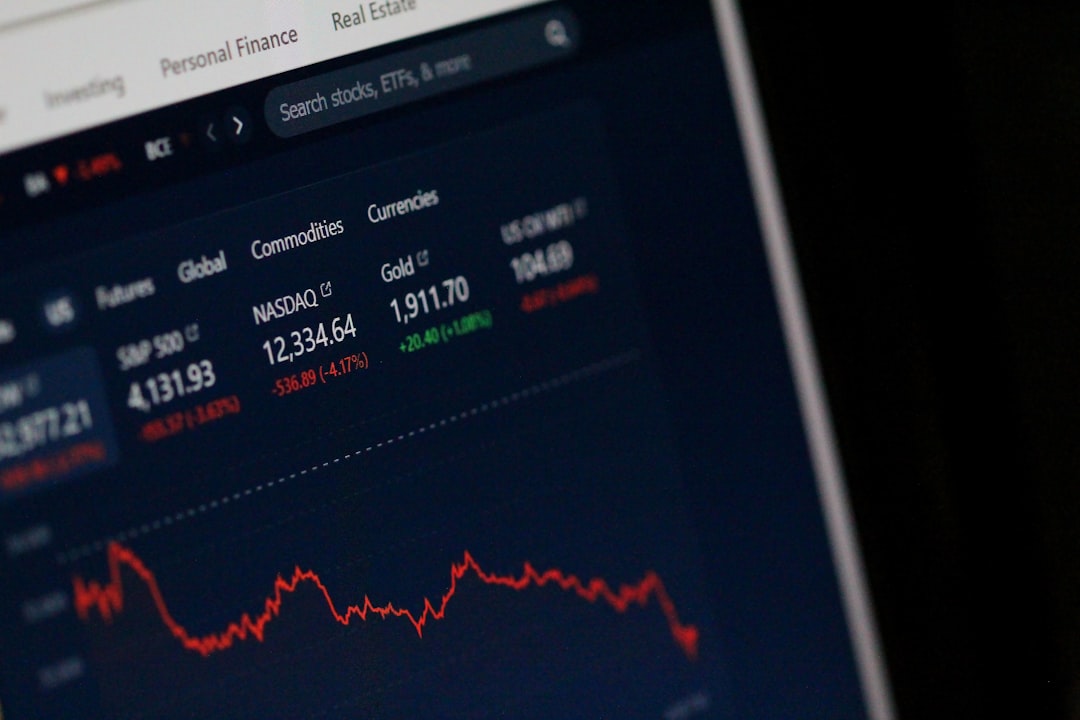
The economic landscape of the post-1971 era presents investors with a unique set of challenges and opportunities. Prior to August 1971, the global financial system operated under the Bretton Woods agreement, a framework that tethered currencies to gold. The unilateral decision by the United States to end the dollar’s convertibility to gold marked a fundamental shift, ushering in an era of floating exchange rates and necessitating a reassessment of investment strategies. This article aims to provide a factual examination of key considerations for maximizing returns in this transformed economic environment.
The abandonment of the gold standard has fundamentally altered the nature of money and its value. In a fiat currency system, the value of a currency is not intrinsically linked to a physical commodity but rather to the trust and confidence placed in the issuing government and its economic policies. This dynamism introduces a new layer of complexity for investors, as currency fluctuations can significantly impact the real return on investments.
Understanding the Implications of Fiat Money
Fiat currencies, while offering greater flexibility in monetary policy for governments, are inherently susceptible to inflation. The ability to print money without backing can lead to a devaluation of the currency over time. Investors must therefore cultivate an understanding of how monetary policy, fiscal policy, and national debt levels can influence inflation and, consequently, the purchasing power of their capital. This requires diligent research into economic indicators and a keen awareness of the macroeconomic forces at play.
The Role of Exchange Rates in Investment Returns
Floating exchange rates mean that the value of one currency relative to another is constantly adjusting based on market forces such as supply and demand, interest rate differentials, and geopolitical events. For investors with international holdings, this introduces currency risk. A seemingly profitable investment in a foreign market can be eroded or amplified by adverse or favorable currency movements.
Hedging Against Currency Volatility
One of the primary strategies to mitigate currency risk is through hedging. This can involve using financial instruments like forward contracts, futures, or options to lock in an exchange rate for future transactions. While hedging can protect against losses, it also incurs costs and may limit potential gains if the currency moves favorably.
Diversification Across Currencies
Beyond hedging, diversification across a basket of currencies can also serve to smooth out returns. By holding assets denominated in different currencies, investors can reduce their reliance on any single currency’s performance. This approach requires a comprehensive understanding of the economic outlook and monetary policies of various countries.
In the context of investing in a post-1971 economy, it is essential to understand how the transition from the gold standard has influenced modern financial markets. A related article that delves into these dynamics can be found at this link. It explores the implications of fiat currency, inflation, and investment strategies that have emerged since the abandonment of the gold standard, providing valuable insights for contemporary investors.
The Impact of Globalization and Interconnected Markets
The post-1971 period has witnessed an unprecedented acceleration of globalization, characterized by increased trade, capital flows, and technological integration across national borders. This interconnectedness offers both broader investment opportunities and heightened systemic risk.
Expanding the Investment Universe
Globalization has effectively expanded the investment universe, allowing investors to access markets and companies previously beyond their reach. Emerging markets, in particular, have become significant destinations for capital, driven by their potential for high growth. This global reach provides diversification benefits and the potential for uncorrelated returns.
The Domino Effect in Financial Crises
However, this interconnectedness also means that financial distress in one part of the world can quickly reverberate across global markets. The 2008 global financial crisis served as a stark reminder of how interconnectedness can amplify shocks. Investors must therefore maintain vigilance regarding global economic trends, political stability, and regulatory developments in major economic blocs.
Assessing Geopolitical Risk
Geopolitical events, ranging from trade wars and sanctions to regional conflicts, can have a profound impact on investment returns. The stability of political regimes, the strength of international relations, and the adherence to international law are all critical factors that investors must evaluate.
Understanding Supply Chain Dynamics
In an increasingly globalized production system, the resilience and efficiency of supply chains are paramount. Disruptions to these chains, whether due to natural disasters, pandemics, or geopolitical tensions, can significantly impact the profitability of businesses and the value of their securities.
The Rise of Technology and its Transformative Effect on Investments

The post-1971 era has been a period of rapid technological advancement, profoundly reshaping industries and creating new investment avenues. From the personal computer revolution to the internet age and artificial intelligence, technology has been a persistent driver of economic change.
Identifying Growth Sectors
Technological innovation has consistently created new growth sectors. Investments in companies at the forefront of these advancements—such as software development, biotechnology, renewable energy, and artificial intelligence—have historically generated substantial returns. Identifying these nascent industries and the companies poised to lead them requires foresight and a deep understanding of technological trajectories.
The Double-Edged Sword of Disruption
While technology creates opportunities, it also disrupts established industries. Companies that fail to adapt to technological change risk obsolescence. Investors must be aware of which industries are vulnerable to disruption and which are likely to benefit from technological advancements. This necessitates a dynamic approach to portfolio management, where underperforming or obsolete assets are pruned.
The Importance of Technological Literacy
A fundamental understanding of emerging technologies is becoming increasingly crucial for investors. This does not necessarily require an engineering background but rather an appreciation for the potential of new technologies to create value, enhance efficiency, or render existing business models defunct.
Investing in Innovation Ecosystems
Beyond individual companies, investors can consider investing in broader innovation ecosystems. This might include venture capital funds, private equity firms, or exchange-traded funds (ETFs) focused on specific technological themes. These approaches offer a way to gain exposure to a diversified set of innovative companies.
The Evolving Role of Fixed Income and Inflationary Pressures
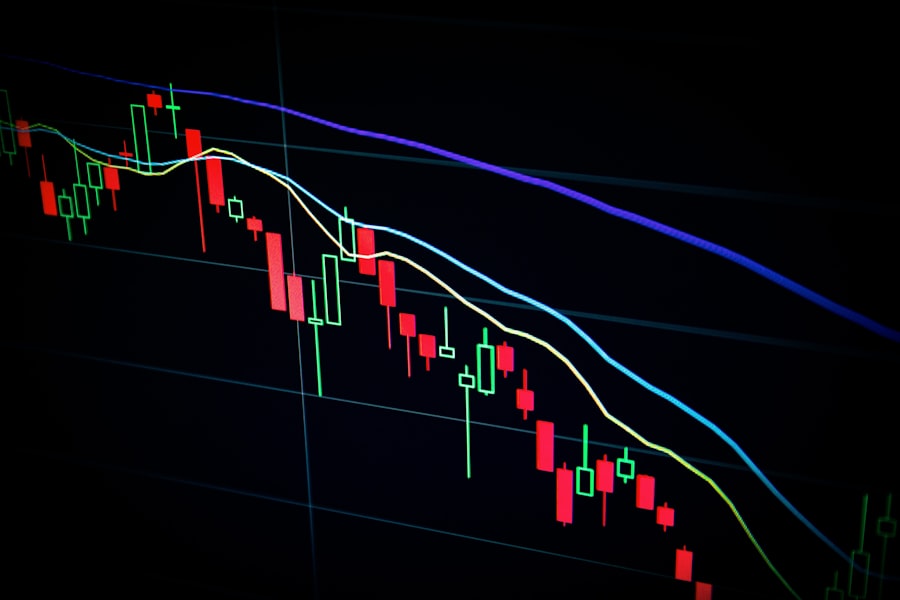
The post-1971 economic era has seen fluctuating inflation rates, which have a direct and significant impact on fixed-income investments. Interest rate policies have been employed as a primary tool to manage inflation, leading to a more volatile bond market than in the pre-1971 era.
Understanding Interest Rate Sensitivity
Bonds are sensitive to changes in interest rates. When interest rates rise, the value of existing bonds with lower coupon rates falls, as new bonds are issued with higher yields. Conversely, when interest rates fall, existing bond values tend to rise. This inverse relationship is a critical concept for fixed-income investors.
The Appeal of Inflation-Protected Securities
In an environment where inflation is a persistent concern, inflation-protected securities, such as Treasury Inflation-Protected Securities (TIPS) in the United States, become increasingly attractive. These instruments are designed to adjust their principal value based on changes in an inflation index, thus preserving purchasing power.
Diversifying Fixed Income Holdings
Fixed-income portfolios should be diversified not only by issuer and maturity but also by credit quality and type of bond. This might include government bonds, corporate bonds, municipal bonds, and mortgage-backed securities, each with its own risk and return characteristics.
The Impact of Monetary Policy on Bonds
Central bank monetary policy decisions, particularly those concerning interest rates and quantitative easing or tightening, have a profound impact on the bond market. Investors must closely monitor the pronouncements and actions of central bankers to anticipate potential shifts in bond yields.
In the context of investing in a post-1971 economy, understanding the implications of the shift from the gold standard is crucial for modern investors. A related article that delves into this topic can be found at Hey Did You Know This, where it explores how this transition has influenced market dynamics and investment strategies over the decades. By examining historical trends and economic shifts, investors can better navigate the complexities of today’s financial landscape.
Adapting Investment Strategies to Market Cycles and Volatility
| Metric | Description | Relevance to Post-1971 Economy | Typical Values/Trends |
|---|---|---|---|
| Inflation Rate | Annual percentage increase in consumer prices | Important due to fiat currency and floating exchange rates introduced post-1971 | Varies widely; average US inflation ~3-4% historically |
| Interest Rates | Cost of borrowing money, set by central banks | Influences investment returns and economic growth in fiat currency system | Ranges from near zero to double digits depending on economic cycle |
| Stock Market Volatility | Measure of price fluctuations in equity markets | Increased volatility due to globalized markets and fiat currency fluctuations | VIX index averages around 20, spikes during crises |
| Gold Price | Market price per ounce of gold | Considered a hedge against fiat currency inflation and economic uncertainty | Significant increase since 1971, from ~35 to over 1800 per ounce |
| Currency Exchange Rates | Value of one currency relative to another | Floating rates introduced post-1971, affecting international investments | Highly variable; influenced by monetary policy and trade balances |
| Real GDP Growth | Inflation-adjusted economic growth rate | Indicator of economic health and investment potential in post-1971 economies | Typically 2-4% annually in developed economies |
| Debt-to-GDP Ratio | Government debt compared to economic output | Higher ratios common post-1971 due to increased borrowing and fiat money creation | Ranges widely; developed countries often 60-120% |
The post-1971 economy is characterized by more pronounced market cycles and periods of heightened volatility than the preceding era. Understanding these cycles and adapting investment strategies accordingly is crucial for long-term success.
Recognizing Economic Cycles
Economies move in cycles of expansion, peak, contraction, and trough. Recognizing where the economy is within its cycle can inform investment decisions. For example, during periods of economic expansion, growth-oriented investments may perform well, while during contractions, defensive assets might be favored.
The Importance of Disciplined Rebalancing
Regardless of market conditions, regular portfolio rebalancing is a sound investment principle. This involves periodically adjusting the asset allocation of a portfolio back to its target percentages. Rebalancing forces investors to sell assets that have performed exceptionally well and buy assets that have underperformed, a principle often referred to as “buying low and selling high.”
Embrace a Long-Term Perspective
While short-term market fluctuations are inevitable, a long-term investment perspective is generally more conducive to achieving substantial returns. Attempting to time the market—predicting short-term peaks and troughs—is notoriously difficult and often leads to suboptimal outcomes. A patient approach, focused on fundamental value and growth potential, is often more rewarding.
The Role of Behavioral Finance
Understanding behavioral biases that can lead investors to make irrational decisions during periods of market stress is also important. Fear and greed are powerful emotions that can drive selling at market bottoms and buying at market tops. Cultivating discipline and sticking to a well-defined investment plan can help mitigate these behavioral pitfalls.
Conclusion
The post-1971 economic era, marked by the departure from the gold standard, the rise of fiat currencies, globalization, and rapid technological advancement, demands a sophisticated and adaptive approach to investing. Investors must navigate the complexities of floating exchange rates, understand the dynamics of interconnected markets, and recognize the transformative power of technology. A diligent approach to research, a commitment to diversification, a keen awareness of economic cycles, and a disciplined long-term perspective are essential tools for maximizing returns in this ever-evolving financial landscape. The journey of investing in this dynamic environment is akin to navigating a vast and ever-shifting ocean; preparedness, adaptability, and a steady hand on the tiller are paramount for reaching one’s desired destination.
FAQs
What does “post 1971 economy” refer to?
The term “post 1971 economy” refers to the global economic system after the United States ended the Bretton Woods system in 1971, which effectively ended the gold standard and allowed currencies to float freely against each other.
How did the end of the gold standard in 1971 impact investing?
Ending the gold standard led to greater currency volatility and inflation risks, prompting investors to diversify portfolios and consider assets like stocks, bonds, real estate, and commodities to hedge against inflation and currency fluctuations.
What are key considerations when investing in a post 1971 economy?
Investors should consider factors such as inflation rates, currency exchange risks, interest rate changes, and the impact of monetary policy, as these elements have become more dynamic since the shift away from fixed currency values.
How has monetary policy influenced investment strategies since 1971?
Since 1971, central banks have used monetary policy tools like interest rate adjustments and quantitative easing to manage economic growth and inflation, influencing asset prices and investment returns, making it important for investors to monitor policy changes.
What types of assets are commonly favored in a post 1971 economic environment?
In a post 1971 economy, investors often favor a mix of equities, inflation-protected securities, real assets like real estate and commodities, and foreign investments to manage risks associated with inflation and currency fluctuations.