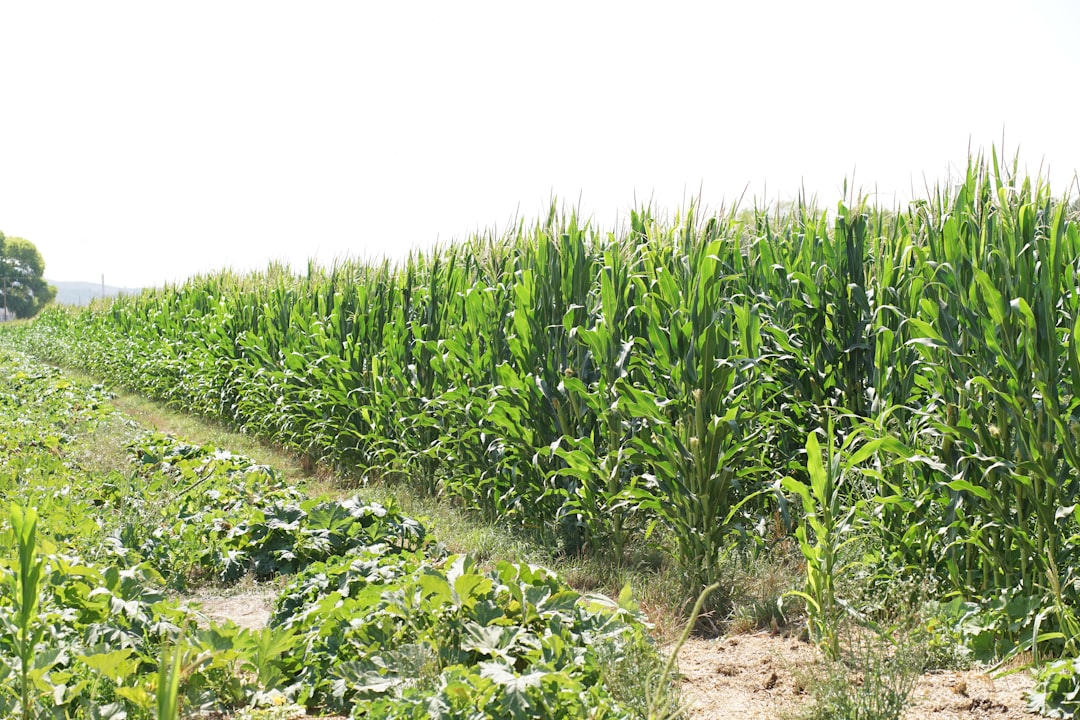
Variable rate fertilizer (VRF) technology represents a significant advancement in agricultural practices, offering precisely targeted nutrient application to optimize crop yields and, consequently, maximize profits. This approach moves away from the traditional one-size-fits-all method of broadcasting common fertilizer rates across an entire field, acknowledging the inherent heterogeneity within agricultural landscapes. Instead, VRF leverages advanced spatial data and technology to discern variations in soil properties, topography, and nutrient levels, allowing for the precise application of fertilizers only where and when they are needed, and in the exact quantities required. This intelligent deployment of resources acts as a surgical scalpel rather than a broad-spectrum brush, ensuring that every dollar invested in fertilizer delivers the greatest possible return.
The economic underpinnings of VRF are straightforward: by avoiding over-application in areas that do not require it and by ensuring adequate supply in nutrient-deficient zones, farmers can achieve a more efficient use of their fertilizer inputs. This efficiency directly translates to reduced expenditure on fertilizer, a significant operational cost for many agricultural enterprises. Furthermore, preventing the leaching and runoff of excess nutrients into waterways contributes to environmental stewardship, a factor that is gaining increasing economic importance through regulatory pressures and market demands for sustainably produced goods.
The Evolution of Fertilizer Application Practices
Historically, fertilizer application has evolved from rudimentary, albeit effective, techniques to increasingly sophisticated methods. Early agricultural practices relied on natural nutrient cycling and the addition of organic materials to enrich the soil. The advent of synthetic fertilizers in the 20th century revolutionized crop production, enabling unprecedented yield increases and supporting a growing global population. However, the widespread adoption of uniform fertilizer application rates, driven by ease of implementation and the lack of precise diagnostic tools, often led to both under-application and over-application of nutrients across different areas of a field. This resulted in suboptimal crop performance in some zones and wasted resources in others.
The One-Size-Fits-All Approach
The traditional method of applying fertilizer involved establishing a single application rate based on general soil test results for a field or region. This approach, while simpler to manage, failed to account for significant variations within the field itself. Think of it as serving a single portion size of a meal to a group of individuals with vastly different appetites; some will be unsatisfied, while others will be overfed. These variations can stem from numerous factors, including historical cropping patterns, differing soil textures, variations in organic matter content, and micro-topographical differences that influence water and nutrient movement.
The Imperative for Precision Agriculture
The rise of precision agriculture, a management strategy that uses information technology to ensure crops and the environment are suited to each other, paved the way for VRF. Precision agriculture aims to manage spatial and temporal variability within agricultural fields to improve the efficiency of resource use and reduce environmental impact. It is founded on the principle that fields are not uniform entities and that different areas within a field may have different management needs. This realization was a critical turning point, shifting the focus from uniform application to site-specific management.
In exploring the benefits of variable rate fertilizer application, it’s essential to consider the broader implications of precision agriculture on farming economics. A related article that delves into this topic is available at this link, which discusses how advanced technologies can optimize resource use and ultimately lead to significant cost savings for farmers. By adopting these innovative practices, farmers can not only enhance their crop yields but also contribute to more sustainable agricultural practices.
Core Components of Variable Rate Fertilizer Technology
The successful implementation of VRF hinges on a synergistic interplay of several key technological components. These components, when integrated effectively, provide the granular data necessary to make informed decisions about fertilizer application. The system is much like a sophisticated orchestra, with each instrument playing its part to create a harmonious and efficient performance. Without any one of these components, the overall system’s effectiveness is diminished.
Soil Sampling and Analysis
Accurate and comprehensive soil sampling is the bedrock of any successful VRF program. It is the process by which the current nutrient status of the soil is determined. Rather than taking a few composite samples from across a large field, VRF necessitates a more detailed approach, often involving grid sampling or zone sampling. Grid sampling divides a field into a grid of specific sizes, and soil samples are collected from the center of each grid cell. Zone sampling, on the other hand, divides the field into management zones based on shared characteristics, such as soil type, yield history, or topography, and samples are collected within these zones.
The Importance of Spatial Resolution
The spatial resolution of soil sampling directly impacts the accuracy of VRF. Higher resolution sampling, meaning smaller grid cells or more precisely defined zones, allows for the detection of finer-scale variations in soil nutrient levels. This, in turn, enables more precise prescription maps for fertilizer application, leading to greater efficiency and cost savings. The granularity of the information collected is directly proportional to the accuracy of the fertilizer application.
Nutrient Mapping and Interpretation
Once soil samples are analyzed, the data is used to create nutrient maps of the field. These maps visually represent the spatial distribution of essential nutrients such as nitrogen, phosphorus, potassium, and micronutrients. Interpreting these maps allows agronomists and farmers to identify areas that are deficient in specific nutrients, areas that have adequate levels, and areas that may be excessively supplied. This visual representation is crucial for understanding the nutrient landscape and making informed management decisions.
Yield Monitoring and Mapping
Yield monitors are sophisticated sensors integrated into combine harvesters that record the amount of grain harvested per unit area as the combine moves through the field. This data is then processed to create yield maps, which illustrate the spatial variability of crop performance across the field. Yield maps act as a rearview mirror, providing insights into where the crop has historically performed well and where it has struggled.
Identifying Areas of High and Low Productivity
Yield maps are invaluable for identifying areas within a field that consistently produce higher yields and those that tend to underperform. These variations can be indicative of underlying soil conditions, drainage issues, or nutrient limitations. By correlating yield maps with soil data, farmers can gain a deeper understanding of the factors influencing productivity in different parts of their fields.
Linking Yield to Nutrient Needs
The correlation between yield maps and soil nutrient maps is a powerful diagnostic tool. Areas with consistently low yields, despite adequate nutrient levels in the soil, might indicate other limiting factors such as soil compaction or disease pressure. Conversely, areas with high yields might suggest that nutrient levels need to be maintained or even increased to support continued high performance. This linkage allows for a more targeted approach to fertilizer application, aiming to address specific yield-limiting factors.
GPS and Guidance Systems
Global Positioning System (GPS) technology and advanced guidance systems are the arteries through which VRF is delivered. GPS receivers on farm machinery provide precise location data, allowing for accurate mapping and navigation. Guidance systems use this data to steer implements, such as spreaders and sprayers, along pre-defined paths, ensuring that fertilizer is applied to the correct locations with minimal overlap or missed areas.
Enabling Precise Application Paths
The precision offered by GPS and guidance systems is fundamental to VRF. They enable the application equipment to follow the exact contours of the prescription maps, ensuring that the predetermined variable rates are applied to the specific zones or grids identified by the soil and yield data. This reduces the possibility of human error and ensures that the fertilizer is delivered with unparalleled accuracy.
Minimizing Overlap and Missed Strips
Traditional broadcast application often leads to areas of overlap where fertilizer is applied twice, and also to missed strips where no fertilizer is applied. These inefficiencies result in wasted product and uneven crop growth. GPS-guided application systems virtually eliminate these issues, ensuring that each square meter of the field receives its designated amount of fertilizer, maximizing efficiency and minimizing waste.
Application Equipment Calibration and Control
Specialized fertilizer application equipment, often referred to as “smart spreaders” or “variable rate applicators,” is essential for VRF. These machines are equipped with sophisticated control systems that can adjust the application rate on the go, in real-time, based on the GPS location and the corresponding prescription map. Proper calibration of this equipment is paramount to ensure that the intended rates are accurately dispensed.
The Role of Swath Control Technology
Swath control technology is a vital feature of modern VRF applicators. It automatically adjusts the spread width of the fertilizer during application, further preventing overlap at headlands and irregular field boundaries. This technology works in conjunction with GPS to ensure that the fertilizer is applied precisely where it is intended, without wastage.
Real-time Rate Adjustment
The ability of application equipment to adjust fertilizer rates in real-time as it moves across the field is the defining characteristic of VRF. As the machine enters a zone requiring a higher application rate, the system automatically increases the flow of fertilizer. Conversely, when entering a zone requiring a lower rate, the system reduces the flow. This dynamic adjustment is what unlocks the cost-saving potential of VRF.
Quantifying the Economic Benefits of Variable Rate Fertilizer
The economic advantages of implementing VRF are not merely theoretical; they are quantifiable and demonstrably impactful. By adopting this precision approach, farmers can realize substantial savings on fertilizer expenditures, leading to improved profitability and a more resilient agricultural operation. The investment in VRF technology acts as a seed that yields a rich harvest of financial returns.
Reduced Fertilizer Input Costs
The most immediate and significant economic benefit of VRF is the reduction in fertilizer input costs. By applying fertilizer precisely where it is needed and in the optimal quantities, farmers eliminate the waste associated with over-application. This reduction in material costs directly impacts the bottom line. For instance, if a field previously received 100 pounds of a particular nutrient, and VRF analysis shows that 30% of the field only requires 50 pounds, and another 20% requires no additional input, significant savings can be achieved on that chunk of the field alone.
Optimization of Nutrient Use Efficiency (NUE)
VRF directly enhances Nutrient Use Efficiency (NUE), a key metric for agricultural sustainability and profitability. NUE measures the amount of nutrient taken up by the crop relative to the amount applied. By precisely matching nutrient supply with crop demand, VRF ensures that more of the applied fertilizer is absorbed by the plants, rather than being lost to the environment through leaching, volatilization, or runoff. This improved NUE means that each pound of fertilizer applied is working harder for the farmer.
Avoiding Over-Fertilization in Non-Critical Areas
Over-fertilization, particularly with nitrogen and phosphorus, is not only costly but also environmentally detrimental. VRF precisely targets these nutrients, ensuring that they are not unnecessarily applied to areas that already have sufficient levels or to areas where they are unlikely to be utilized effectively due to other limitations. This targeted approach prevents the financial drain of wasted fertilizer and mitigates potential environmental risks.
Enhanced Crop Yields and Quality
While cost reduction is a primary driver, VRF also contributes to increased crop yields and improved quality. By ensuring that nutrient-deficient areas receive the necessary inputs, VRF can unlock the latent potential of these zones, leading to more uniform and robust crop growth across the entire field. This consistent performance translates to higher overall yields.
Addressing Nutrient Deficiencies for Optimal Growth
Nutrient deficiencies act as bottlenecks, limiting a plant’s ability to reach its full genetic potential. VRF identifies these bottlenecks on a granular level and provides the precise nutrients needed to overcome them. This allows crops in previously underperforming areas to catch up and contribute to a higher overall yield. It’s akin to giving each plant exactly the right kind of fuel it needs to run at peak performance.
Reducing Yield Variability Within Fields
A significant challenge in agriculture is managing yield variability within a single field. VRF helps to homogenize yields by addressing the underlying causes of these variations. By providing consistent and appropriate nutrient levels across the field, VRF can reduce the disparities between high-yielding and low-yielding areas, leading to a more predictable and consistently profitable harvest.
Improved Return on Investment (ROI)
The combination of reduced input costs and potentially increased yields translates directly into an improved Return on Investment (ROI) for farmers. While there is an initial investment in VRF technology and services, the ongoing savings and enhanced productivity generate a positive financial return over time. This makes VRF a strategic investment rather than simply an operational expense.
The Cycle of Investment and Returns
The investment in VRF technology begins to pay for itself through fertilizer savings in the first season. As farmers become more proficient with the technology and data interpretation, the compounding benefits of optimized nutrient management and yield improvements further enhance the ROI. This creates a virtuous cycle where investment leads to efficiency, which leads to greater profitability, justifying further optimization.
Long-Term Sustainability and Profitability
Beyond immediate financial gains, VRF contributes to the long-term sustainability and profitability of an agricultural enterprise. By fostering efficient resource use and minimizing environmental impact, it helps farmers meet evolving regulatory demands and consumer expectations for sustainable production. This proactive approach builds resilience into the business model, ensuring profitability for the future.
Environmental Implications and Cost Savings
The economic benefits of VRF are intrinsically linked to its environmental advantages. What might seem like an environmental concern often has a direct financial consequence, and vice versa. VRF serves as a bridge between profitable agriculture and responsible environmental stewardship.
Minimizing Nutrient Runoff and Leaching
One of the most significant environmental benefits of VRF is its role in minimizing nutrient runoff and leaching. Excess fertilizer, particularly nitrogen and phosphorus, can enter surface water and groundwater, leading to eutrophication of water bodies, harmful algal blooms, and contaminated drinking water. VRF’s precise application prevents the over-supply of these nutrients, thereby reducing their potential to escape the root zone and enter the environment. This reduction in nutrient pollution can translate into avoided costs associated with environmental remediation and regulatory penalties.
Preventing Eutrophication and Algal Blooms
Eutrophication, the excessive enrichment of a water body with nutrients, can lead to oxygen depletion and harm aquatic life. By reducing the amount of nutrients entering waterways, VRF plays a crucial role in preventing eutrophication and the associated economic impacts on fisheries, tourism, and water treatment.
Protecting Groundwater Quality
Leaching of nitrates into groundwater is a serious concern for drinking water quality. VRF, by ensuring that only the necessary amount of nitrogen is applied, significantly reduces the risk of nitrate leaching, thus protecting this vital resource and potentially avoiding costly water treatment measures.
Improving Soil Health and Structure
While not a direct fertilizer application benefit, the adoption of VRF often goes hand-in-hand with a more holistic approach to soil management. By understanding soil variability and nutrient needs, farmers may be more inclined to adopt practices that improve soil health, such as cover cropping or reduced tillage, especially in areas identified as having suboptimal soil conditions. Healthier soils are more resilient, hold water better, and can ultimately reduce the long-term need for synthetic inputs, contributing to greater economic stability.
Reduced Soil Compaction Concerns
If VRF analysis reveals areas of poor soil structure, farmers might be prompted to investigate and address the underlying causes of compaction. This could involve using GPS-guided equipment to reduce traffic in sensitive areas or implementing tillage strategies that are informed by soil type and moisture levels, ultimately leading to better root development and nutrient uptake.
Enhanced Water Retention and Nutrient Availability
Healthy soils with good structure are better at retaining moisture and making nutrients available to plants. By contributing to a more detailed understanding of soil conditions across the field, VRF can indirectly encourage practices that improve water retention and nutrient cycling, further enhancing crop productivity and reducing reliance on external inputs.
Compliance with Environmental Regulations
As environmental regulations become more stringent, proactive adoption of technologies like VRF can help farmers stay ahead of compliance requirements. By demonstrating a commitment to responsible nutrient management, farmers can avoid potential fines, demonstrate good stewardship, and gain a competitive advantage in markets that increasingly value environmentally conscious production.
Proactive Management for Future Compliance
Implementing VRF is a proactive measure that aligns with the increasing demand for sustainable agricultural practices. This foresight can prevent costly non-compliance issues down the line, offering peace of mind and a more secure operational future.
Market Access and Consumer Demand
Consumers are increasingly aware of the environmental impact of their food choices. Farms that can demonstrate sustainable practices, including optimized nutrient management through VRF, may gain access to premium markets and appeal to a growing segment of consumers willing to pay for responsibly produced goods. This can translate into higher prices and increased sales, directly impacting profitability.
In exploring the benefits of modern agricultural practices, a related article on precision farming techniques highlights how variable rate fertilizer application can significantly reduce costs for farmers. By tailoring fertilizer use to specific field conditions, farmers can optimize their inputs and enhance crop yields. This approach not only saves money but also promotes sustainable farming practices. For more insights on innovative agricultural strategies, you can read the article here.
Implementing Variable Rate Fertilizer: Practical Considerations
The transition to VRF requires careful planning and execution. While the benefits are substantial, understanding the practical steps involved is crucial for successful implementation. This is not a magic wand, but a powerful tool that requires skillful wielding.
Initial Investment and Ongoing Costs
The initial investment in VRF technology can be significant, encompassing GPS receivers, guidance systems, compatible application equipment, and potentially software for data analysis and prescription map creation. However, these costs should be weighed against the long-term savings in fertilizer and the potential for increased yields. Ongoing costs may include soil sample analysis, data management, and potential software subscriptions.
Return on Investment Calculation
Before adopting VRF, it is advisable for farmers to conduct a thorough ROI calculation, considering their specific farm size, crop types, current fertilizer expenditures, and potential yield increases. This analysis can help determine the payback period for the technology and guide decisions about the level of investment.
Phased Implementation Strategies
For farmers hesitant about a full-scale VRF implementation, a phased approach can be a viable option. This might involve starting with grid soil sampling and prescription maps for a portion of the farm or for a single crop, gradually expanding the program as confidence and understanding grow. This allows for learning and adaptation without a complete overhaul of existing operations.
Data Management and Interpretation Expertise
Effective VRF relies on the ability to manage and interpret the vast amounts of data generated. This requires access to appropriate software and, ideally, the expertise of an agronomist or agricultural consultant trained in precision agriculture. The data from soil tests, yield monitors, and other sensors needs to be integrated and analyzed to create accurate prescription maps.
The Role of Agricultural Consultants
Agricultural consultants can play a pivotal role in guiding farmers through the complexities of VRF. They can assist with data collection, interpretation, prescription map creation, and equipment calibration, ensuring that the technology is used to its full potential. Their expertise can bridge the gap between raw data and actionable management strategies.
Understanding Your Data: A Farmer’s Skillset
While consultants are valuable, developing a foundational understanding of data management and interpretation within the farm operation itself is highly beneficial. This empowers farmers to make informed decisions and to communicate effectively with their consultants. It is about becoming a knowledgeable navigator of the data landscape.
Equipment Compatibility and Integration
Ensuring that new VRF-compatible equipment integrates seamlessly with existing farm machinery and software is crucial. Many modern farm implements are designed with precision agriculture in mind, featuring ISOBUS compatibility that allows for standardized communication between different components.
ISOBUS and Connectivity Standards
ISOBUS is an industry standard that enables the seamless integration of various agricultural implements with different tractor brands and control terminals. This simplifies the process of adopting VRF equipment, as various components can communicate and work together effectively.
Retrofitting Existing Equipment
In some cases, existing fertilizer spreaders can be retrofitted with VRF capabilities, such as GPS receivers and controller units. This can be a more cost-effective option than purchasing entirely new equipment, allowing farmers to leverage their existing investments while adopting precision application technologies.
Continuous Monitoring and Adjustment
VRF is not a set-it-and-forget-it solution. It requires ongoing monitoring, data analysis, and adjustments to prescription maps based on changing field conditions and crop performance. This iterative process ensures that the system remains optimized and responsive to the dynamic needs of the agricultural environment. It’s a living system that requires constant care and attention.
The Feedback Loop of Precision Ag
The VRF process involves a continuous feedback loop. Data from yield monitors informs subsequent soil sampling and prescription map adjustments. This iterative refinement allows for a more precise and effective nutrient management strategy over time, leading to increasingly significant cost savings and yield improvements.
Adapting to Seasonal and Environmental Changes
Weather patterns, crop rotations, and soil degradation can all influence nutrient availability and crop needs. VRF systems allow for dynamic adjustments to prescription maps to account for these seasonal and environmental changes, ensuring that the nutrient application remains optimized throughout the growing season and across different years.
The Future of Fertilizer Management: AI and Advanced Analytics
The evolution of VRF is far from over. Advancements in artificial intelligence (AI), machine learning, and advanced data analytics are poised to further enhance the precision and profitability of fertilizer management. These technologies offer the potential to move beyond simply reacting to past data and towards predicting future needs with unprecedented accuracy.
AI-Powered Prescription Map Generation
AI algorithms can analyze vast datasets, including historical yield data, soil maps, weather patterns, and even satellite imagery, to generate highly sophisticated prescription maps. These algorithms can identify complex relationships and patterns that might be invisible to human analysis, leading to even more optimized fertilizer application strategies.
Predictive Analytics for Nutrient Demand
By leveraging AI, farmers can move towards predictive analytics, anticipating crop nutrient needs before they become limiting factors. AI models can forecast nutrient uptake based on anticipated growth stages and environmental conditions, allowing for proactive rather than reactive nutrient management. This proactive approach acts as a sentinel, guarding against future nutrient deficiencies.
Automated Decision Support Systems
AI can power automated decision support systems that offer real-time recommendations to farmers regarding fertilizer application. These systems can continuously analyze incoming data and provide timely alerts and adjustments to application plans, simplifying the decision-making process and further enhancing efficiency.
Integration with Other Precision Agriculture Technologies
The true power of future VRF will lie in its seamless integration with other precision agriculture technologies. This includes drone-based spectral imaging for real-time crop health assessment, advanced soil sensors that provide continuous nutrient monitoring, and autonomous farm machinery that can execute complex application plans with minimal human intervention.
Drone and Satellite Imagery for Real-time Monitoring
Drones and satellites equipped with spectral sensors can provide high-resolution imagery that reveals the subtle differences in crop health and nutrient status across a field. This data can be fed directly into VRF systems, allowing for immediate adjustments to fertilizer application based on actual, real-time crop performance.
IoT Sensors for Continuous Data Streams
The Internet of Things (IoT) is bringing a new wave of intelligent sensors to agriculture. These sensors can continuously monitor soil moisture, temperature, pH, and nutrient levels, providing a constant stream of data that can be used to refine VRF prescriptions and optimize nutrient delivery throughout the growing season.
Enhanced Sustainability and Profitability through Advanced Analytics
Ultimately, the integration of AI and advanced analytics promises to usher in an era of unprecedented sustainability and profitability in agriculture. By enabling hyper-precise nutrient management, these technologies will minimize resource waste, reduce environmental impact, and maximize economic returns for farmers. This represents a significant leap forward in farming efficiency and ecological responsibility.
Towards a Zero-Waste Nutrient Model
The ultimate goal is to move towards a zero-waste nutrient model, where every molecule of fertilizer applied is utilized by the crop. AI and advanced analytics are bringing this vision closer to reality, enabling farmers to fine-tune their nutrient management strategies to an almost molecular level.
A Competitive Edge in a Changing Agricultural Landscape
As the agricultural landscape continues to evolve, characterized by increasing environmental scrutiny and demands for efficiency, adopting advanced VRF technologies powered by AI and analytics will provide farmers with a significant competitive edge. It is a strategic investment in the future of farming, ensuring both environmental integrity and economic prosperity.
FAQs
What is variable rate fertilizer application?
Variable rate fertilizer application is a farming technique that uses technology to apply different amounts of fertilizer to specific areas of a field based on soil and crop needs, rather than applying a uniform rate across the entire field.
How does variable rate fertilizer application save farmers money?
It saves money by optimizing fertilizer use, reducing waste, and preventing over-application. This targeted approach ensures that crops receive the right amount of nutrients, improving efficiency and lowering input costs.
What technology is used in variable rate fertilizer application?
Technologies such as GPS mapping, soil sensors, yield monitors, and variable rate controllers are used to collect data and adjust fertilizer application rates in real-time during field operations.
Does variable rate fertilizer application improve crop yields?
Yes, by providing nutrients tailored to specific field conditions, variable rate application can enhance crop health and increase yields, contributing to better overall farm profitability.
Is variable rate fertilizer application suitable for all types of farms?
While it is beneficial for many farms, especially larger or more variable fields, the suitability depends on factors like farm size, crop type, available technology, and investment capacity. Smaller farms may also benefit but should evaluate cost-effectiveness.