
Optimizing the flow of discarded materials presents a complex challenge. This article examines strategies that can significantly enhance efficiency in recycling and waste management, aiming to transform residual streams into valuable resources. The overarching goal is to minimize environmental impact, conserve natural resources, and establish a more circular economy.
Effective recycling and waste management are not spontaneous occurrences but the result of meticulous planning and robust infrastructure. A well-designed system acts as the engine driving resource recovery. Without a clear roadmap, efforts can become fragmented and ultimately less effective.
Situational Analysis and Needs Assessment
Before implementing any program, a thorough understanding of the current waste landscape is paramount. This involves quantifying waste streams, identifying their composition, and understanding the existing collection and processing capabilities.
Waste Stream Characterization
Identifying what is being thrown away is the foundational step. This includes analyzing the volume and types of waste generated by residential, commercial, industrial, and institutional sectors. This characterization requires detailed surveys and data collection, often employing sorting and weighing procedures. Understanding the prevalence of recyclables such as paper, plastic, glass, and metal, as well as organic waste and hazardous materials, informs subsequent strategic decisions. Without knowing the ingredients of your “waste soup,” it is impossible to design an effective treatment plan.
Infrastructure Assessment
Existing facilities, such as transfer stations, Material Recovery Facilities (MRFs), composting sites, and landfills, need to be evaluated for their capacity, technological capabilities, and environmental compliance. The proximity and accessibility of these facilities also play a crucial role in transportation costs and overall efficiency. Are current MRFs equipped to handle the latest recyclable materials, or are they outdated relics?
Policy and Regulatory Frameworks
Government policies and regulations provide the essential guardrails for waste management systems. A clear and consistently enforced regulatory framework encourages participation, incentivizes investment, and ensures environmental protection.
Extended Producer Responsibility (EPR)
EPR policies shift the responsibility for managing end-of-life products from consumers and municipalities to the producers. This can drive innovation in product design for recyclability and encourage manufacturers to invest in collection and recycling infrastructure. The “polluter pays” principle, when applied effectively through EPR, can be a powerful driver of systemic change.
Landfill Bans and Diversion Targets
Implementing bans on specific materials that are easily recyclable or compostable, such as yard waste or certain plastics, can significantly divert waste from landfills. Setting ambitious but achievable diversion targets provides a benchmark for progress and encourages continuous improvement. These targets are like milestones on a long journey, marking progress and keeping the destination in sight.
Technological Integration and Innovation
The advancement of technology has been a transformative force in waste management, offering solutions for sorting, processing, and resource recovery. Embracing innovation is key to moving beyond basic disposal.
Advanced Sorting Technologies
Modern MRFs utilize a suite of technologies to sort recyclables with increasing accuracy and speed. Optical sorters, magnets, eddy current separators, and ballistic separators work in concert to separate different materials, reducing contamination and increasing the value of recovered commodities. These technologies act as discerning eyes and hands, meticulously separating the valuable from the discarded.
Waste-to-Energy (WtE) Technologies
While not a replacement for robust recycling programs, WtE technologies can recover energy from non-recyclable residual waste, reducing the volume sent to landfills and generating electricity or heat. Advanced WtE facilities incorporate strict emission controls to minimize environmental impact. This is akin to extracting the last remaining drop of useful liquid from a complex mixture.
Data Analytics and Artificial Intelligence (AI)
The application of data analytics and AI can optimize collection routes, predict waste generation patterns, and improve the efficiency of sorting operations. AI-powered sorting systems can identify and separate materials with greater precision than traditional methods. By understanding the ebb and flow of waste, smart systems can navigate the challenges more effectively.
The recycling industry plays a crucial role in waste management, helping to reduce landfill waste and conserve natural resources. For those interested in learning more about innovative practices and advancements in this field, a related article can be found at this link. This resource provides valuable insights into the latest trends and technologies shaping the future of recycling and waste management.
Enhancing Collection Systems
The collection phase is the first critical touchpoint in the waste management process. Its efficiency directly impacts the quality of materials recovered and the overall cost of the system. Inefficient collection is like a leaky faucet, wasting resources from the outset.
Optimizing Collection Routes and Logistics
Geographic information systems (GIS) and route optimization software are indispensable tools for reducing fuel consumption, labor hours, and vehicle wear and tear. Dynamically adjusting routes based on real-time data can further enhance efficiency.
Frequency and Schedule Optimization
Analyzing waste generation rates and population density allows for the optimization of collection frequencies and schedules. Over-collection wastes resources, while under-collection can lead to environmental nuisances and public dissatisfaction. Finding the golden mean is crucial.
Smart Bin Technology
Smart bins equipped with sensors can communicate their fill levels, enabling on-demand collection rather than fixed schedules. This “collect when full” approach significantly reduces unnecessary trips, especially in areas with low or variable waste generation. This proactive approach eliminates the guesswork from collection.
Source Separation and Citizen Engagement
The success of recycling programs hinges on the active participation and correct behavior of the public. Education and convenient separation methods are key drivers of participation.
Clear and Consistent Contamination Reduction Strategies
Contamination of recyclables is a major obstacle to efficient processing. Clear, simple, and consistently communicated guidelines on what can and cannot be recycled are essential. Public awareness campaigns should highlight the negative impacts of contamination, such as increased processing costs and reduced marketability of recovered materials. Educating the public is like providing a user manual for proper waste disposal.
User-Friendly Collection Systems
Offering a variety of collection options, such as curbside pickup, drop-off centers, and specialized collection events for items like electronics and hazardous waste, caters to diverse needs and increases participation. The convenience of the system often dictates the level of engagement.
Incentivizing Participation
Deposit-refund schemes for beverage containers and pay-as-you-throw (PAYT) systems, where households pay for the amount of residual waste they generate, can incentivize waste reduction and recycling. These financial mechanisms act as gentle nudges towards more responsible behavior.
Streamlining Processing and Recovery

Once collected, waste materials enter a complex processing stream. Efficiency at this stage maximizes the recovery of valuable resources and minimizes the amount of residual waste requiring disposal. This is where the raw materials of the future are meticulously separated.
Advanced Material Recovery Facility (MRF) Operations
Modern MRFs are sophisticated facilities that employ a combination of manual labor and automated technologies to sort and process recyclables. Continuous improvement in MRF design and operation is essential.
Investment in State-of-the-Art Sorting Equipment
Upgrading MRFs with the latest optical sorters, robotic arms, and AI-powered sorting systems can dramatically improve sorting accuracy and throughput. These technologies can differentiate between various types of plastics, metals, and paper grades with unparalleled precision. The ability to differentiate between a bottle and a cap, or a can and a foil wrapper, is critical.
Quality Control and Contaminant Removal
Rigorous quality control measures are necessary to ensure that the sorted commodities meet the specifications of end-markets. This includes ongoing training for manual sorters and regular calibration of automated equipment. Removing contaminants before materials reach the market is like polishing a gemstone before presenting it for sale.
Organic Waste Management
Organic waste, such as food scraps and yard trimmings, represents a significant portion of the waste stream and can be effectively diverted from landfills through composting or anaerobic digestion.
Composting Technologies and Best Practices
Various composting methods exist, from windrow composting to in-vessel systems. Choosing the appropriate technology depends on the scale of operations and the type of organic material. Maintaining optimal temperature, moisture, and aeration is crucial for efficient composting. This biological transformation turns waste into a valuable soil amendment.
Anaerobic Digestion for Biogas Production
Anaerobic digestion breaks down organic matter in the absence of oxygen, producing biogas (a renewable energy source) and digestate (a nutrient-rich fertilizer). This process offers dual benefits of waste diversion and renewable energy generation. This is a powerful alchemy, transforming decay into energy.
Source Reduction of Food Waste
Beyond processing, reducing food waste at its source through better inventory management, consumer education, and food donation programs is a highly effective strategy that complements recycling and composting efforts. Preventing waste is always more efficient than managing it.
Market Development and Circular Economy Integration
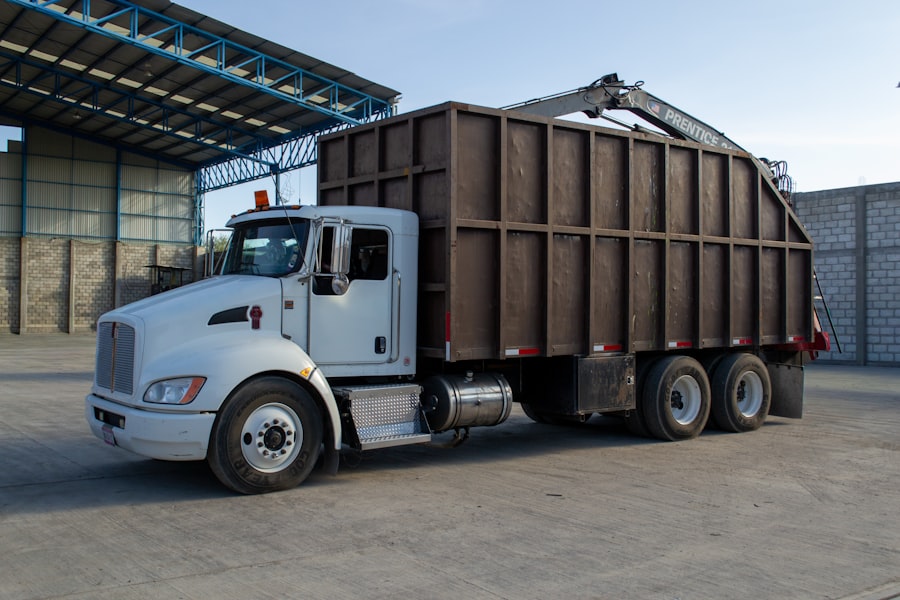
The ultimate success of recycling and waste management is dependent on the existence of robust end-markets for recovered materials. Without demand, collected recyclables become a burden rather than a resource.
Fostering Demand for Recycled Content
Governments and businesses can play a significant role in creating demand for recycled materials by implementing procurement policies that prioritize products with recycled content. This creates a pull for recycled commodities.
Government Procurement Policies
Mandating a minimum percentage of recycled content in government purchases, from paper products to construction materials, sends a clear signal to the market and stimulates investment in the recycling industry. Leading by example is a powerful tool.
Industry Partnerships and Innovation
Collaborations between waste management companies, manufacturers, and product designers can drive innovation in product design for recyclability and the development of new applications for recycled materials. This creates a virtuous cycle of innovation and adoption.
Developing Local and Regional Markets
Reducing transportation costs and ensuring a consistent supply of recycled materials are key to developing sustainable local and regional markets for recovered commodities.
Supporting Local Recycled Material Processors
Incentivizing the establishment and growth of local businesses that process and utilize recycled materials can create economic opportunities and strengthen the circular economy. Building localized supply chains is like creating strong, interconnected roots for the system.
Policy Support for Recycled Material Markets
Policies that level the playing field between virgin materials and recycled materials, such as tax incentives or reduced regulatory burdens for businesses using recycled content, can foster market growth. Ensuring fair competition is crucial for fair play.
Promoting the Principles of a Circular Economy
A circular economy envisions a system where materials are kept in use for as long as possible, extracting the maximum value from them before recovering and regenerating products and materials at the end of each service life.
Design for Durability and Repairability
Encouraging product design that emphasizes durability, repairability, and recyclability reduces the rate at which materials are discarded. This shifts the focus from a linear “take-make-dispose” model to a regenerative approach. Designing for longevity redefines the lifespan of products.
Product-as-a-Service Models
Business models where consumers pay for the use of a product rather than its ownership can incentivize manufacturers to design more durable and easily repairable products, as they retain ownership and responsibility for the asset. This fosters a long-term perspective.
The recycling industry plays a crucial role in waste management, helping to reduce the amount of waste that ends up in landfills while conserving natural resources. A recent article highlights innovative approaches to enhance recycling processes and improve efficiency within the sector. For more insights on this topic, you can read the article on waste management strategies at Hey Did You Know This. By adopting these practices, communities can significantly contribute to a more sustainable future.
Continuous Improvement and Performance Monitoring
| Metric | Value | Unit | Description |
|---|---|---|---|
| Global Recycling Rate | 32 | % | Percentage of total waste recycled worldwide |
| Annual Waste Processed | 2.1 | Billion tons | Total waste managed by recycling industry annually |
| Energy Saved by Recycling | 540 | Million MWh | Energy conserved through recycling processes per year |
| CO2 Emissions Reduced | 500 | Million tons | Estimated reduction in carbon dioxide emissions due to recycling |
| Employment in Recycling Sector | 1.2 | Million people | Number of jobs supported by the recycling industry globally |
| Plastic Waste Recycled | 9 | % | Percentage of plastic waste recycled worldwide |
| Paper Waste Recycled | 58 | % | Percentage of paper waste recycled worldwide |
| Metal Waste Recycled | 70 | % | Percentage of metal waste recycled worldwide |
The landscape of waste management is constantly evolving. A commitment to continuous improvement, underpinned by robust performance monitoring, is vital for sustained efficiency and effectiveness.
Establishing Key Performance Indicators (KPIs)
Defining and tracking relevant KPIs allows for the measurement of progress, identification of bottlenecks, and informed decision-making. These metrics act as the dashboard for the waste management system.
Diversion Rates
The percentage of waste diverted from landfills through recycling, composting, and other recovery methods is a primary indicator of success. Tracking this metric over time reveals the effectiveness of implemented strategies. Hitting diversion targets is like consistently reaching the summit.
Contamination Rates
Monitoring the level of contamination in collected recyclables is crucial for assessing the effectiveness of public education and source separation efforts. High contamination rates increase processing costs and reduce the value of recovered materials. Keeping contamination low is like maintaining the purity of a valuable element.
Cost-Effectiveness Metrics
Analyzing the cost per ton of waste managed, processed, and recovered provides insights into the financial efficiency of the system. This includes evaluating collection costs, processing fees, and the revenue generated from the sale of recovered commodities. Every dollar saved is a dollar that can be reinvested.
Regular Audits and System Reviews
Periodic audits of waste management operations, from collection routes to MRF performance, can identify areas for improvement and ensure compliance with regulations.
Internal and External Auditing
Both internal reviews and external audits by independent bodies can provide objective assessments of system performance and identify opportunities for optimization. An external perspective can often reveal blind spots.
Adapting to Changing Materials and Markets
The composition of waste streams and the demand for recovered materials are dynamic. Waste management systems must be flexible and adaptable to incorporate new materials and respond to evolving market conditions. Rigidity in a fluid environment leads to obsolescence.
Knowledge Sharing and Best Practice Adoption
Actively engaging in knowledge sharing with other municipalities, industry associations, and research institutions facilitates the adoption of best practices and accelerates the implementation of innovative solutions. Learning from others is like borrowing wisdom from a collective library.
By implementing these strategies, communities and organizations can move beyond simply managing waste to actively transforming it into a valuable resource. This requires a multifaceted approach, encompassing strategic planning, technological adoption, public engagement, market development, and a commitment to continuous improvement. The efficient management of waste is not merely an environmental imperative but an economic opportunity, paving the way for a more sustainable and prosperous future.
FAQs
What is the recycling industry in waste management?
The recycling industry in waste management involves the collection, processing, and conversion of waste materials into reusable raw materials. This industry helps reduce landfill use, conserve natural resources, and minimize environmental pollution by turning waste into valuable products.
What types of materials are commonly recycled in the waste management industry?
Commonly recycled materials include paper, cardboard, glass, metals (such as aluminum and steel), plastics, and certain electronic waste. Each material requires specific processing methods to be effectively recycled and reused.
How does recycling benefit the environment?
Recycling reduces the need for raw material extraction, lowers greenhouse gas emissions, conserves energy, and decreases pollution. It also helps reduce the volume of waste sent to landfills and incinerators, contributing to a cleaner and more sustainable environment.
What are the main challenges faced by the recycling industry?
Challenges include contamination of recyclable materials, fluctuating market demand for recycled products, high processing costs, and the need for improved collection and sorting infrastructure. Additionally, public awareness and participation are critical for effective recycling programs.
How can individuals contribute to effective waste management and recycling?
Individuals can contribute by properly sorting recyclables, reducing waste generation, reusing materials when possible, and supporting local recycling programs. Staying informed about what materials are accepted in their community’s recycling system also helps improve recycling efficiency.